
Bottom of the Ravine — History & Facts
In this intricate dance of hues, the divine whispers through nature's simplicity, beckoning us to listen closely. To truly understand the essence of this work, look to the layers of green that envelop the lower part of the canvas. Notice how the vibrant strokes blend with muted earth tones, creating a lush and textured foreground. Your gaze then ascends to the rugged outcrops that punctuate the upper sections, where a palette of deeper blues and grays evokes a sense of depth and tranquility.
Each brushstroke, deliberate yet expressive, reveals not just the landscape but the emotional resonance it carries, forming a bridge between the viewer and the divine. The interplay of light and shadow within Bottom of the Ravine resonates deeply with the notion of hidden truths. The luminous patches that break through the foliage suggest moments of clarity amidst darkness, while the juxtaposition of rugged forms against softer hues speaks to the tension between chaos and serenity in nature. This emotional duality invites contemplation about the divine presence that often lies beneath the surface of ordinary life. In 1879, during a period of artistic exploration and personal introspection, the artist crafted this piece in the south of France, a time when he was grappling with the expectations of the Impressionist movement while seeking to establish his own artistic voice.
Amidst an ever-changing art scene, Cézanne aimed to capture the essence of his surroundings, transcending mere representation to evoke a deeper understanding of beauty and truth.
More Artworks by Paul Cezanne
Browse all →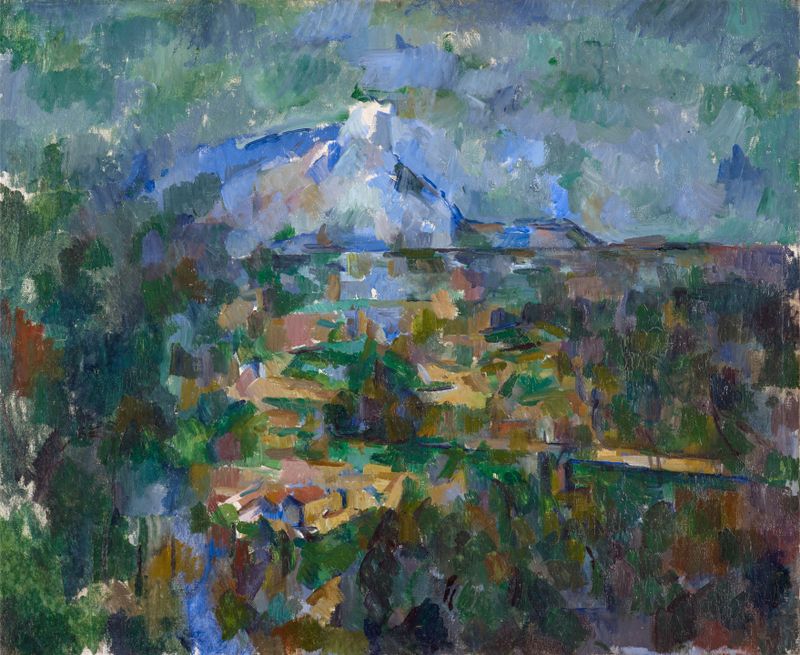
The Mont Sainte-Victoire Seen From Les Lauves
Paul Cezanne
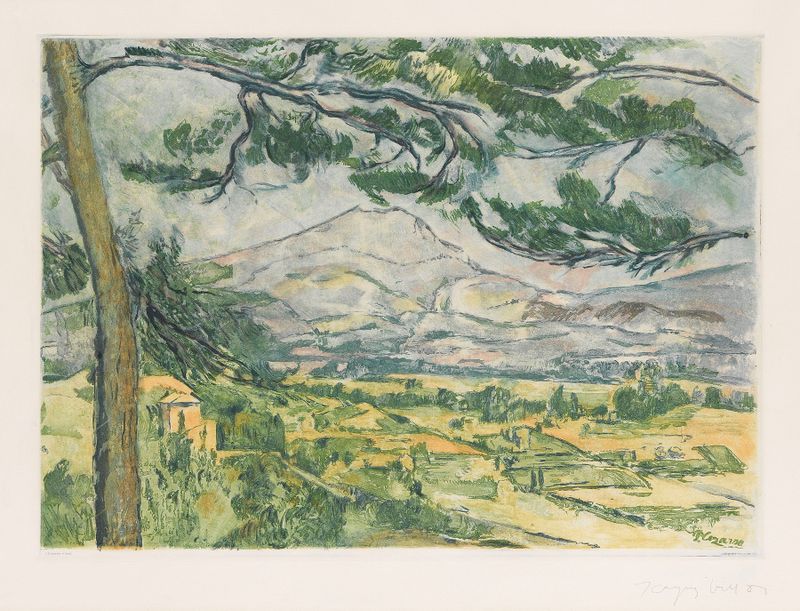
La Montagne Sainte-Victoire
Paul Cezanne
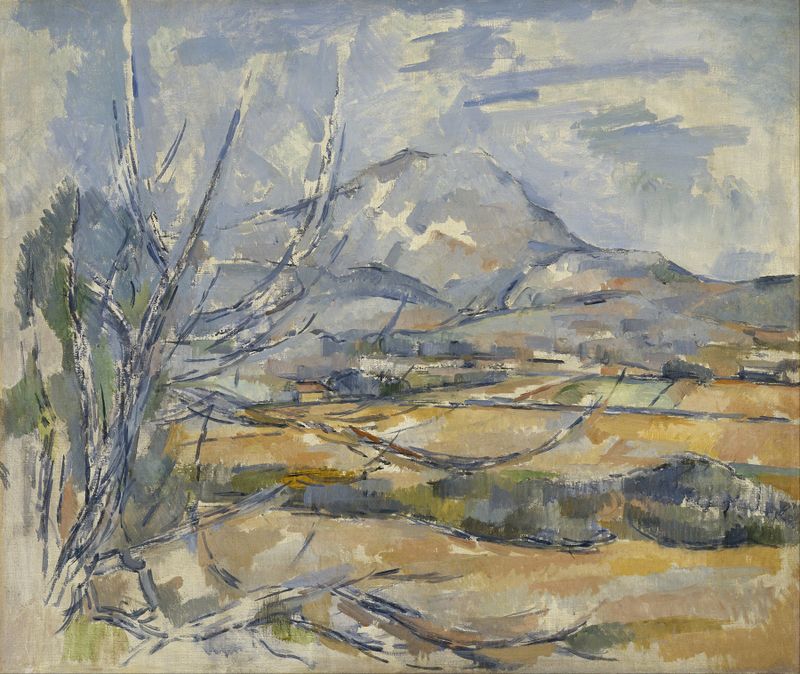
Montagne Sainte-Victoire
Paul Cezanne
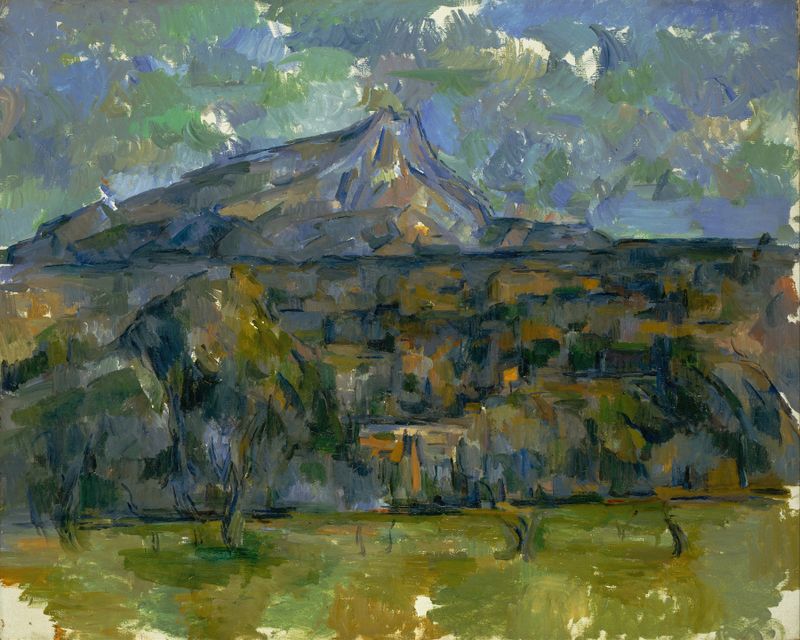
Mont Sainte-Victoire
Paul Cezanne
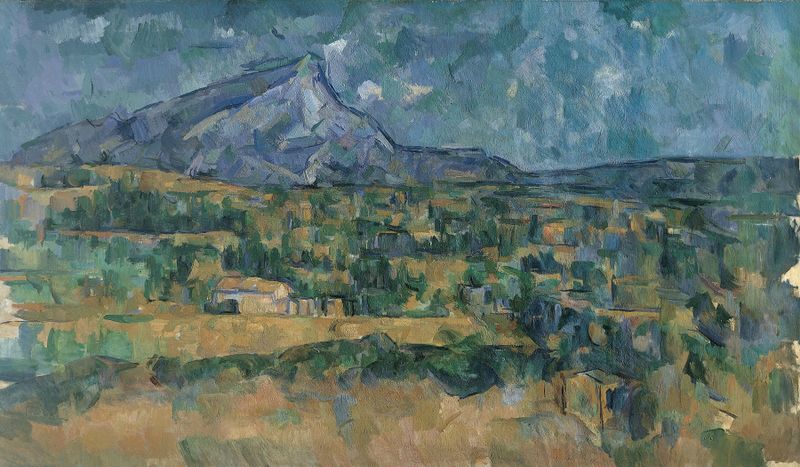
Mont Sainte-Victoire
Paul Cezanne
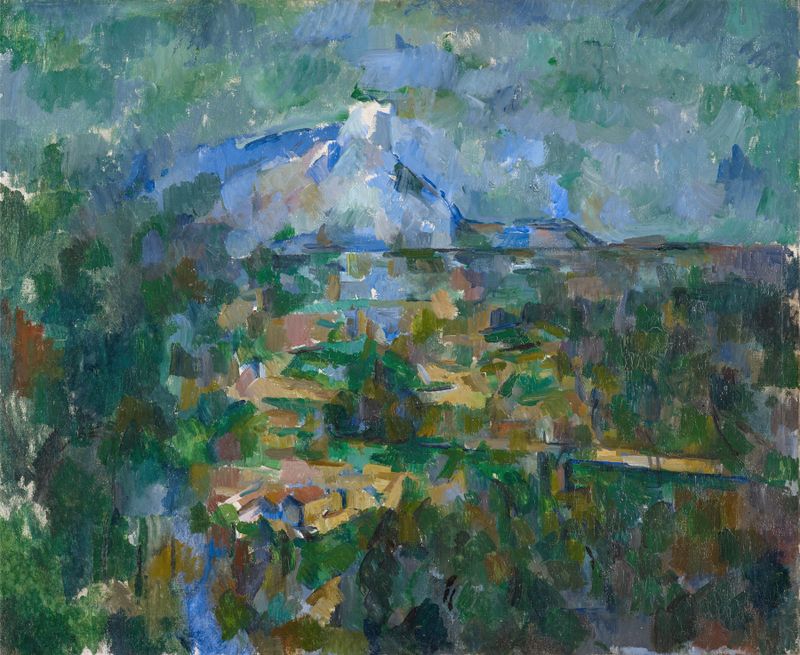
View of Mount Sainte-Victoire from Les Lauves
Paul Cezanne
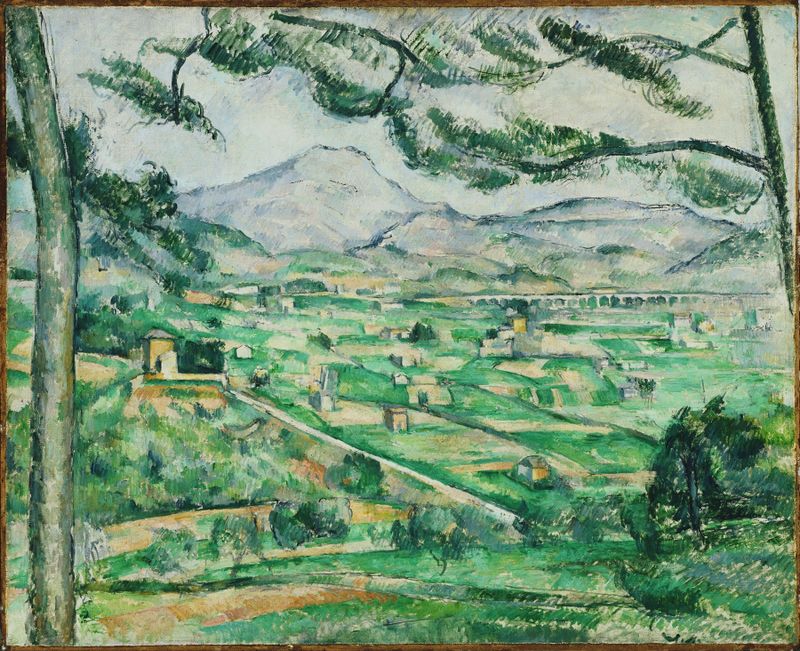
Mont Sainte-Victoire 2
Paul Cezanne

The Basket of Apples
Paul Cezanne

Mount Sainte-Victoire
Paul Cezanne
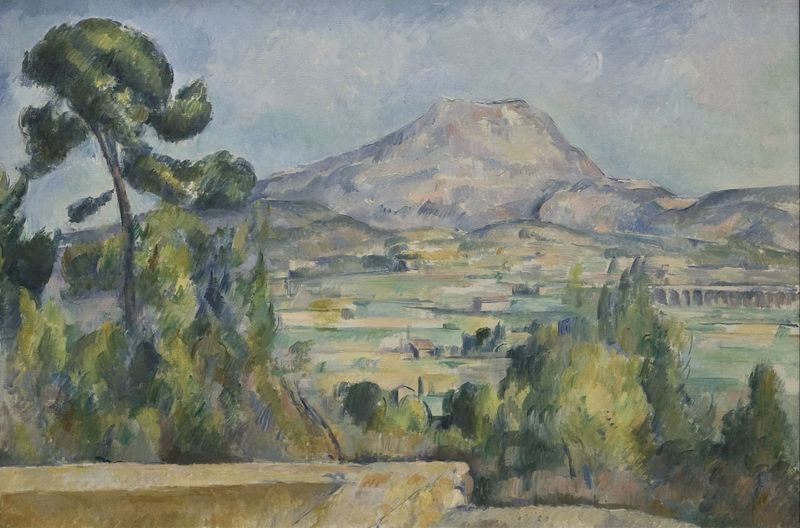
Montagne Saint-Victoire
Paul Cezanne





