
Boulevard de Clichy — History & Facts
In a world awash with vibrant hues, innocence often flickers like a candle in the wind, beckoning us to witness its fragile beauty. Look to the lower left, where the lively street erupts with figures bustling about the Boulevard de Clichy. Notice how Van Gogh employs thick, expressive brushstrokes that both animate and define the atmosphere, evoking a sense of restless energy. The vibrant yellows and blues playfully collide, creating depth and movement.
Your eye is drawn along the winding pathway, inviting you to explore the lull of twilight that casts a dreamy glow over the scene. The juxtaposition of the crowded street against the ethereal light hints at the tension between the noise of life and the desire for solitude. There is a palpable innocence captured in the faces of the passersby, their expressions a blend of curiosity and contemplation. The figures, though clothed in the vibrancy of the scene, appear almost ghostly, inviting us to ponder who they are and what stories they carry.
The splashes of color envelop them, yet the undeniable sense of isolation lingers, suggesting that amidst the bustling crowd, each individual grapples with their inner world. This overarching theme of duality—between connection and solitude—resonates deeply within the work. In 1887, Van Gogh created this piece while living in Paris, a period marked by experimentation and a search for artistic identity. Immersed in the vibrant art scene, he was influenced by the Impressionists and the burgeoning Post-Impressionist movement.
This painting reflects both his fascination with urban life and his ongoing struggle to capture the essence of human emotion through color and form.
More Artworks by Vincent van Gogh
Browse all →
Starry Night
Vincent van Gogh
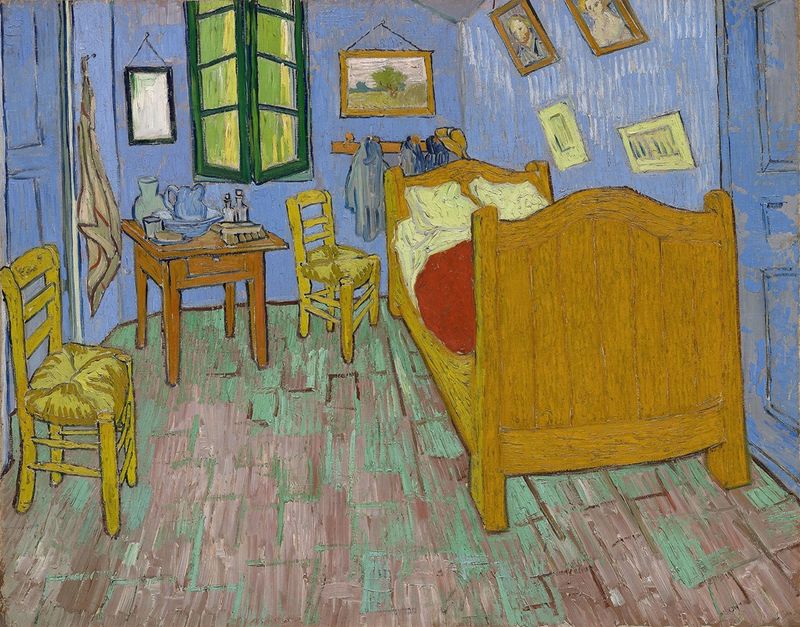
The Bedroom
Vincent van Gogh
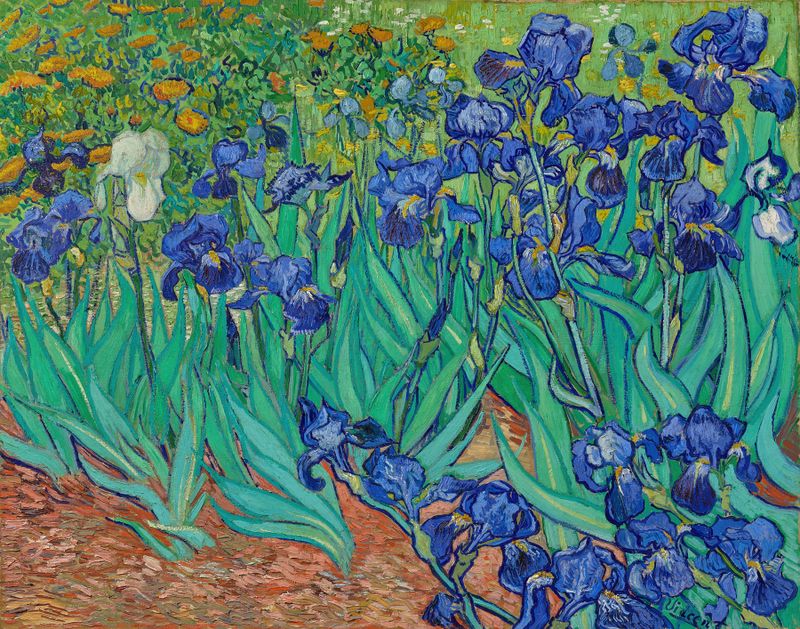
Irises
Vincent van Gogh
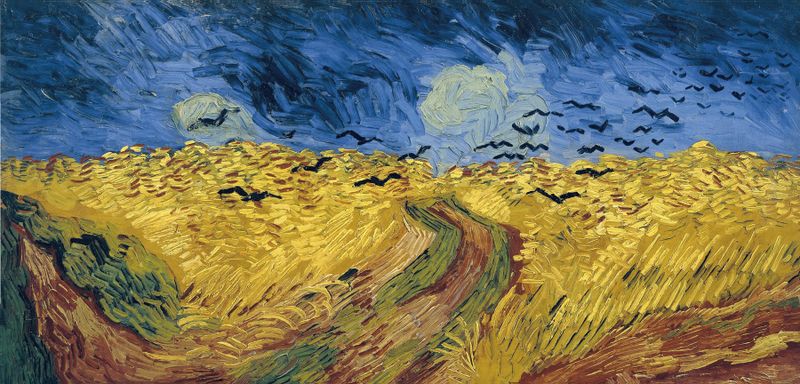
Wheatfield with Crows
Vincent van Gogh
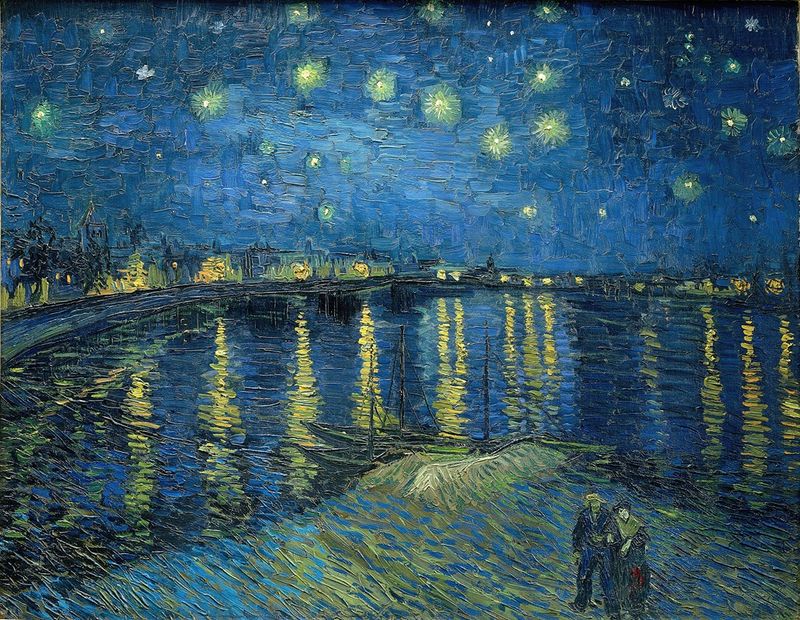
Starry Night over the Rhone
Vincent van Gogh

The yellow house
Vincent van Gogh
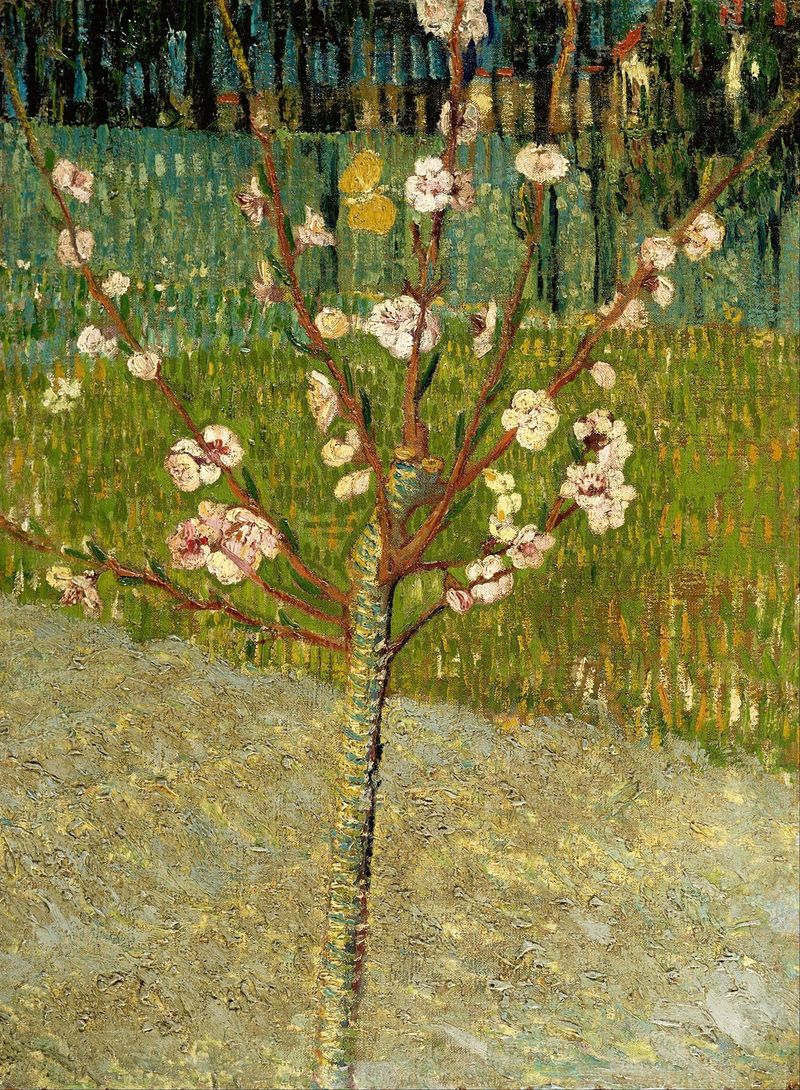
Almond tree in blossom
Vincent van Gogh

Portrait of Dr Gachet
Vincent van Gogh

The Church in Auvers-sur-Oise, View from the Chevet
Vincent van Gogh

Self-Portrait
Vincent van Gogh





