
Boy in Sailor Suit — History & Facts
When Amedeo Modigliani painted Boy in Sailor Suit in 1917, he was living in Montparnasse, Paris, at the height of the First World War. The sitter’s identity remains a mystery, but the painting stands out as one of the few child portraits Modigliani completed during his brief, intense career. At the time, Modigliani was gaining a reputation for his elongated figures and melancholy faces, but it was rare for him to turn his attention to children—making this work a notable exception within his oeuvre. The boy sits upright, his body wrapped in the crisp lines of a sailor suit, a popular outfit for children in early twentieth-century Europe, symbolizing innocence and a touch of national pride.
His oval face, almond eyes, and impossibly long neck bear the unmistakable stamp of Modigliani’s style, echoing the artist’s fascination with African masks and Italian Renaissance portraiture. Unlike the playful energy seen in Mary Cassatt’s depictions of children, Modigliani’s boy is introspective, almost solemn, his gaze meeting the viewer with a quiet gravity. The muted background and the boy’s still pose focus all attention on his expression, inviting us to wonder about his inner world. The exact provenance of Boy in Sailor Suit is not fully documented, a fate shared by many of Modigliani’s works, which often changed hands privately in the chaotic years following his death in 1920.
While the medium is not definitively recorded, Modigliani typically worked in oil on canvas during this period. Today, the painting is celebrated as a rare example of his exploration of childhood, and it offers a glimpse into the artist’s brief but prolific Paris years, when he created some of the most distinctive portraits of the early modern era. The painting’s current location is in a private collection, underscoring its status as a coveted piece among collectors of Modigliani’s work.
More Artworks by Amedeo Modigliani
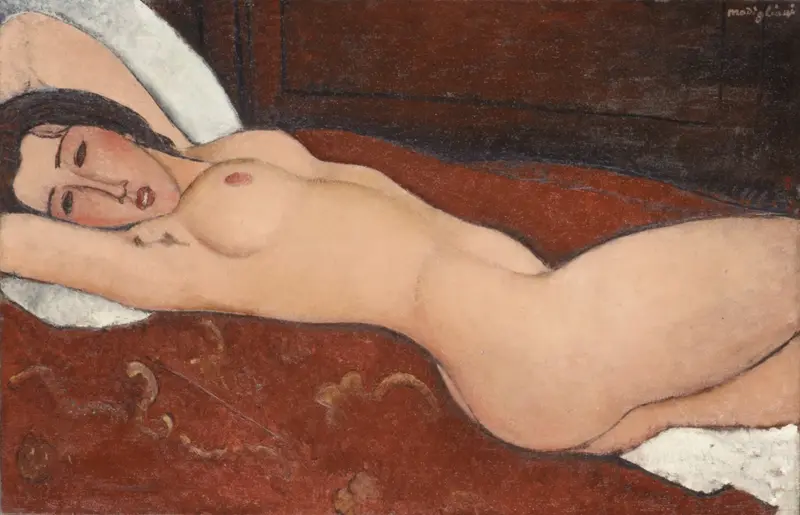
Reclining Nude
Amedeo Modigliani

Portrait Of Jeanne Hébuterne
Amedeo Modigliani

Jeanne Hébuterne
Amedeo Modigliani
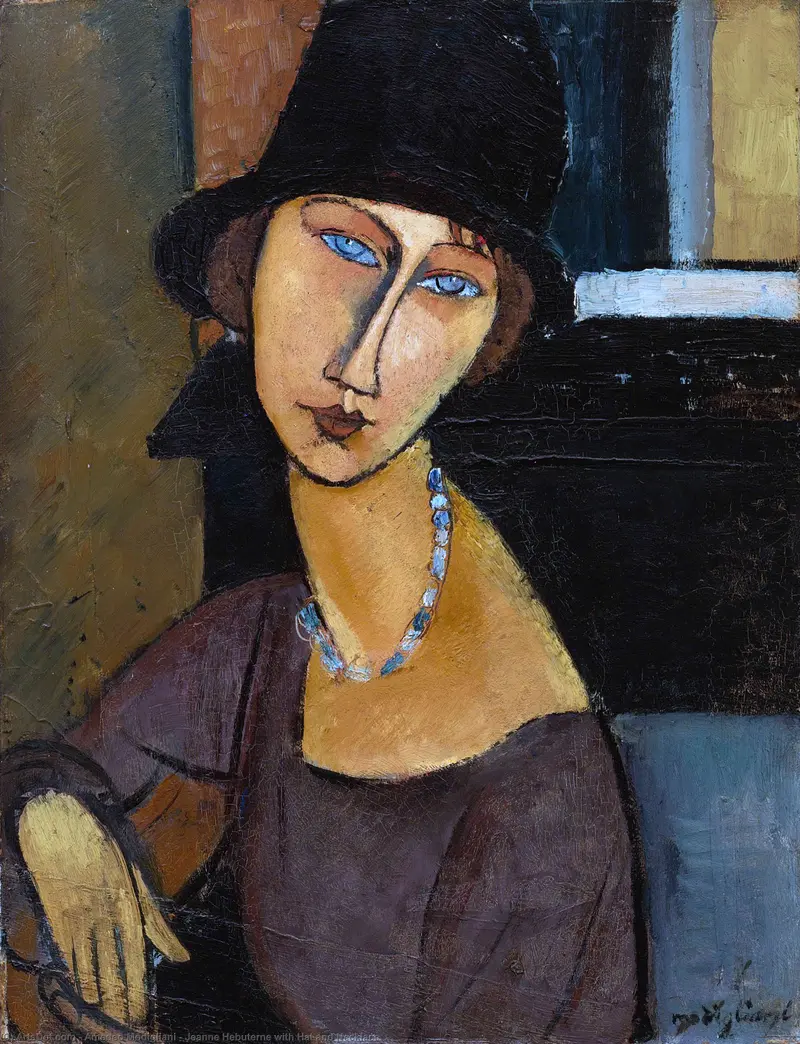
Jeanne Hébuterne with Hat and Necklace
Amedeo Modigliani
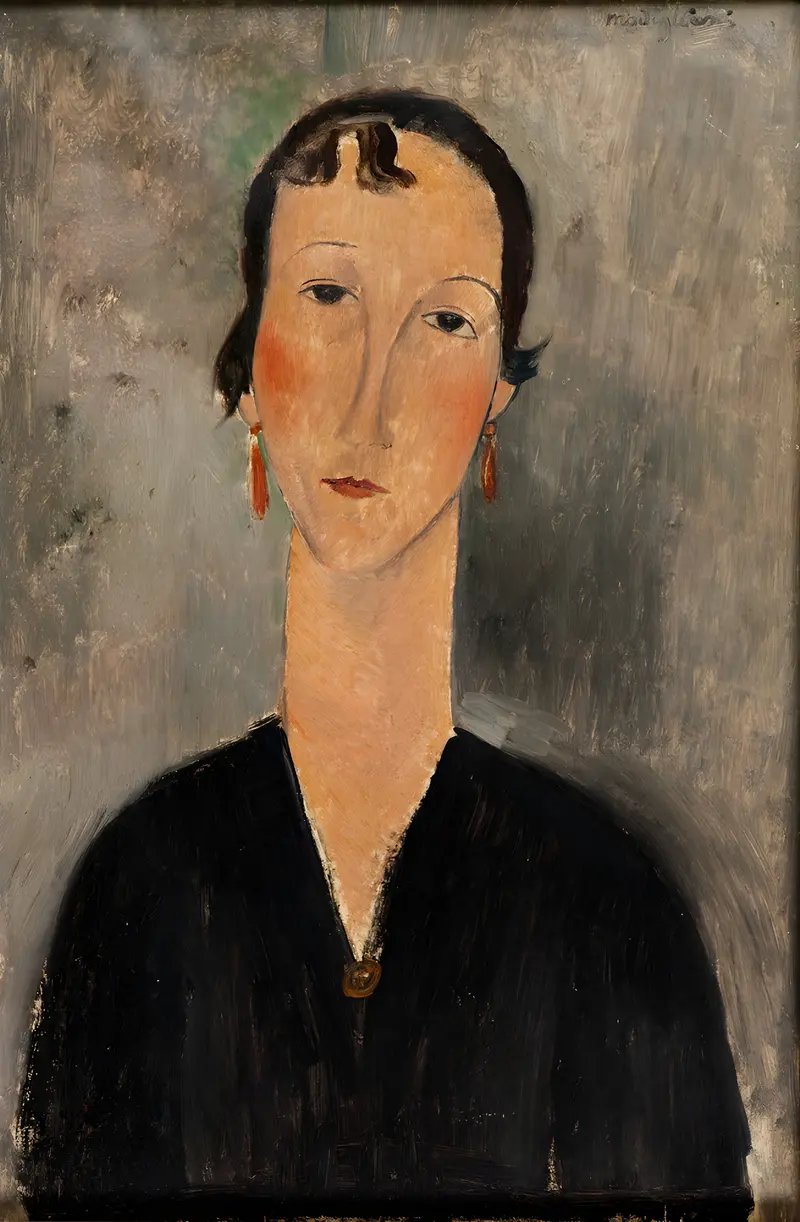
Femme aux boucles d'oreilles
Amedeo Modigliani
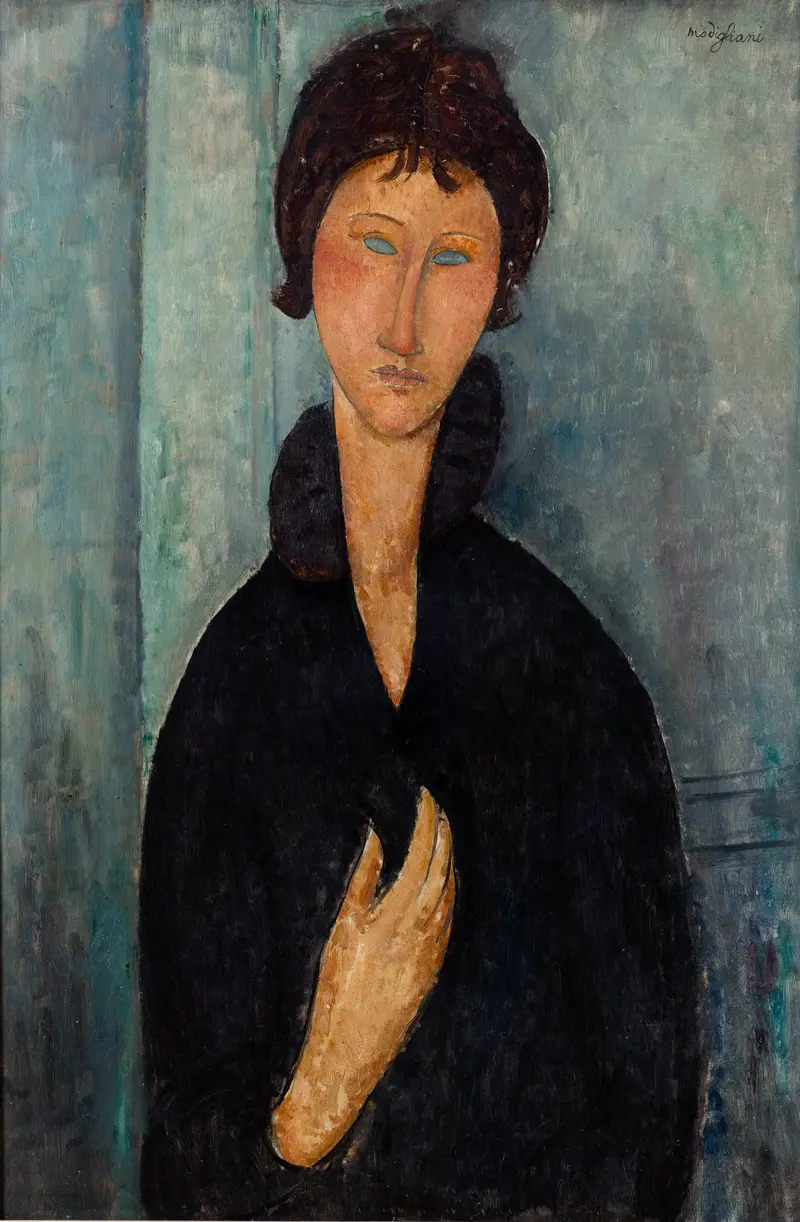
Femme aux yeux bleus
Amedeo Modigliani
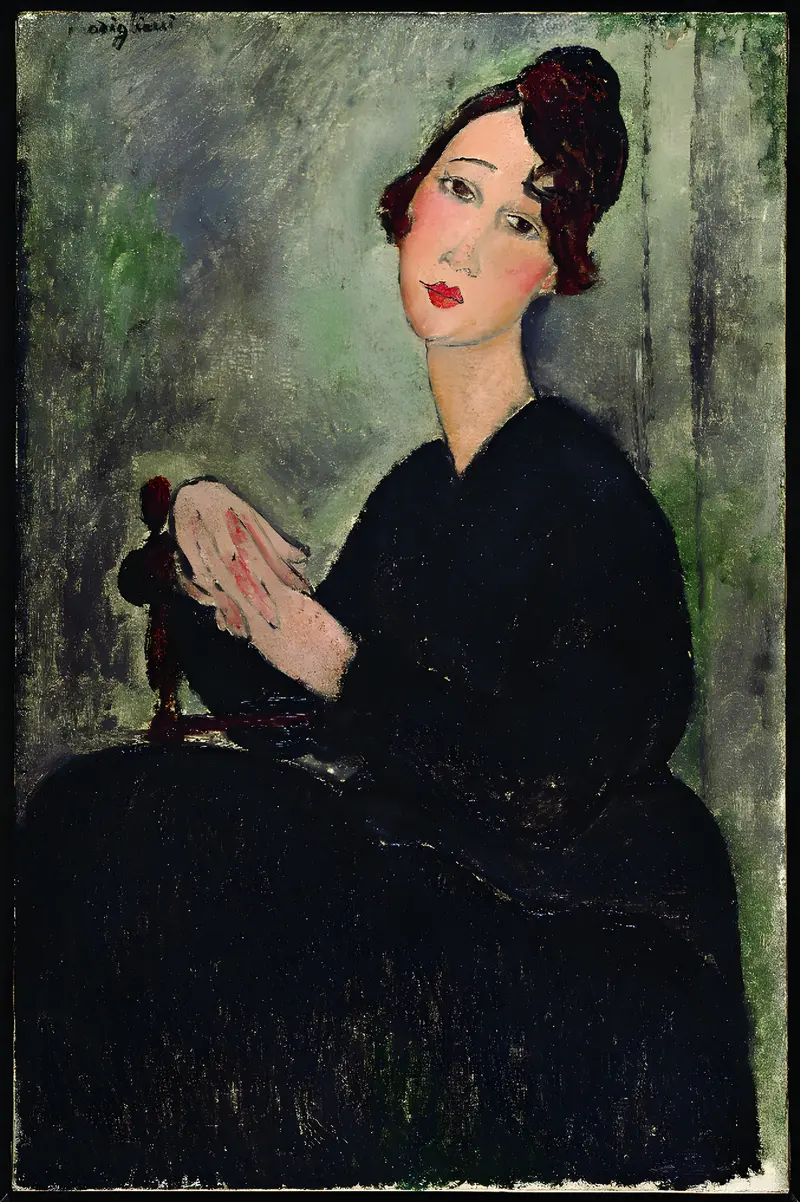
Portrait of Dedie
Amedeo Modigliani
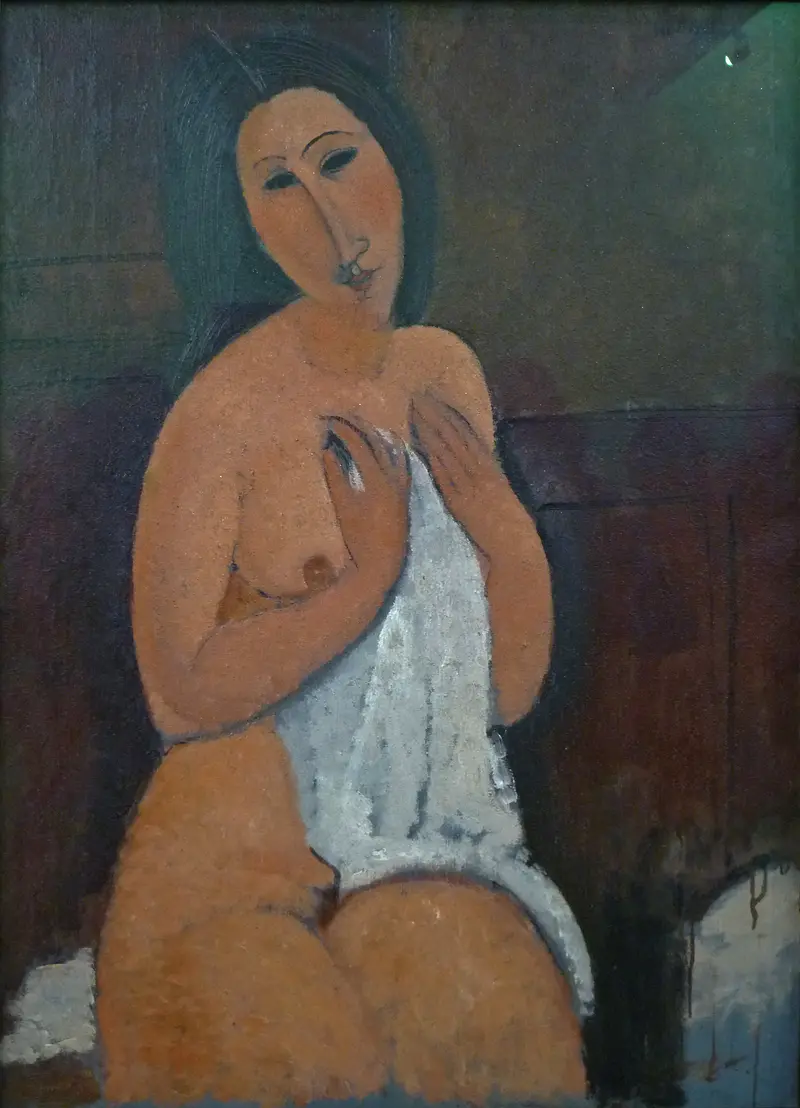
Seated nude with shirt
Amedeo Modigliani
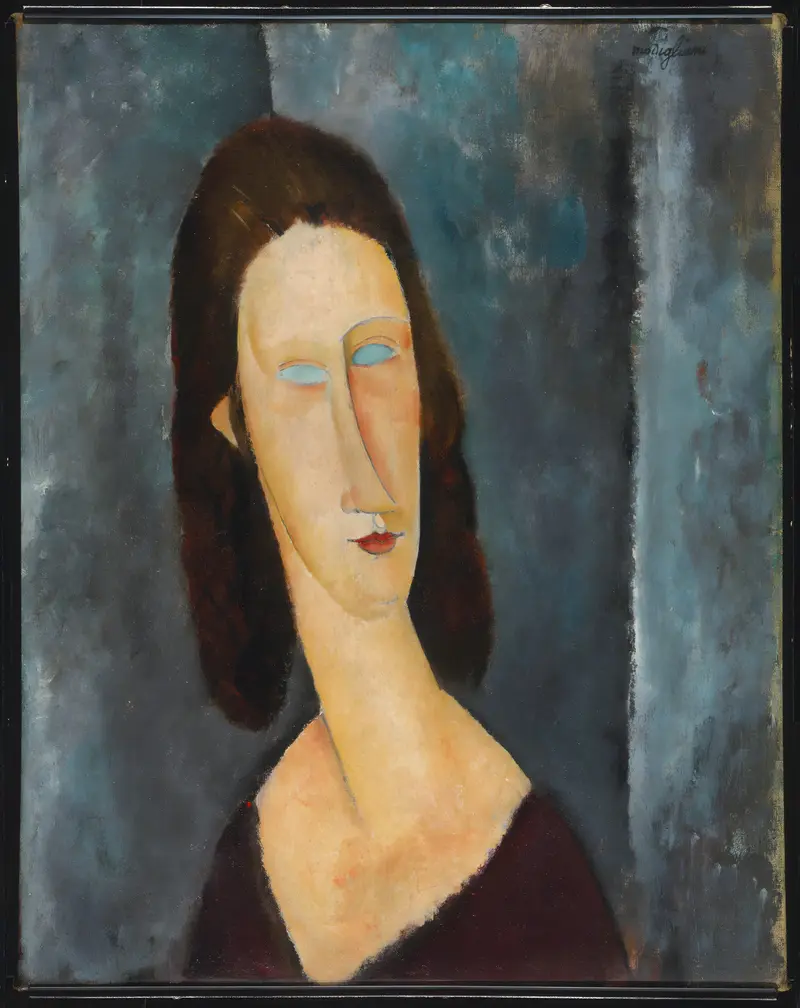
Blue Eyes (Portrait of Madame Jeanne Hébuterne)
Amedeo Modigliani
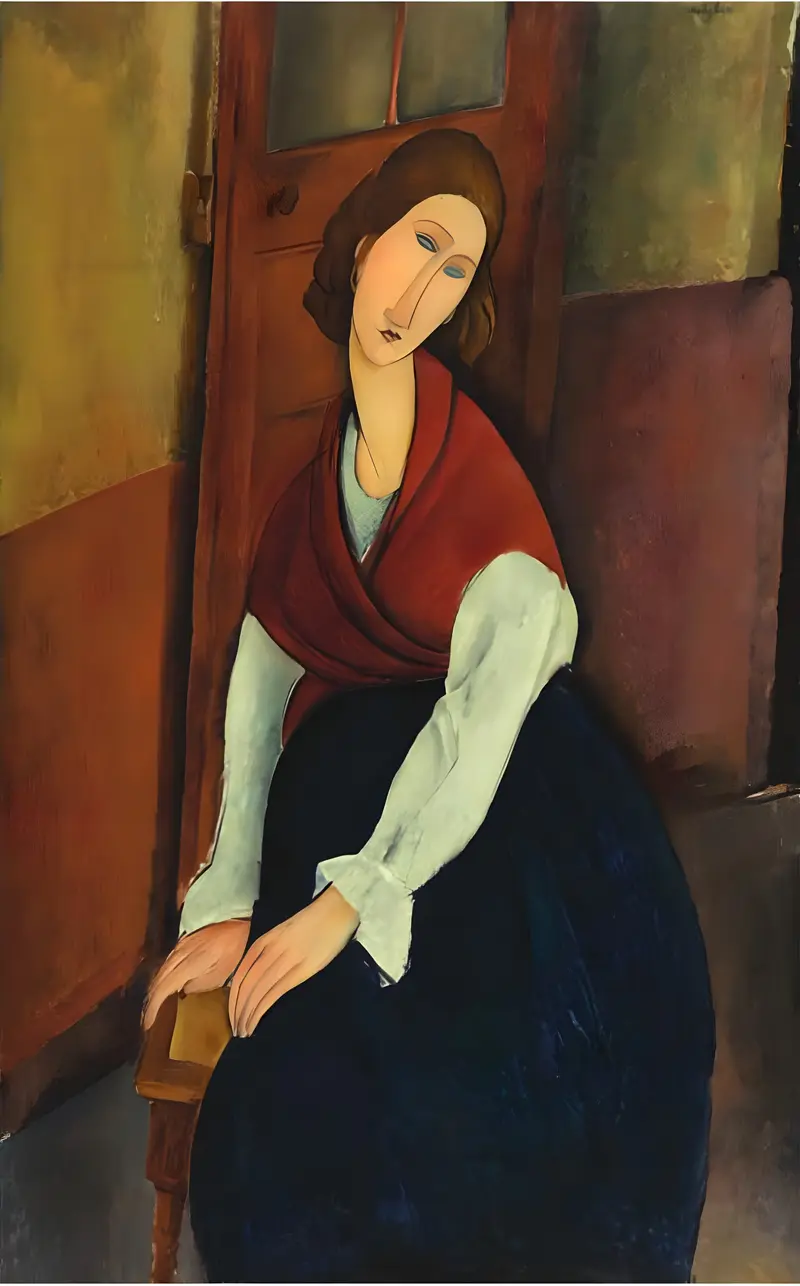
Jeanne Hebuterne in Red Shawl
Amedeo Modigliani





