
Boy with a Basket of Fruit — History & Facts
In the late 16th century, a young Caravaggio arrived in Rome with little more than his paintbrushes and a fierce hunger for recognition. Boy with a Basket of Fruit is widely believed to be among his earliest Roman works, painted around 1594 when he was barely in his twenties. The model is thought to be his friend and fellow artist Mario Minniti, who would appear in several of Caravaggio's paintings.
This canvas marks a turning point: it was shown to the influential Cardinal Francesco del Monte, whose patronage would launch Caravaggio’s meteoric career. The painting’s freshness and realism so impressed contemporaries that it was said to “seem to breathe.” The boy stands at the threshold of adolescence, his gaze both inviting and uncertain, arms heavy with a basket overflowing with fruit. Grapes glisten, apples and figs are rendered with such care that viewers can almost feel their weight.
The light falls sharply from the left, picking out the textures of skin and leaf, and casting deep shadows—a hallmark of Caravaggio's emerging style. Unlike earlier still lifes, such as those by Giuseppe Arcimboldo, the fruit here is not arranged into fantastical forms but presented with natural imperfection: a wormhole in a pear, a curling leaf, the blush of ripeness. The boy’s slightly parted lips and the sensual abundance of the basket hint at themes of youth, temptation, and fleeting beauty. The exact details of the painting’s early history remain uncertain, but it likely hung in the collection of Cardinal del Monte, who was Caravaggio's first great supporter.
Over the centuries, Boy with a Basket of Fruit passed through several hands before finding its home in the Galleria Borghese in Rome, where it remains today. The painting stands as a testament to Caravaggio’s early mastery of realism and his ability to invest even a simple genre scene with psychological depth. It is often cited as a key work in the transition from the refined mannerism of the late Renaissance to the directness and drama of the Baroque.
For Caravaggio, this canvas was a door to fame—and for viewers, it still offers a vivid encounter with the artist’s youthful ambition.
More Artworks by Caravaggio
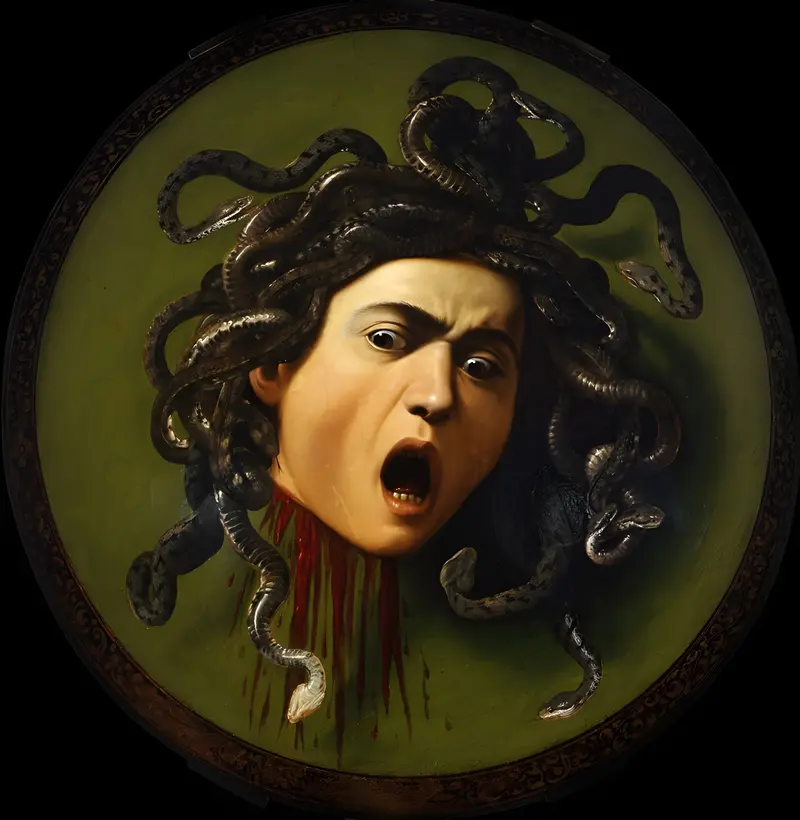
Medusa
Caravaggio
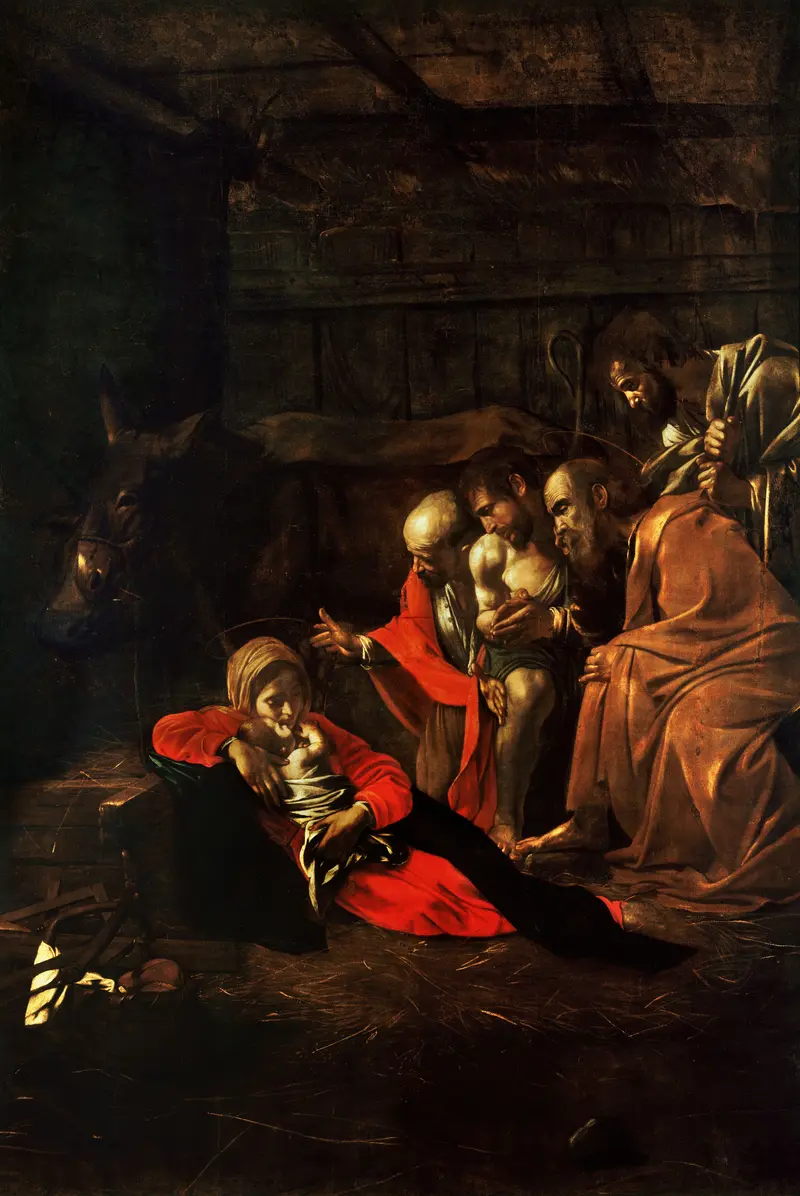
Adoration of the Shepherds
Caravaggio
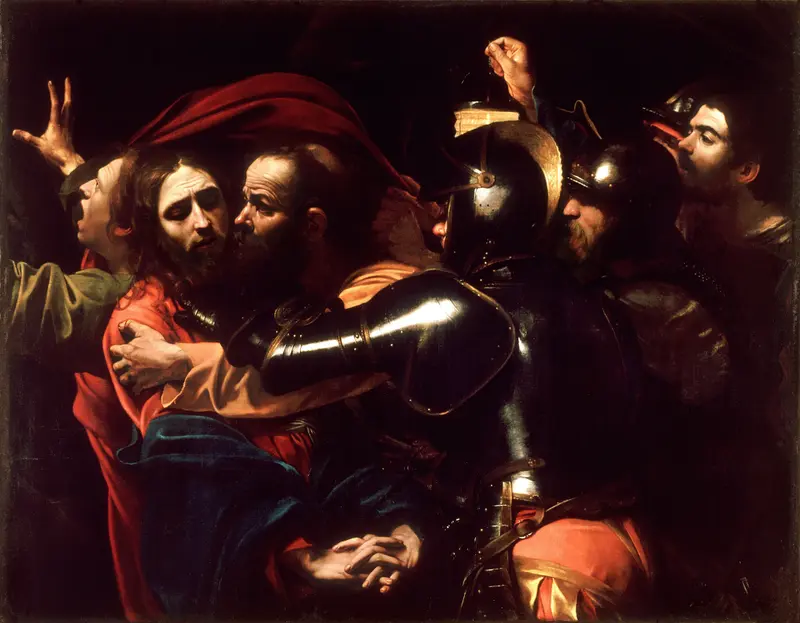
The Taking of Christ
Caravaggio
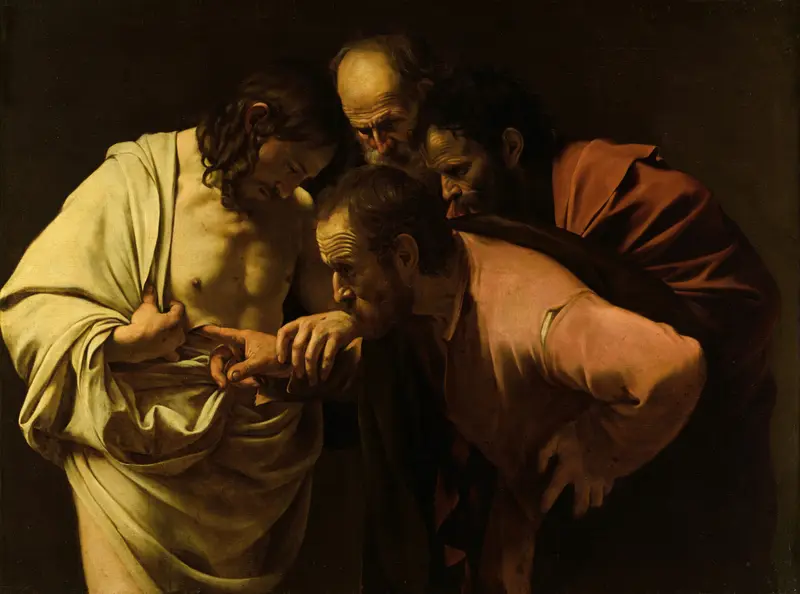
The Incredulity of Saint Thomas
Caravaggio
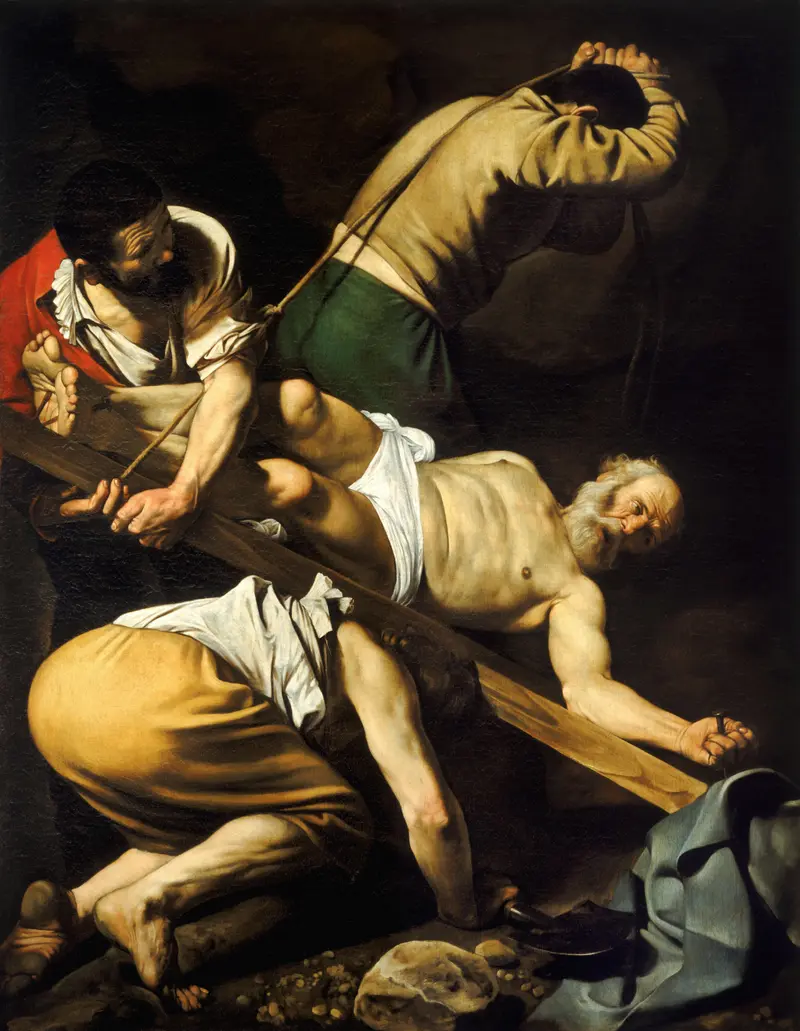
Crucifixion of Saint Peter
Caravaggio
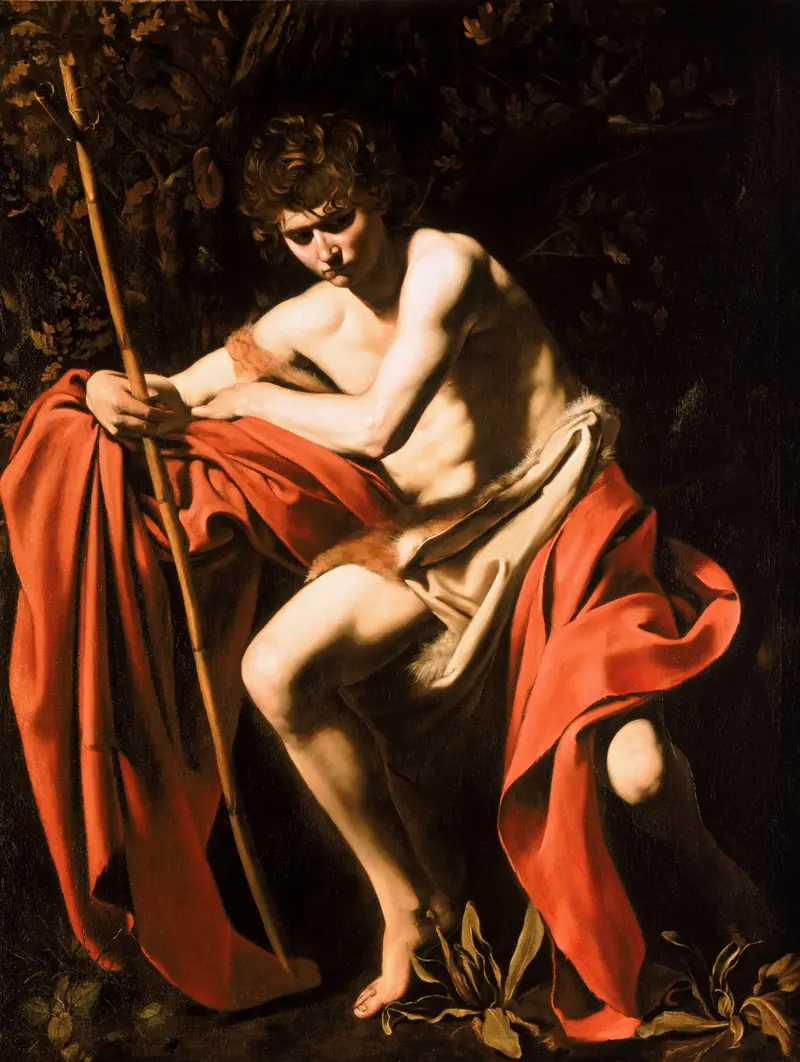
Saint John The Baptist In The Wilderness
Caravaggio

Saint Matthew and the angel
Caravaggio
The Inspiration of Saint Matthew
Caravaggio

Conversion on the Way to Damascus
Caravaggio
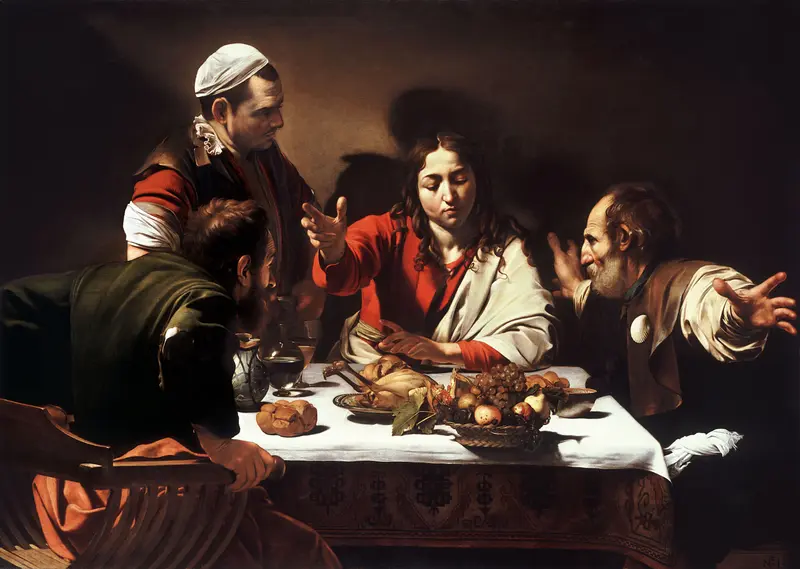
Supper at Emmaus
Caravaggio



