
Bridge of Courbevoie — History & Facts
When Georges Seurat painted Bridge of Courbevoie in 1880, he was just twenty-one and still years away from the scientific color theories that would define his later work. What makes this painting remarkable is that it offers a rare glimpse into Seurat’s formative years, before the pointillist technique of A Sunday Afternoon on the Island of La Grande Jatte would change the course of modern art. The exact medium remains uncertain, but the painting’s loose handling and atmospheric light suggest the influence of the Impressionists, whom Seurat admired but would soon move beyond.
This early canvas has become a touchstone for scholars tracing the evolution of his style. On the banks of the Seine at Courbevoie, a suburb just northwest of Paris, Seurat captures a quiet moment: the iron bridge stretches across the river, its structure softened by mist, while figures linger on the embankment below. The composition is balanced between the solid geometry of the bridge and the gentle play of light on water, with smoke from a distant chimney hinting at the industrial transformation of the city. The figures, rendered with minimal detail, seem absorbed in their own worlds, emphasizing a sense of urban solitude.
Unlike Claude Monet’s bustling depictions of Parisian bridges, Seurat’s scene is hushed, almost meditative, focusing on the subtle interplay of light, air, and human presence. The painting’s restrained palette and blurred contours point to Seurat’s early experiments with atmosphere and mood. While Bridge of Courbevoie does not have a well-documented provenance, it stands as an important example of the young artist’s exploration of modern life and landscape. There is no record of a patron or public exhibition at the time of its creation, and its whereabouts were largely unknown until it surfaced in the twentieth century.
Today, the painting is recognized as a precursor to Seurat’s later innovations, offering insight into his transition from academic training to the radical experiments of Neo-Impressionism. It is now held in a public collection, where it serves as a window into both the changing face of Paris and the early ambitions of one of its most original painters.
More Artworks by Georges Seurat
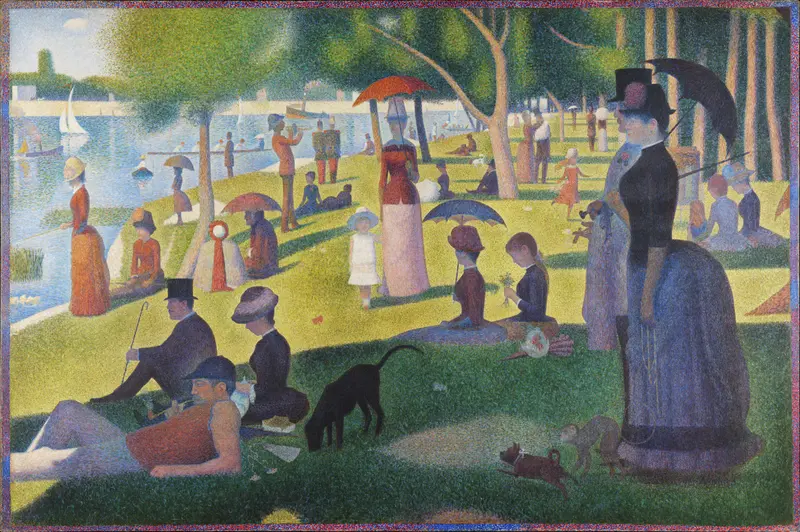
A Sunday Afternoon on the Island of La Grande Jatte
Georges Seurat
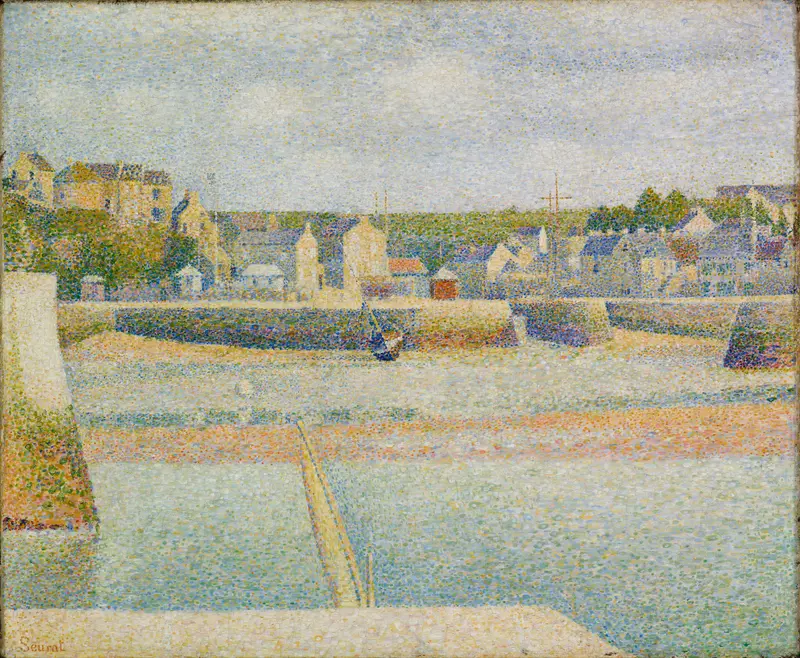
Port-en-Bessin, The Outer Harbor (Low Tide)
Georges Seurat
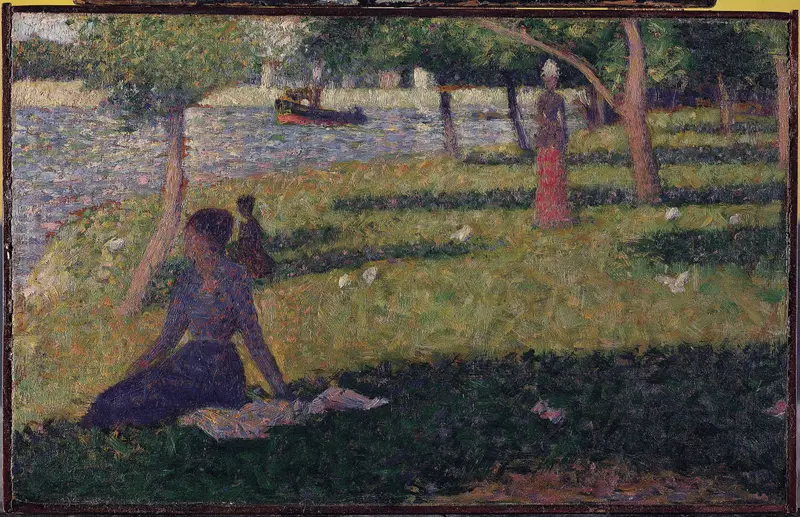
Étude pour ‘La Grande Jatte’ (Study for ‘La Grande Jatte’)
Georges Seurat
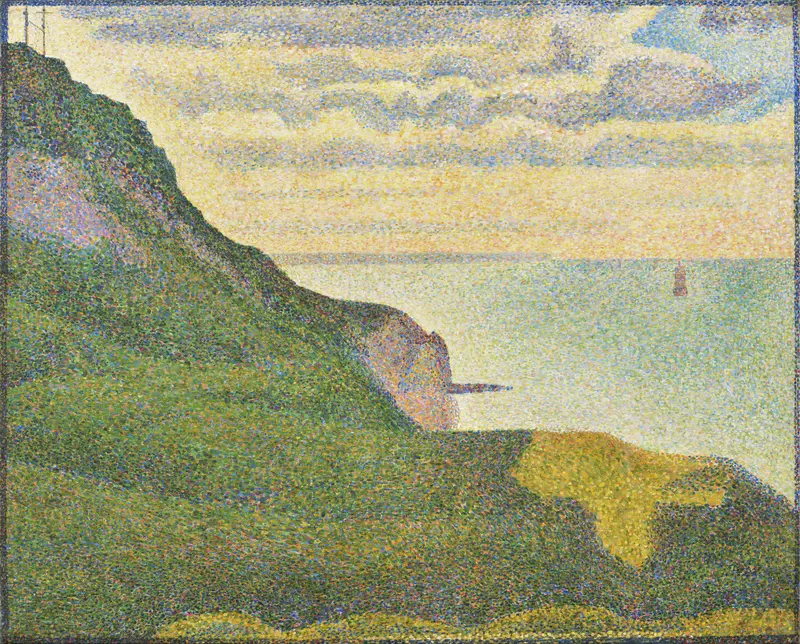
Seascape at Port-en-Bessin,Normandy
Georges Seurat
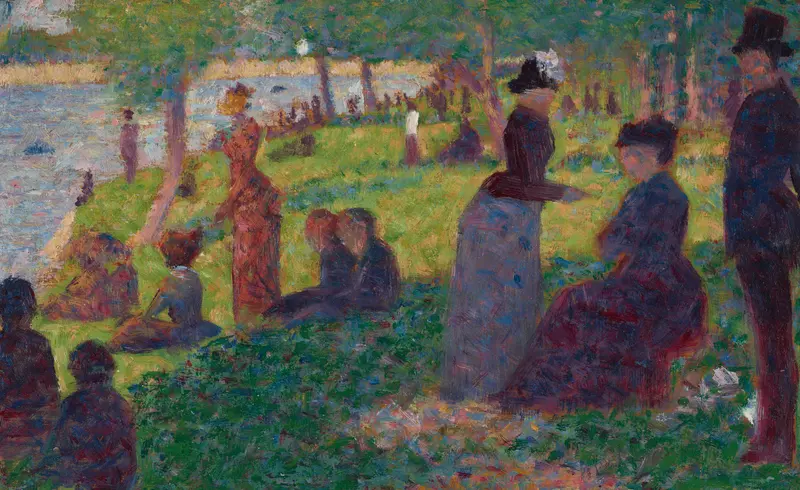
Oil Sketch for "A Sunday on La Grande Jatte — 1884"
Georges Seurat
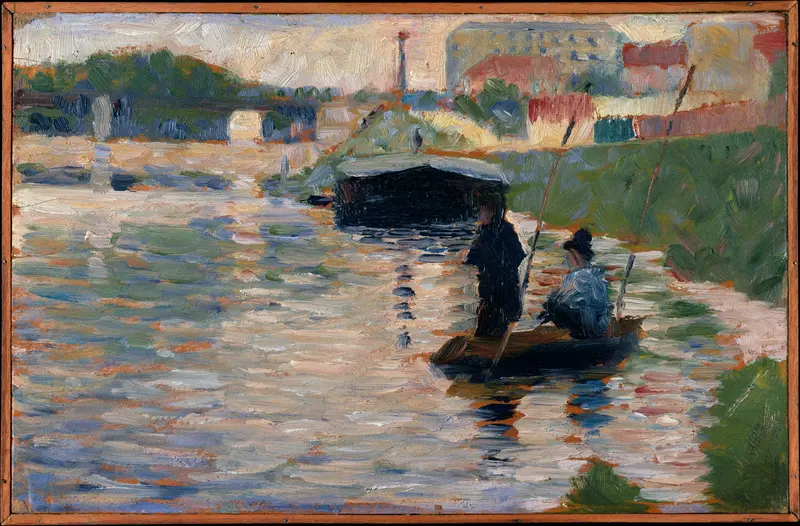
View of the Seine
Georges Seurat
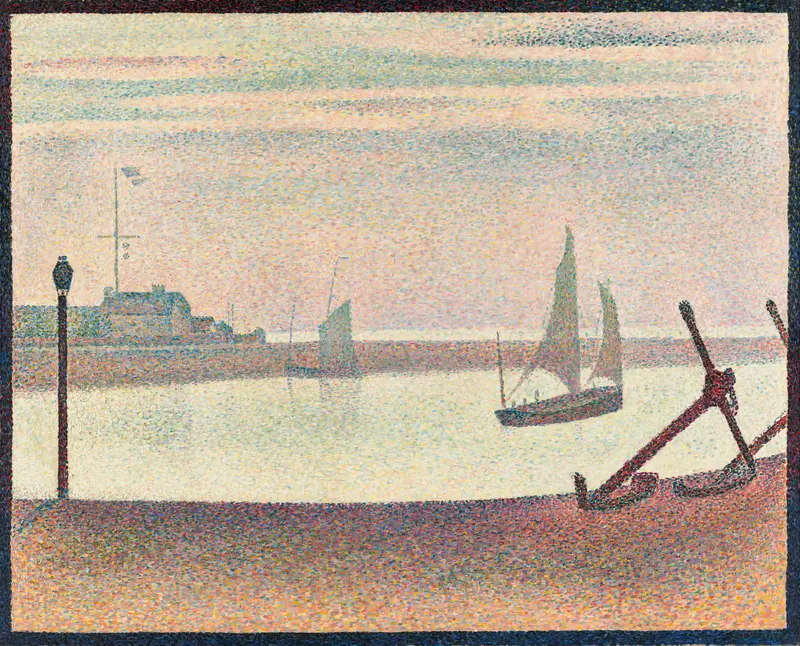
The Channel at Gravelines, Evening
Georges Seurat
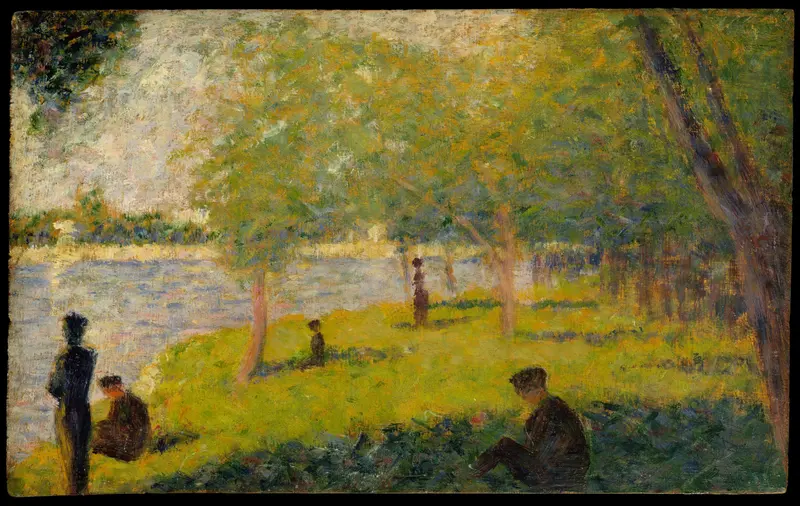
Study for ‘A Sunday on La Grande Jatte’
Georges Seurat
Study for A Sunday on La Grande Jatte
Georges Seurat
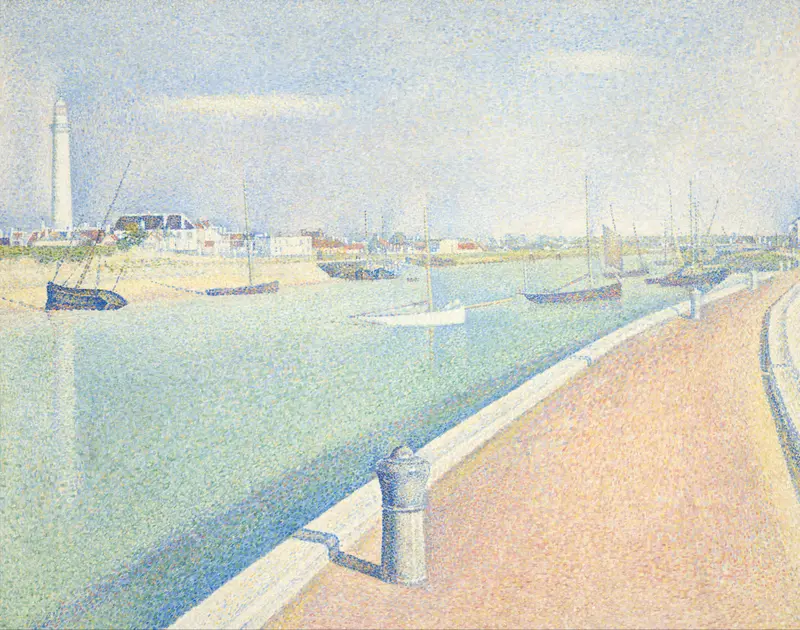
The Channel of Gravelines, Petit Fort Philippe
Georges Seurat
More Landscape Art

The Starry Night
Vincent van Gogh

View of Delft
Johannes Vermeer

Water Lilies
Claude Monet

The Grand Canal, Venice, looking north-west from the Ca' Corner to the Ca' Contarini degli Scrigni, with the campanile of Santa Maria della Carità
Canaletto

Windsor Castle
Canaletto

The Grand Canal looking North-East from the Palazzo Dolfin-Manin to the Rialto Bridge
Canaletto