
Brougham Castle — History & Facts
What if beauty was never meant to be finished? The haunting allure of Brougham Castle invites us to ponder the very essence of imperfection and the madness that accompanies creation. Look to the foreground, where the crumbling stones of the castle rise defiantly against the soft embrace of the landscape. The artist's brushwork reveals a textured richness, accentuating the decay intermingled with the lush greenery. Notice how the overcast sky looms overhead, casting a subdued light that envelops the scene in melancholic shadows, while dappled sunlight breaks through, illuminating patches of the castle’s ancient facade.
This interplay of light and darkness not only enhances the fortress's weathered beauty but also embodies the tension between nature's resilience and human fragility. As you reflect deeper, the towered silhouette of the castle becomes a metaphor for ruin and resilience—standing proud yet vulnerable to the ravages of time. The careful balance between the organic contours of the surrounding hills and the stark geometry of the castle's architecture speaks to the juxtaposition of civilization against the wild beauty of nature. Disquiet lingers in the air, hinting at the madness of ambition that drives humanity to erect such monuments, only to watch them succumb to the very elements that once inspired them. In 1825, Theodore Henry Adolphus Fielding created this work in England, a time when Romanticism flourished, influencing artists to explore themes of nature and emotion.
Fielding, known for his landscapes, found inspiration in the ruins that dotted the English countryside, reflecting both the beauty and decay of eras past. His approach in Brougham Castle captures a moment where history, art, and nature converge, revealing a world caught between glory and madness.
More Artworks by Theodore Henry Adolphus Fielding
Browse all →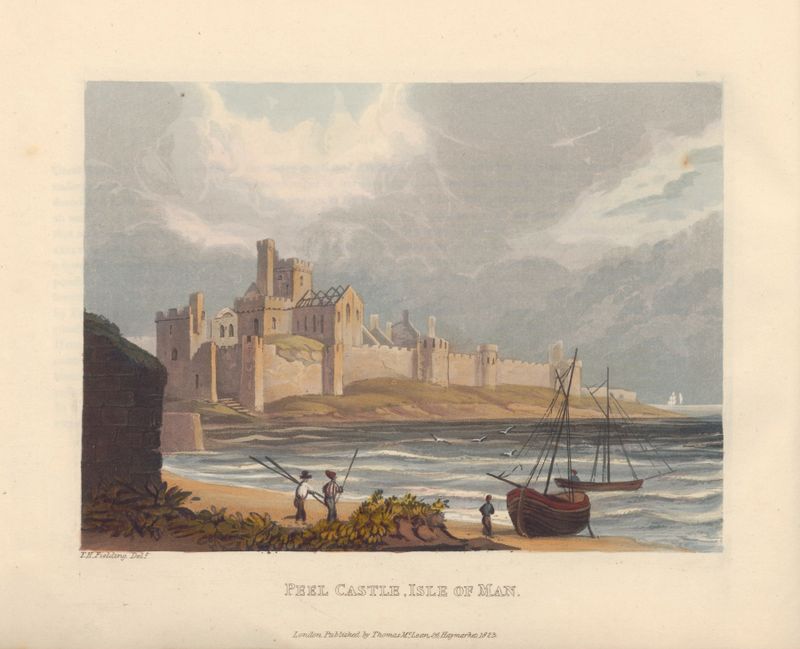
Peel Castle, Isle of Man
Theodore Henry Adolphus Fielding
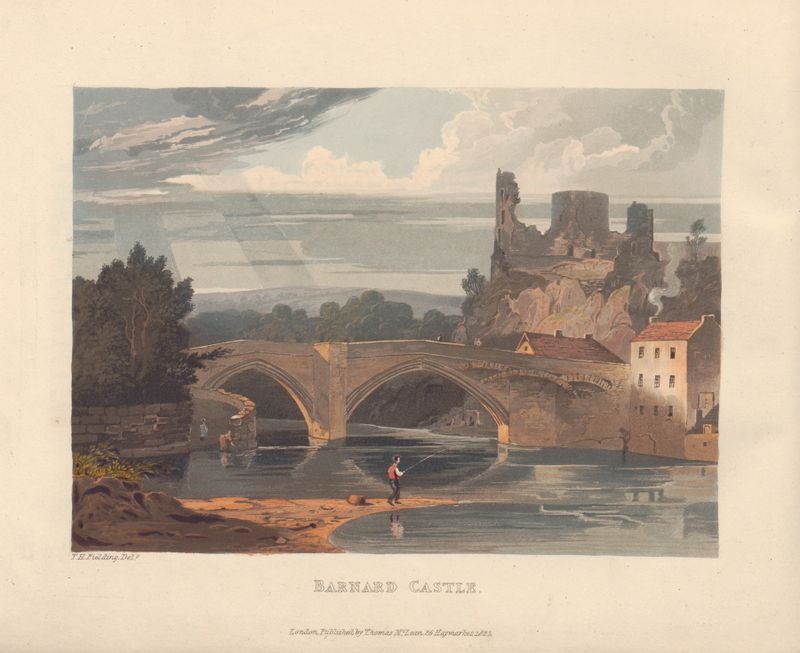
Barnard Castle
Theodore Henry Adolphus Fielding
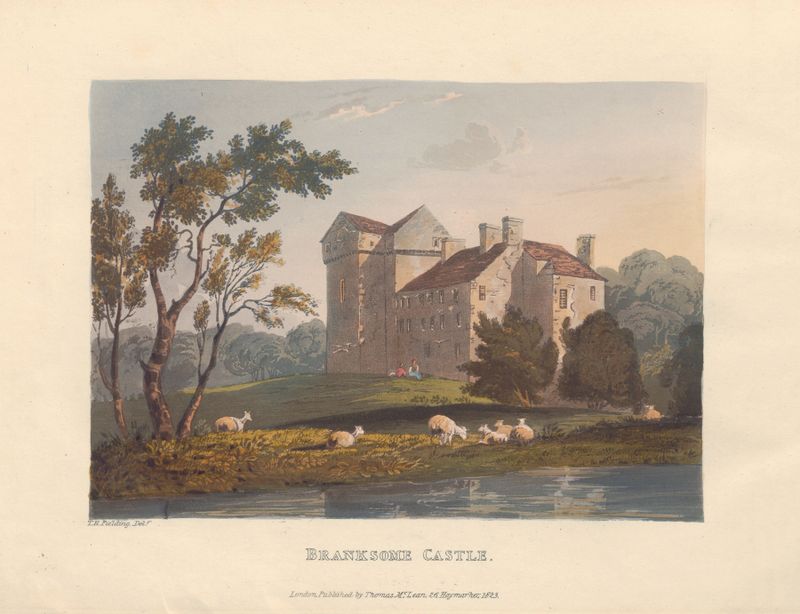
Branksome Castle
Theodore Henry Adolphus Fielding
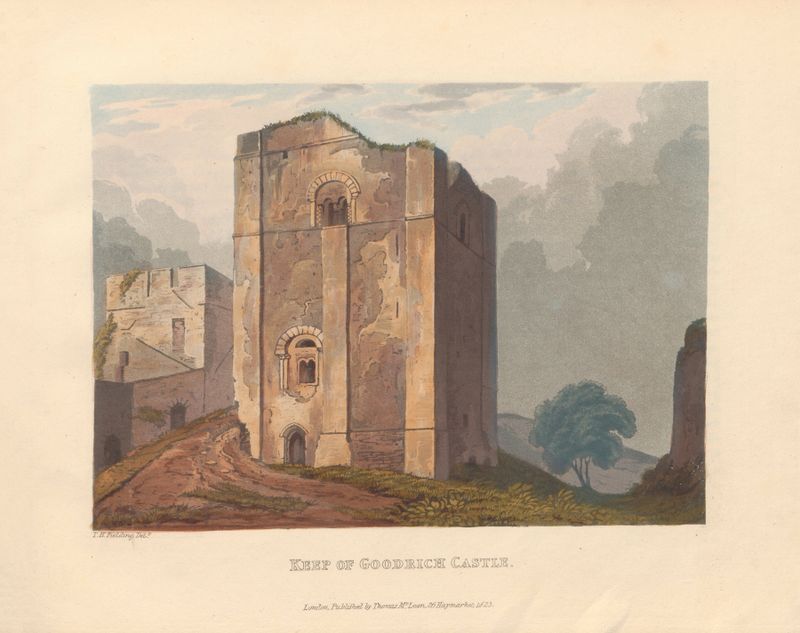
Keep of Goodrich Castle
Theodore Henry Adolphus Fielding
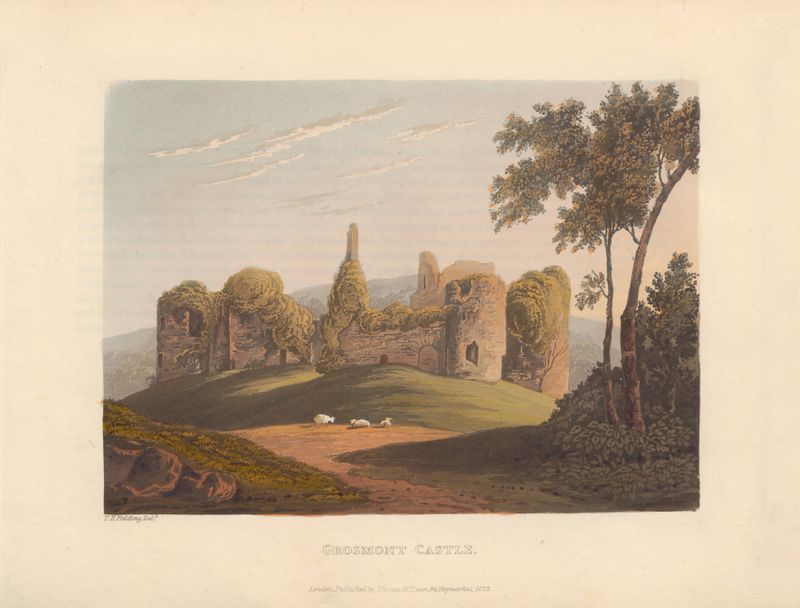
Grosmont Castle
Theodore Henry Adolphus Fielding
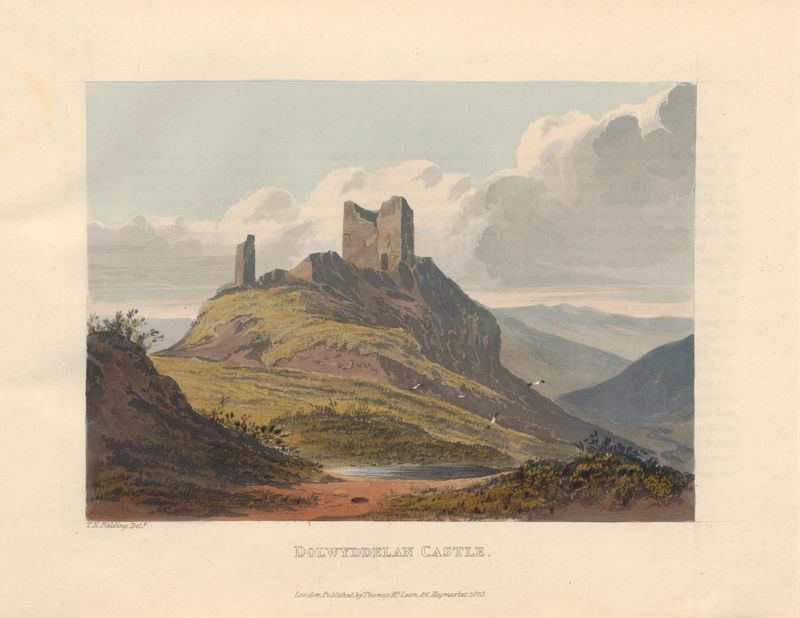
Dolwyddelan Castle
Theodore Henry Adolphus Fielding
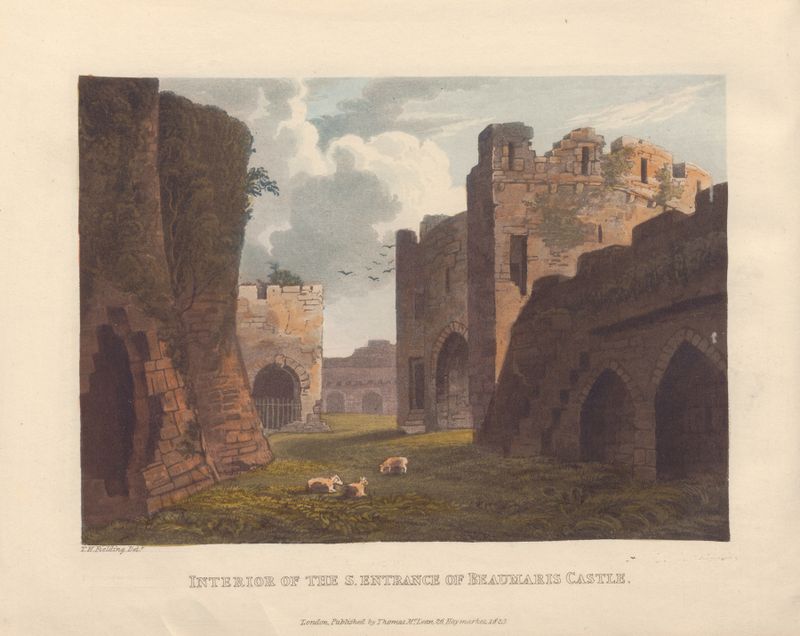
Interior of the south entrancce of Beaumaris Castle
Theodore Henry Adolphus Fielding
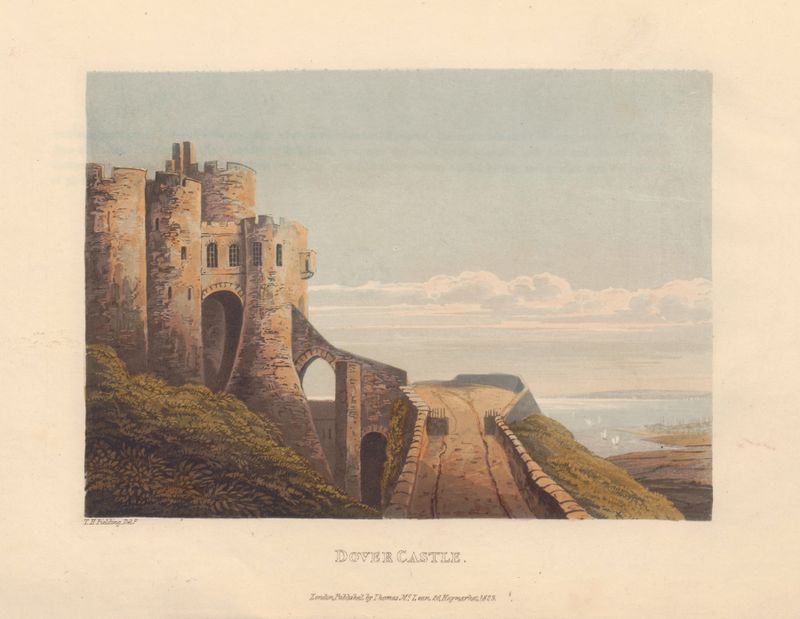
Dover Castle
Theodore Henry Adolphus Fielding
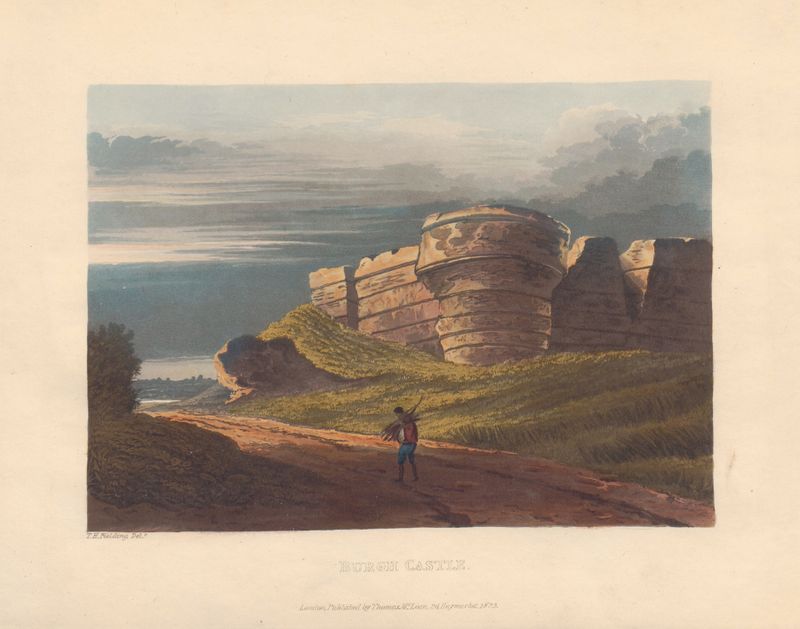
Burgh Castle
Theodore Henry Adolphus Fielding
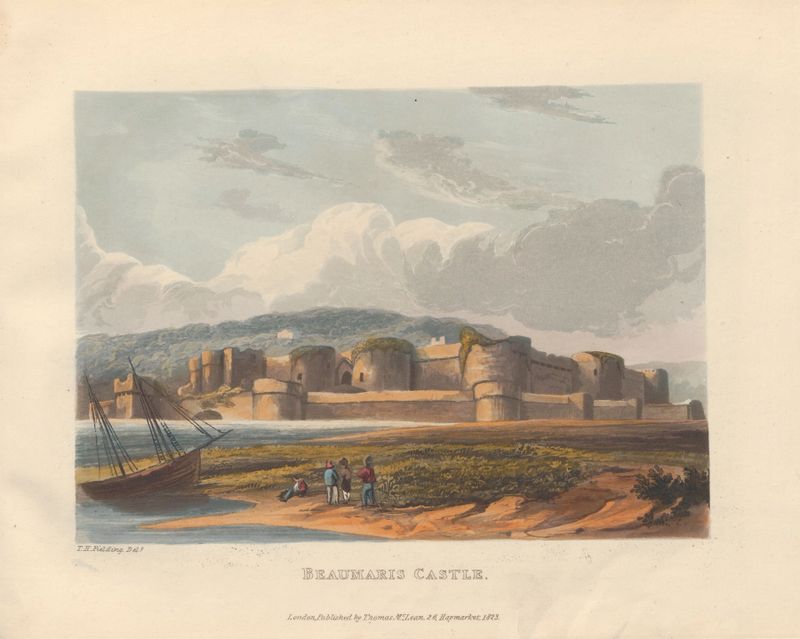
Beaumaris Castle
Theodore Henry Adolphus Fielding
More Architecture Art
Browse all →
The statue of Liberty
Frédéric Auguste Bartholdi

View of Houses in Delft, Known as ‘The Little Street’
Johannes Vermeer

View of Houses in Delft, Known as ‘The Little Street’
Johannes Vermeer

The Cathedral in Rouen. The portal, Grey Weather
Claude Monet

The yellow house
Vincent van Gogh

The Church in Auvers-sur-Oise, View from the Chevet
Vincent van Gogh