
Brug — History & Facts
Did the painter know this moment would outlive them? In Brug, Spilliaert conjures a haunting stillness that echoes the pervasive loneliness within us all. Look to the center of the canvas, where a solitary figure is enveloped in shadow, standing at the water's edge. The interplay of muted blues and grays captures the chill of isolation, while the shimmering reflections of muted light on the water suggest both depth and distance. The minimalist landscape, with its stark contrast between the figure and the expansive, empty surroundings, serves to emphasize the poignant separation from the world. The loneliness depicted here is palpable, yet it resonates with deeper layers of contemplation.
The figure, turned away from the viewer, prompts questions about identity and belonging, searching for connection in a vast, indifferent universe. The swirling textures of the water mirror the inner turmoil of the subject, while the overarching stillness mutely expresses the weight of solitude. In this space, one feels both the tension of yearning and the quiet acceptance of isolation. Léon Spilliaert painted Brug in 1930 while living in Belgium, a time marked by personal struggles and a keen exploration of existential themes.
Emerging from a period that was both artistically rich and tumultuous, Spilliaert's work reflects a growing sense of introspection and melancholy that aligned with the broader avant-garde movements of his time. His exploration of solitude and illumination in this piece reveals a profound engagement with the emotional landscape of the human experience.
More Artworks by Léon Spilliaert
Browse all →
Beachview at night
Léon Spilliaert

Strand met maan
Léon Spilliaert

De zeedijk te Oostende van op het staketsel gezien
Léon Spilliaert
Het huis genaamd ‘De Preekstoel’ te Oostende
Léon Spilliaert

Vijgenboom in de winter, Grasse
Léon Spilliaert
De Keignaertkreek in Zandvoorde
Léon Spilliaert
Haven te Oostende
Léon Spilliaert
Le Phare aux signaux [De vuurtoren]
Léon Spilliaert
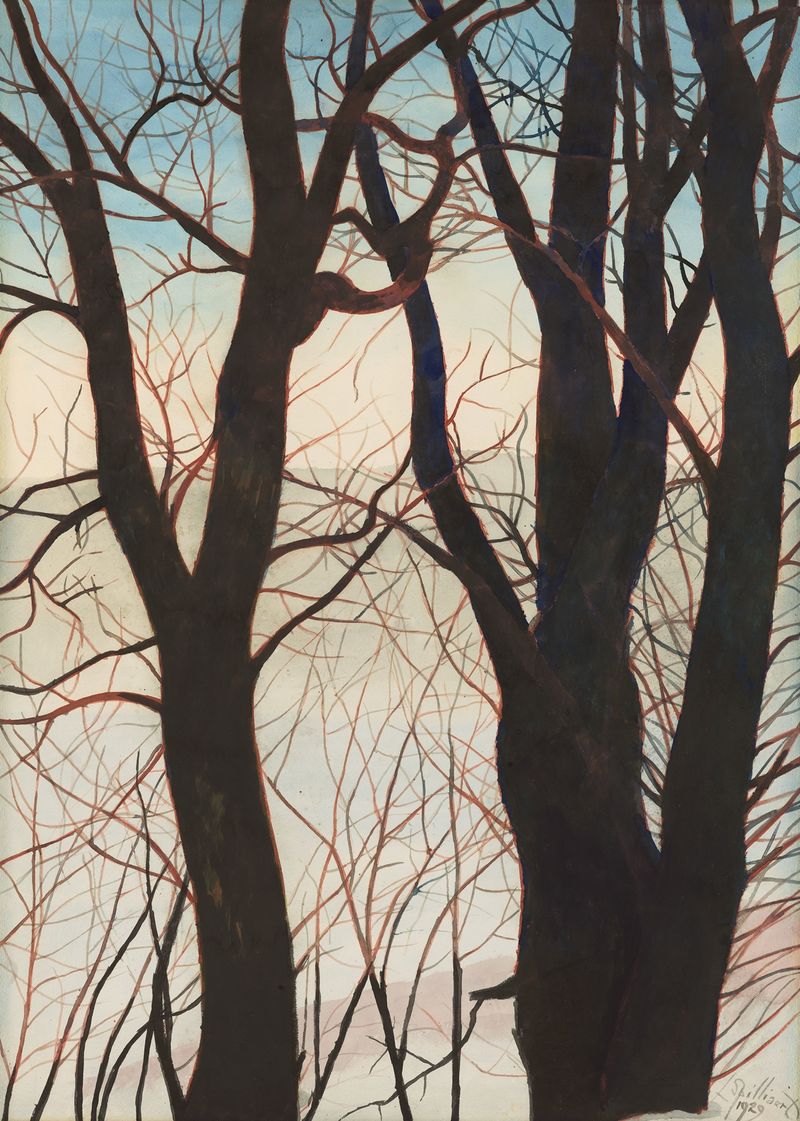
Bomen in de sneeuw
Léon Spilliaert
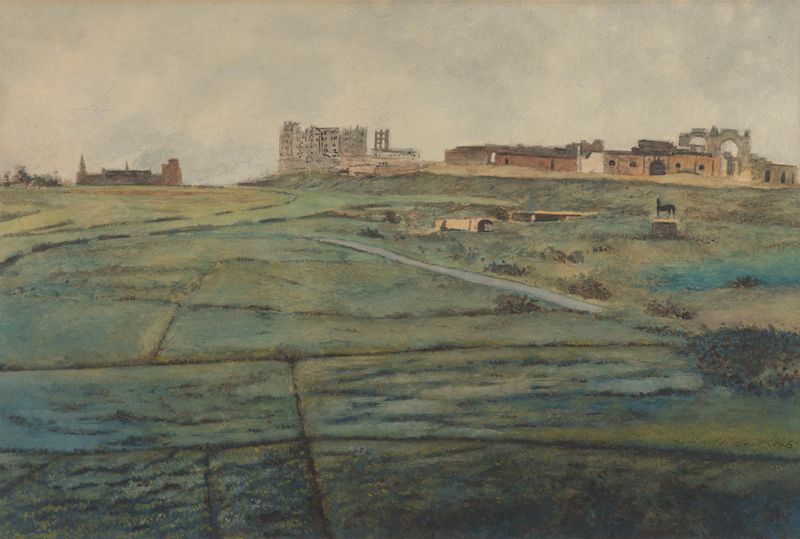
De Wellingtonrenbaan en het Royal Palace Hotel te Oostende kort na de Tweede Wereldoorlog
Léon Spilliaert





