
Bruiloft te Kana — History & Facts
What if beauty was never meant to be finished? In Bruiloft te Kana, the essence of fleeting joy and unfulfilled promise coalesce within a moment poised between celebration and upheaval. Look closely at the intricate details that fill the scene. Start by examining the group on the left, where figures dance in vibrant garments, their joyful expressions etched in the delicate lines of etching. The movement is palpable; you can almost hear the laughter echoing in the air.
Notice how the light falls on the festooned archway above, casting shadows that create a sense of depth and urgency, suggesting that this carnival of life teeters on the brink of something darker. Beneath the festivity lies a tension that speaks to broader social upheaval. The lavish attire contrasts sharply with the somber expressions of a few onlookers, hinting at a class divide that looms over the celebration. This juxtaposition of joy and anxiety invites a reflection on the fleeting nature of happiness in tumultuous times, a reminder that revelry can mask the reality of impending change. Jacques Callot created this etching between 1621 and 1625, a period marked by a growing sense of unrest in France and beyond.
Living in Nancy, he was surrounded by a world inching toward revolution, where the vibrancy of life often collided with the shadows of social disparity. It was a time when art became a powerful vehicle for commentary, capturing the essence of a society on the brink of transformation.
More Artworks by Jacques Callot
Browse all →
Titelprent voor de prentreeks 'De kleine apostelen' (Het martelaarschap van de apostelen)
Jacques Callot
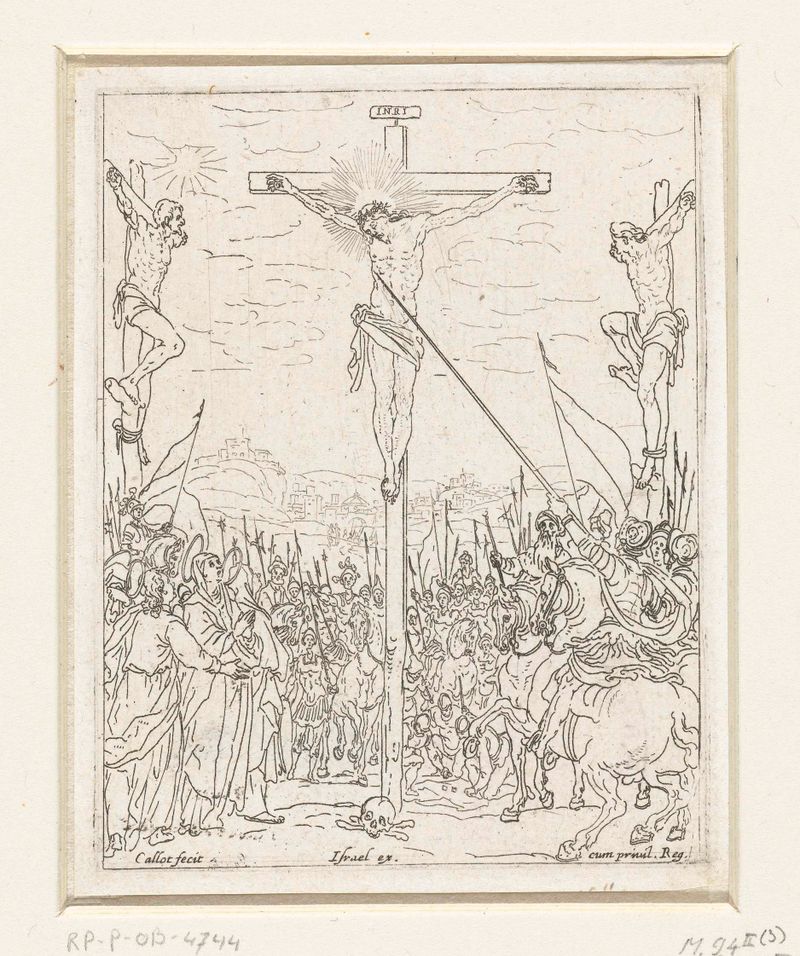
Kruisiging
Jacques Callot

De doortocht door de Rode Zee
Jacques Callot

De verloren zoon als zwijnenhoeder
Jacques Callot

Annunciatie
Jacques Callot
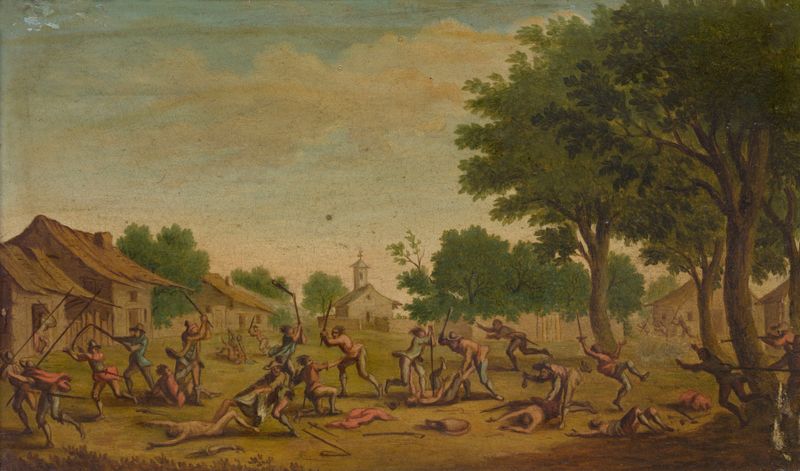
Village Fight
Jacques Callot

Titelprent voor prentreeks 'Het leven van Maria'
Jacques Callot
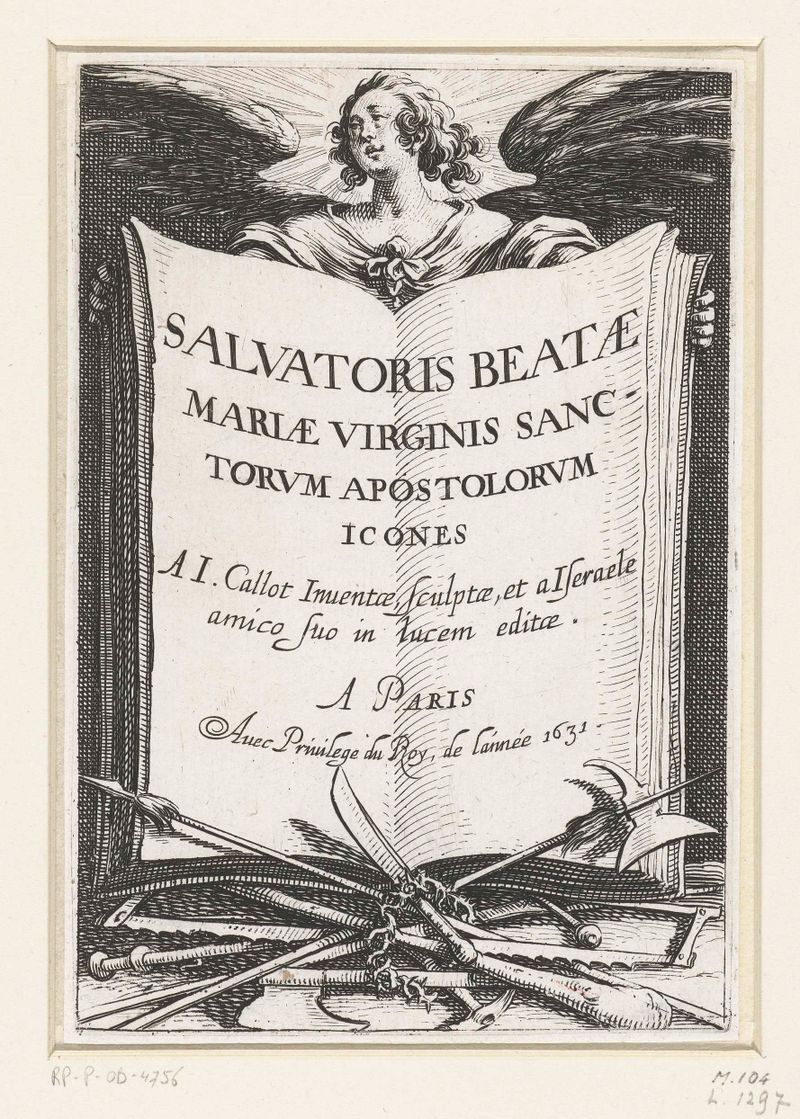
Titelprent voor de prentreeks 'De grote apostelen' (Christus, Maria en de apostelen)
Jacques Callot

Christus aan het volk getoond (Ecce homo)
Jacques Callot
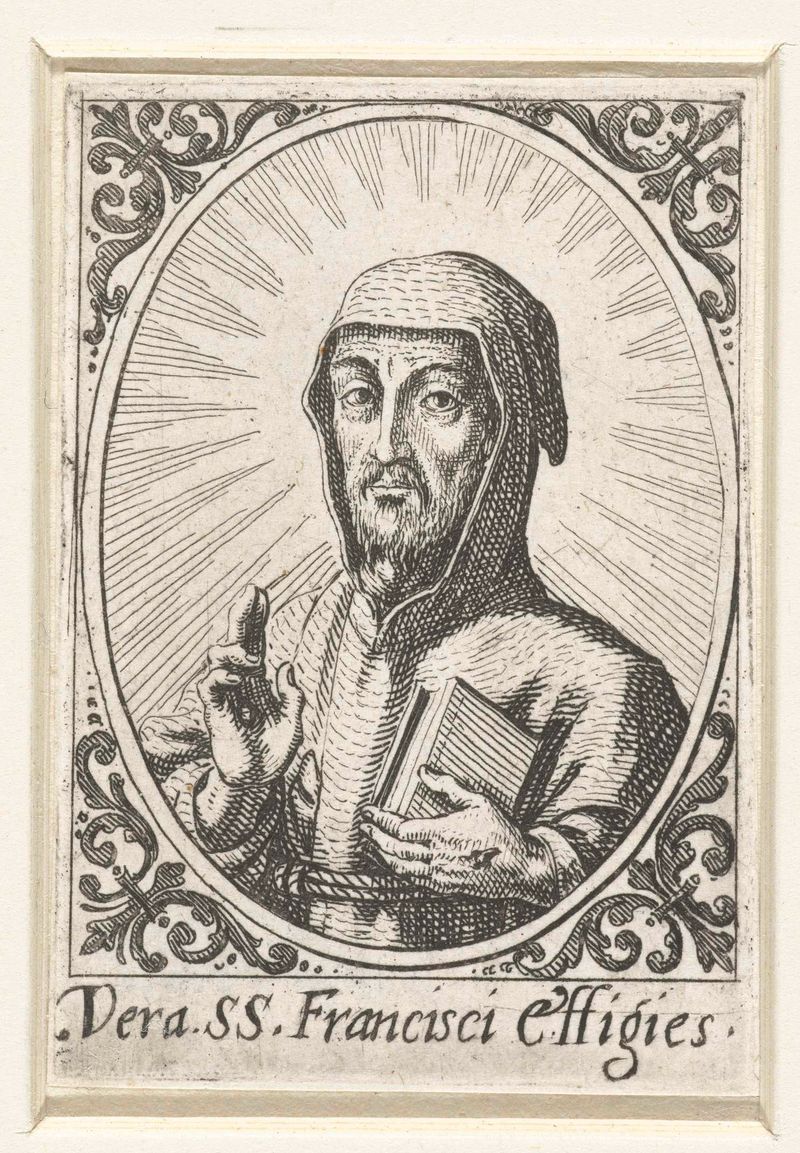
Portret van de Heilige Franciscus
Jacques Callot





