
Bust of an old man — History & Facts
What first catches the eye in Bust of an old man by Abraham Bloemaert is the piercing, sidelong glance of its sitter—an expression that seems to hold both skepticism and weary humor. The play of light across the man's weathered face draws out every crease and hollow, suggesting a life marked by experience rather than comfort. His battered hat, cocked at an angle, and the simple, earth-toned clothing place him far from the world of courtly portraiture; this is a study in character, not status.
The artist’s brush lingers on the flushed cheeks and wiry beard, inviting us to imagine the stories behind those features. The background, a muted brown, offers no distraction: all attention is funneled to the face, where the real drama unfolds. Works like this, created in the late 16th or early 17th century, flourished in the Northern European tradition of character studies—often called “tronies”—that explored the expressive range of the human face. Painters such as Bloemaert were admired for their ability to capture not just a likeness, but a mood or type, often for use as studies in larger compositions or simply as exercises in observation.
The period between 1576 and 1651, when this piece was made, was one of artistic innovation in the Dutch Republic, with artists catering to a growing middle-class market eager for images that reflected everyday life and real people. Though the specific history of this painting is largely unrecorded, its presence in a modern collection reminds us how these faces from the past still meet our gaze, asking us to look closer and wonder.
More Artworks by Abraham Bloemaert

Adam and Eve
Abraham Bloemaert
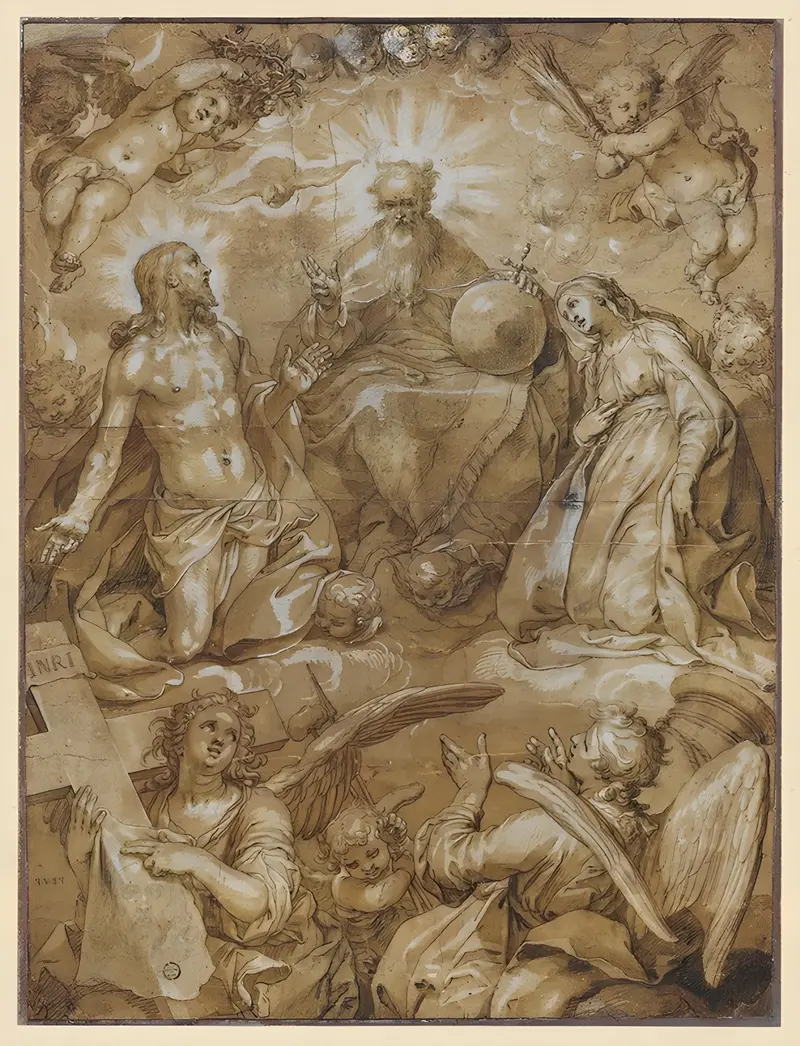
Intercession of Christ and Mary before God the Father
Abraham Bloemaert
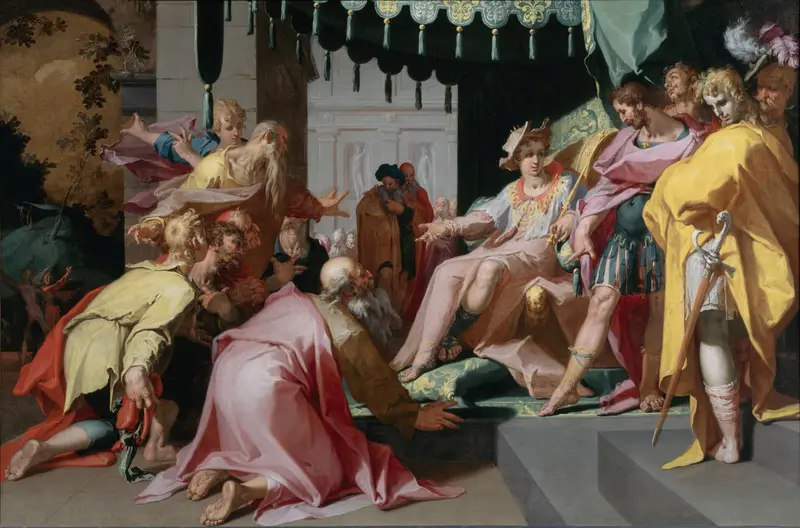
Joseph and his Brothers
Abraham Bloemaert
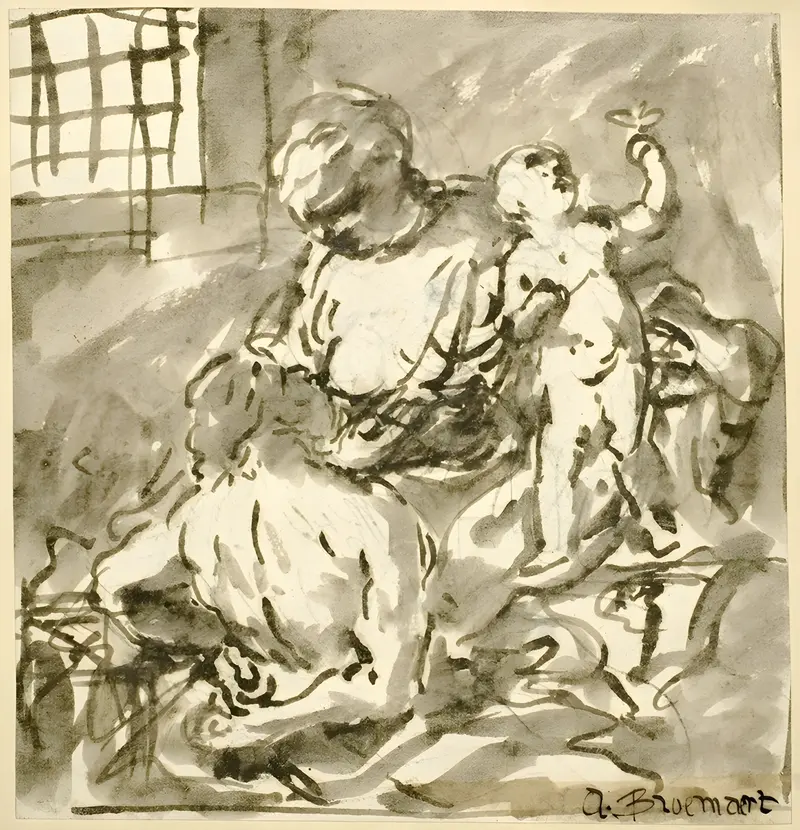
Caritas Romana
Abraham Bloemaert
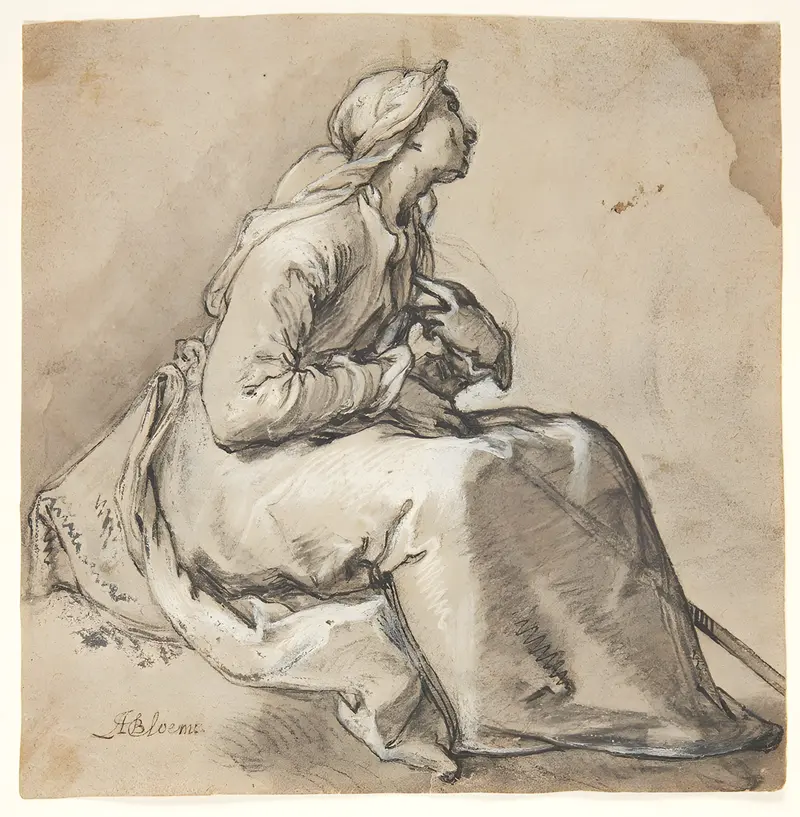
A seated woman facing right
Abraham Bloemaert
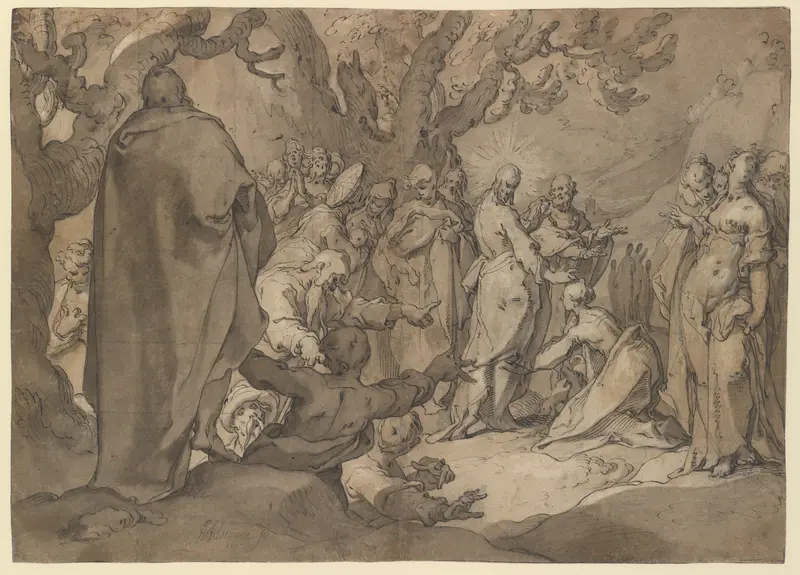
Christ and the Canaanite Women
Abraham Bloemaert
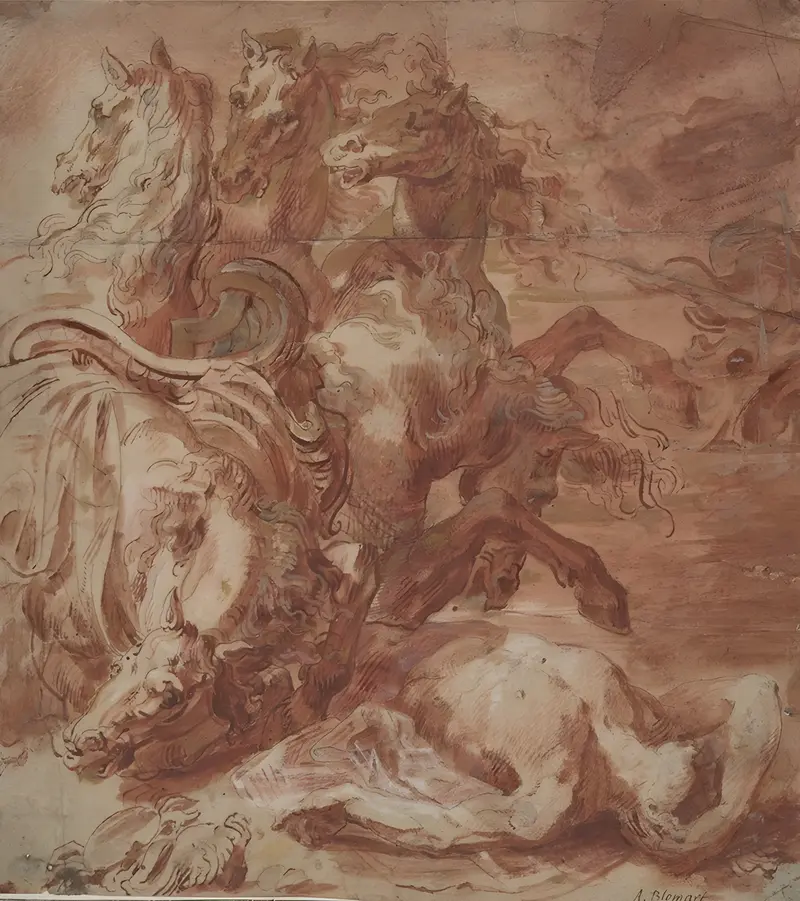
Hippolytus
Abraham Bloemaert
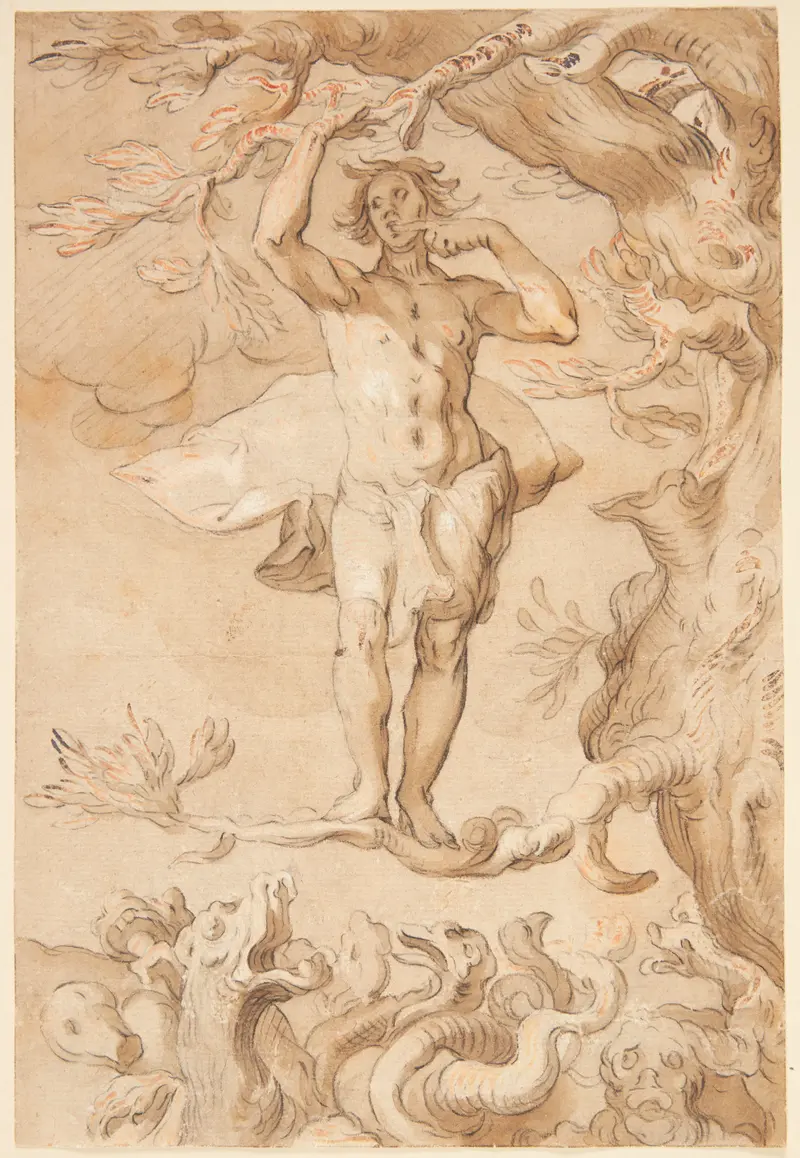
Den menneskelige glædes skrøbelighed En mand, der jages af en drage, klynger sig til en gren, mens han slikker honning af sin finger
Abraham Bloemaert

Moses Striking the Rock
Abraham Bloemaert
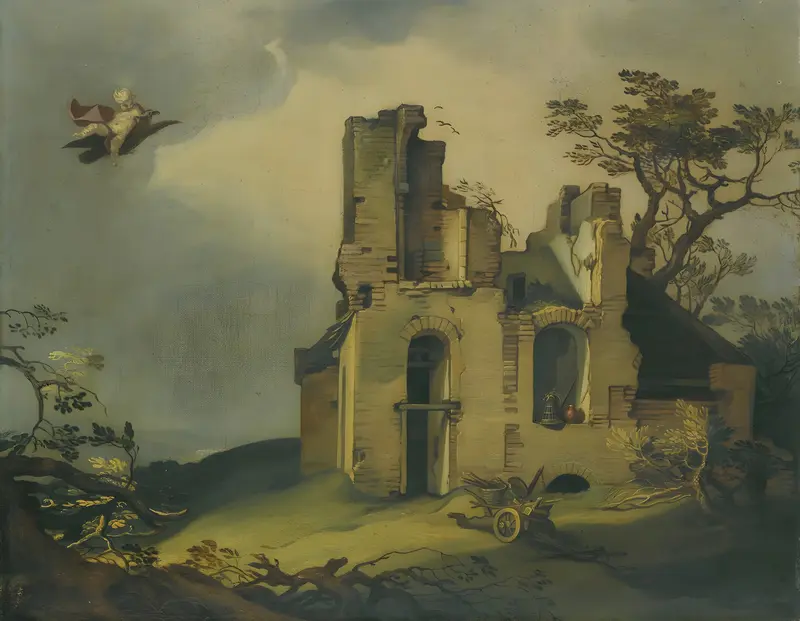
A Landscape With Ruins, With The Rape Of Ganymede
Abraham Bloemaert





