
The Lamp Lighter — History & Facts
In the delicate capture of a fleeting moment, The Lamp Lighter invites us to reflect on the legacy of light and shadows in our lives. This striking work beckons viewers to consider the uncelebrated yet essential roles of everyday life, illuminating the dignity embedded in humble acts. Focus on the figure to the left, a solitary man poised with a lamp in hand, his gentle but purposeful gesture frozen in time. Notice how the glow of the lantern spills warmth into the encroaching twilight, contrasting the cool blues and grays of the surrounding evening sky.
The interplay of light and shadow not only defines the character’s form but also enhances the serene yet poignant atmosphere, evoking a sense of transition from day to night. Amidst this tranquil scene lies a deeper narrative of transition and forgotten contributions. The lamp lighter embodies the fleeting nature of remembrance, as his labor goes unnoticed in the hustle of daily life. The surrounding architecture, while solid and enduring, symbolizes the passage of time, suggesting that even the most routine tasks can hold profound significance.
Here, legacy intertwines with anonymity, reminding us of the quiet heroes who illuminate our paths, both literally and metaphorically. In the 1870s, Chappel painted this work during a period marked by the industrial revolution and urban expansion. Artists were increasingly drawn to the themes of modernity and everyday life, reflecting societal changes and the experiences of common people. As he encapsulated this moment in the hustle of a growing city, Chappel contributed to the evolving narrative of art, where the mundane became worthy of celebration and remembrance.
More Artworks by William P. Chappel
Browse all →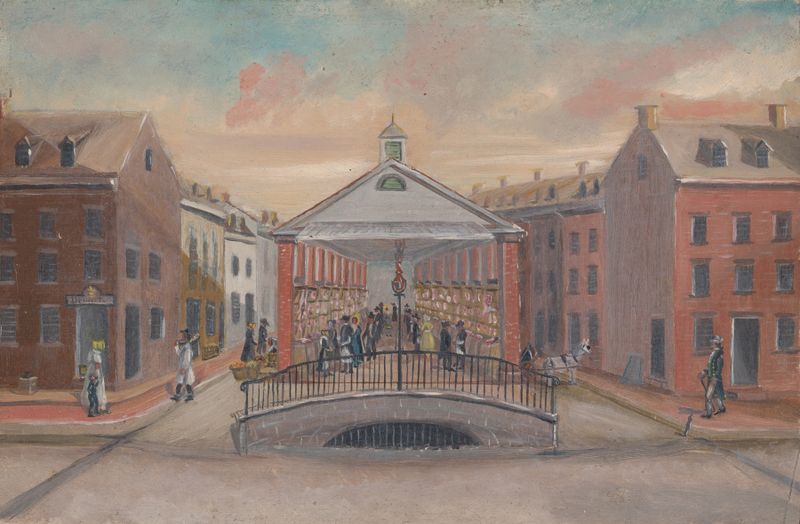
Fly Market
William P. Chappel
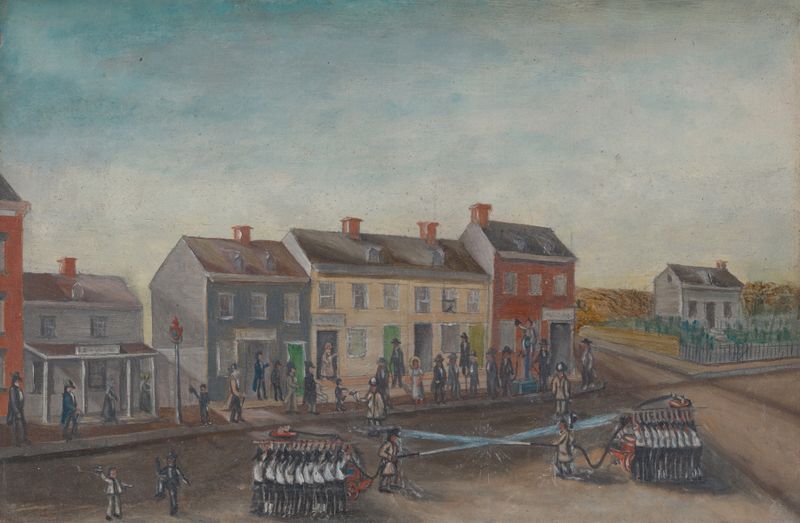
Firemen’s Washing Day
William P. Chappel
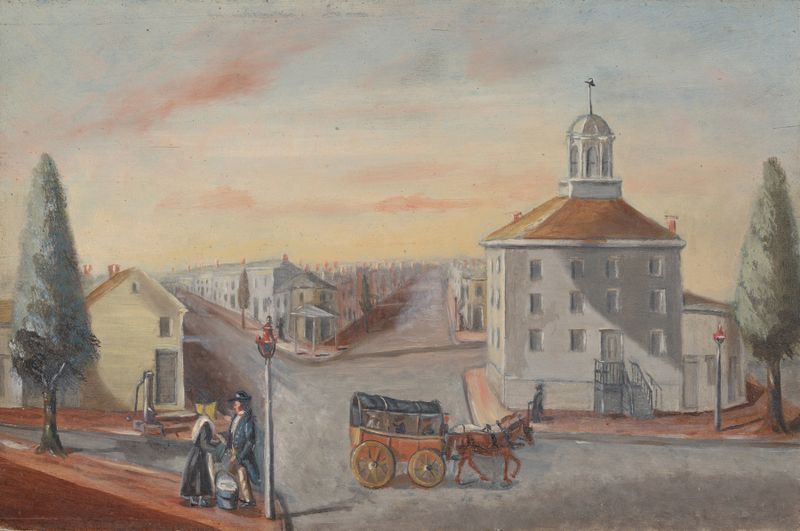
Hot Corn Seller
William P. Chappel
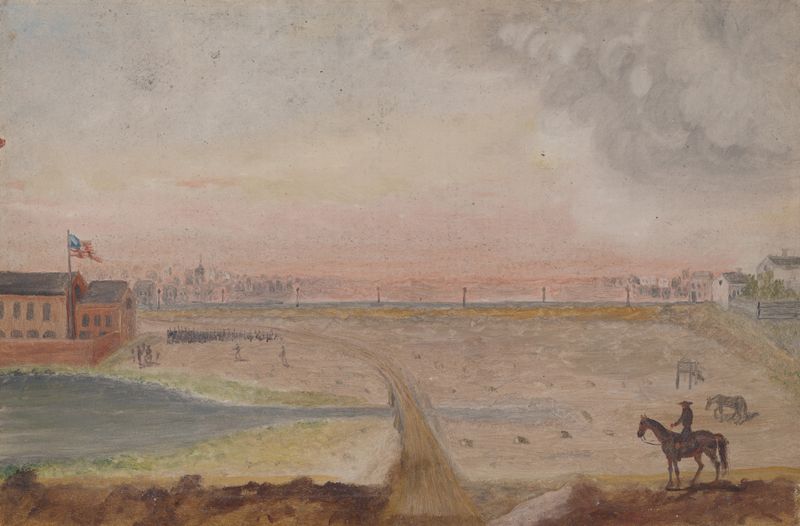
Militia Drilling
William P. Chappel
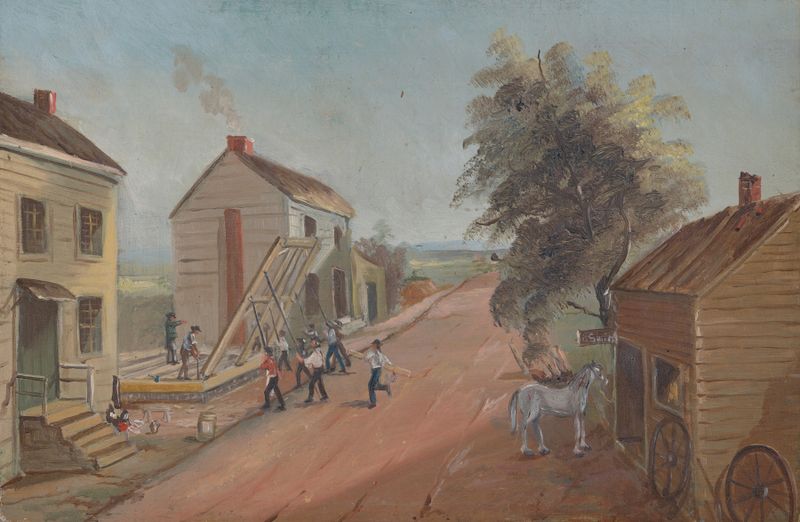
House Raising
William P. Chappel
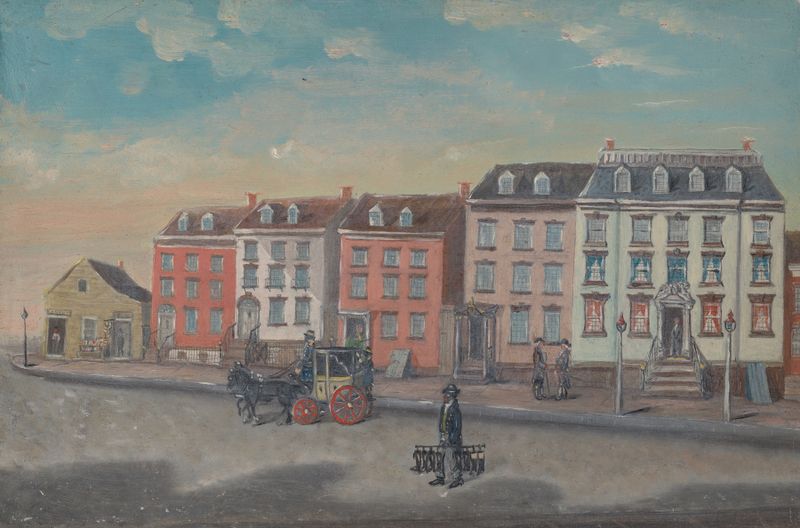
The Boot Black
William P. Chappel
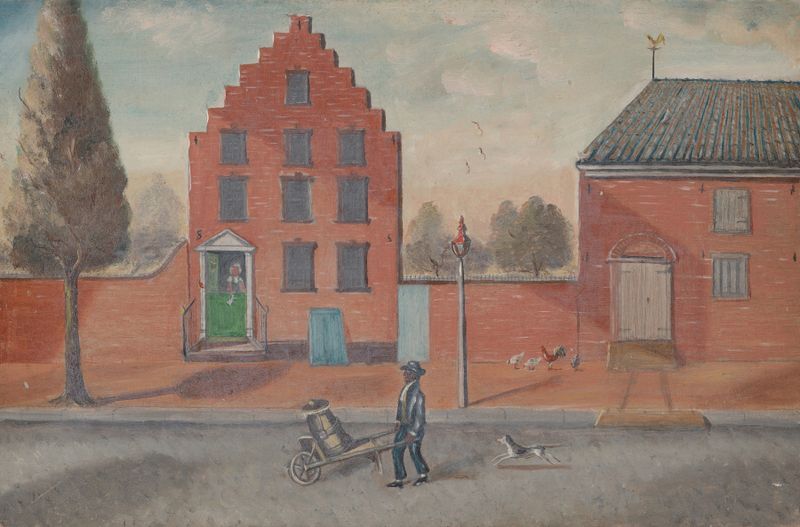
Buttermilk Pedlar
William P. Chappel
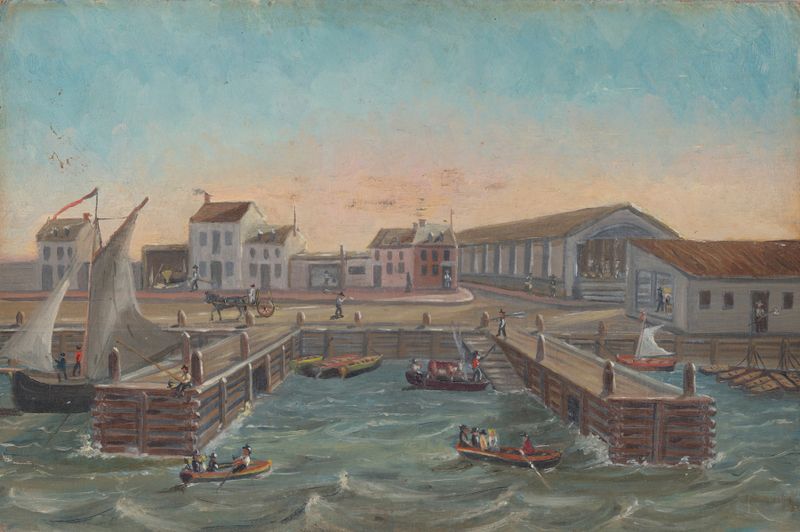
Old Ferry Stairs
William P. Chappel
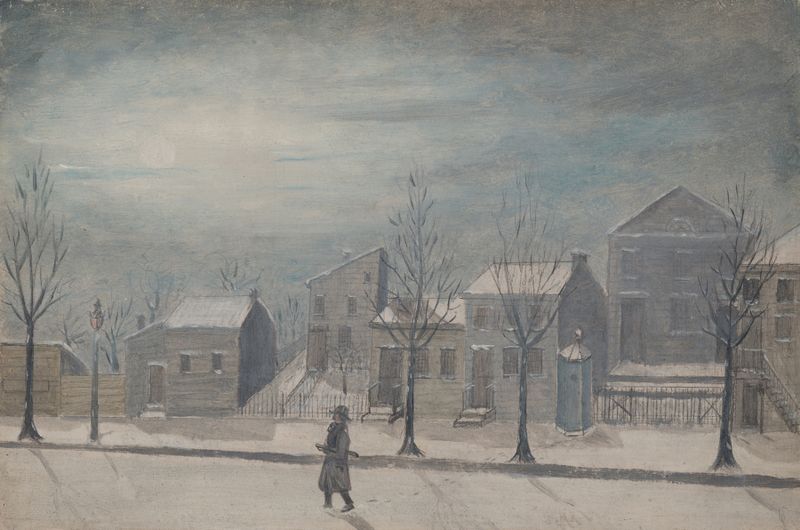
City Watchman
William P. Chappel
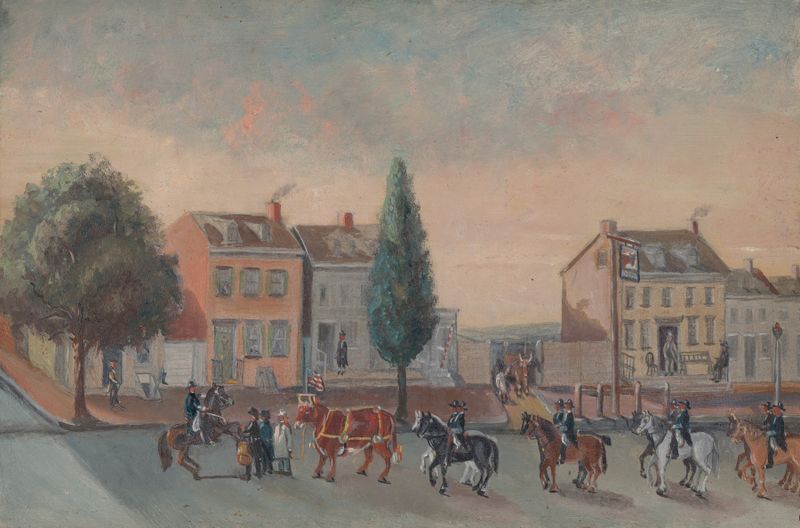
Bull’s Head Tavern
William P. Chappel





