
Cap. Esgangarato and Cap. Cocodrillo — History & Facts
In Cap. Esgangarato and Cap. Cocodrillo, we see a vibrant scene filled with anthropomorphic animals.
The colors are bright and playful, with a mix of greens, yellows, and browns. The figures are dressed in whimsical attire, suggesting a narrative that is both humorous and engaging. The setting appears to be a fantastical landscape, enhancing the overall charm of the artwork. This piece is an etching, a technique that allows for fine detail and intricate line work.
The artist, Jacques Callot, is known for his ability to create lively compositions with a sense of movement. The dimensions are approximately 25 x 35 cm, making it a relatively small work that invites close inspection. The use of line and shading in this etching showcases Callot's skill in capturing character and expression. Jacques Callot was a French artist active in the early 17th century, renowned for his prints and drawings.
This work reflects his interest in the whimsical and the absurd, often featuring animals in human-like scenarios. An interesting fact about this piece is its playful critique of society, using animals to mirror human behavior. Callot's unique style has influenced many artists and remains significant in the study of Baroque art.
More Artworks by Jacques Callot

De verloren zoon als zwijnenhoeder
Jacques Callot
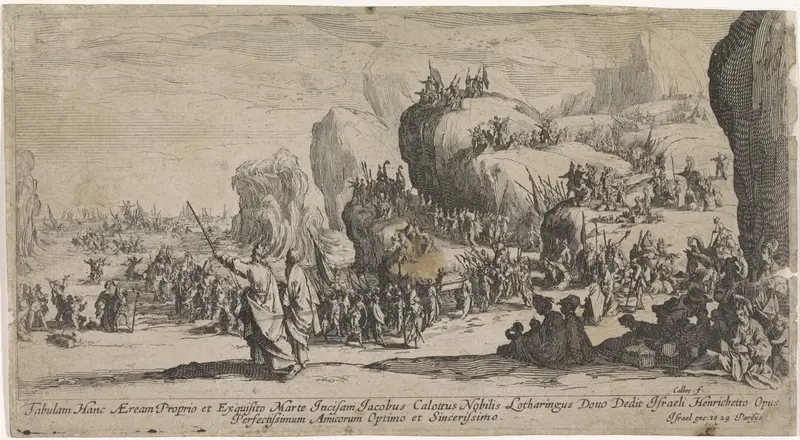
De doortocht door de Rode Zee
Jacques Callot

Kruisiging
Jacques Callot
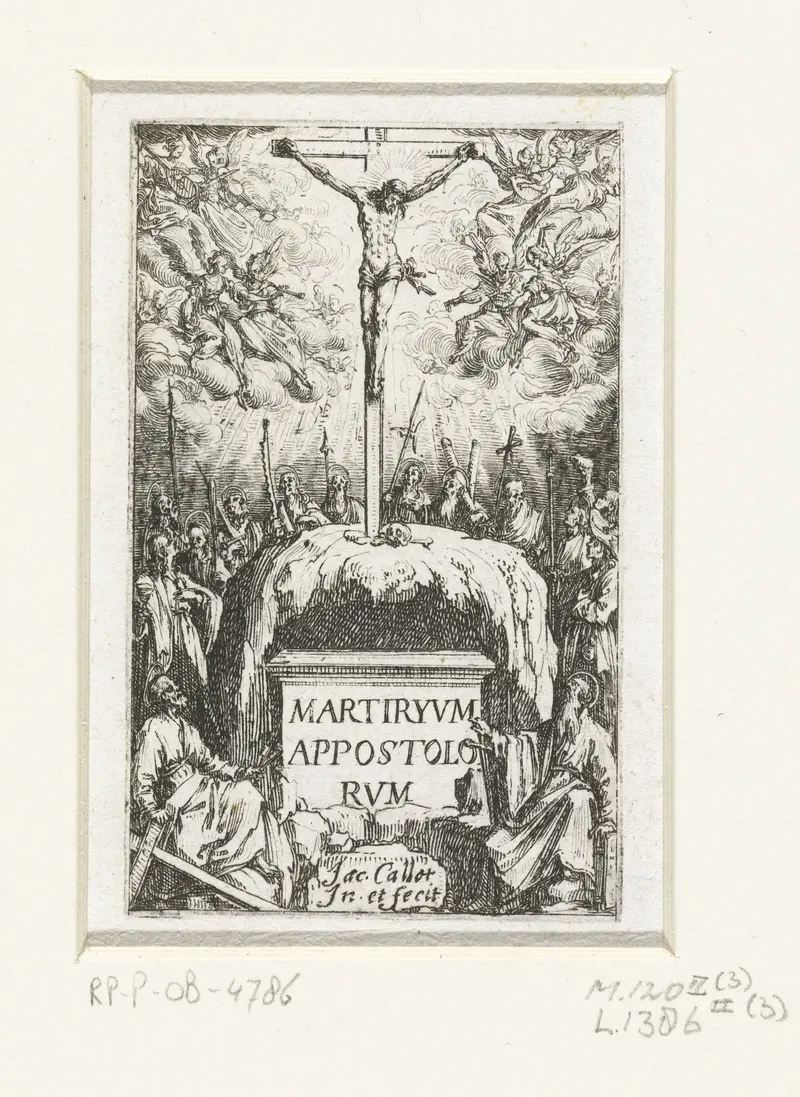
Titelprent voor de prentreeks 'De kleine apostelen' (Het martelaarschap van de apostelen)
Jacques Callot
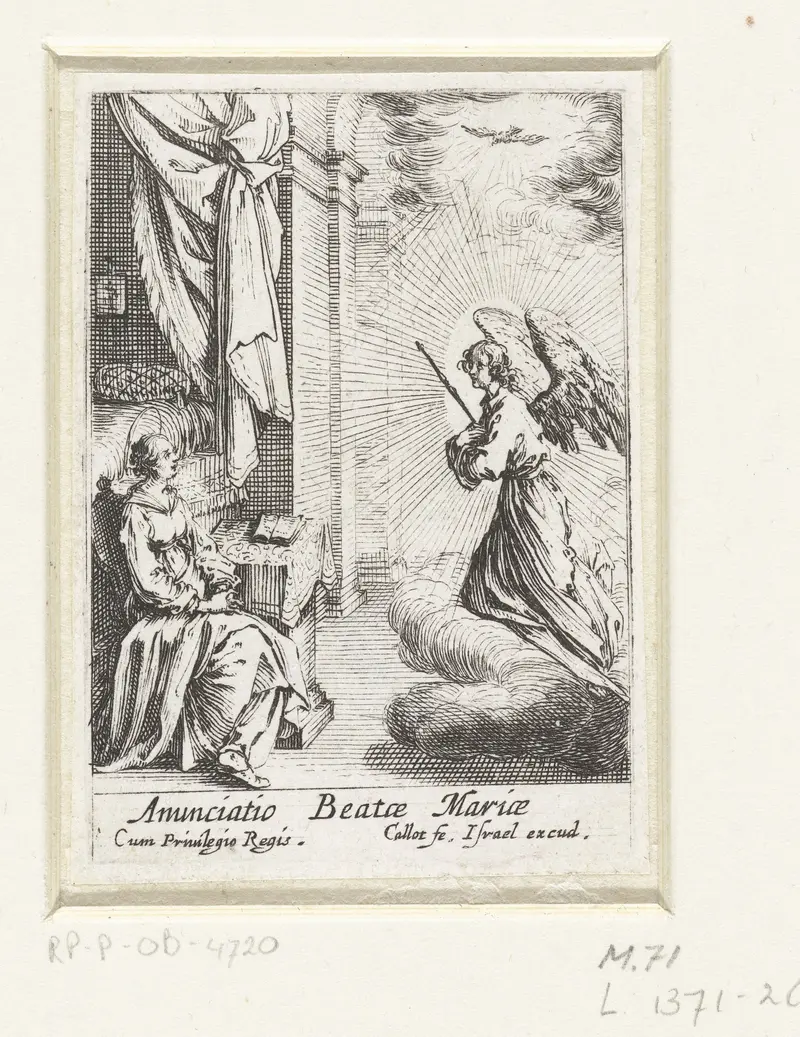
Annunciatie
Jacques Callot
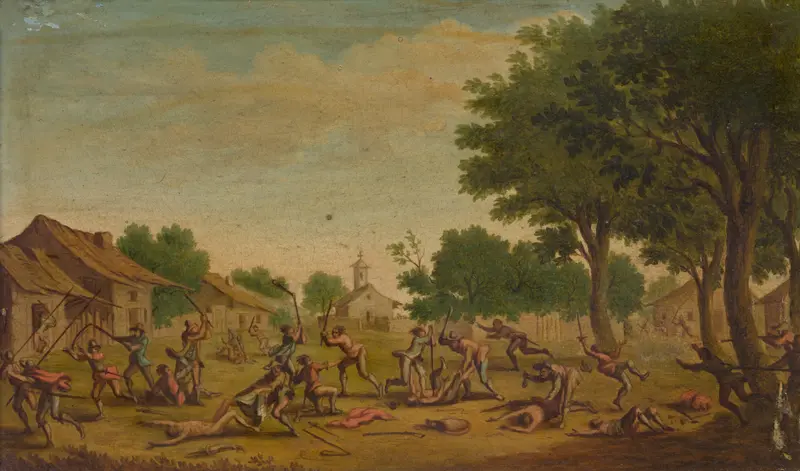
Village Fight
Jacques Callot
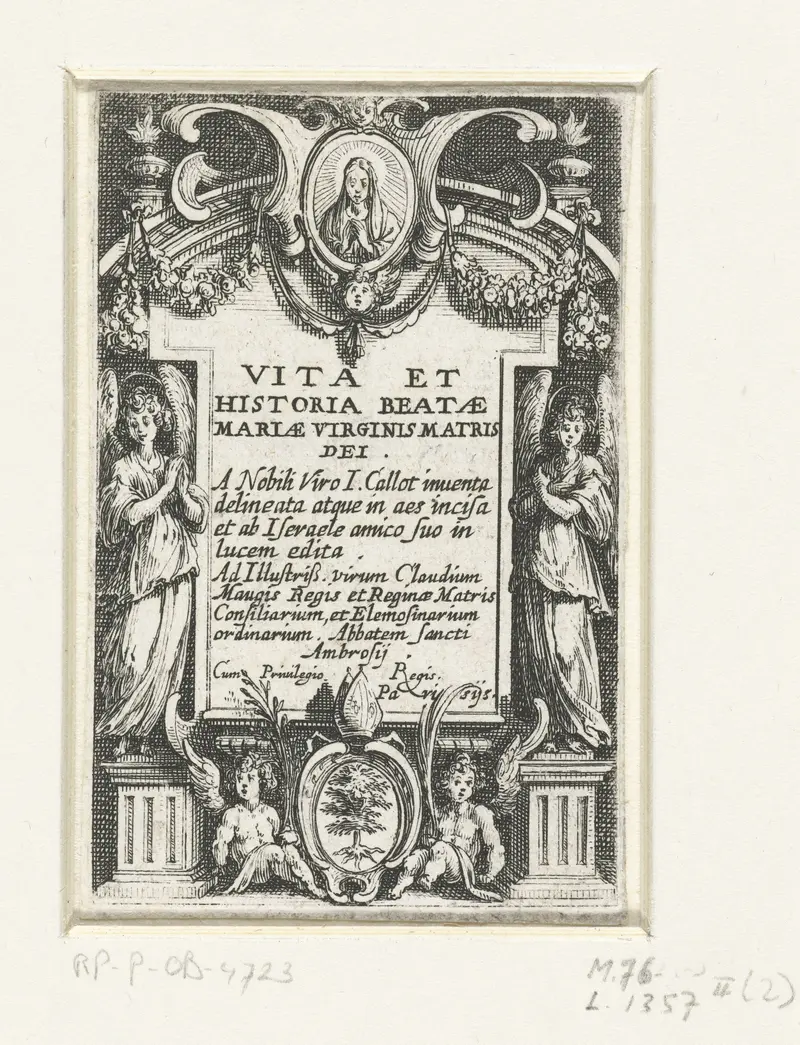
Titelprent voor prentreeks 'Het leven van Maria'
Jacques Callot
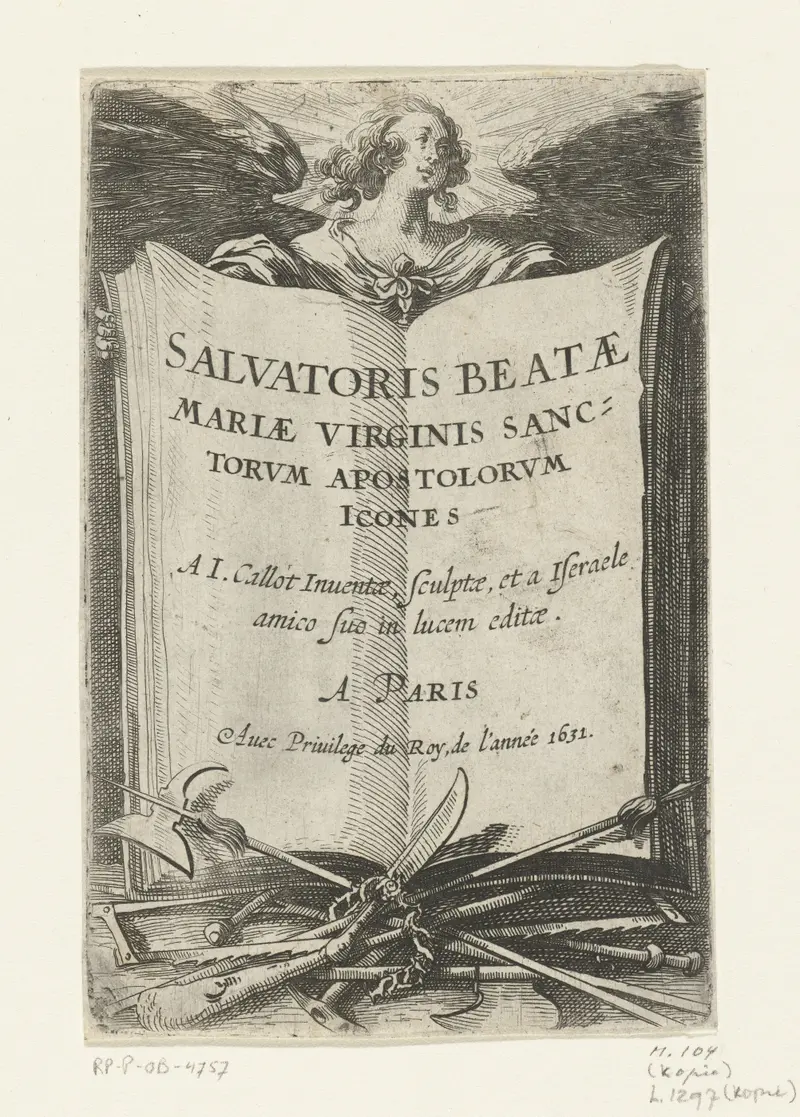
Titelprent voor de prentreeks 'De grote apostelen' (Christus, Maria en de apostelen)
Jacques Callot

Kruisoprichting
Jacques Callot
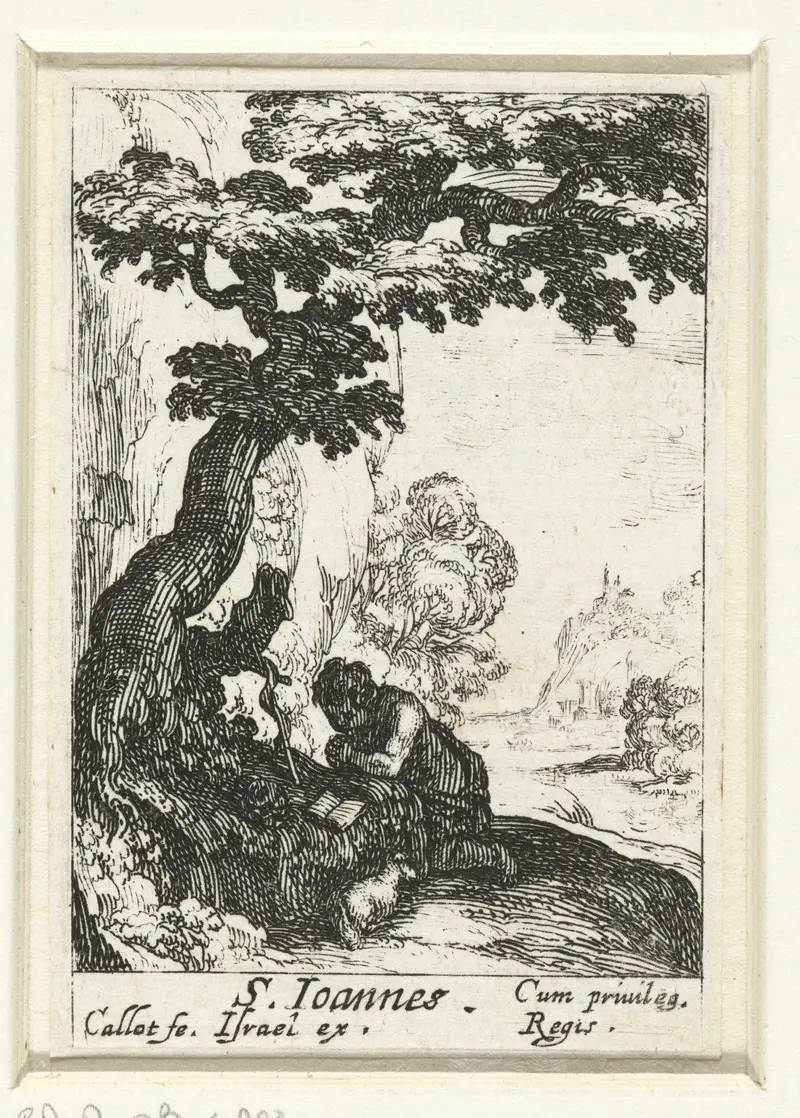
De boetvaardige Johannes de Doper
Jacques Callot





