
Capriccio of the Grand Harbour, Valletta, Malta — History & Facts
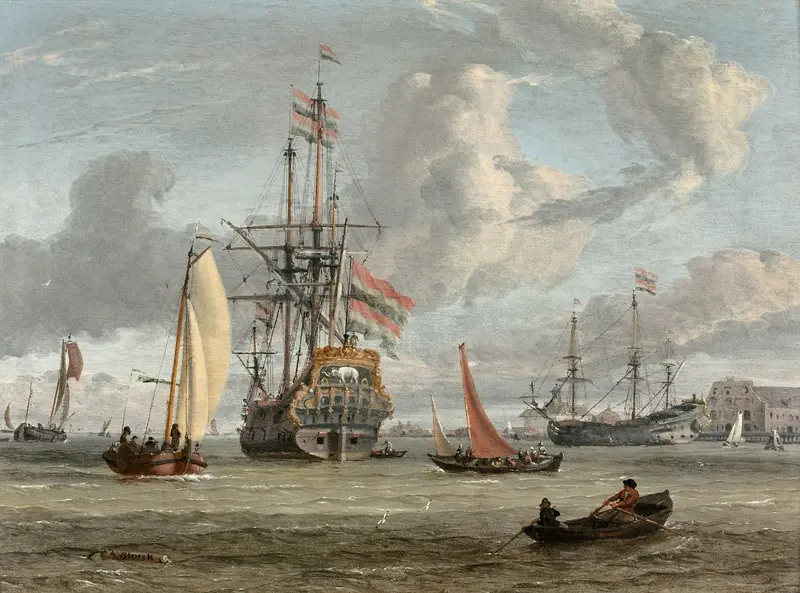
A statue of Neptune, trident poised, commands the center of Capriccio of the Grand Harbour, Valletta, Malta, drawing every eye to the drama of arrival and departure. The painter, Abraham Storck, orchestrates a stage where the ruins of antiquity, the bustle of merchants, and the billowing sails of ships all converge beneath a restless sky. The low horizon cedes much of the canvas to clouds that seem to echo the movement and energy of the harbor, while the sunlight picks out figures and stonework with a clarity that makes the whole scene hum with anticipation.
Every gesture is purposeful: the dockworker hefting a sack, the sailors preparing to cast off, the elegant figures in conversation—each one a thread in the tapestry of a port alive with commerce and possibility. Painted in 1673, this work belongs to a world where the Mediterranean was both a crossroads and a frontier, and where artists like Storck—though Dutch—were drawn to the fantasy of southern harbors as symbols of wealth and cosmopolitan life. Capriccio scenes such as this, blending real and imagined architecture, were prized by collectors eager to display their taste for the exotic and the grand. The presence of ancient ruins alongside contemporary ships speaks to a Baroque fascination with both the glory of the past and the dynamism of the present.
Though little is recorded about this specific painting’s early history, its survival in the Art UK collection today invites us to linger over every detail, and to imagine what stories might unfold if we could step into the square beneath Neptune’s gaze.
More Artworks by Abraham Storck

The Muscovite legation visiting Amsterdam, 29 August 1697
Abraham Storck
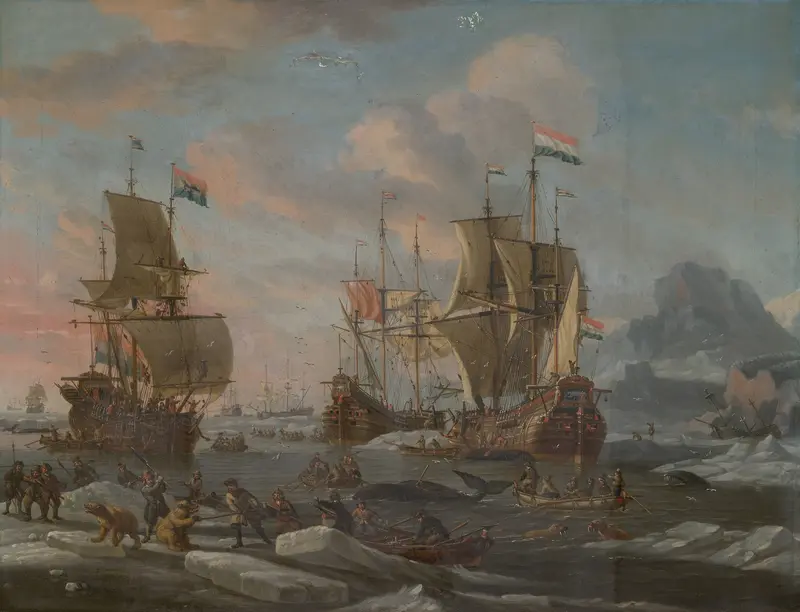
The Dutch Whaling Fleet
Abraham Storck
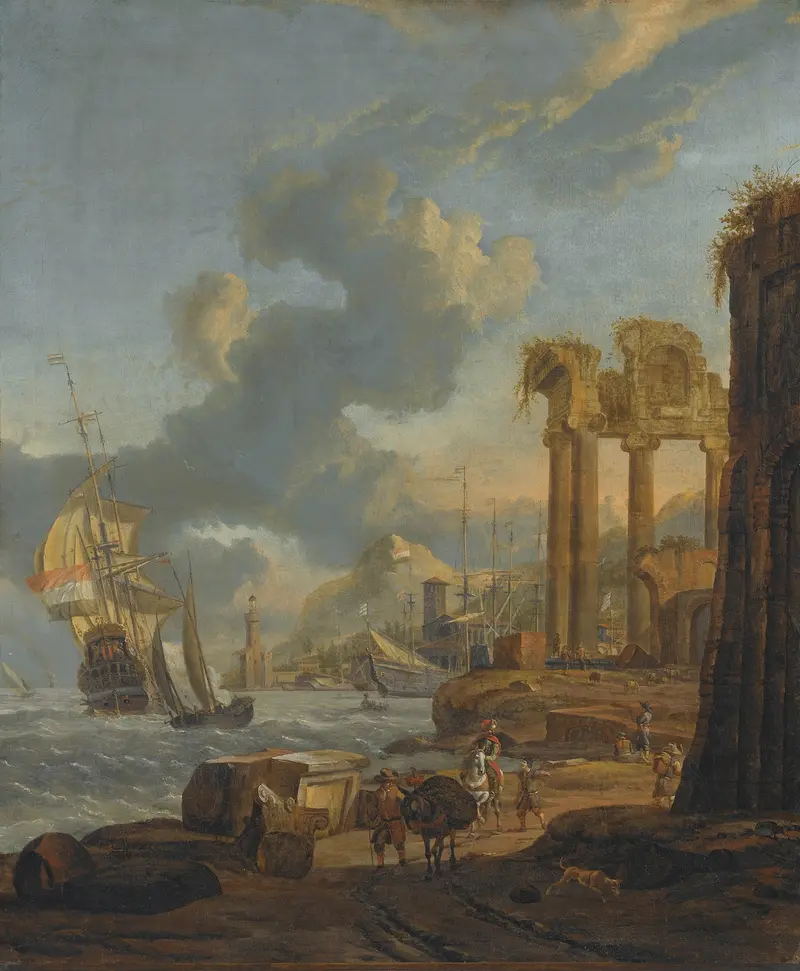
A Mediterranean Harbour Scene With Travellers On The Shore, A Dutch Man-Of-War On The Left
Abraham Storck
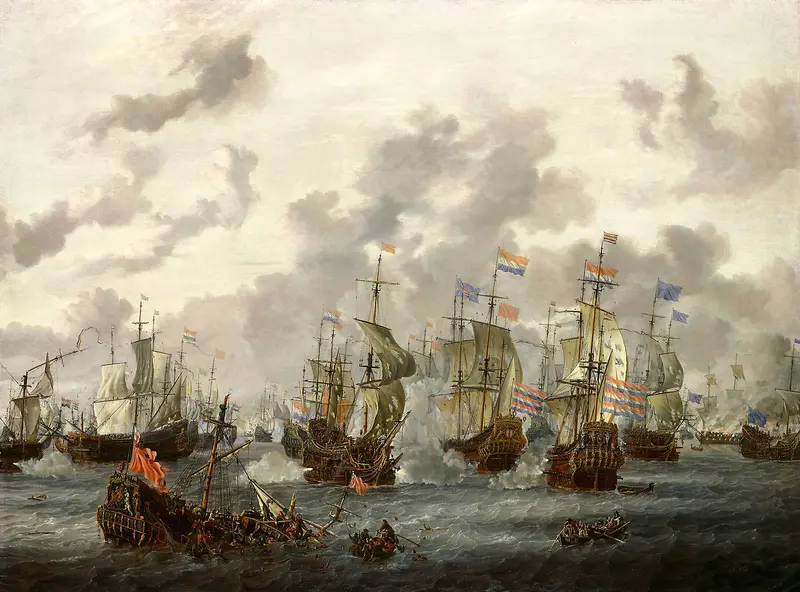
The Four Days’ Battle
Abraham Storck
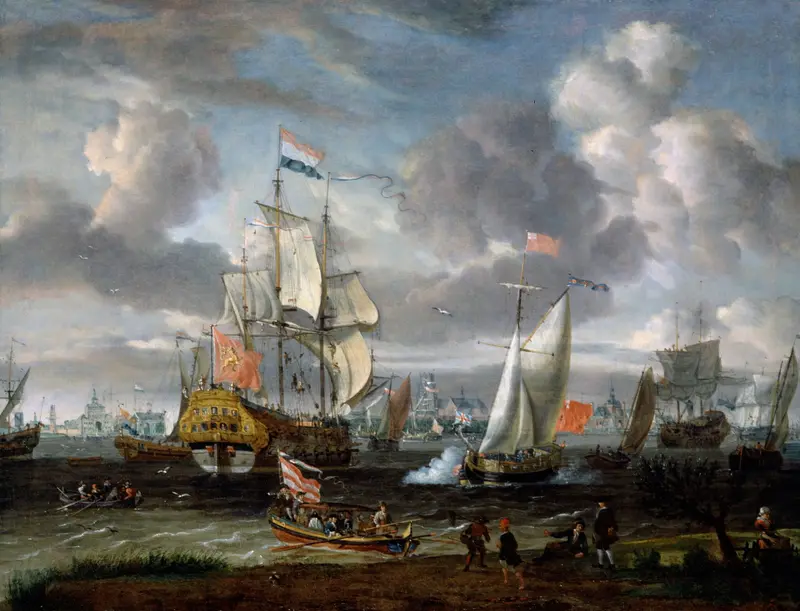
An English Yacht saluting a Dutch Man-of-War in the port of Rotterdam
Abraham Storck
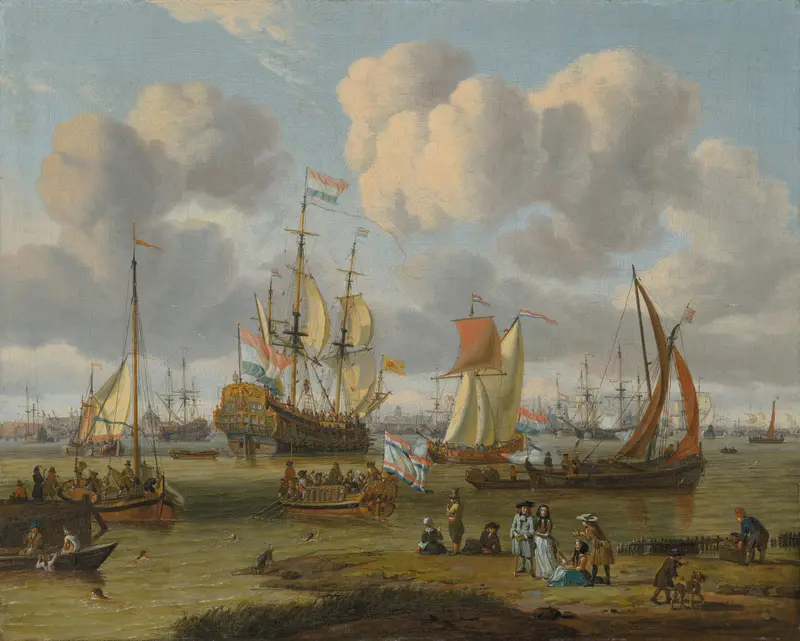
Shipping off Amsterdam with figures on a quay
Abraham Storck
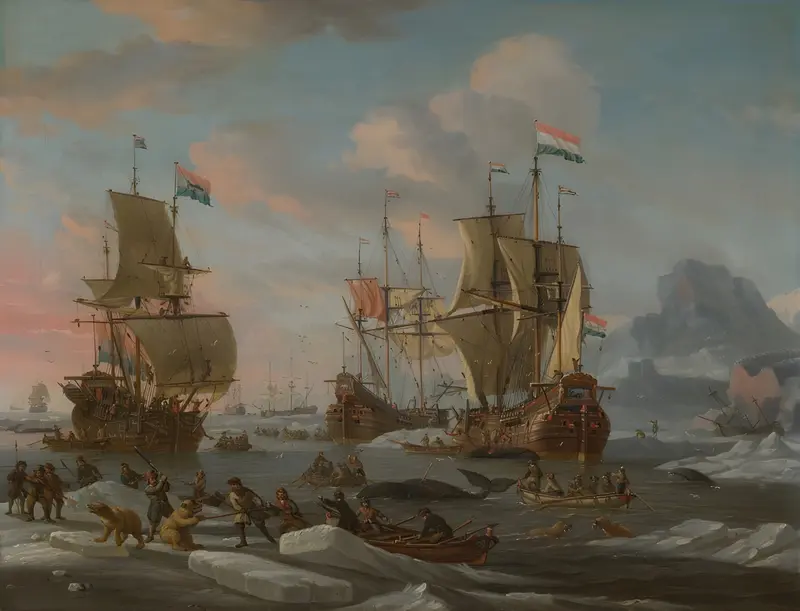
The Dutch Whaling Fleet
Abraham Storck
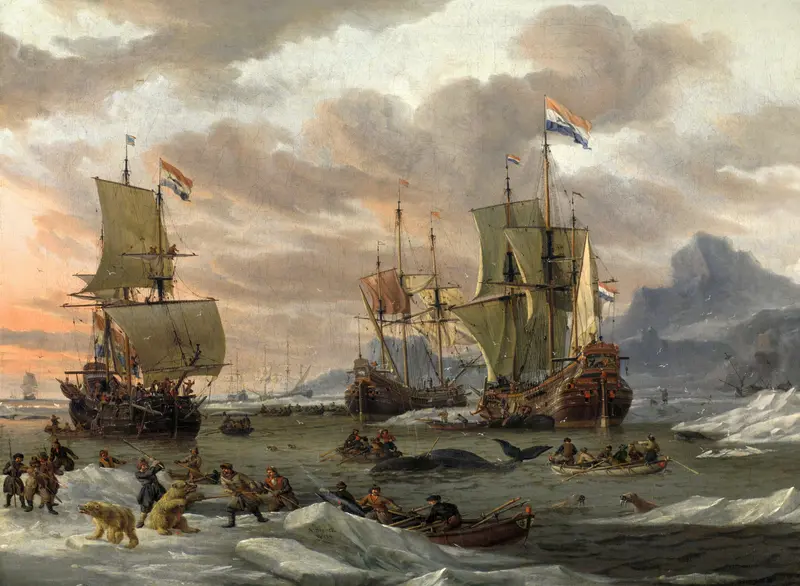
Whaling Grounds in the Arctic Ocean
Abraham Storck
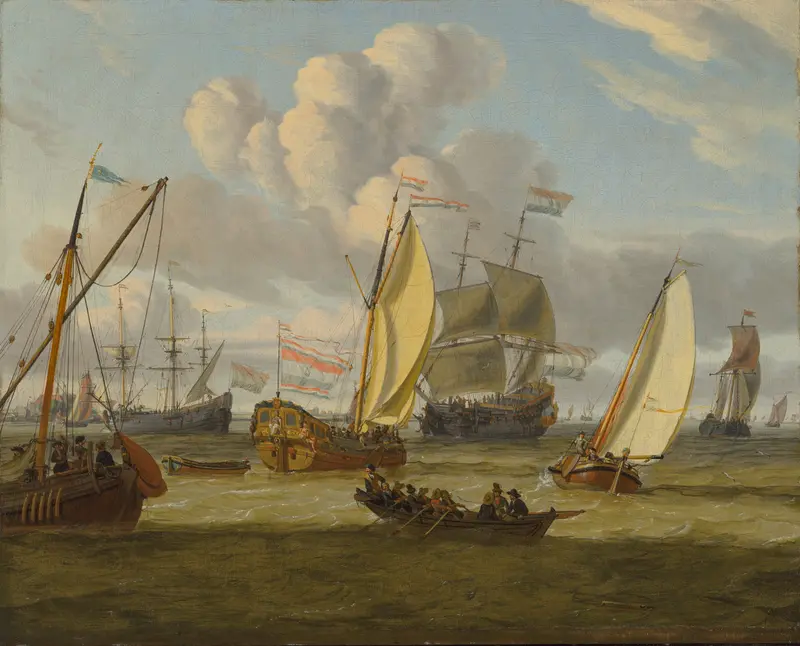
Shipping in an estuary
Abraham Storck
Grand navire de la couronne du Danemark près d’un littoral
Abraham Storck





