
Cattle by a River — History & Facts
What draws the eye first in Cattle by a River is not the grandeur of the Dutch sky, but the quiet choreography of man, animal, and land at the river’s edge. Aelbert Cuyp arranges his scene as if inviting the viewer to step into a moment of rural ease: a cow stands patiently as a woman kneels to milk her, while a young herdsman, leaning on his stick, gazes out with a gentle, almost dreamy composure. The light, golden and low, picks out the glossy flanks of the cattle and the soft folds of the herdsman’s clothing, then drifts across the water to catch the sails of distant boats.
The high horizon and sweeping clouds give the landscape a sense of spaciousness, but it is the calm, grounded presence of the animals and their keepers that anchors the scene, suggesting a world where work and rest flow together as naturally as the river. This painting belongs to the heart of the Dutch Golden Age, a period when scenes of everyday rural life became prized for their suggestion of prosperity, order, and harmony with nature. Landowners and burghers alike collected such works, which celebrated both the beauty and productivity of the Dutch countryside. Cattle by a River is dated between around 1650 and 1691, a time when artists like Cuyp were admired for their ability to capture light and atmosphere with a delicate touch.
Now in the Mauritshuis collection, this painting is a testament to an era that found dignity and poetry in the rhythms of rural labor. Let your gaze linger on the tranquil surface of the river, and imagine the slow passage of time in a world shaped by water, sky, and the steady work of hands.
More Artworks by Aelbert Cuyp

The Maas at Dordrecht
Aelbert Cuyp
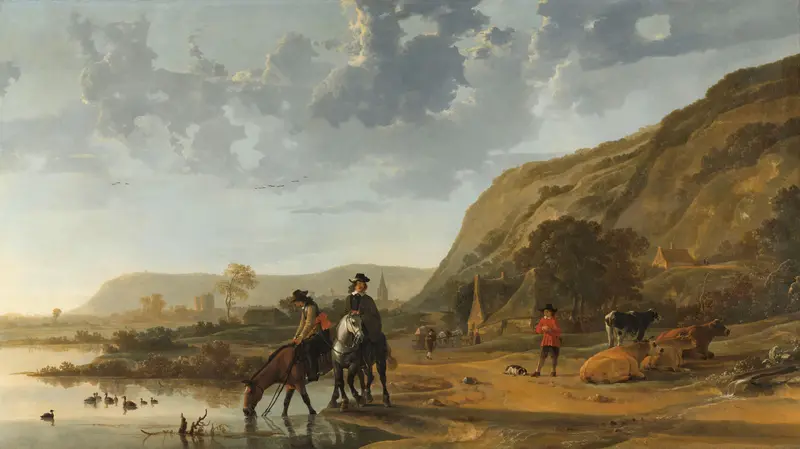
River Landscape with Riders
Aelbert Cuyp

The Maas at Dordrecht
Aelbert Cuyp
Gezicht op Dordrecht
Aelbert Cuyp
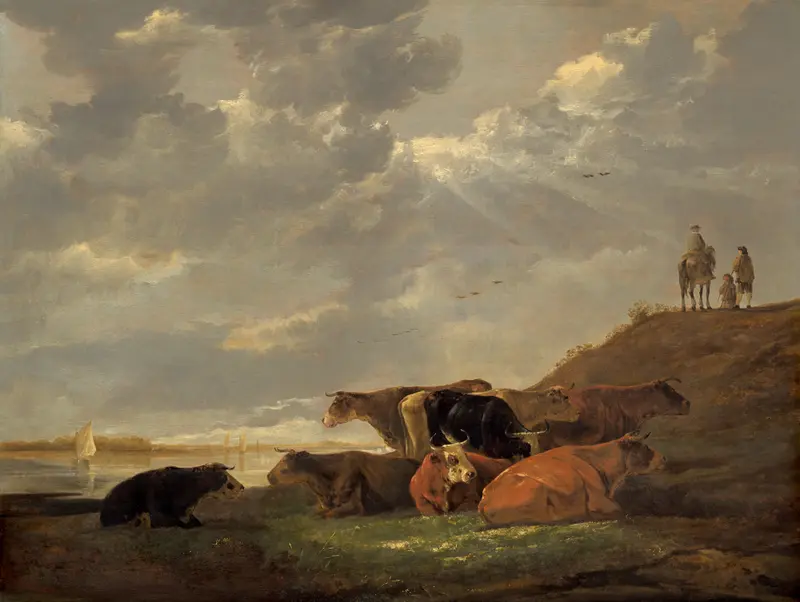
River Landscape with Cows
Aelbert Cuyp
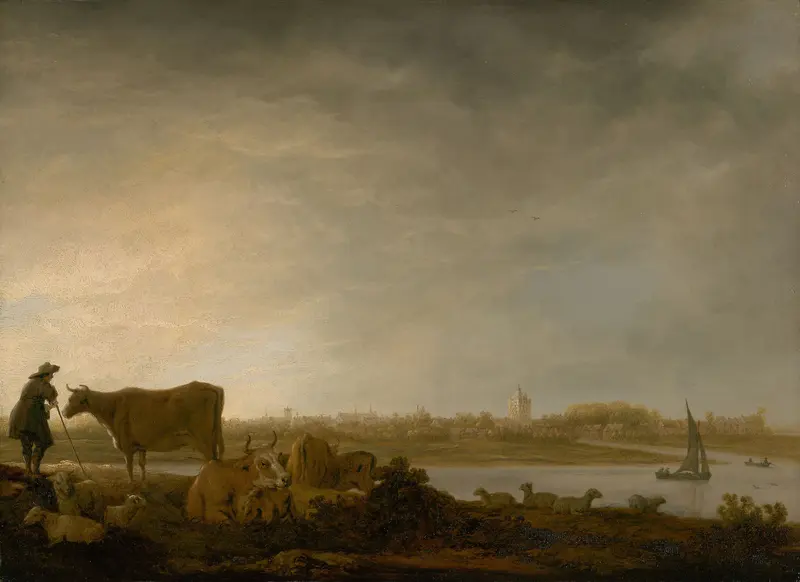
A View of Vianen with a Herdsman and Cattle by a River
Aelbert Cuyp
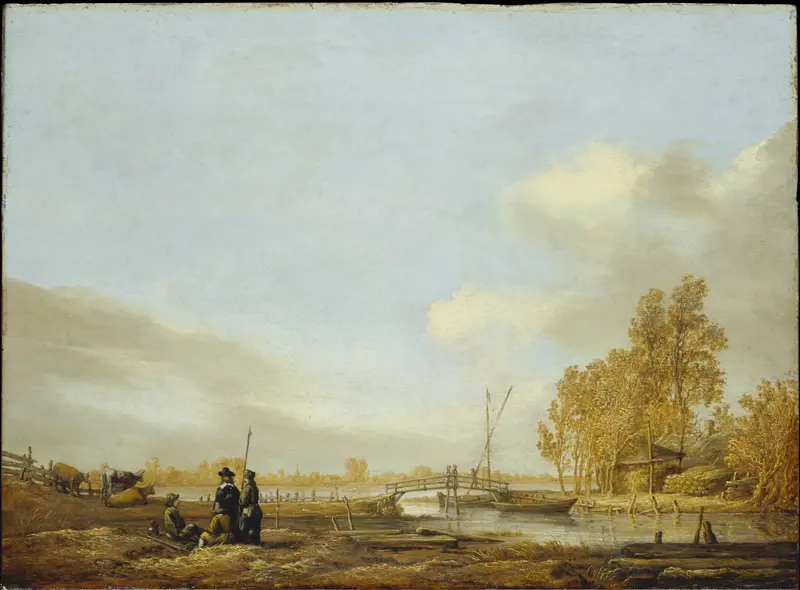
River Landscape with Footbridge
Aelbert Cuyp
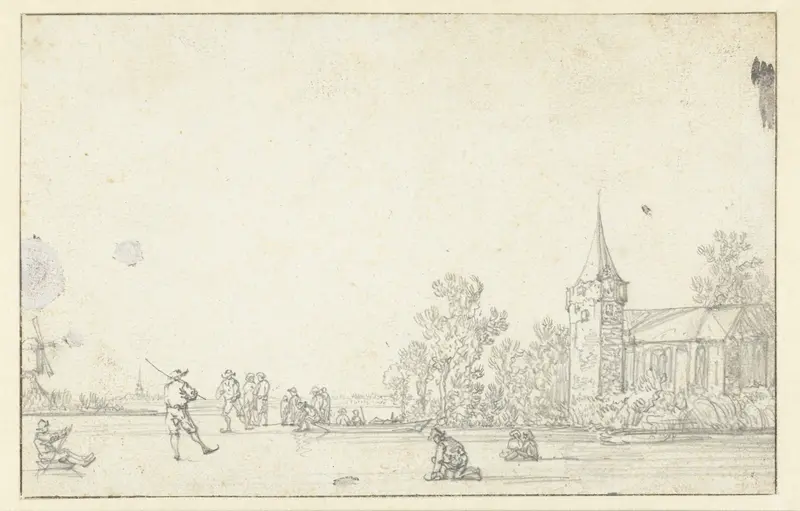
Bevroren rivier met schaatsers bij een kerk
Aelbert Cuyp

Cattle near a River
Aelbert Cuyp
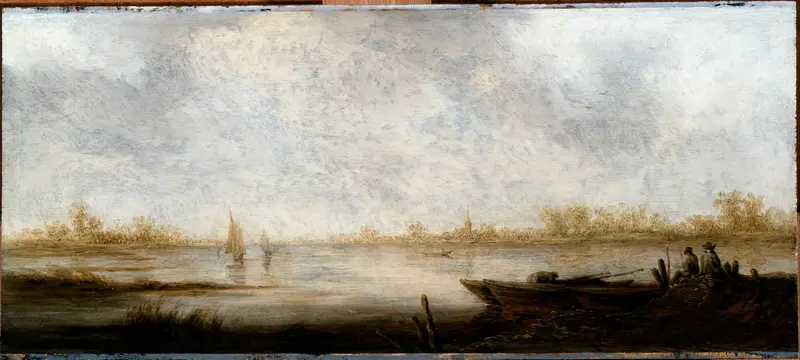
River Landscape
Aelbert Cuyp
More Landscape Art

The Starry Night
Vincent van Gogh

View of Delft
Johannes Vermeer

Water Lilies
Claude Monet

The Grand Canal, Venice, looking north-west from the Ca' Corner to the Ca' Contarini degli Scrigni, with the campanile of Santa Maria della Carità
Canaletto

Windsor Castle
Canaletto

The Grand Canal looking North-East from the Palazzo Dolfin-Manin to the Rialto Bridge
Canaletto