
Charges van voetvolk en ruiterij — History & Facts
Did the painter know this moment would outlive them? In Charges van voetvolk en ruiterij, a profound yearning for legacy permeates every detail, whispering through the complex interplay of figures and movement. Focus on the left, where a group of foot soldiers stands resolute, their postures a mix of readiness and tension. The careful etching reveals the intricacies of their uniforms—each fold and clasp an echo of their humanity, while the billowing cloth captures the very essence of their volatile existence. Notice how the muted color palette of browns and grays contrasts sharply with the vivid strokes that bring the cavalry to life, creating a dynamic motion where horse and rider almost leap from the page. This artwork speaks to the duality of conflict; the foot soldiers represent the grounded struggle of humanity, while the cavalry above them embodies a celestial aspiration.
The juxtaposition is profound—downcast eyes versus raised swords—and hints at the underlying theme of longing, not just for victory but for understanding and recognition in an ever-changing world. Each figure, locked in their respective moments, seems to yearn for connection amid chaos, as if they are cognizant of the larger narrative enveloping them. Jacques Callot created Charges van voetvolk en ruiterij during a period of tumult in Europe, specifically in the years leading up to the Thirty Years' War. Working in Nancy, he observed the complexities of warfare and human emotion firsthand, reflecting a time when art sought not only to document but also to encapsulate the spirit of its age.
This work stands as a testament to both the fragility and endurance of life, submerging viewers in the depths of shared humanity amidst the din of battle.
More Artworks by Jacques Callot
Browse all →
Titelprent voor de prentreeks 'De kleine apostelen' (Het martelaarschap van de apostelen)
Jacques Callot
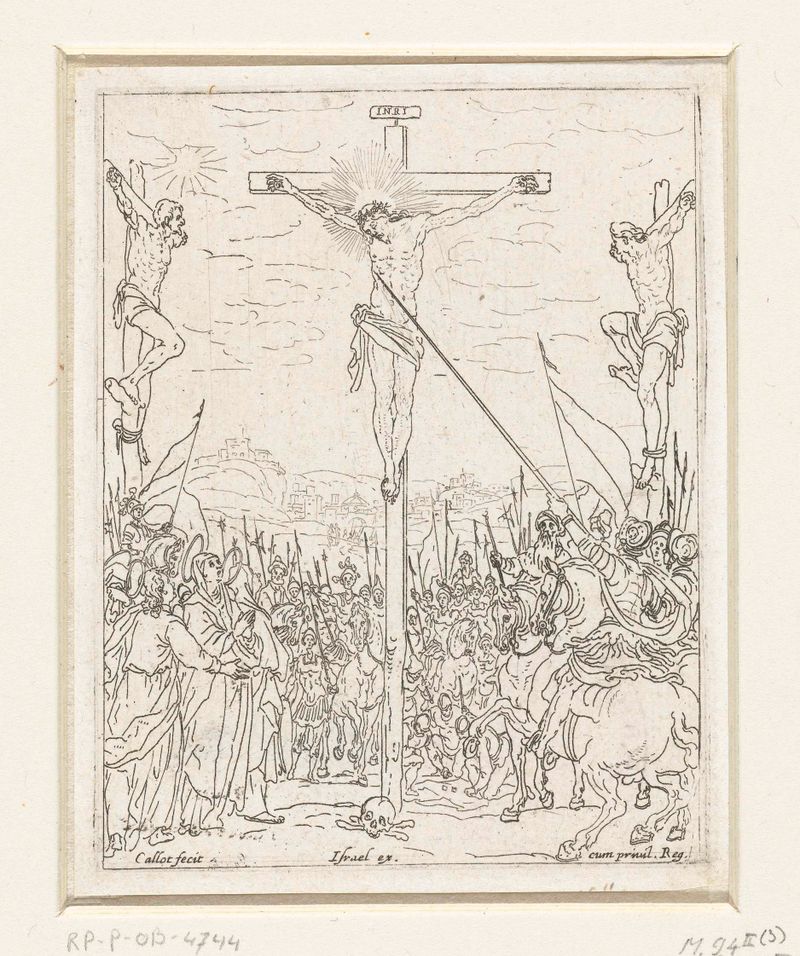
Kruisiging
Jacques Callot

De doortocht door de Rode Zee
Jacques Callot

De verloren zoon als zwijnenhoeder
Jacques Callot

Annunciatie
Jacques Callot
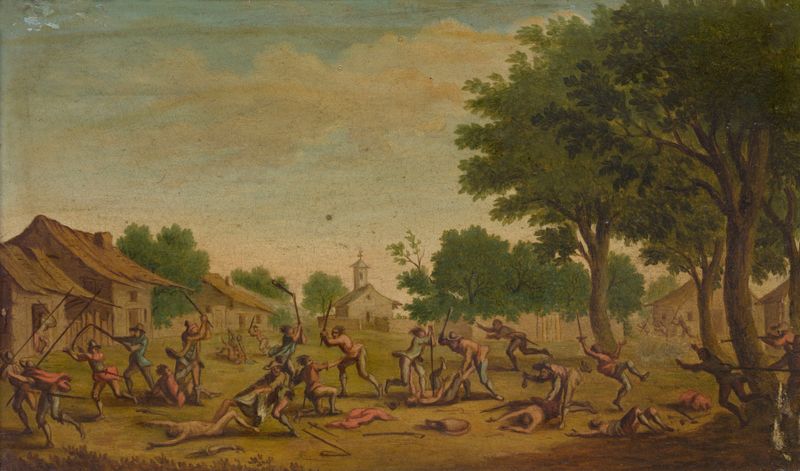
Village Fight
Jacques Callot

Titelprent voor prentreeks 'Het leven van Maria'
Jacques Callot
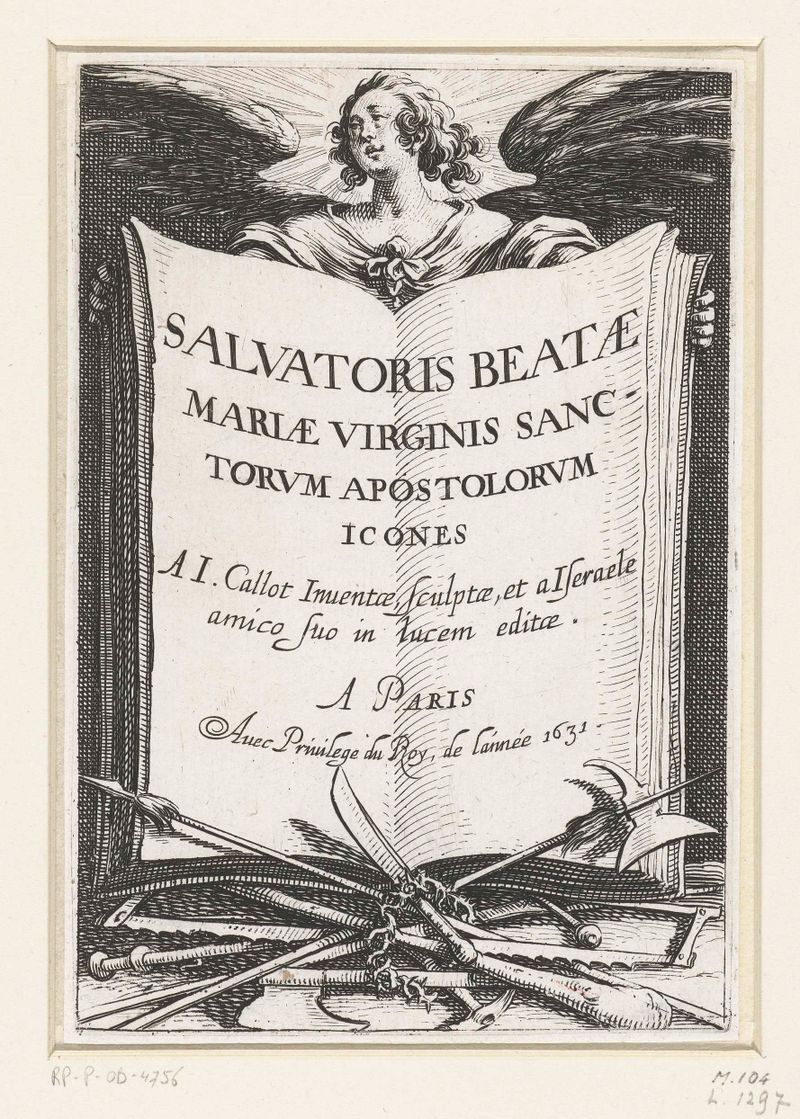
Titelprent voor de prentreeks 'De grote apostelen' (Christus, Maria en de apostelen)
Jacques Callot

Christus aan het volk getoond (Ecce homo)
Jacques Callot
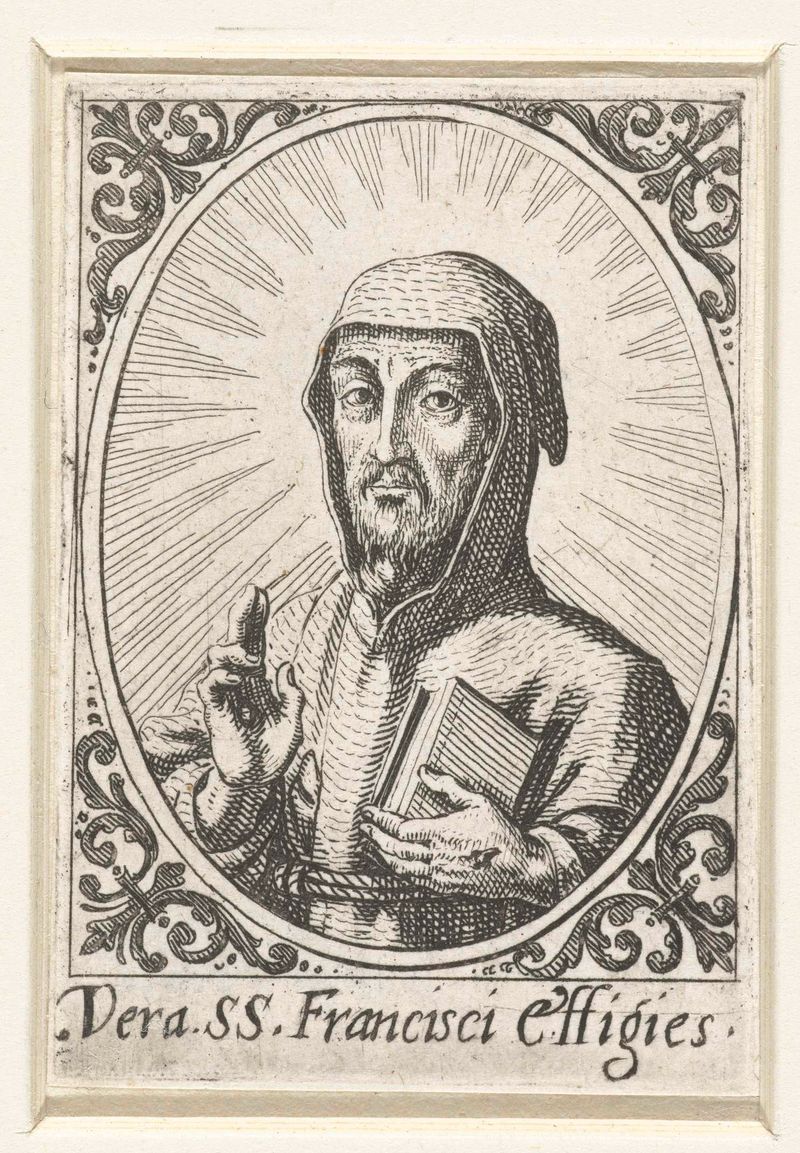
Portret van de Heilige Franciscus
Jacques Callot
More Historical Art
Browse all →
The Night Watch Militia Company of District II under the Command of Captain Frans Banninck Cocq
Rembrandt van Rijn

Lincoln Memorial
Henry Bacon

The Third of May 1808
Francisco de Goya

Isaac and Rebecca, Known as ‘The Jewish Bride’
Rembrandt van Rijn

The Charge of the Mamelukes (1814)
Francisco de Goya

De vier ruiters van de apocalyps
Albrecht Dürer