
Charles Faure — History & Facts
What first catches the eye in Charles Faure is the way the face seems to emerge from the darkness, as if caught mid-thought by a sudden shaft of light. The sitter’s gaze is steady, but the rough, almost sculptural brushwork keeps his expression elusive—are those eyes weary or quietly amused? Monticelli’s hand is unmistakable in the textured, impasto surface, where every dab of ochre and brown builds a living presence out of shadow. The fur cap and collar are rendered with the same thick, energetic strokes as the cheeks and beard, blurring the line between figure and background until all that remains is the intensity of the look.
The palette is earthbound, somber, but the lips—unexpectedly red—draw the viewer in, as if the portrait itself is about to speak. Painted in 1874, this work belongs to a moment in French art when portraiture was undergoing a transformation. Artists like Monticelli, working in the wake of Romanticism and on the cusp of Impressionism, were less concerned with perfect likeness than with capturing a fleeting presence or a state of mind. Such portraits were often made for private circles, tokens of friendship or admiration rather than grand public commissions.
Today, Charles Faure resides in the National Museum of Art, Architecture and Design, a testament to the enduring fascination with faces half-seen, half-invented by the play of paint and light. Look again, and notice how the sitter’s features seem to shift, as if the painting is still in the act of becoming.
More Artworks by Adolphe Monticelli

Portrait of a Lady
Adolphe Monticelli
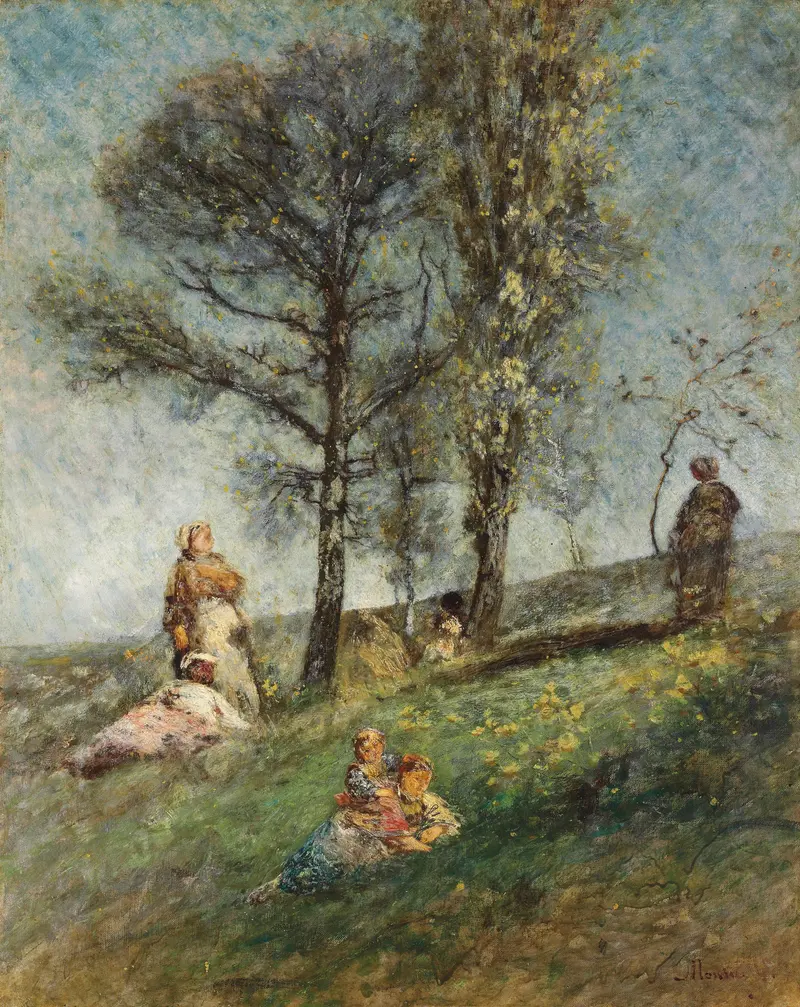
A Young Family Under Trees On A Hill
Adolphe Monticelli

Fête d'Après-Midi
Adolphe Monticelli
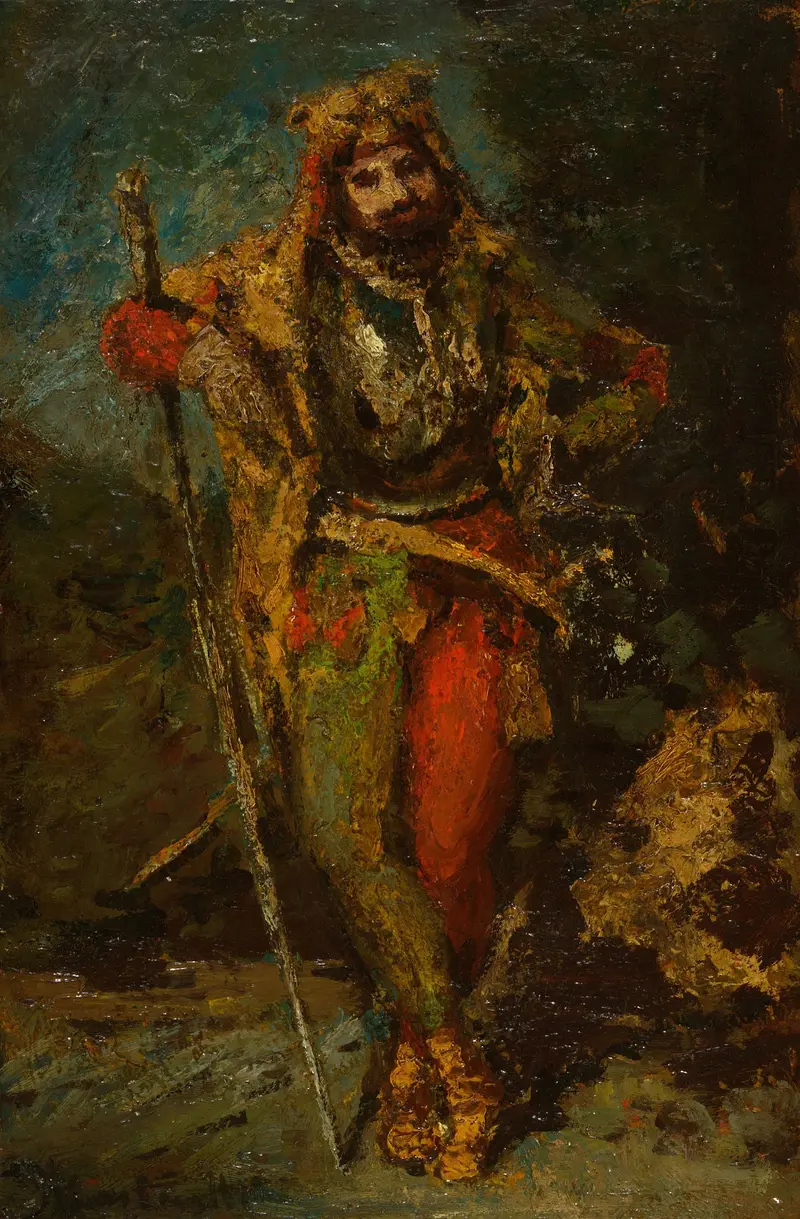
Mephisto from the Opera Faust
Adolphe Monticelli
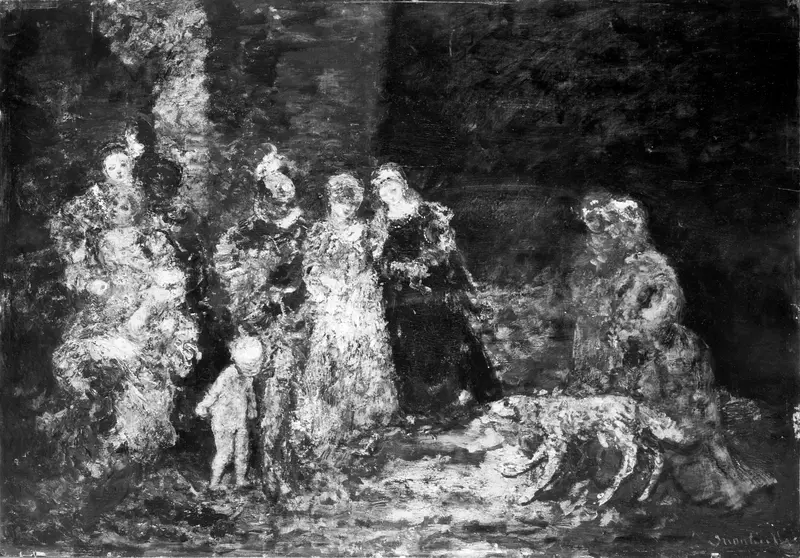
The Fairies
Adolphe Monticelli
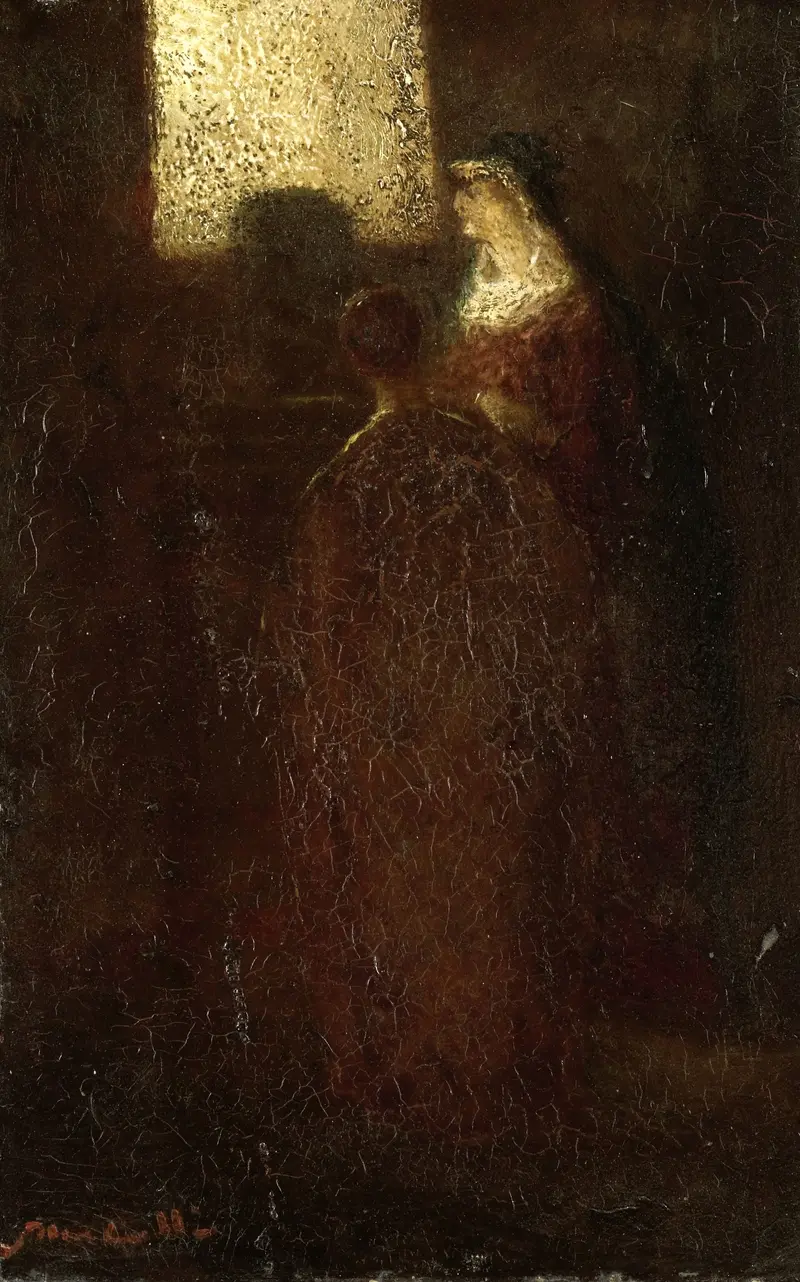
Aan het altaar
Adolphe Monticelli
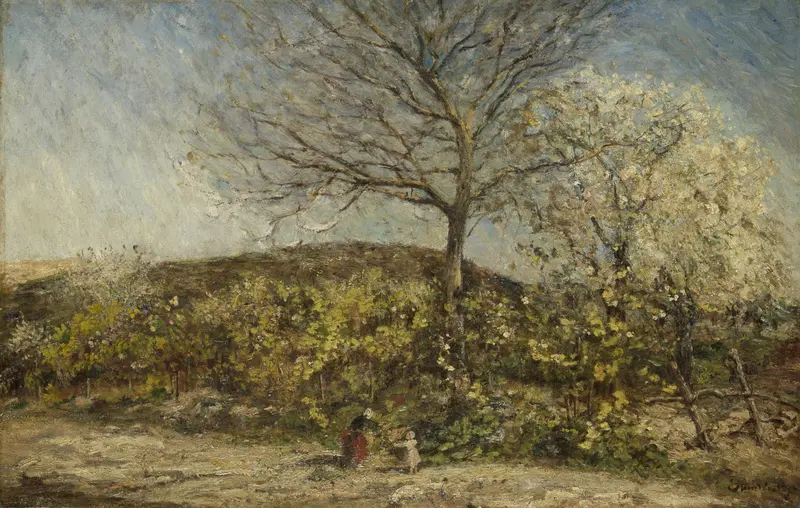
Landschap met bloeiende boomgaard
Adolphe Monticelli
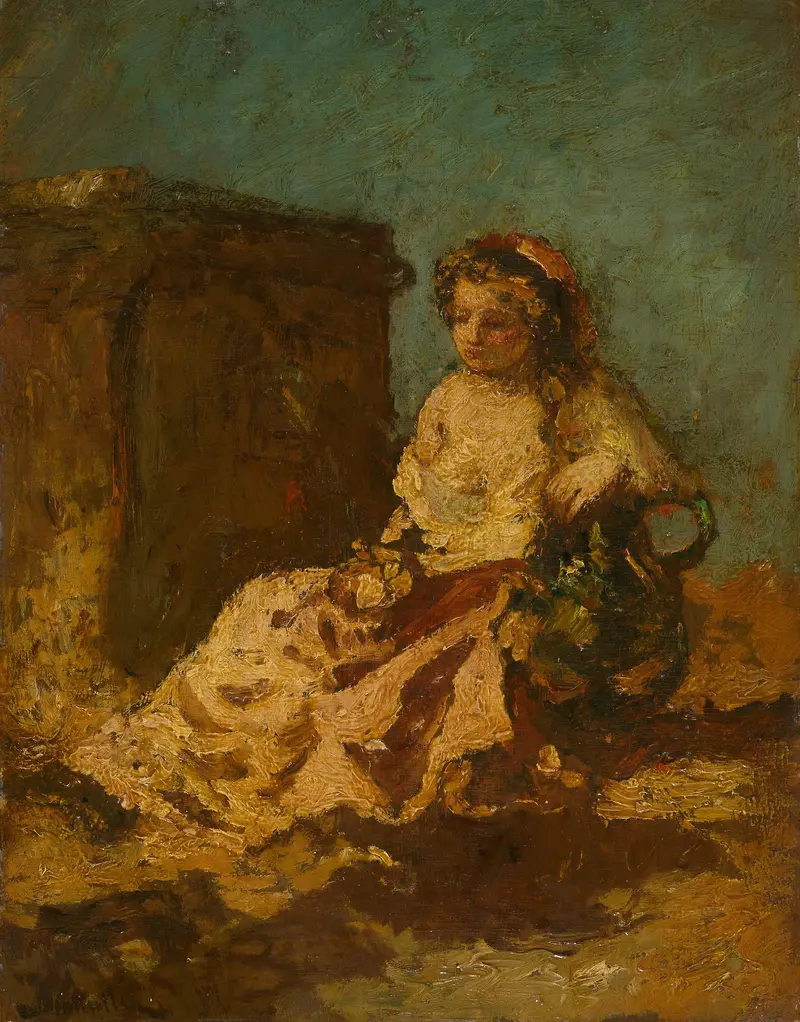
Meditation (Seated Woman)
Adolphe Monticelli
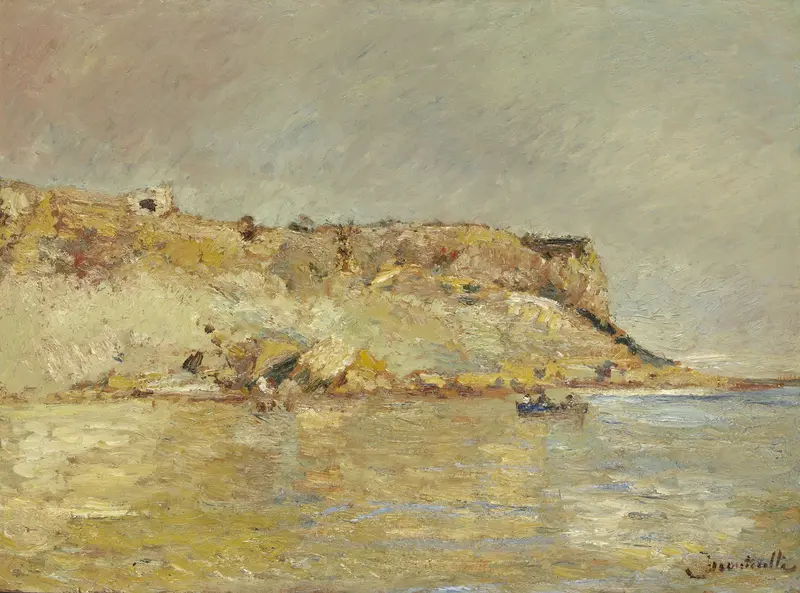
Coastal Mountains
Adolphe Monticelli
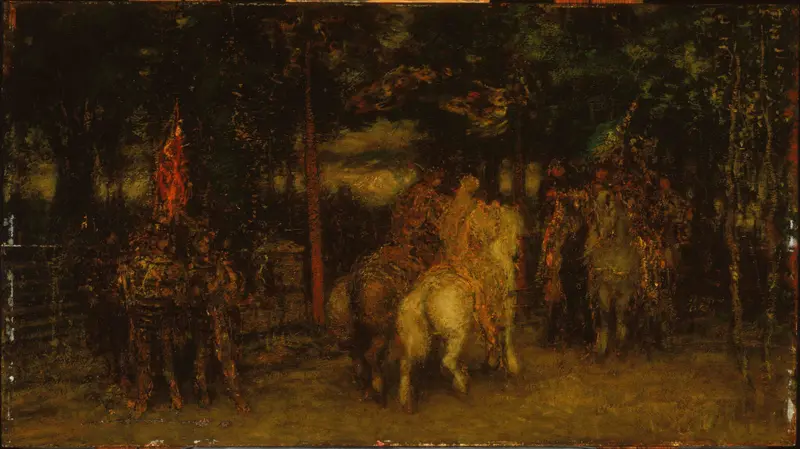
Landscape with Figures
Adolphe Monticelli





