
Chelsea Shops — History & Facts
A haze of quiet activity draws the eye to the muted shopfronts of Chelsea, where figures drift along the pavement like fleeting shadows. The facades are softly blurred, as if seen through the memory of a rainy afternoon, their details melting into one another under a gentle, diffused light. A solitary figure bends to examine something on the ground, while others cluster in loose groups, their gestures captured in mid-motion.
The palette—duns, greys, and the faintest hints of red—suggests a cityscape wrapped in the hush of early evening, where the bustle of commerce is subdued and the rhythm of daily life feels suspended. Whistler’s brushwork leaves much unresolved, inviting the viewer to linger in the ambiguity of the scene, to wonder at the stories behind each window and awning. Painted around 1880, Chelsea Shops belongs to a moment when artists like James McNeill Whistler were reimagining the city as a subject worthy of poetry. In the late nineteenth century, London’s rapid growth and shifting social fabric fascinated painters, who sought to capture not just the look but the atmosphere of urban life.
Works like this, often small and intimate, were rarely grand commissions—they were made for private collectors or simply for the artist’s own pursuit of mood and impression. History has kept few traces of this particular painting’s journey, but its presence in the Google Arts & Culture collection today offers a glimpse into the quieter, more contemplative side of modernity. Stand before it and let your eye wander: the city, even in its humblest corners, becomes a stage for the play of light, movement, and memory.
More Artworks by James McNeill Whistler
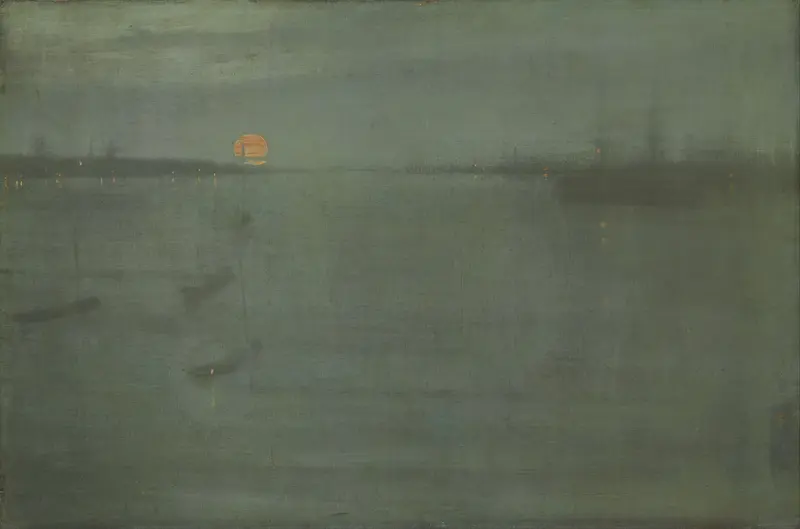
Nocturne: Blue and Gold—Southampton Water
James McNeill Whistler
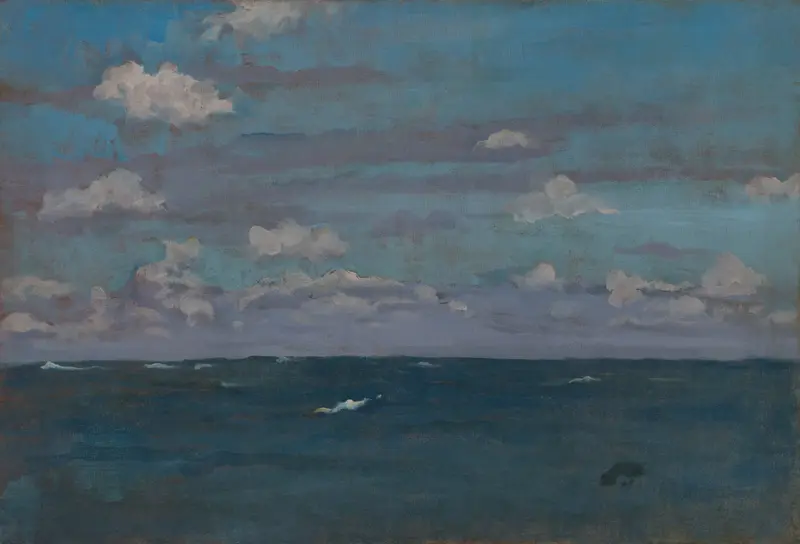
Violet and Silver—The Deep Sea
James McNeill Whistler
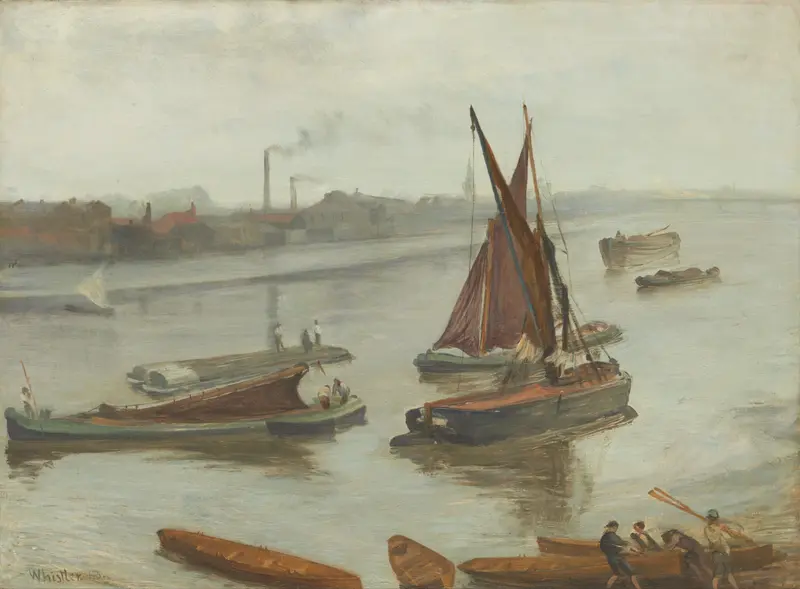
Grey and Silver: Old Battersea Reach
James McNeill Whistler
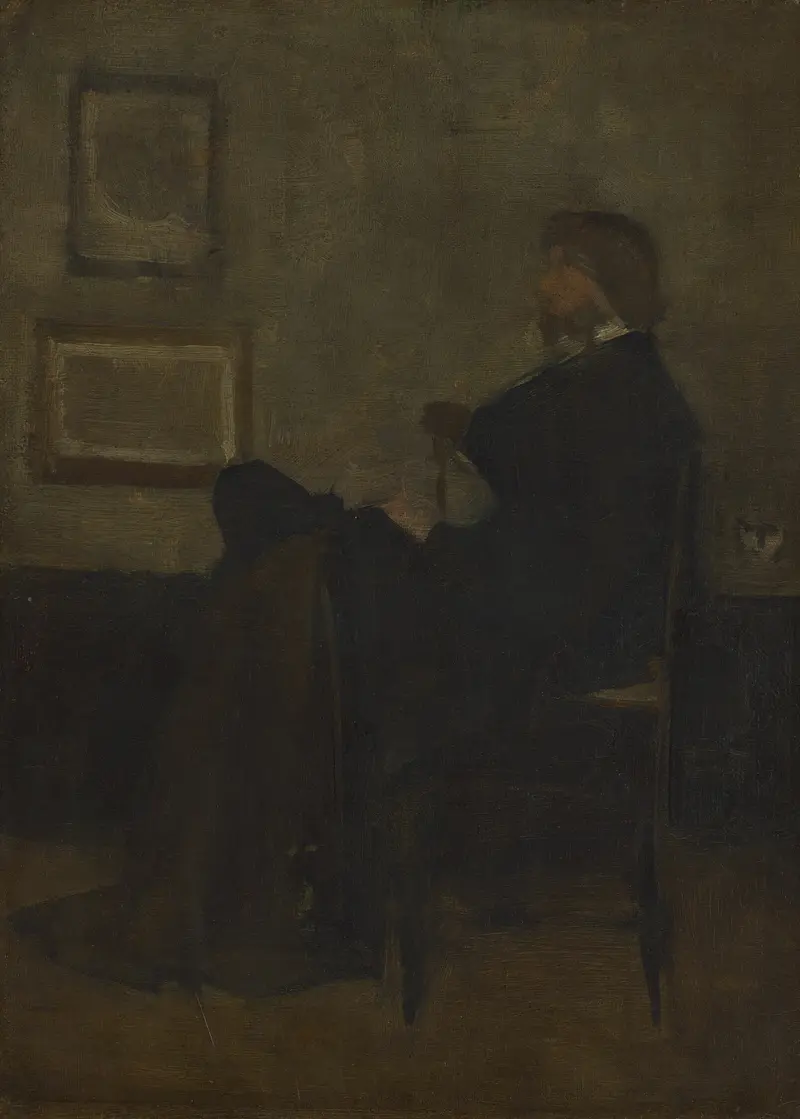
Study for "Arrangement in Grey and Black, No. 2: Portrait of Thomas Carlyle"
James McNeill Whistler
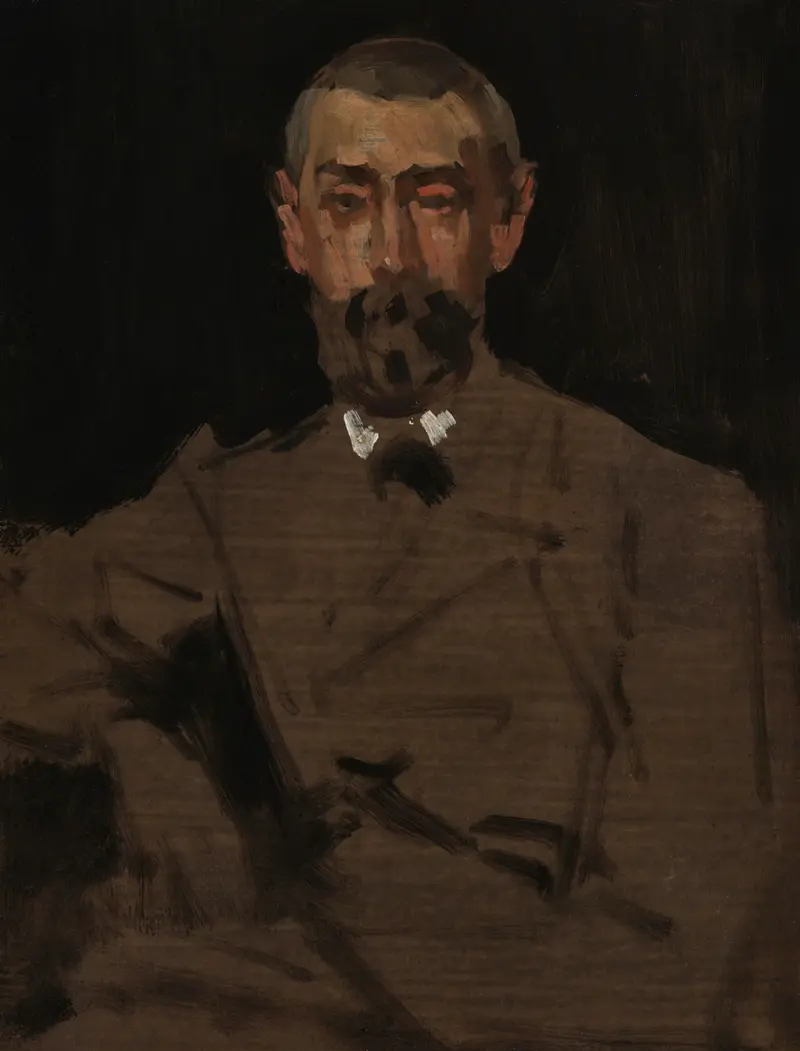
Portrait of M. R. Elden
James McNeill Whistler
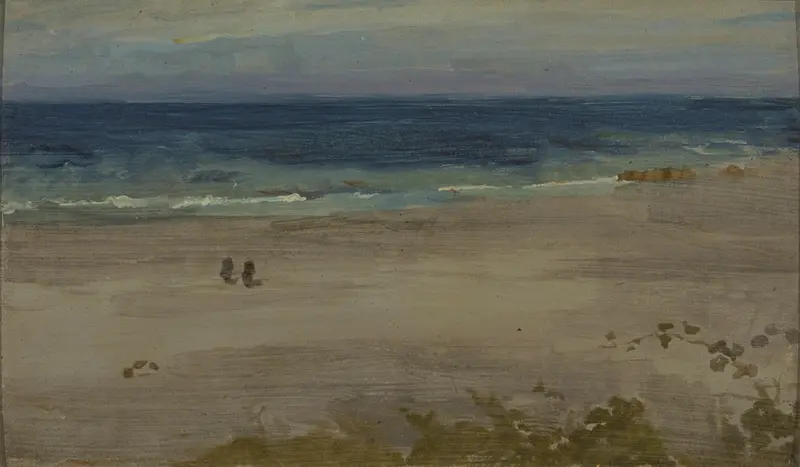
The Blue Sea
James McNeill Whistler
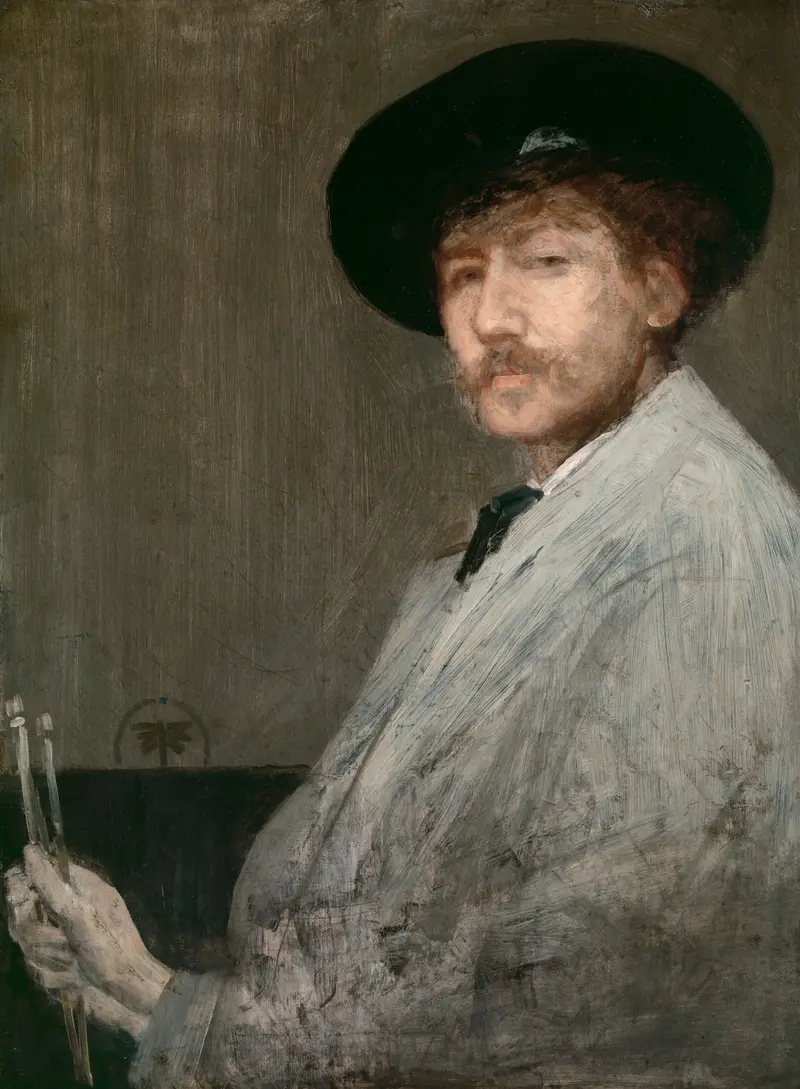
Arrangement in Gray: Portrait of the Painter
James McNeill Whistler
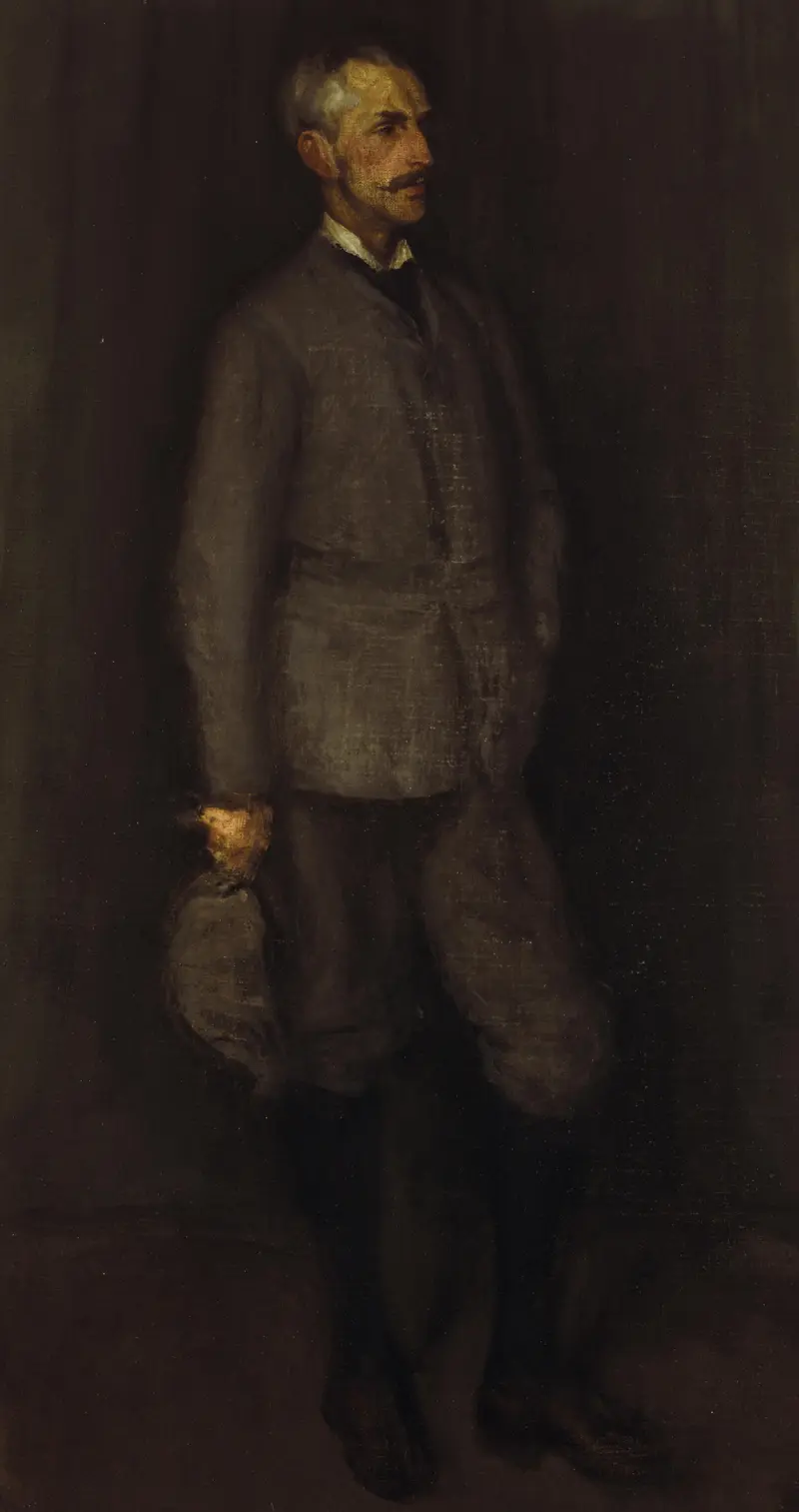
Arrangement in Grey and Green. Portrait of John James Cowan
James McNeill Whistler
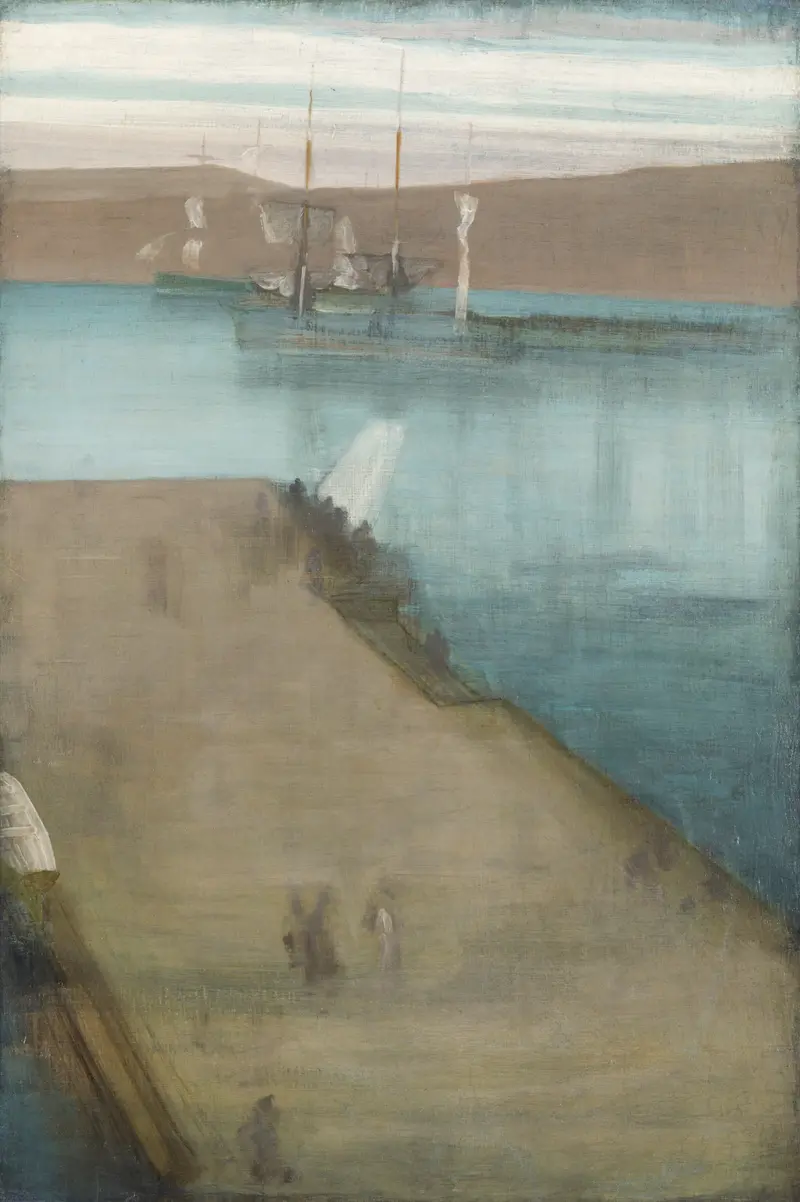
Valparaiso Harbor
James McNeill Whistler
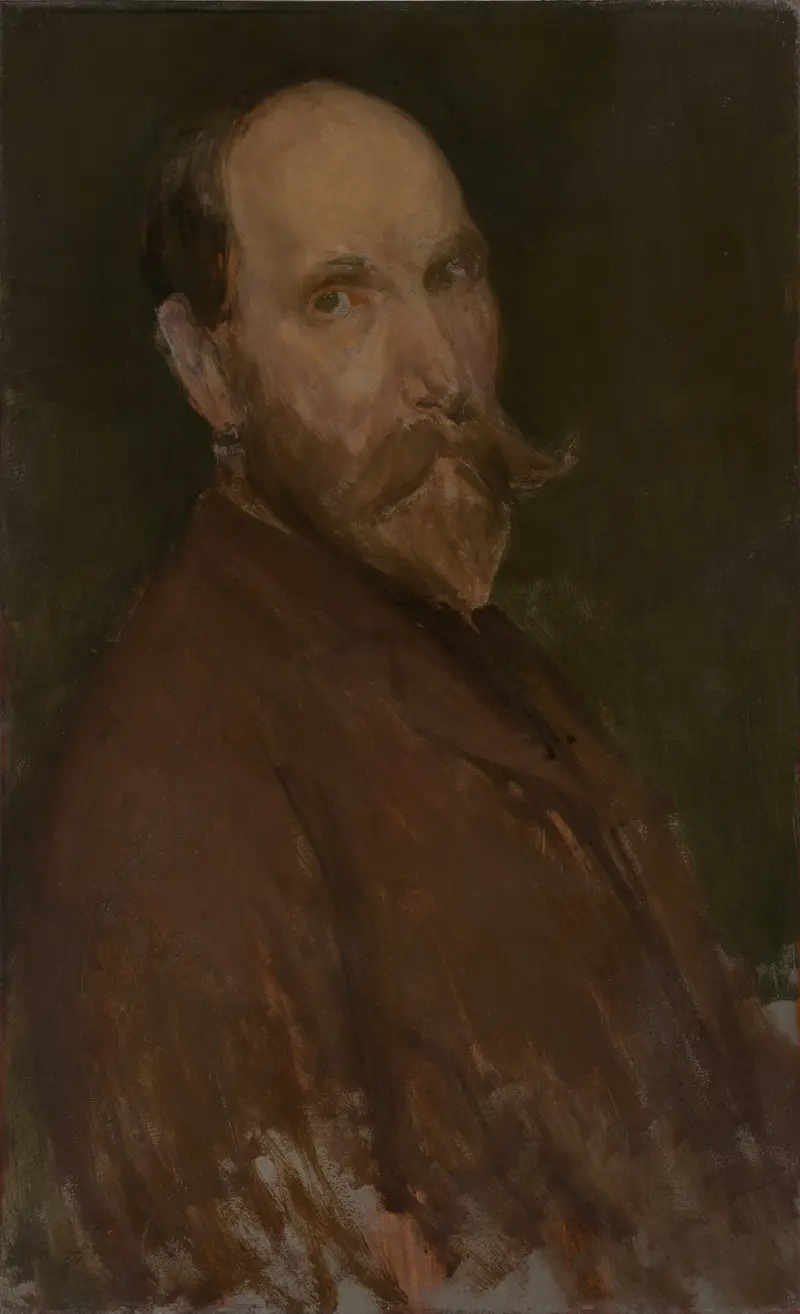
Charles Lang Freer
James McNeill Whistler
More Genre Scene Art

Banquet of the Officers of the St George Civic Guard
Frans Hals

Rembrandt and Saskia in the Scene of the Prodigal Son
Rembrandt van Rijn

Bal du moulin de la Galette
Pierre-Auguste Renoir

Quadrille at the Moulin Rouge
Henri de Toulouse-Lautrec

A Burial at Ornans
Gustave Courbet

When Will You Marry?
Paul Gauguin