
Chemin de l’écluse, Saint-Ouen-l’Aumône — History & Facts
Did the painter know this moment would outlive them? In Chemin de l’écluse, Saint-Ouen-l’Aumône, the passage of time is palpable, a testament to the beauty found in decay. Each brushstroke captures a fragile scene, reminding us of nature’s relentless march and the artistry that can preserve fleeting moments. Focus on the gentle winding path that draws the eye through the landscape, leading us into a world where the light dances upon the water's surface. Notice how Pissarro employs soft greens and muted browns to evoke the tranquility of the countryside.
The juxtaposition of the vibrant foliage against the serene canal creates a harmonious balance, while the brushwork — a blend of impressionistic softness and precise detail — invites the viewer to linger. Within this idyllic setting lies an underlying tension — the eternal struggle between nature’s vitality and the inevitability of decay. The slightly worn edges of the foliage hint at the passage of seasons, while the calm water reflects both the vibrant life around it and the quiet acceptance of change. There’s a duality in the landscape, where beauty flourishes alongside the specter of decline, urging us to appreciate the transient moments that shape our existence. In 1882, the artist painted this work while residing in France during a period of artistic exploration and innovation.
As a pivotal figure in the Impressionist movement, Pissarro was deeply engaged with depicting everyday life, and this piece exemplifies his focus on the subtleties of light and atmosphere. At this time, France was experiencing significant social and artistic transformations, which provided fertile ground for his explorations in color and form.
More Artworks by Camille Pissarro
Browse all →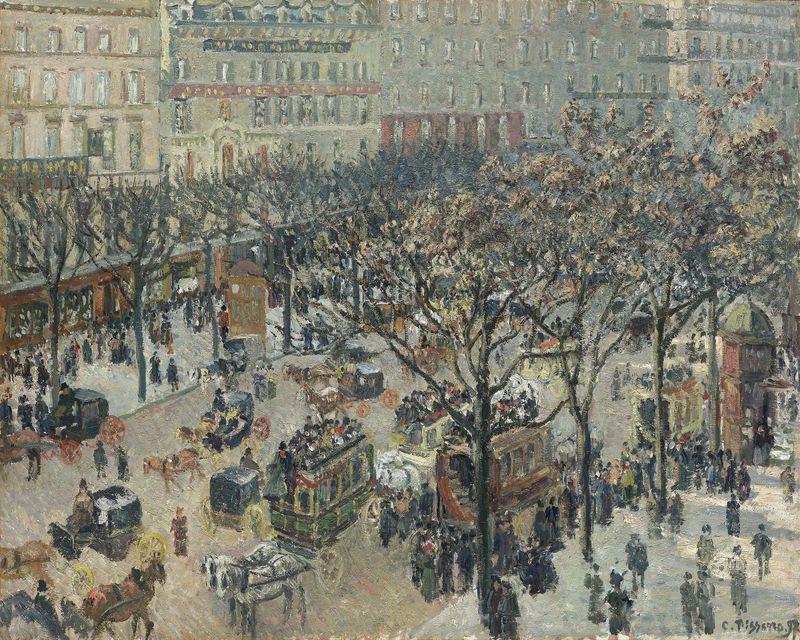
Boulevard des Italiens,Morning_Sunlight
Camille Pissarro
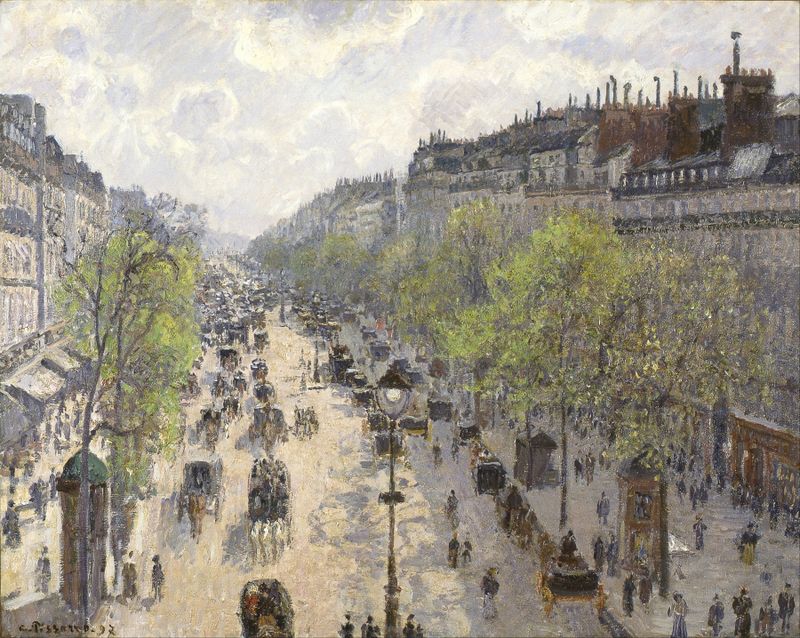
Boulevard Montmartre, Spring
Camille Pissarro
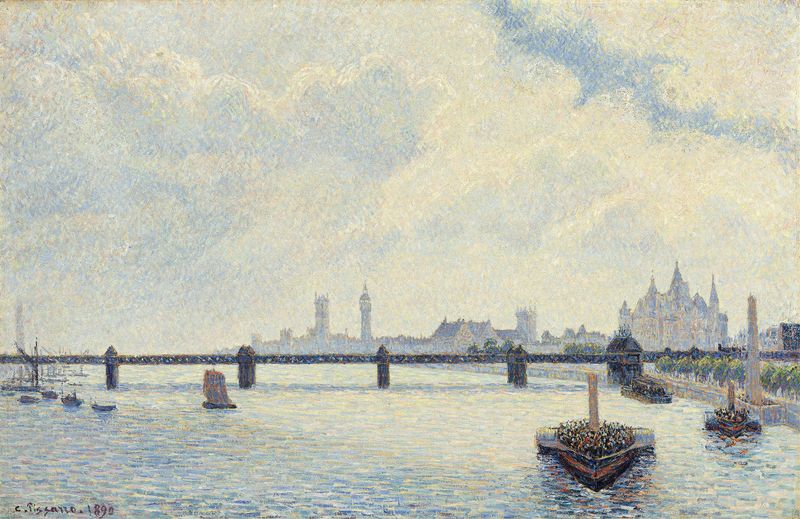
Charing Cross Bridge,London
Camille Pissarro
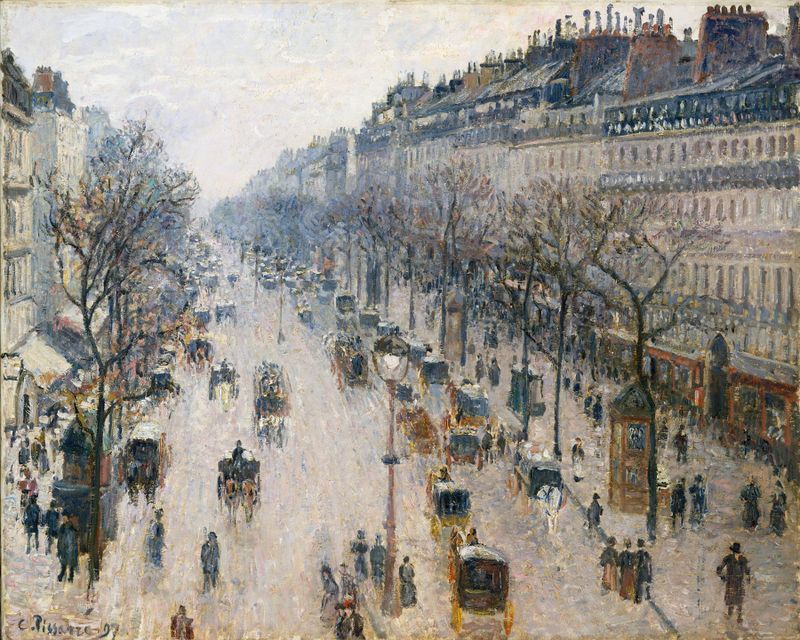
The Boulevard Montmartre on a Winter Morning
Camille Pissarro
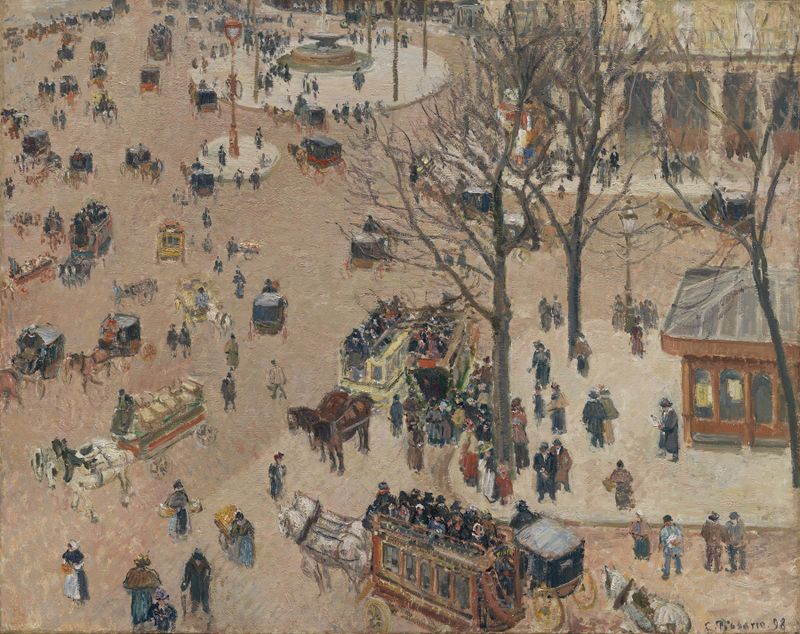
La Place du Théâtre Français
Camille Pissarro

Rue Saint-Lazare, Paris
Camille Pissarro
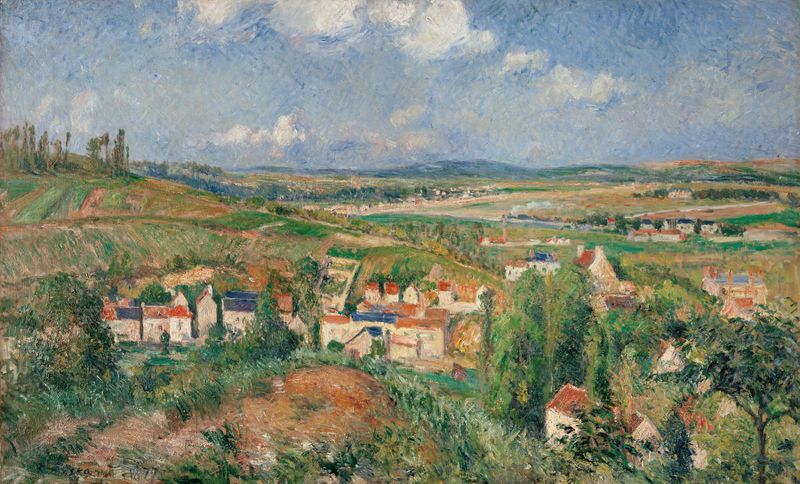
L’hermitage En Été, Pontoise
Camille Pissarro

Place du Theatre Francais,Fog Effect
Camille Pissarro
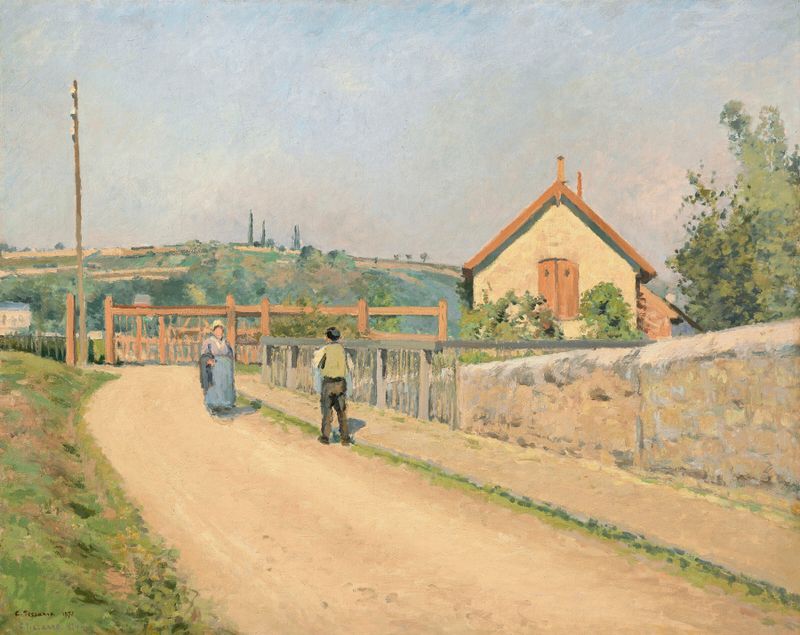
La barrière du chemin de fer, aux Pâtis près Pontoise
Camille Pissarro
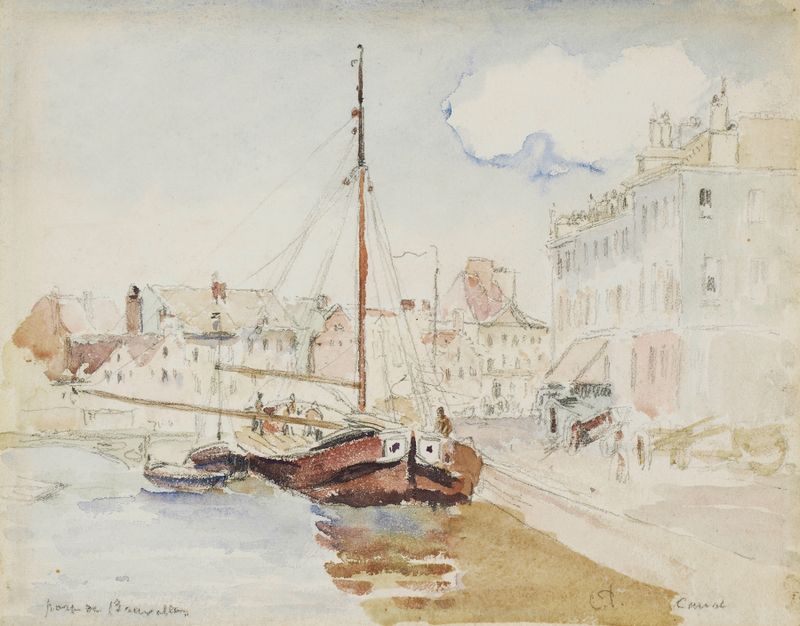
Port de Bruxelles
Camille Pissarro





