
Cheval Cabré au Tapis de Selle Rouge — History & Facts
When Théodore Géricault exhibited Cheval Cabré au Tapis de Selle Rouge in 1812, he was just twenty-one years old, but already his daring approach to equestrian subjects was turning heads in Paris. This early work is especially notable because it marks one of the first times the artist’s fascination with horses—later so central to his career—took center stage on canvas. While horses had long been a noble subject in French art, Géricault’s choice to focus so intently on a single animal, stripped of riders or narrative, was seen as a bold departure from the conventions of the Neoclassical school that dominated the era.
Critics of the time remarked on the animal’s energy and presence, noting the youthful artist’s “ardent study of nature.” The painting captures a powerful moment: a horse, rearing in profile, its sinewy muscles tense beneath a brilliant red saddlecloth. The animal’s wild eye and flared nostrils suggest a spirit not yet broken, a favorite theme of Géricault’s, who saw in horses both beauty and untamed force. The deep shadows and dramatic lighting heighten the sense of movement, setting the animal against a subdued background that throws its form into sharp relief.
The red saddlecloth is not mere ornament—it signals the horse’s readiness for action, perhaps military service, echoing the era’s fascination with cavalry and the Napoleonic wars. Unlike the stately calm of George Stubbs’s horses, Géricault’s beast seems caught in a flash of rebellion, closer in spirit to the dynamic studies of Rubens. The precise early history of Cheval Cabré au Tapis de Selle Rouge remains somewhat obscure, as is often the case with Géricault’s youthful works, which were sometimes sold privately or gifted to friends and patrons. What is clear is that the painting belongs to a formative period when the artist was breaking away from academic routines and immersing himself in the study of equine anatomy at the imperial stables of Versailles.
Today, the painting is valued as a key stepping stone toward Géricault’s later triumphs, such as The Charging Chasseur and The Raft of the Medusa, where the same energy and empathy for living beings would find even more dramatic expression. The current whereabouts of the painting are not widely publicized, but it is frequently cited in catalogues as a prime example of Géricault’s early promise and his lifelong passion for the horse.
More Artworks by Théodore Géricault
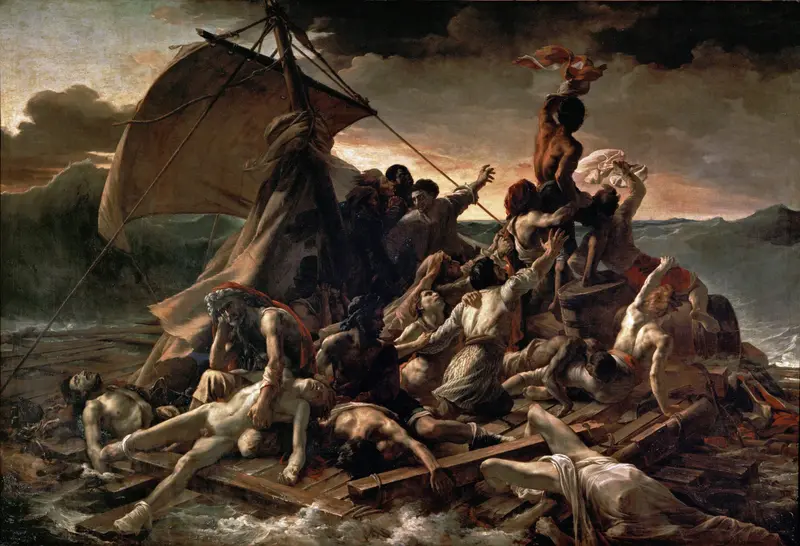
The Raft of the Medusa
Théodore Géricault

Géricault - Le naufrage du radeau de la Méduse, MBA 790
Théodore Géricault
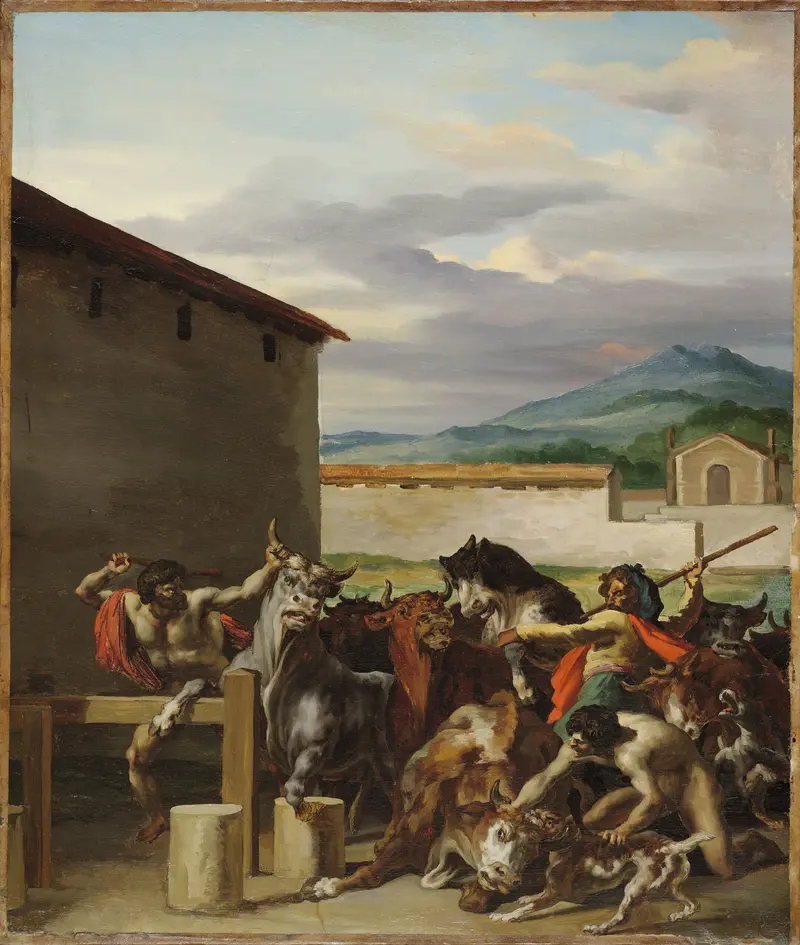
Cattle Market
Théodore Géricault
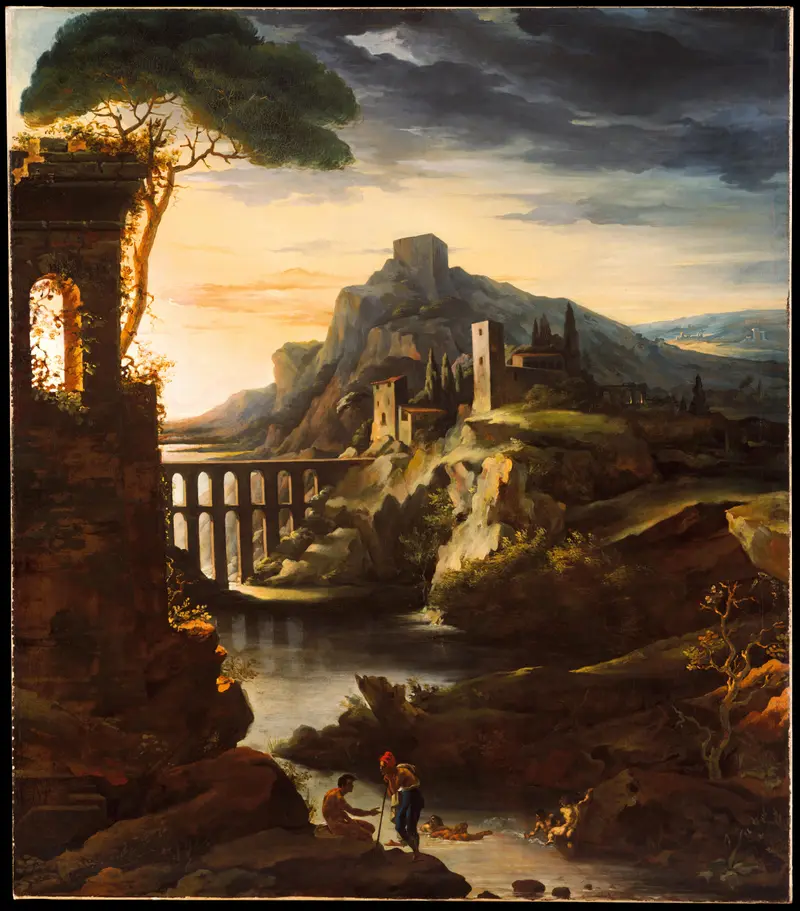
Evening; Landscape with an Aqueduct
Théodore Géricault
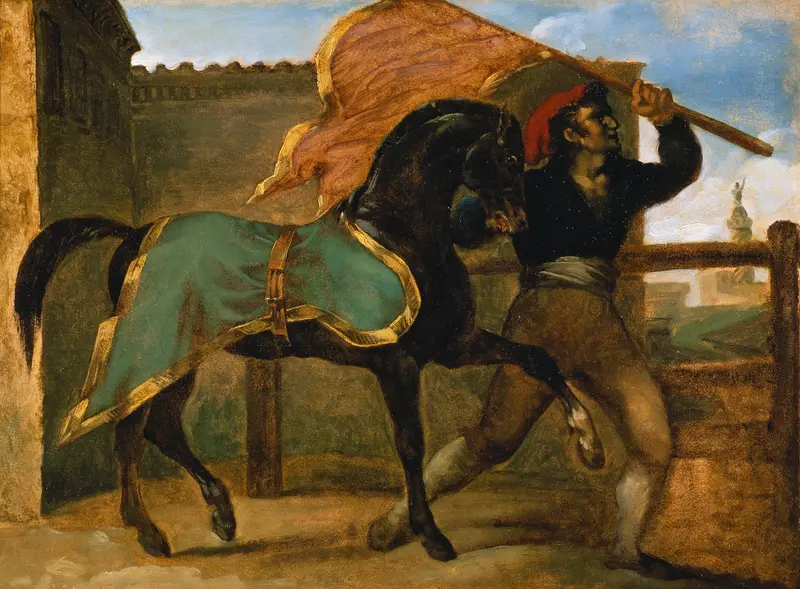
Horse Race
Théodore Géricault

Horses Standing in a Mews
Théodore Géricault
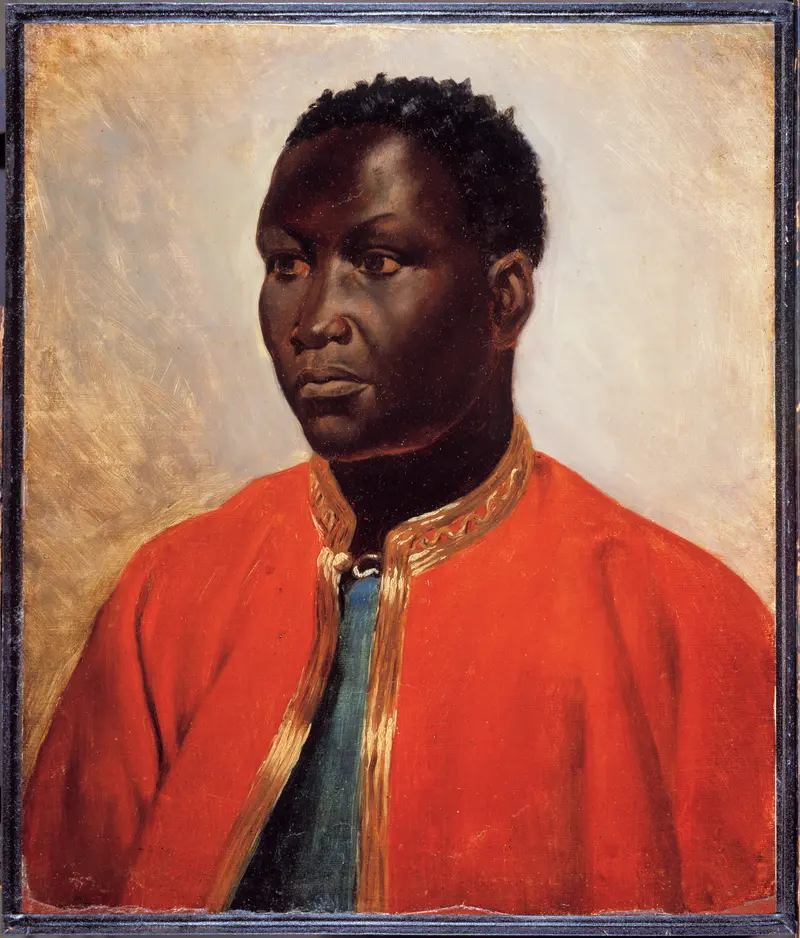
Portrait of a Negro
Théodore Géricault
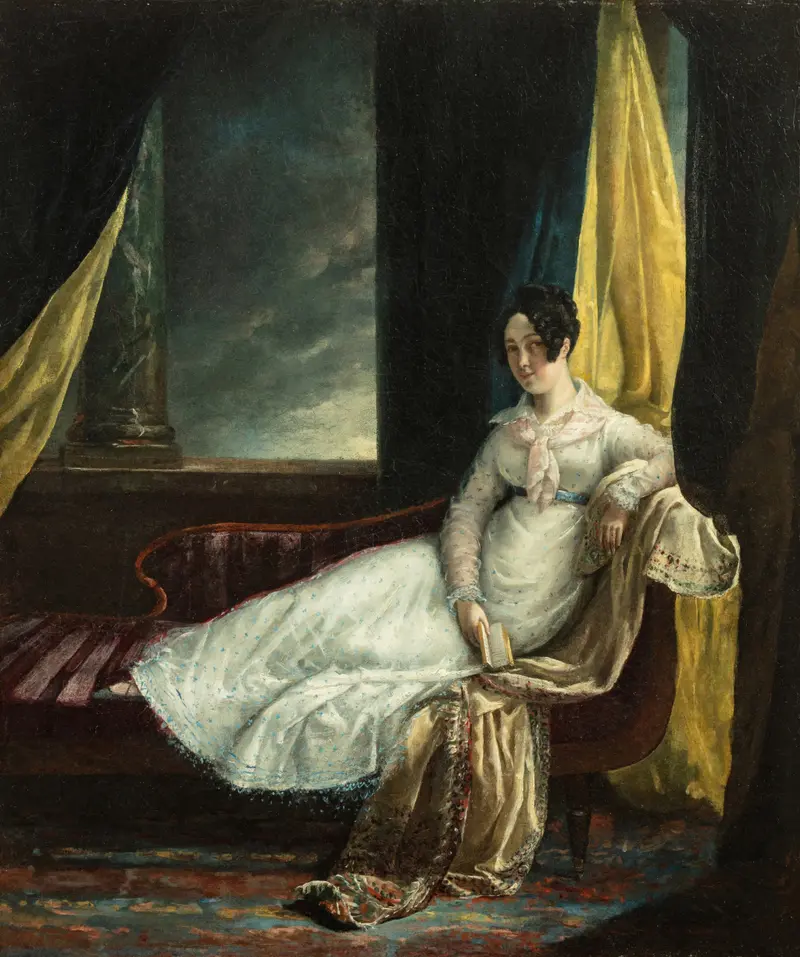
Portrait of Zoë Elmore
Théodore Géricault
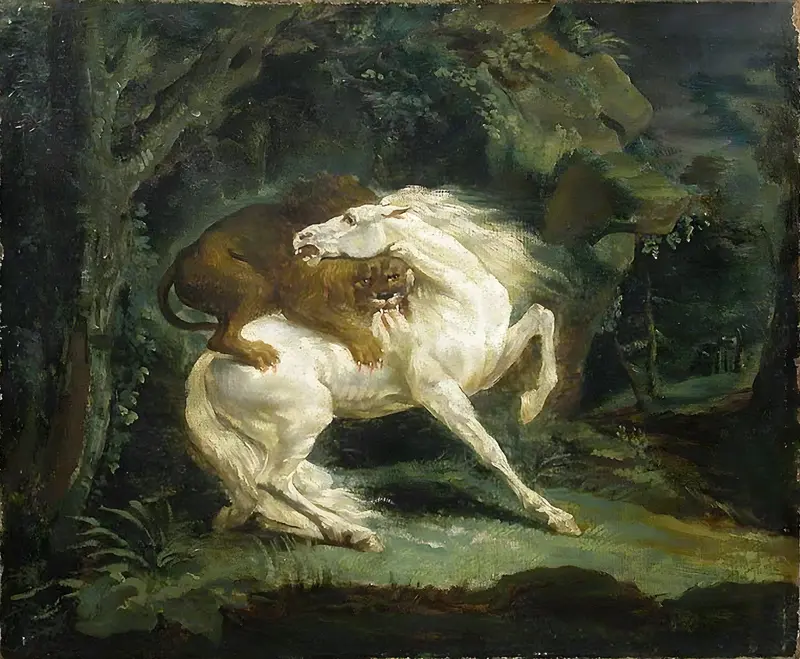
Cheval attaqué par un lion
Théodore Géricault
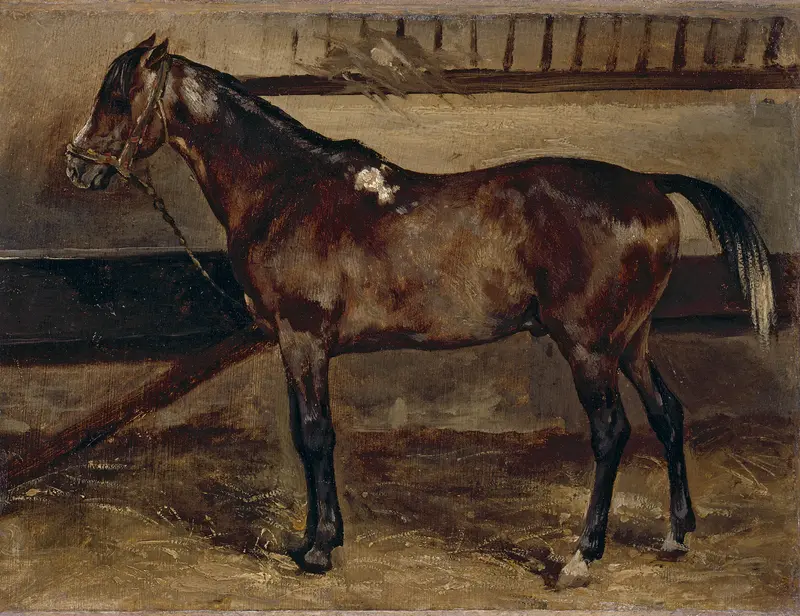
Cheval brun à l'écurie
Théodore Géricault





