
Chilkia leest de wetten voor aan koning Josia — History & Facts
In Chilkia leest de wetten voor aan koning Josia, madness looms just beneath the surface of order, whispering secrets of power and consequence. Look to the center of the canvas, where Chilkia stands with an air of authority, his posture poised yet unsettling. Notice how the soft light illuminates his face, casting shadows that dance across the parchment—a symbol of law and governance. The contrasting dark robes of King Josia absorb the light, grounding the scene in solemnity.
Each figure is meticulously rendered, the intricacies of their garments and the texture of the paper inviting the viewer to explore the depths of this tense moment. Within the vibrant palette lies an unsettling harmony. The vibrant colors, particularly the reds and golds, suggest both the wealth of the kingdom and the weight of responsibility carried by its leaders. The gaze of Josia, half-lost in contemplation, hints at uncertainty, while Chilkia's fervent expression implies a fervor that borders on madness—a testament to the burdens of leadership.
In this moment, the contrast between duty and the chaos it may unleash is palpable, as the laws read aloud resonate with the potential for both order and rebellion. In 1538, Holbein was reflecting the shifting tides of power and belief during the Reformation in Europe. He painted this piece while living in England, where he served as court painter for Henry VIII. The political and religious upheaval around him infused his work with a sense of urgency as he sought to capture the complexities of authority and the human condition.
More Artworks by Hans Holbein (II)
Browse all →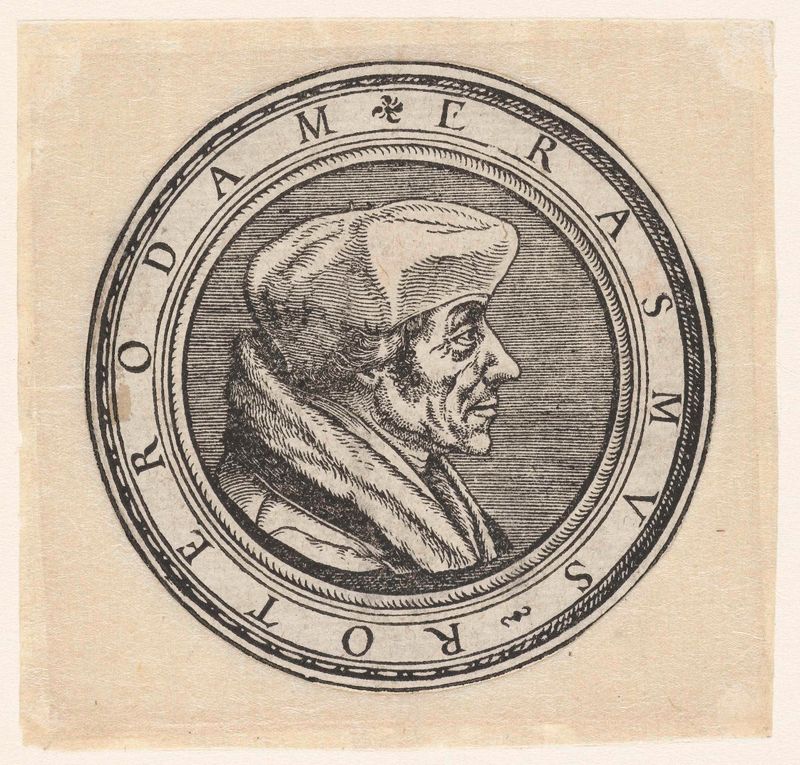
Portret van Erasmus
Hans Holbein (II)
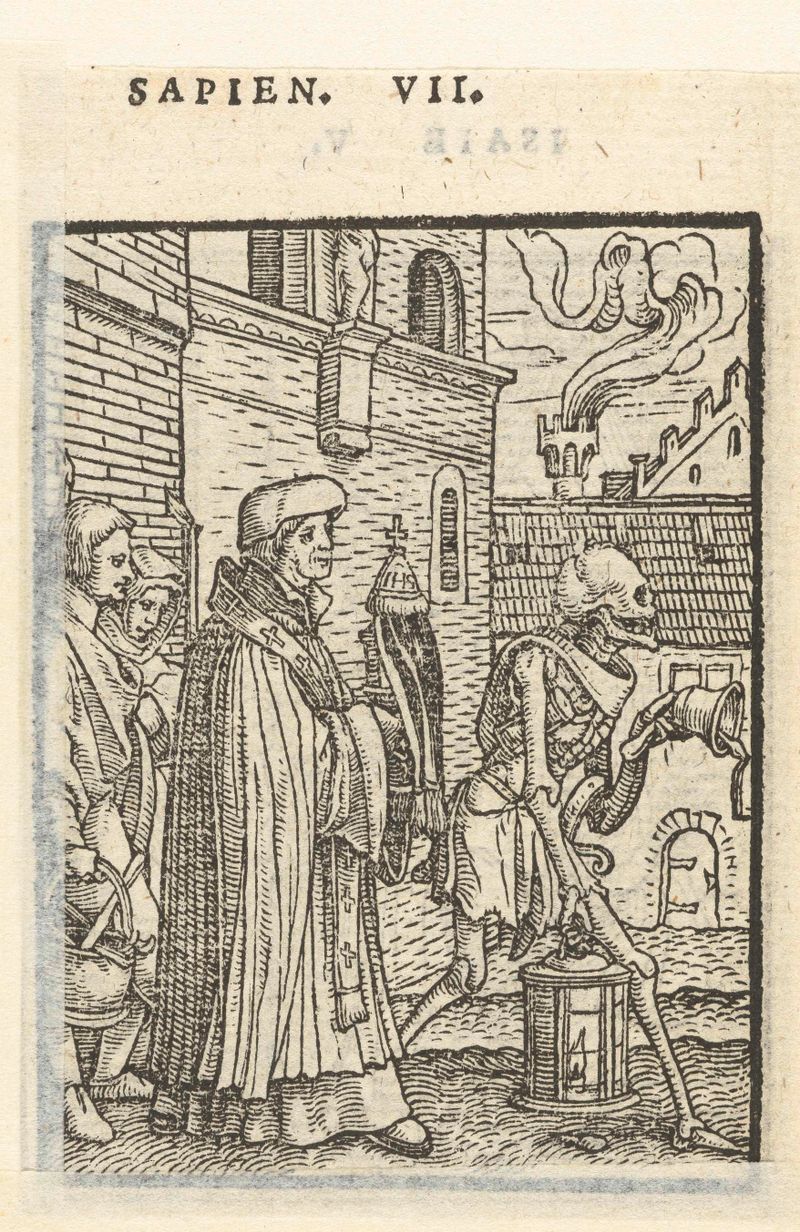
Priester en de Dood
Hans Holbein (II)
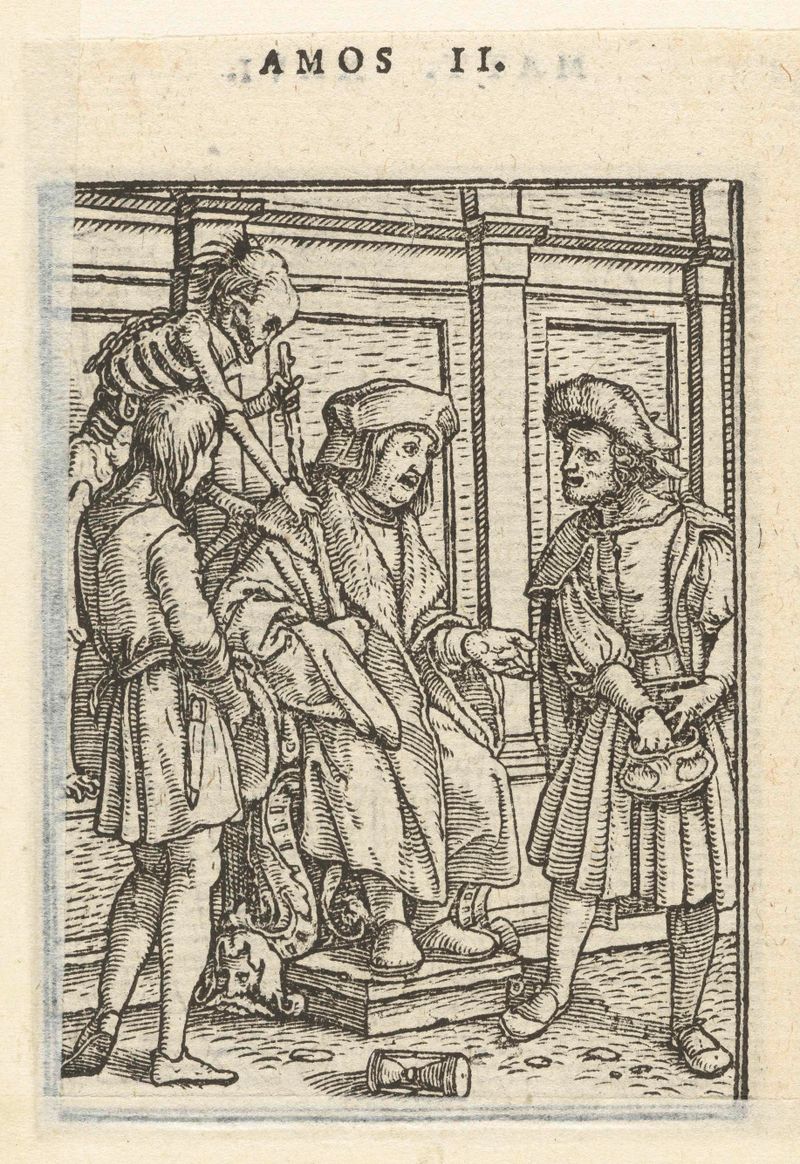
Rechter en de Dood
Hans Holbein (II)
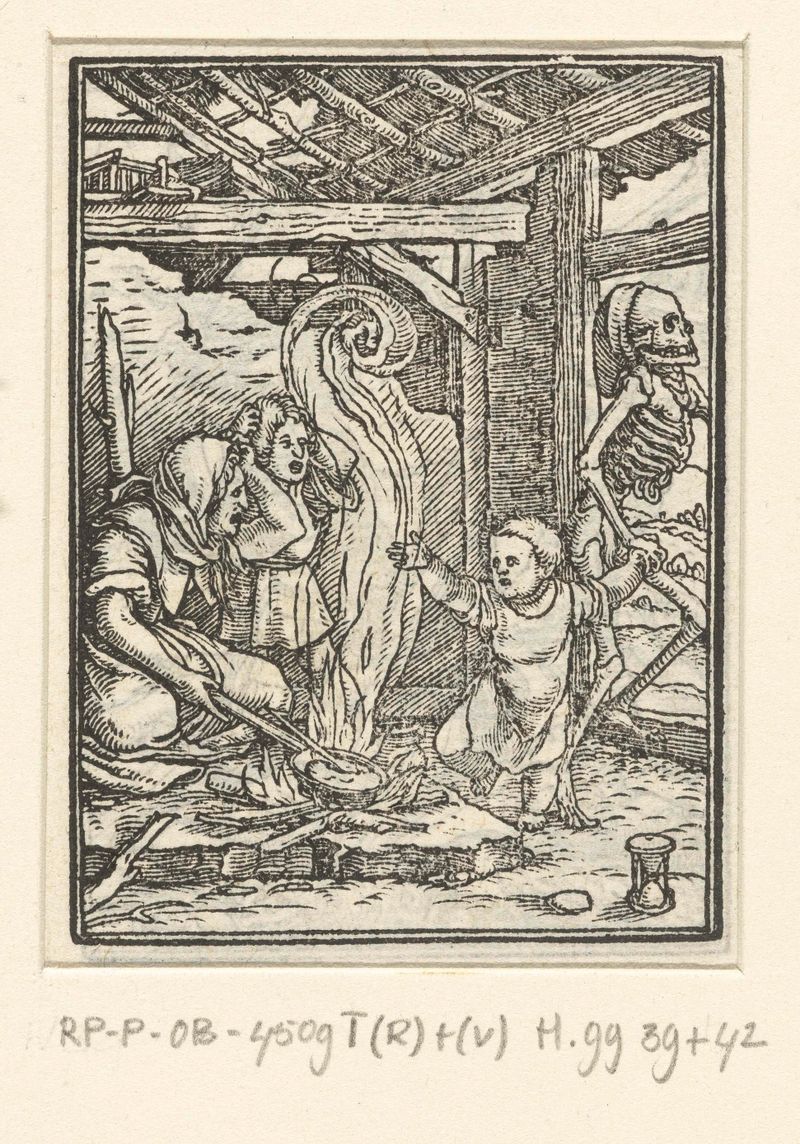
Kind en de Dood
Hans Holbein (II)
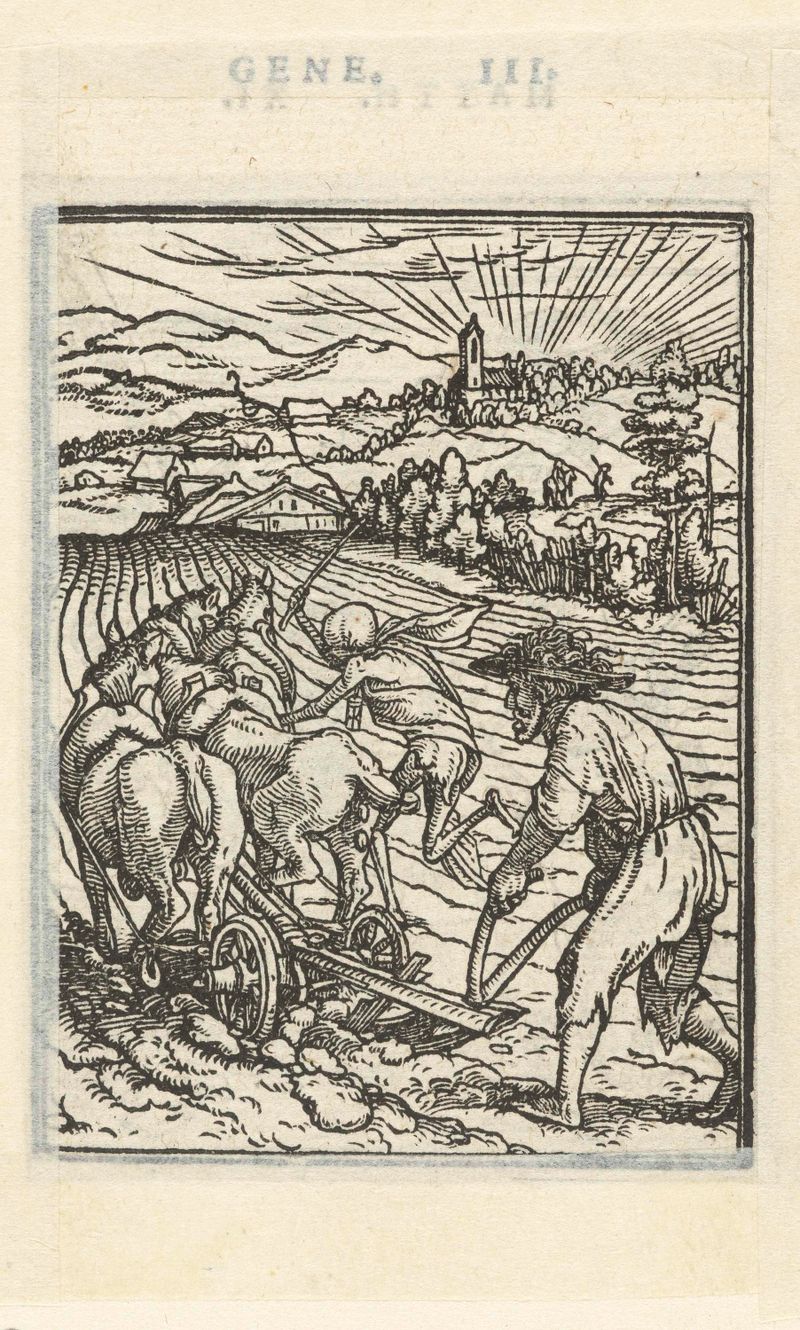
Boer en de Dood
Hans Holbein (II)
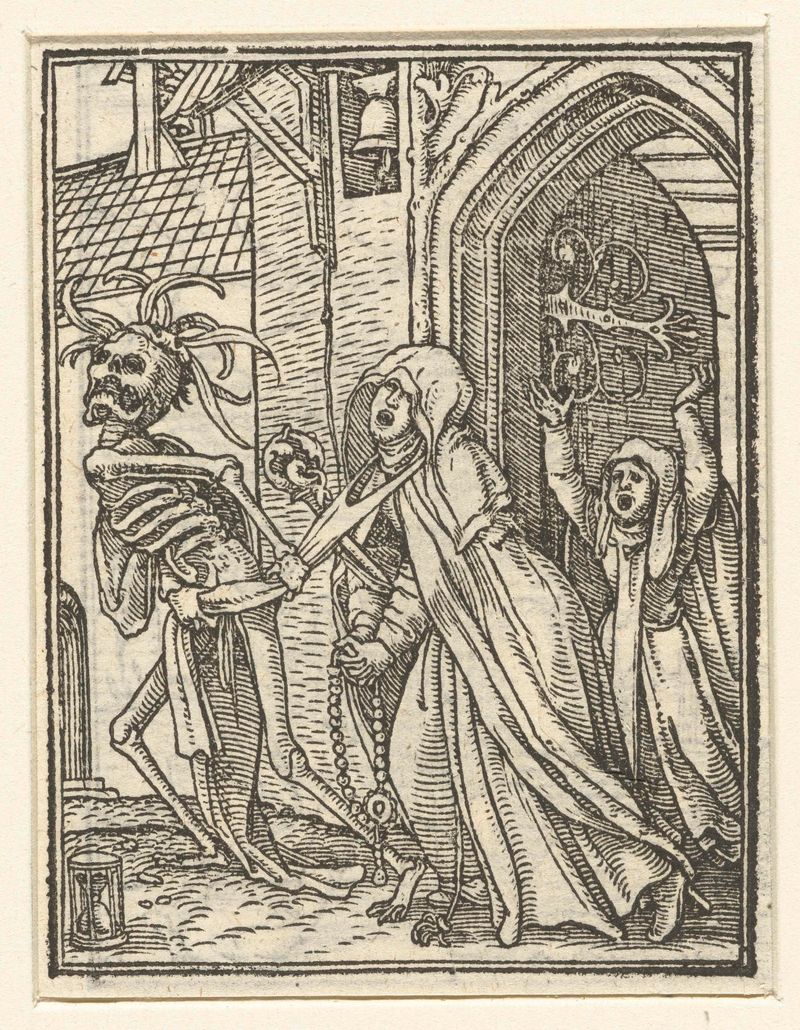
Abdis en de Dood
Hans Holbein (II)
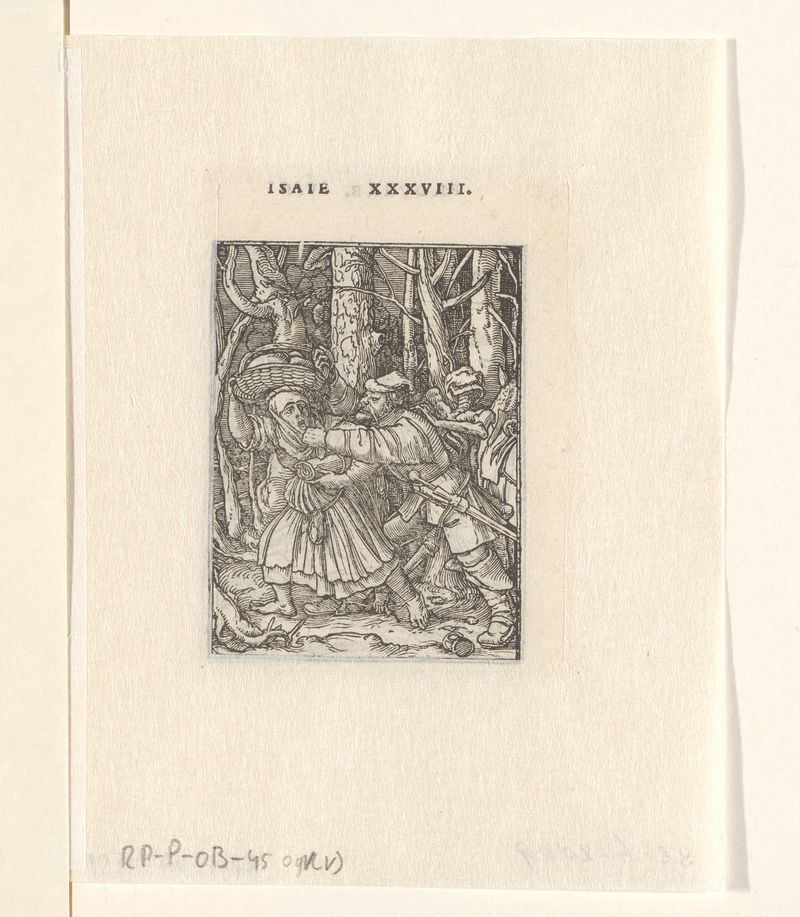
Dief en de Dood
Hans Holbein (II)
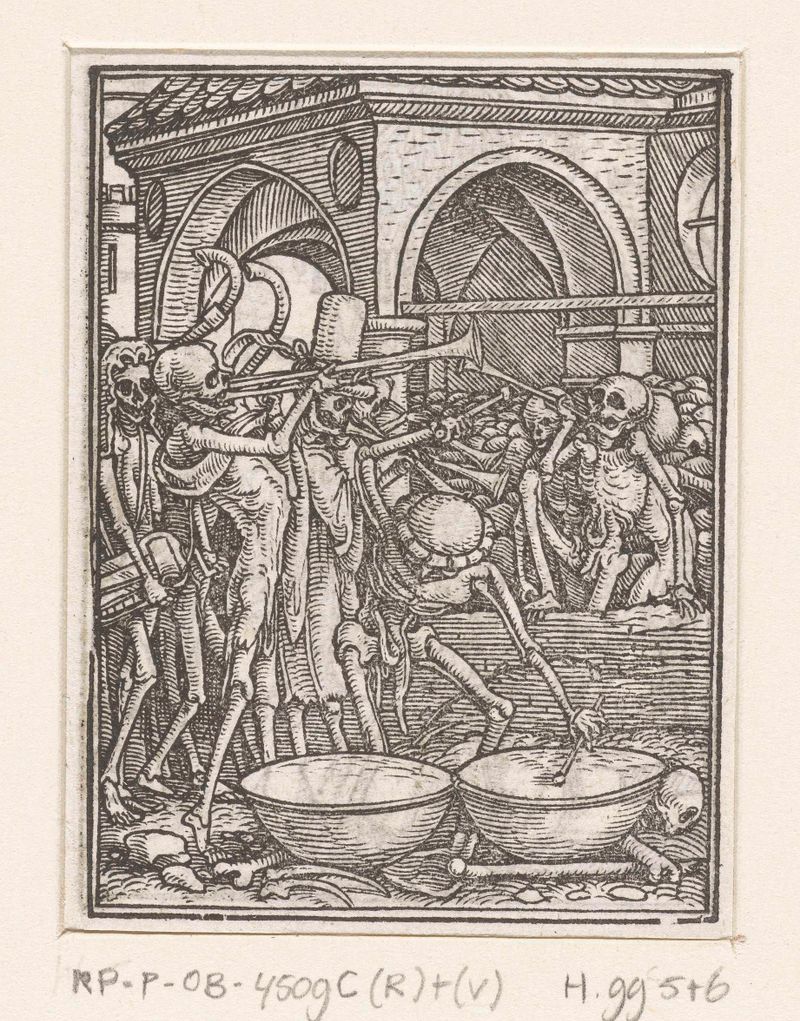
Skeletons Making Music from Dance of the Dead
Hans Holbein (II)
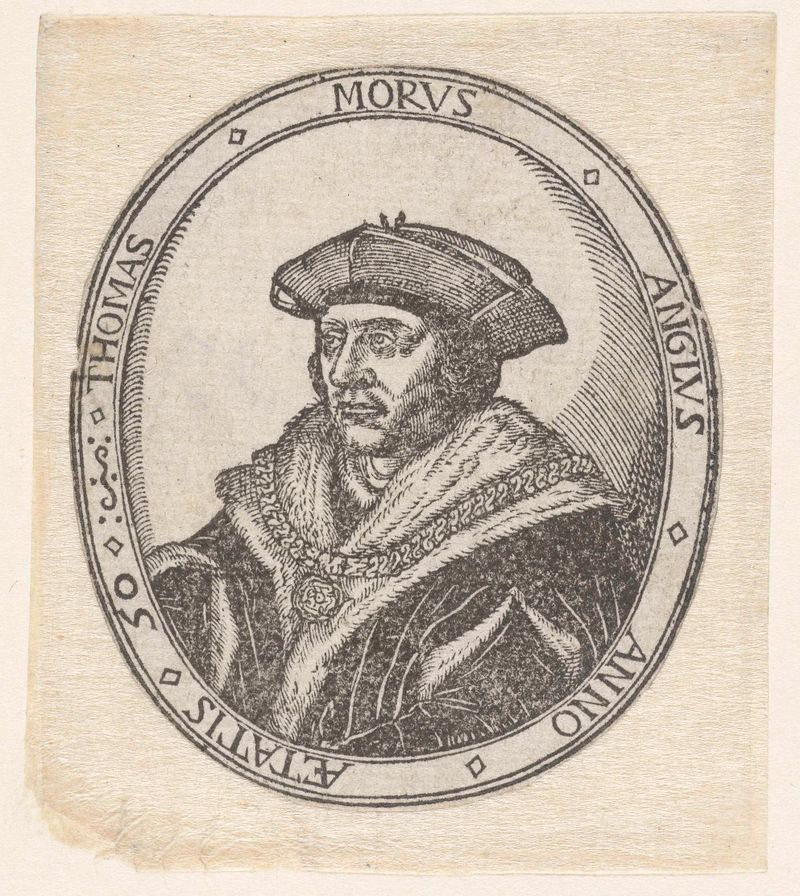
Portret van Thomas More
Hans Holbein (II)
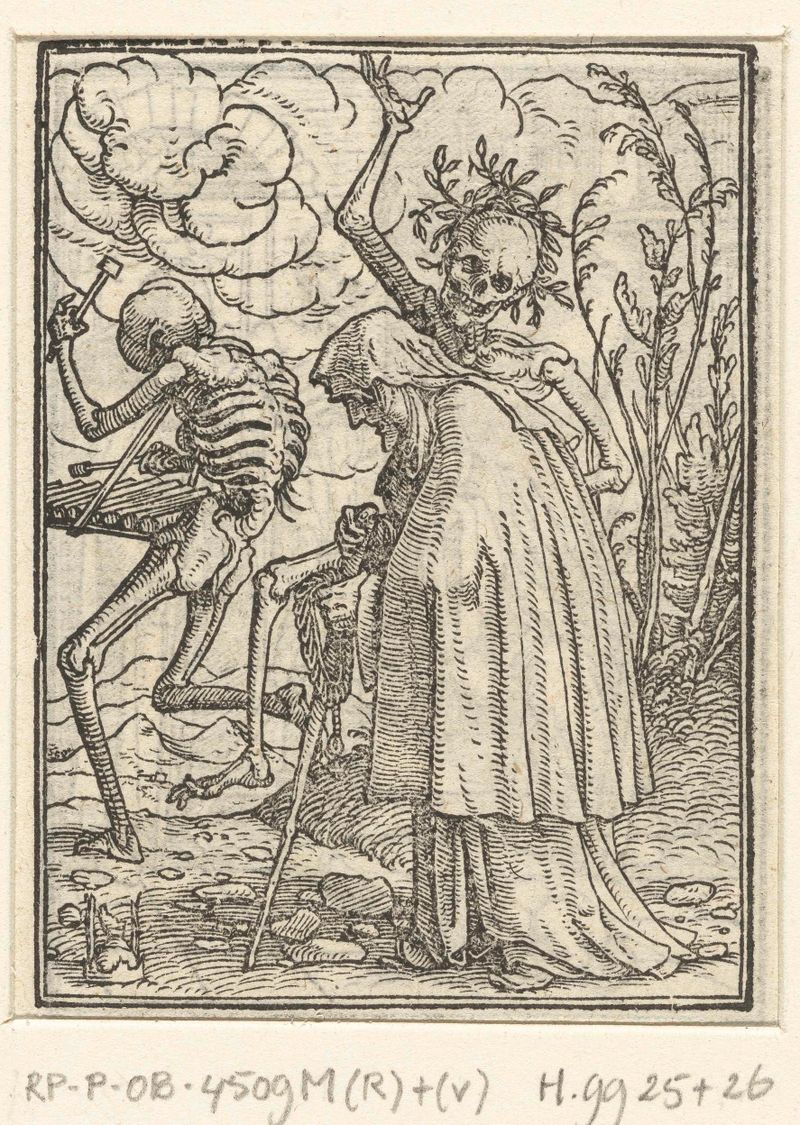
Oude vrouw en de Dood
Hans Holbein (II)
More Historical Art
Browse all →
The Night Watch Militia Company of District II under the Command of Captain Frans Banninck Cocq
Rembrandt van Rijn

Lincoln Memorial
Henry Bacon

The Third of May 1808
Francisco de Goya

Isaac and Rebecca, Known as ‘The Jewish Bride’
Rembrandt van Rijn

The Charge of the Mamelukes (1814)
Francisco de Goya

De vier ruiters van de apocalyps
Albrecht Dürer