Chocolat de Villars — History & Facts
What pulls the viewer in first is the sly, almost conspiratorial glance between the fox and the quartet of crows perched above him, each bird rendered in bold, inky black against a field of creamy white and ochre. The fox, painted in a flat, vivid red, gazes upward with a mix of longing and calculation, while one of the crows clutches a bright sign reading “VILLARS”—the prize, the temptation, the object of desire. The tree’s stylized yellow leaves form a stage for this silent drama, and the whole composition is framed by the cool, modernist restraint of the background.
The palette is pared down, the forms simplified, but every gesture is deliberate: the fox’s tail curves in anticipation, the crows huddle protectively, and the sign itself becomes a stand-in for the coveted chocolate. Created in 1905, Chocolat de Villars by Emil Cardinaux belongs to the golden age of the advertising poster, when Swiss and French artists turned commercial commissions into a new kind of public art. At the turn of the twentieth century, posters like this one were designed to catch the eye in city streets and railway stations, using wit, color, and instantly recognizable imagery to make brands unforgettable. The playful reference to the fable of the fox and the crow would have been instantly understood by viewers of the time, linking the product to a clever, memorable story.
Little is recorded about the journey of this particular print, but its bold style and clever narrative remain as fresh as the day it was pasted up in Fribourg—inviting us, even now, to look again and smile at the contest of wits.
More Artworks by Emil Cardinaux
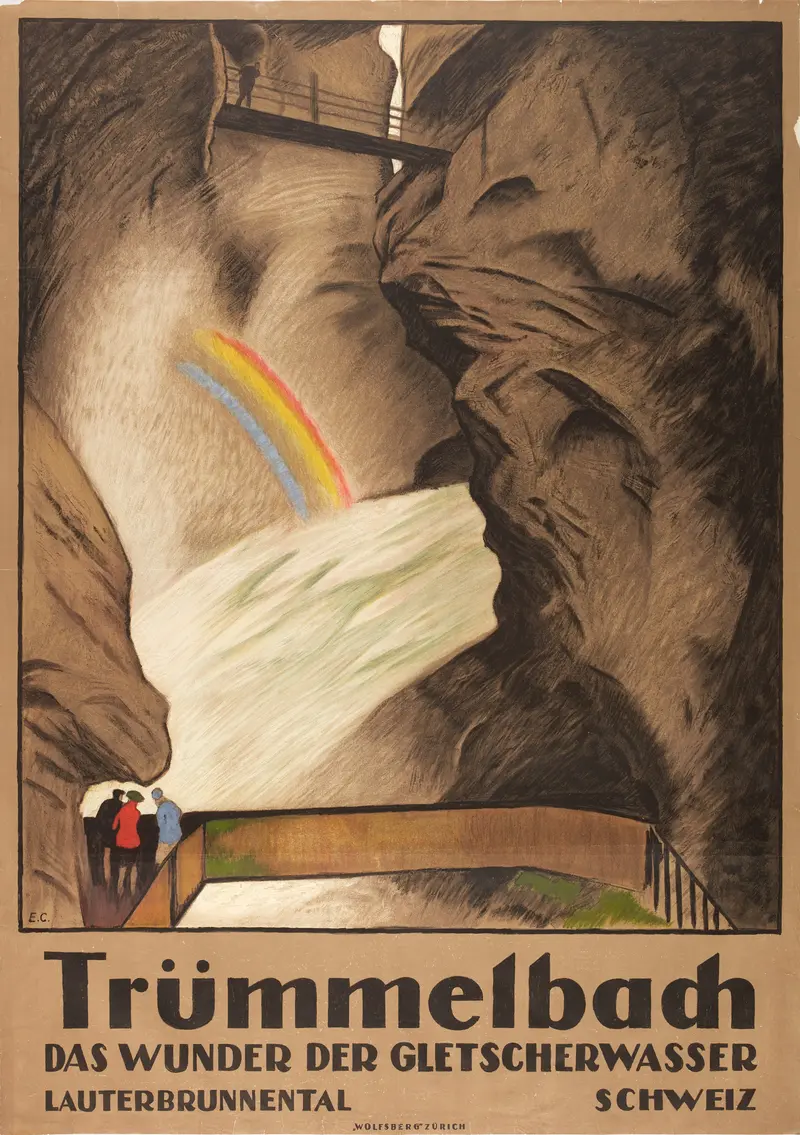
Trümmelbach
Emil Cardinaux
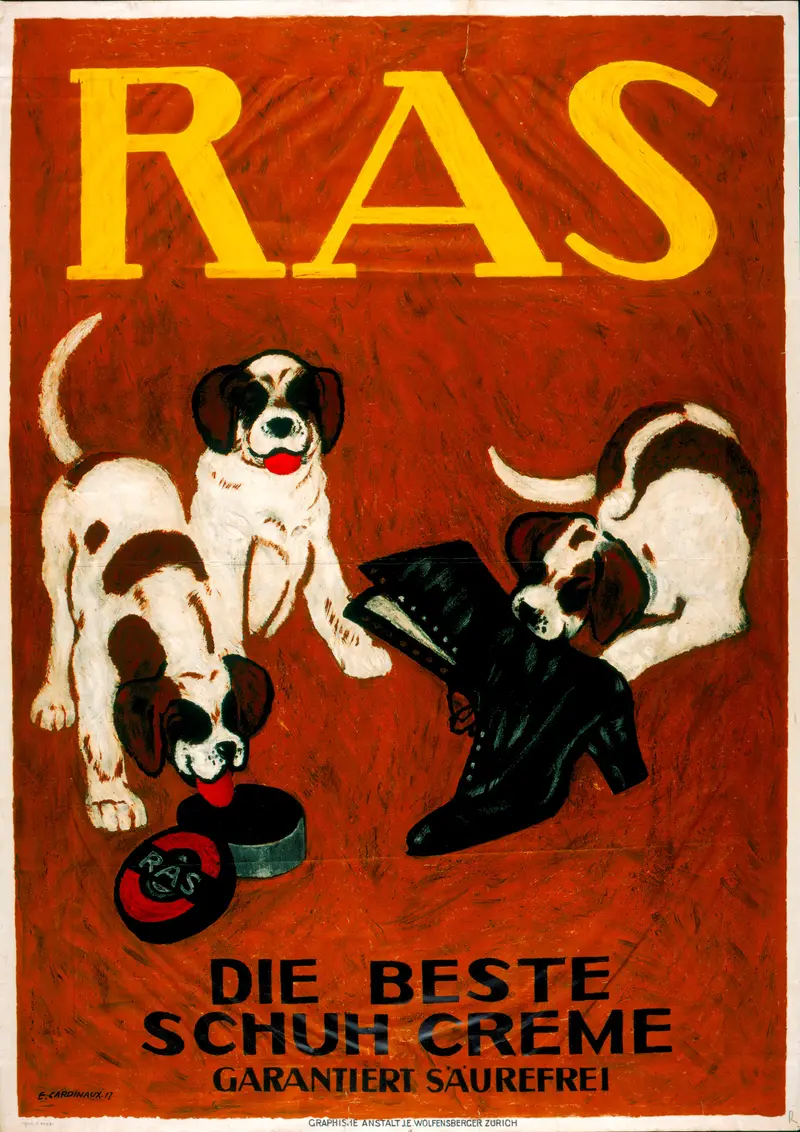
RAS, die beste Schuhcrème
Emil Cardinaux
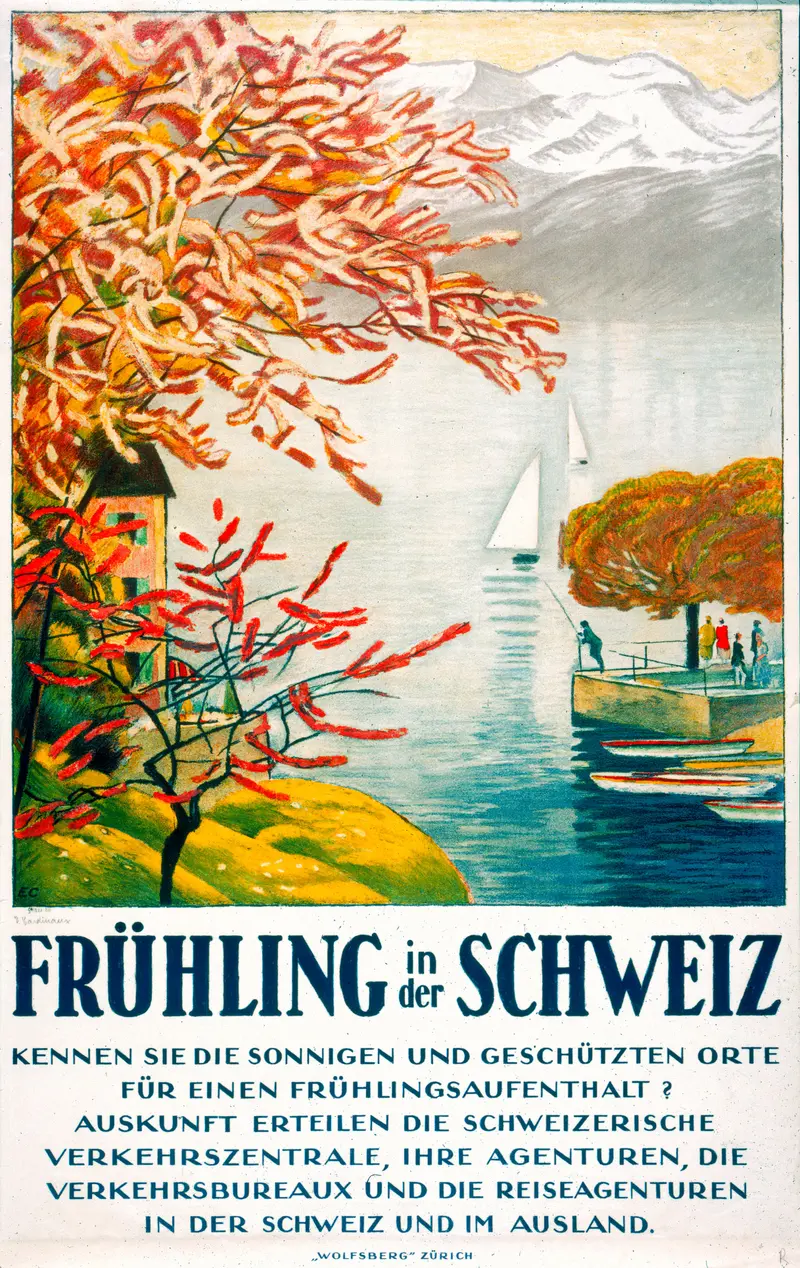
Frühling in der Schweiz
Emil Cardinaux
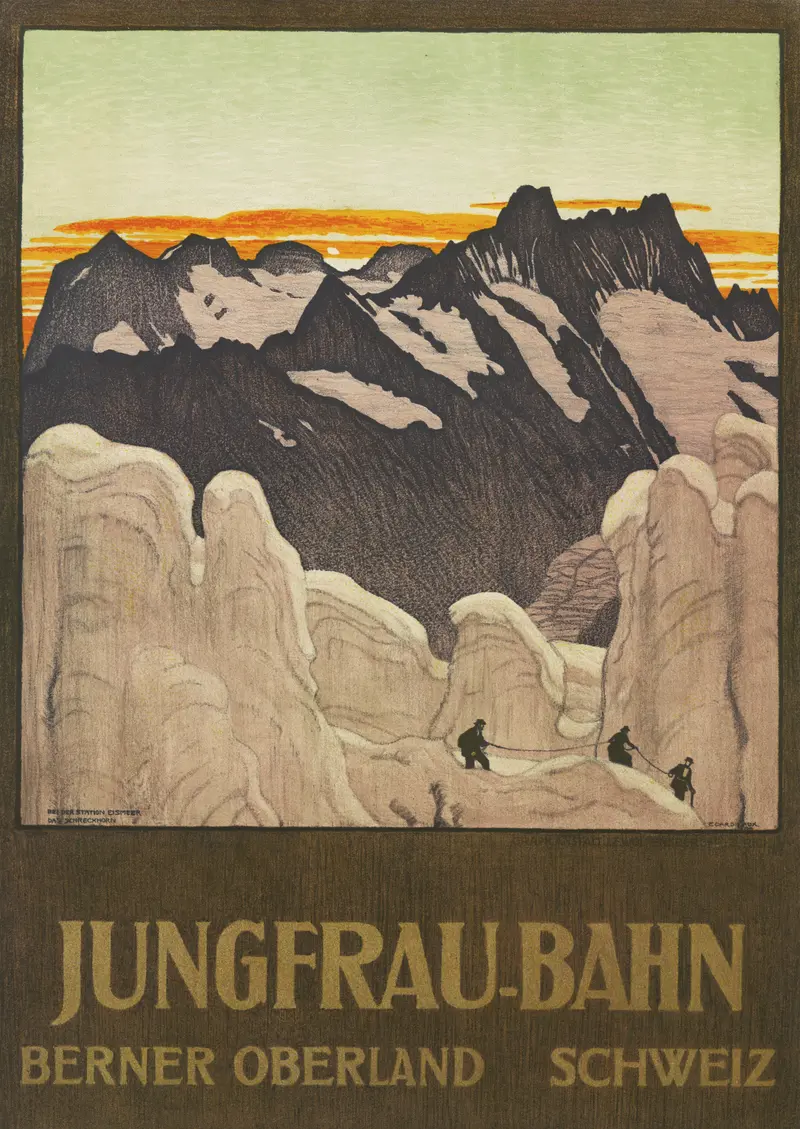
Jungfrau-Bahn, Berner Oberland
Emil Cardinaux
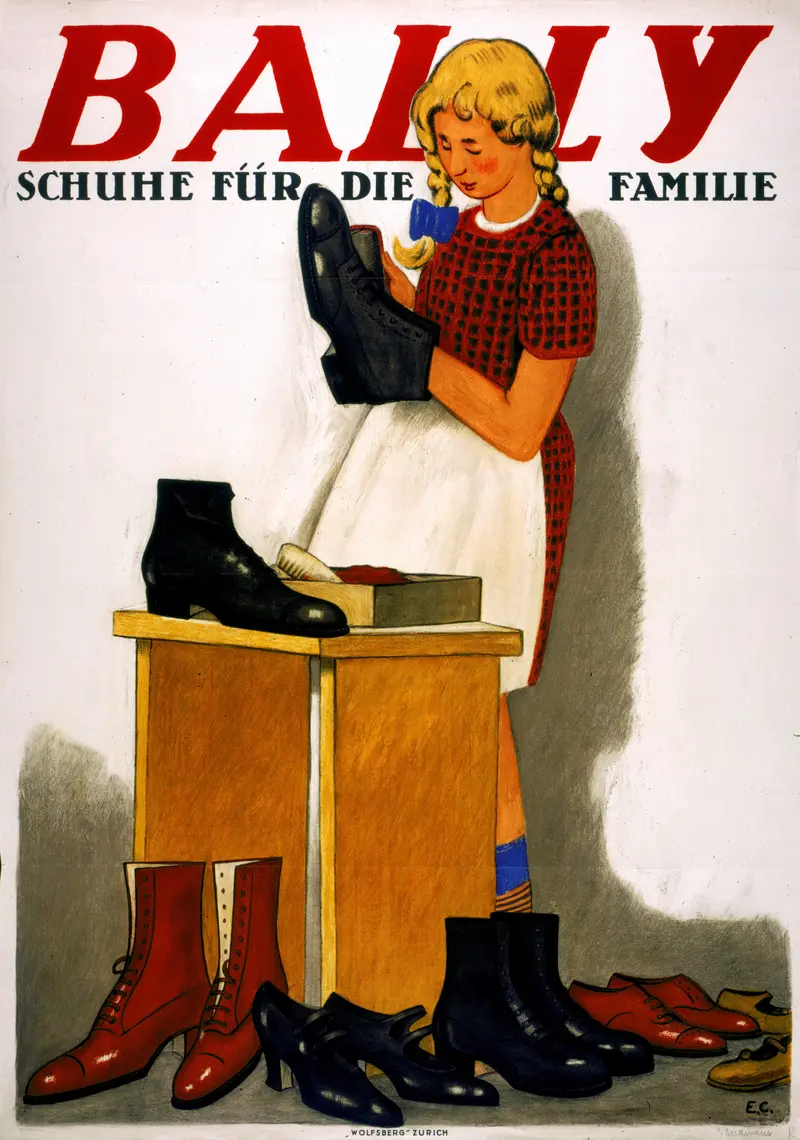
Bally – Schuhe für die Familie
Emil Cardinaux

Winter in Switzerland
Emil Cardinaux
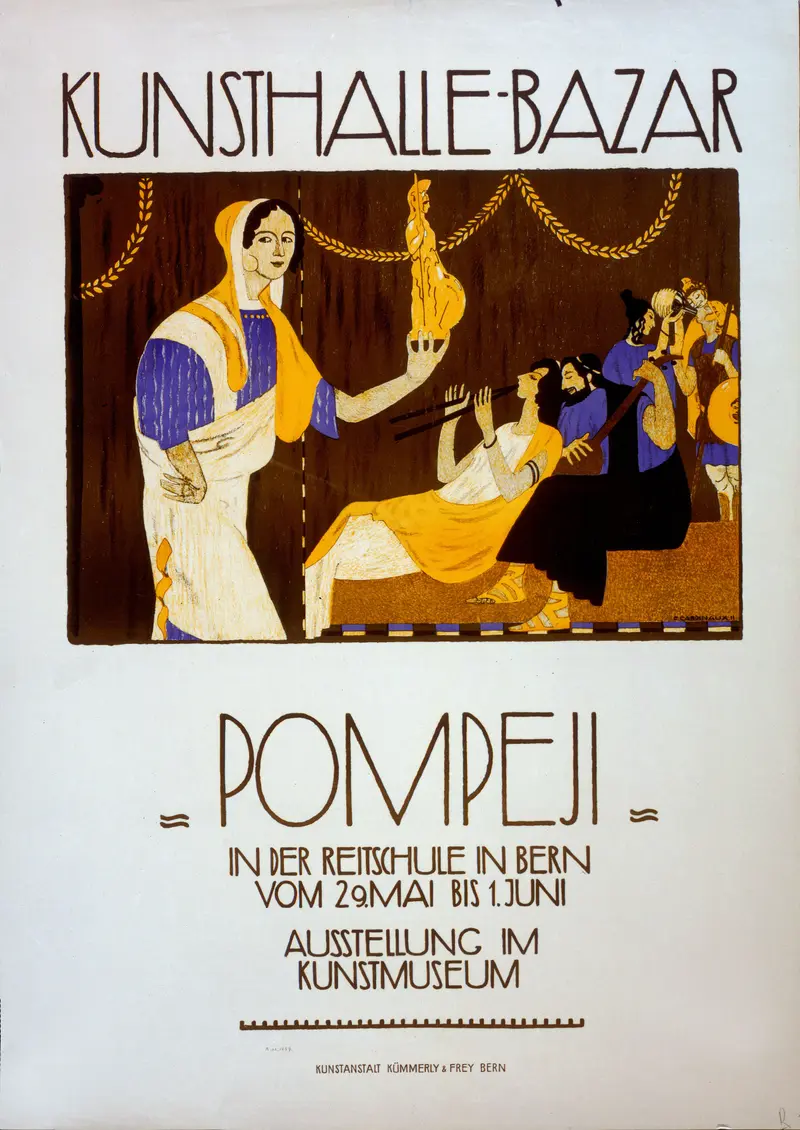
Kunsthalle-Bazar Pompeji, Bern 1911
Emil Cardinaux
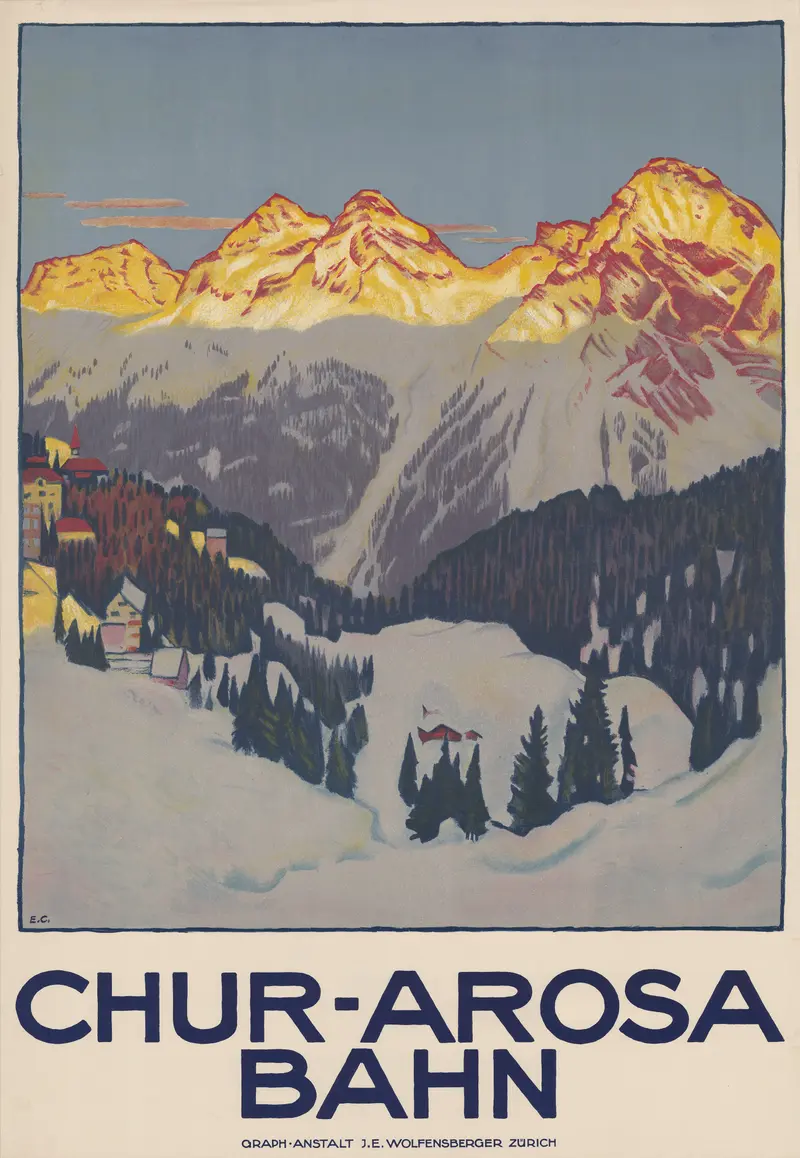
Chur-Arosa-Bahn
Emil Cardinaux
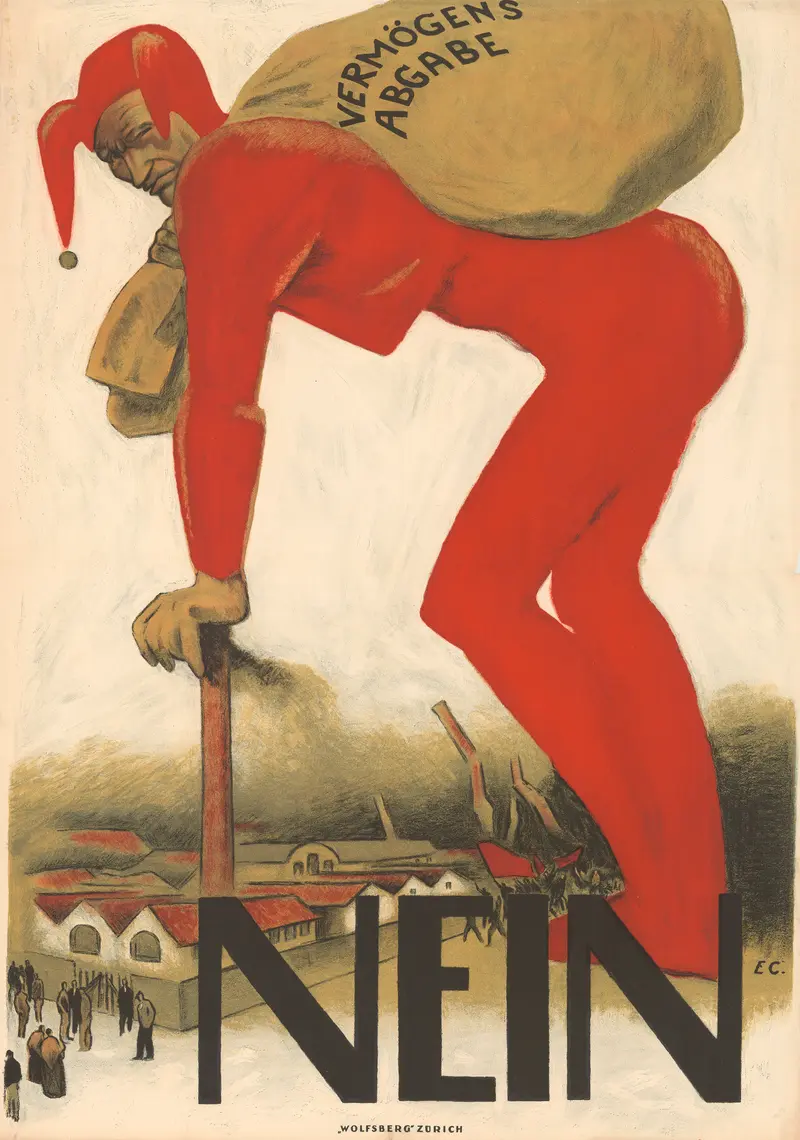
Vermögensabgabe – Nein
Emil Cardinaux
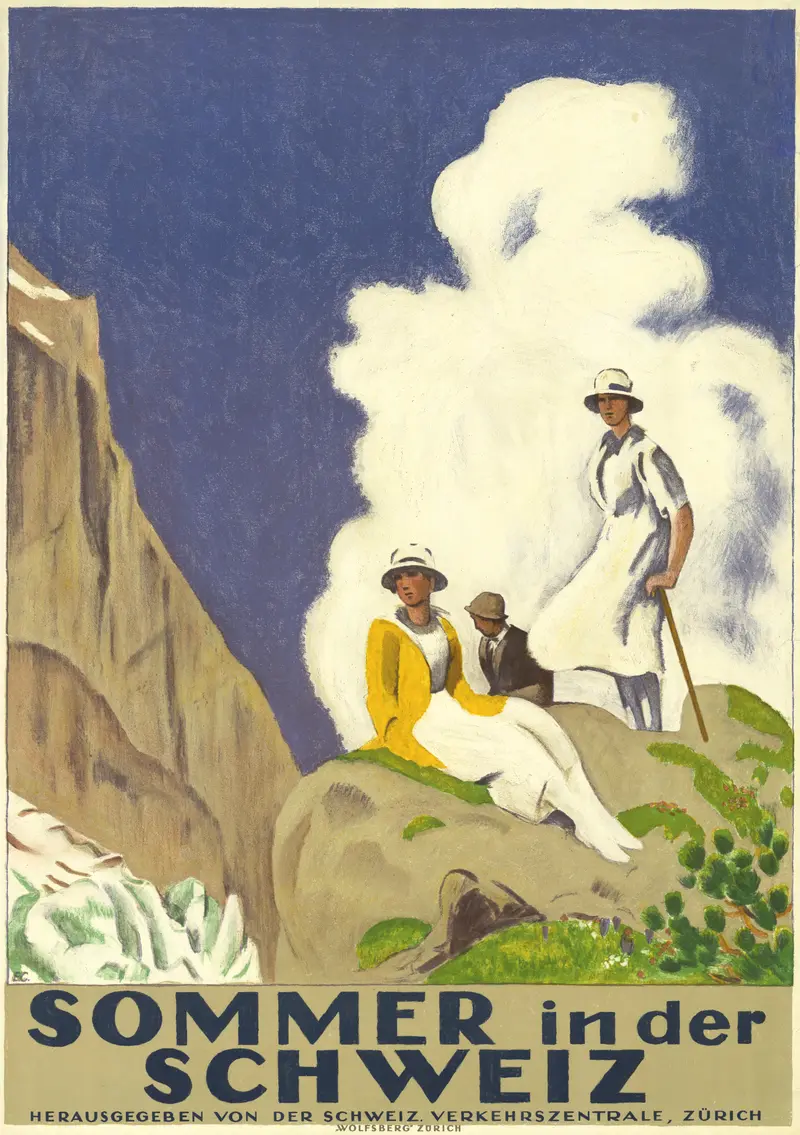
Sommer in der Schweiz
Emil Cardinaux