
Christ contemplated by the Christian Soul — History & Facts
When Diego Velázquez painted Christ contemplated by the Christian Soul in 1626, he was only twenty-seven and still living in Seville, yet already his reputation was growing beyond Andalusia. This painting stands out as one of his earliest known religious works, and, intriguingly, its original commission and intended setting remain a mystery. Unlike his later court portraits, this piece was long misattributed and nearly lost to history, with its authorship only firmly established by careful stylistic analysis in the twentieth century.
The uncertainty surrounding its medium—whether oil on canvas or wood—adds another layer to its enigmatic presence. The scene Velázquez chose is not a dramatic biblical episode, but a moment of spiritual contemplation: Christ, crowned with thorns, gazes downward, while beside him a kneeling figure—representing the Christian soul—looks up in silent devotion. The composition is intimate, drawing the viewer into a private encounter with the suffering Christ. The crown of thorns and the wounds on Christ’s body are rendered with a raw directness, while the gentle light falls on the supplicant’s face, highlighting the act of meditation and repentance.
Unlike El Greco’s visionary Christ Carrying the Cross, which swirls with supernatural color, Velázquez roots his figures in earthy realism, emphasizing the human side of both Christ and the believer. Little is known of the painting’s early journey, but scholars agree it reflects the intense spiritual climate of Counter-Reformation Seville, where images were meant to inspire personal devotion. Its attribution to Velázquez was debated for decades, due in part to its subdued palette and the lack of documentation. Today, Christ contemplated by the Christian Soul is recognized as a key work in the young artist’s development, foreshadowing his later psychological insight.
It now hangs in the Museo del Prado, a testament to both the painter’s early genius and the enduring power of private faith.
More Artworks by Diego Velázquez

Las Meninas
Diego Velázquez
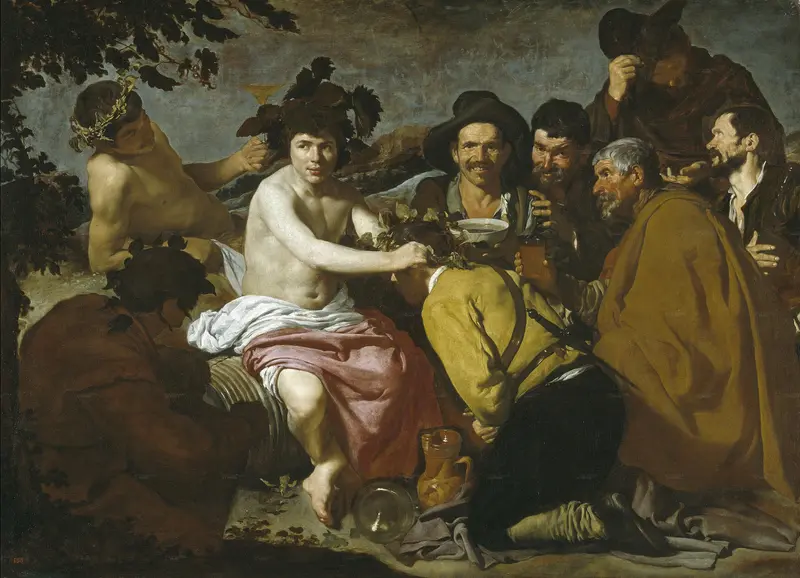
The Triumph of Bacchus
Diego Velázquez
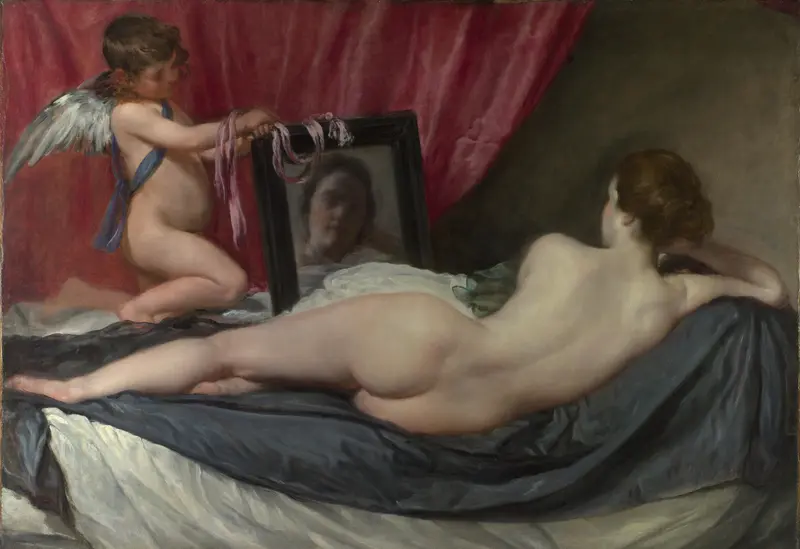
Rokeby Venus
Diego Velázquez
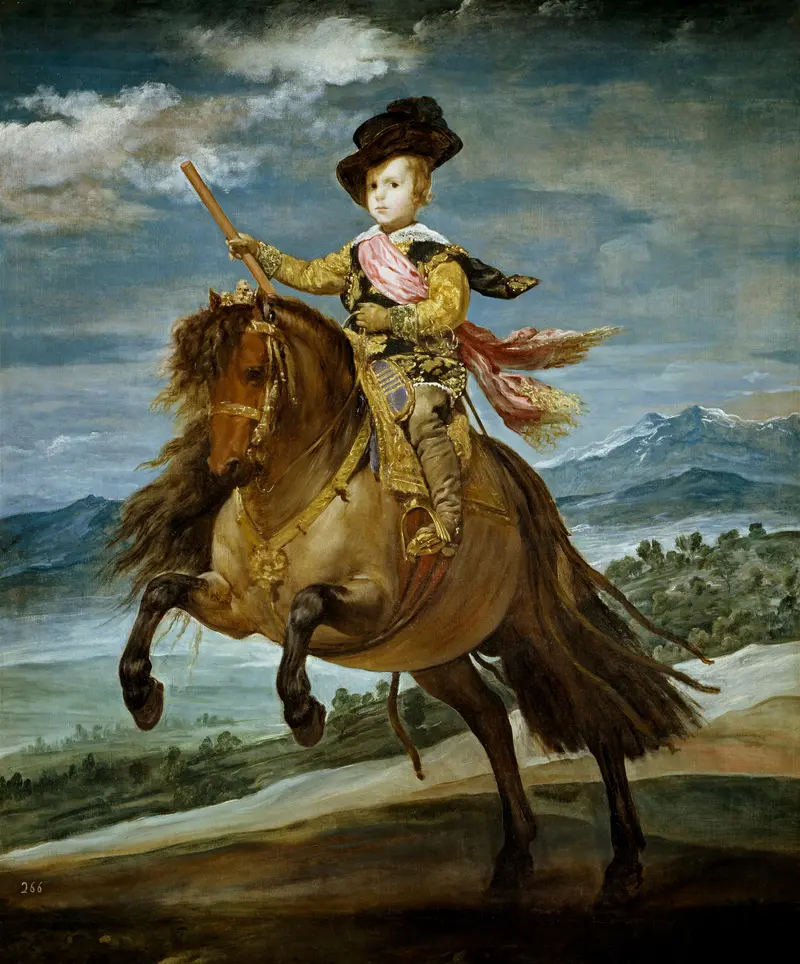
Equestrian Portrait of Prince Balthasar Charles
Diego Velázquez
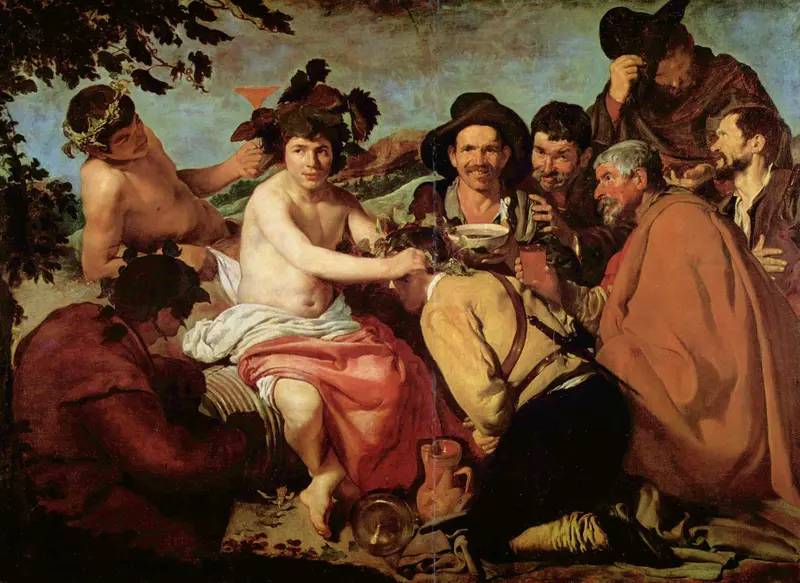
Bacchus
Diego Velázquez
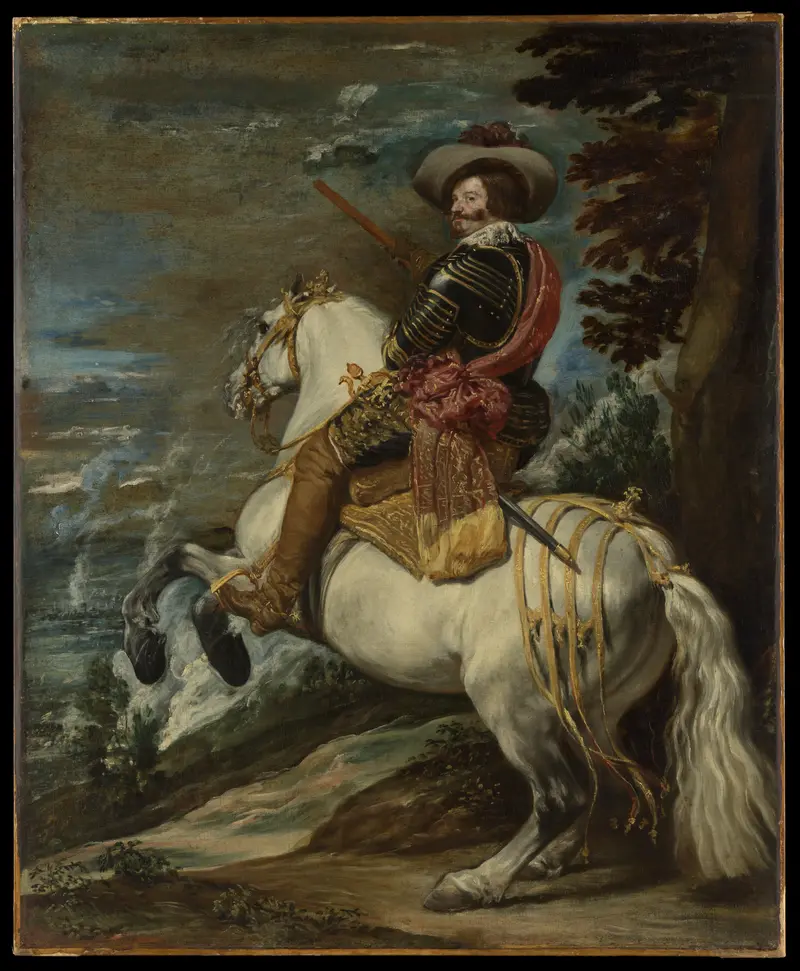
Don Gaspar de Guzmán (1587–1645), Count-Duke of Olivares
Diego Velázquez
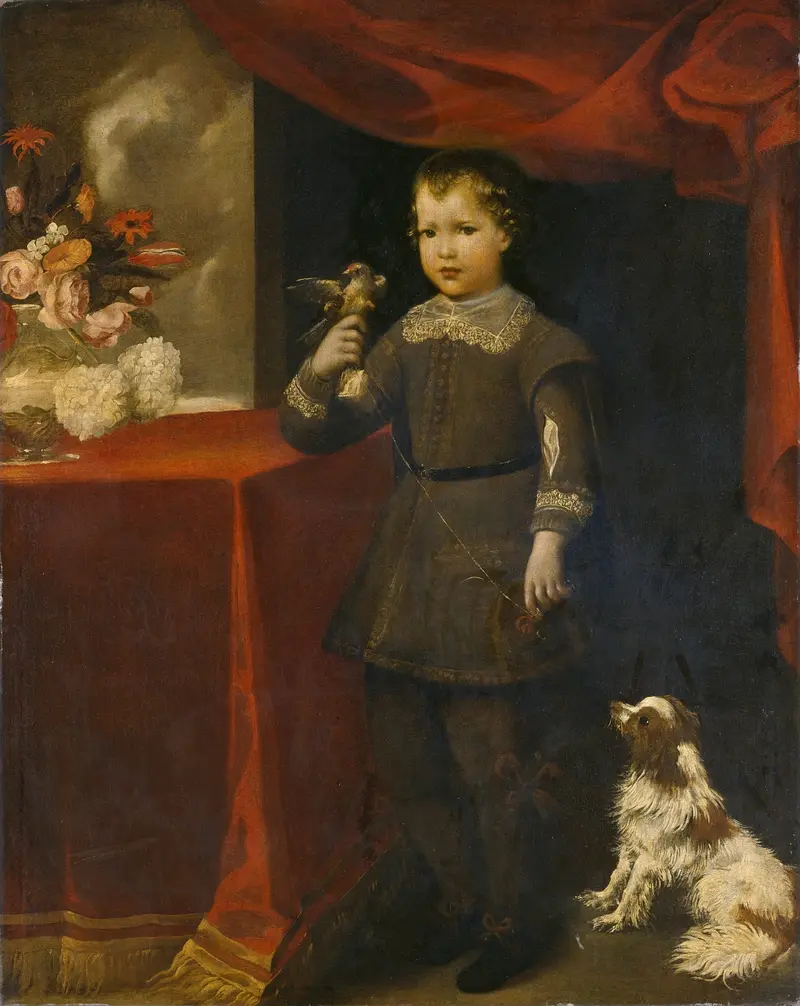
El príncipe Baltasar Carlos de Austria
Diego Velázquez
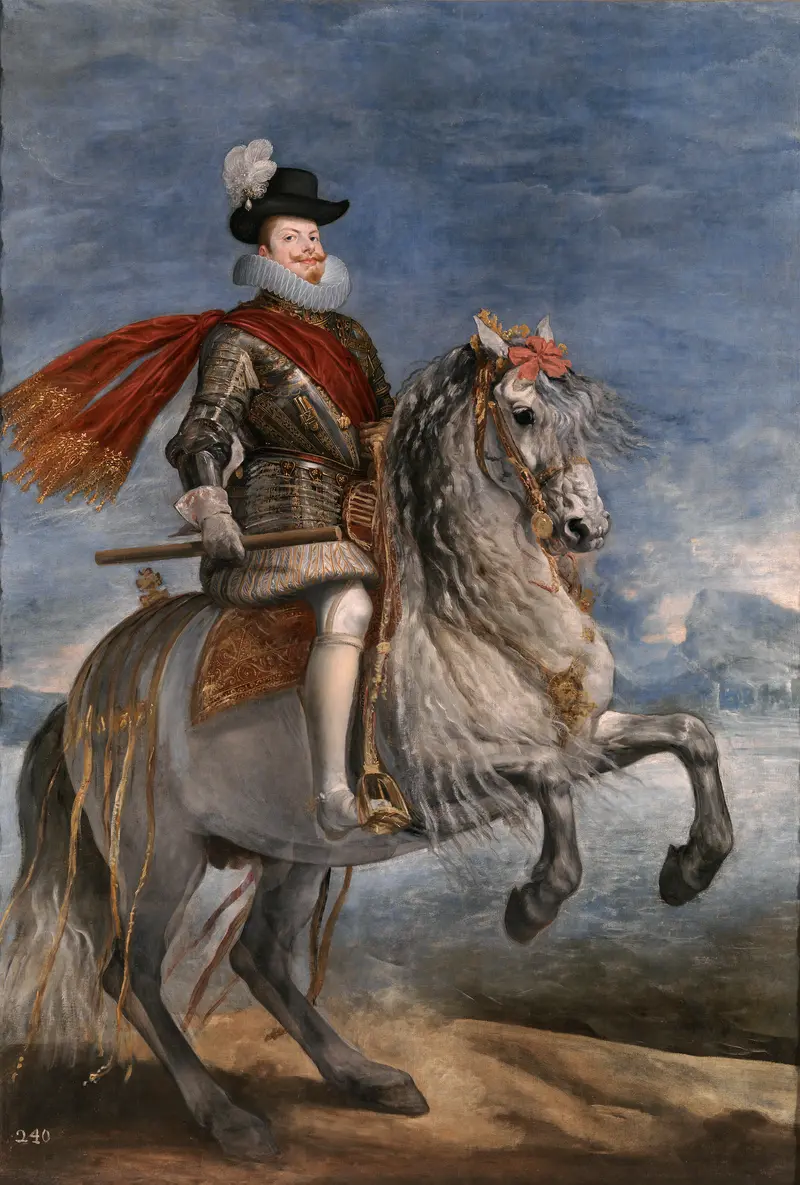
Equestrian Portrait of Philip III
Diego Velázquez
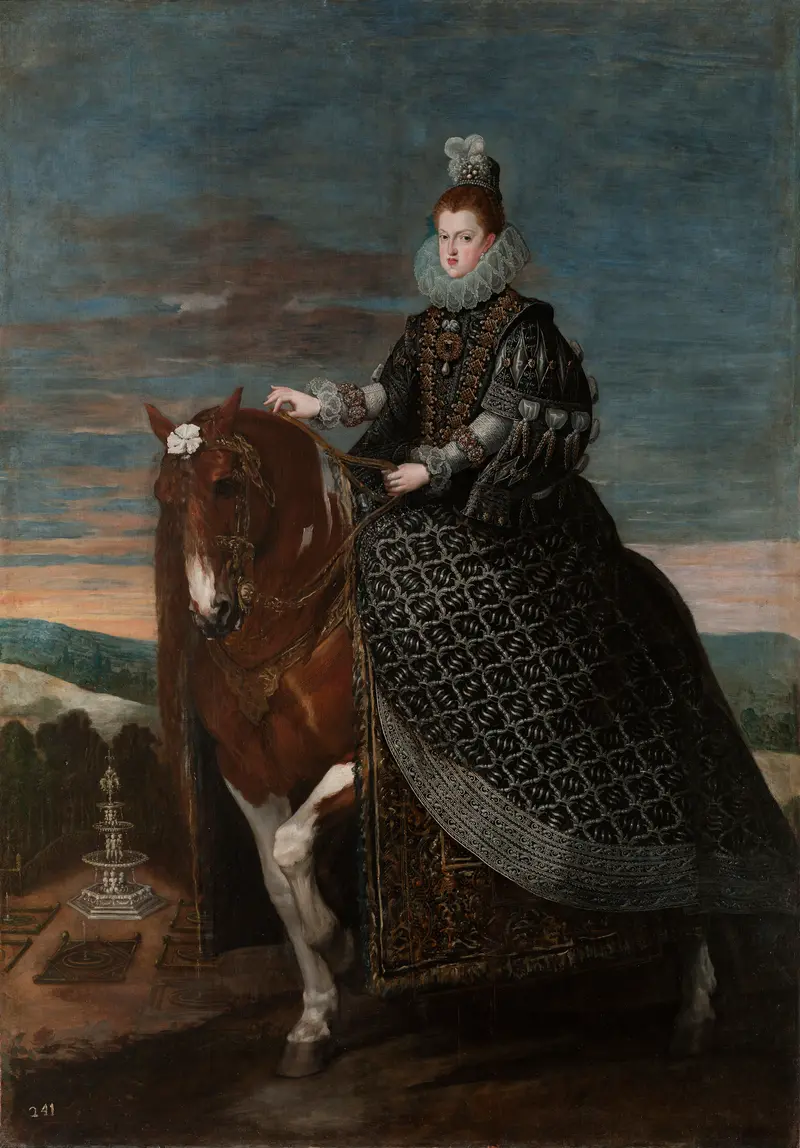
Equestrian Portrait of Margarita of Austria
Diego Velázquez
Las Hilanderas
Diego Velázquez





