
Christ Crucified — History & Facts
A solitary figure of Jesus Christ hangs on the cross, his head bowed forward and his long, dark hair falling over much of his face. His arms are outstretched with a gentle curve, hands nailed to the wooden crossbeam, and blood trickles from the wounds at his hands and feet. The body is slender and anatomically proportioned, with subtle modeling of muscles and bones visible beneath pale skin.
A white loincloth is tied at the waist, its folds rendered with loose, textured brushwork that suggests the softness of fabric. The background is a deep, nearly monochrome greenish-black, with no landscape, figures, or objects to distract from the central form. Light falls from the left, casting a luminous glow on Christ’s body and creating a strong contrast with the dark background, while the shadow of the cross is softly projected behind.
The composition is strikingly simple, with Christ’s figure placed exactly at the center and occupying almost the entire height of the canvas. The impasto technique is visible in the highlights of the flesh and the textured treatment of the hair, where the brush has been used to scratch into the paint. The subject is the Crucifixion, a central theme in Christian art, here rendered with an intense focus on the solitary figure of Christ. The painting’s restrained composition, absence of extraneous detail, and the careful rendering of light and shadow reflect the artist’s mature style and the influence of Classicist painting.
The work stands out among Velázquez’s relatively few religious paintings, demonstrating his ability to convey intense religious feeling through simplicity and technical mastery.
Sources: Museo del Prado, record P001167 · Wikidata Q2528741 · Wikipedia: Christ Crucified (Velázquez) · Image source (Wikimedia Commons)
More Artworks by Diego Velázquez

Las Meninas
Diego Velázquez
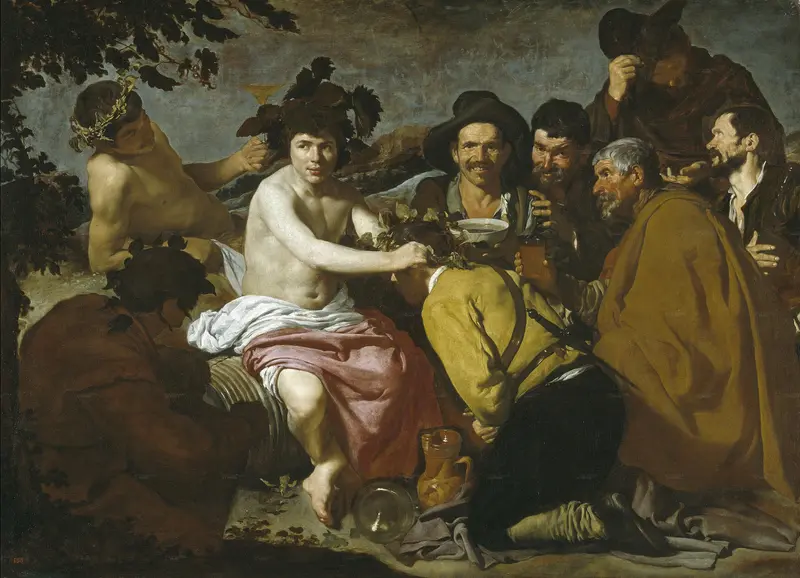
The Triumph of Bacchus
Diego Velázquez
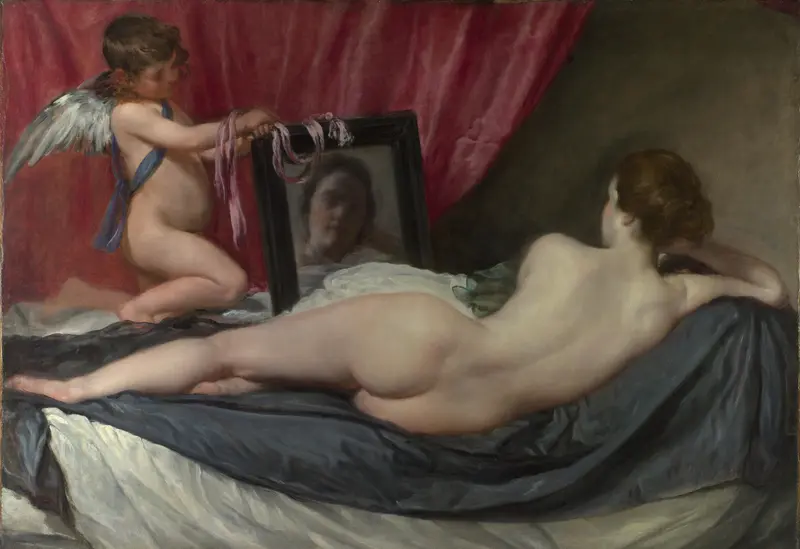
Rokeby Venus
Diego Velázquez
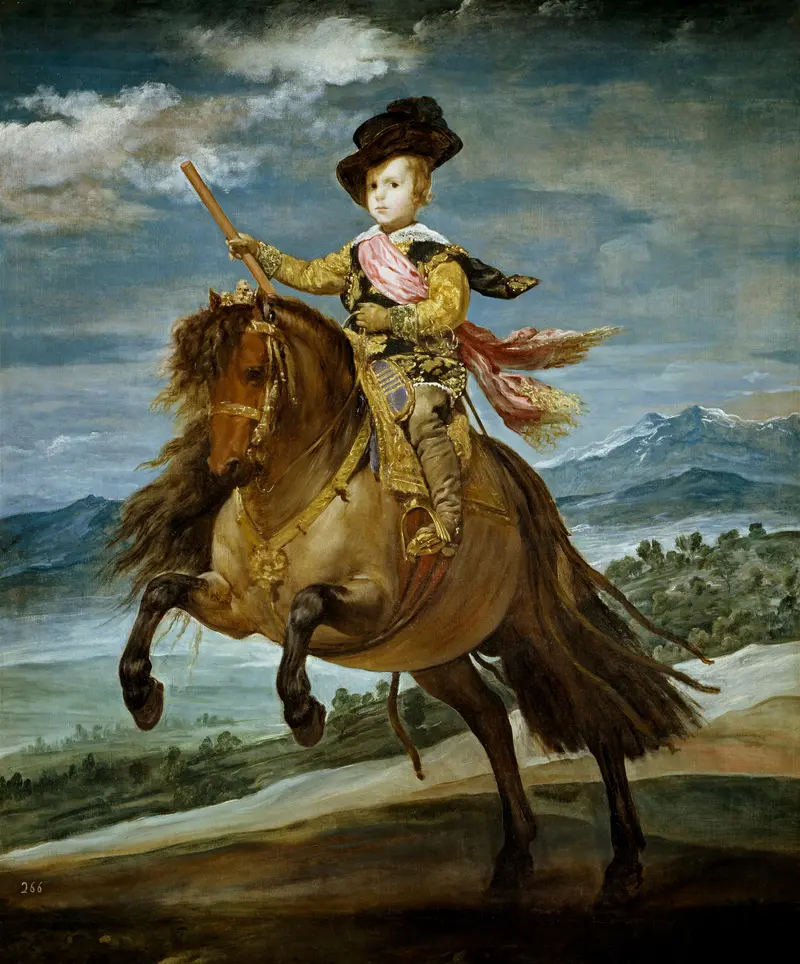
Equestrian Portrait of Prince Balthasar Charles
Diego Velázquez
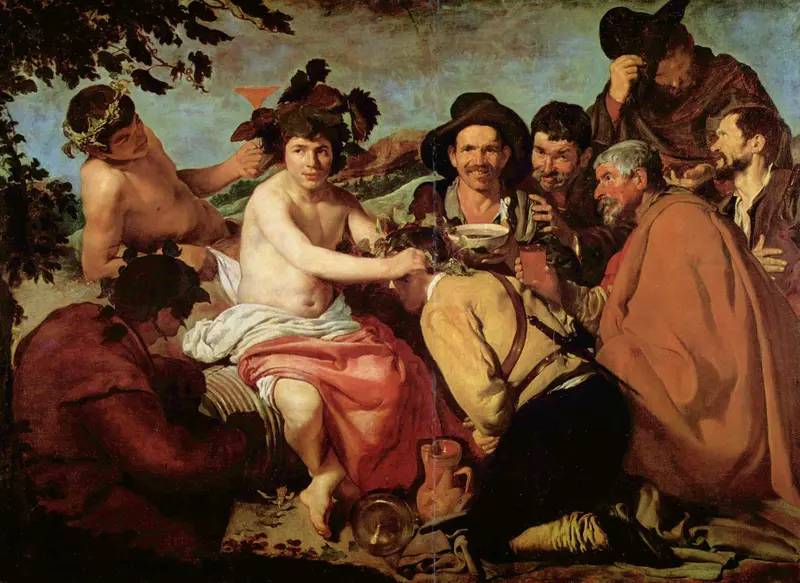
Bacchus
Diego Velázquez
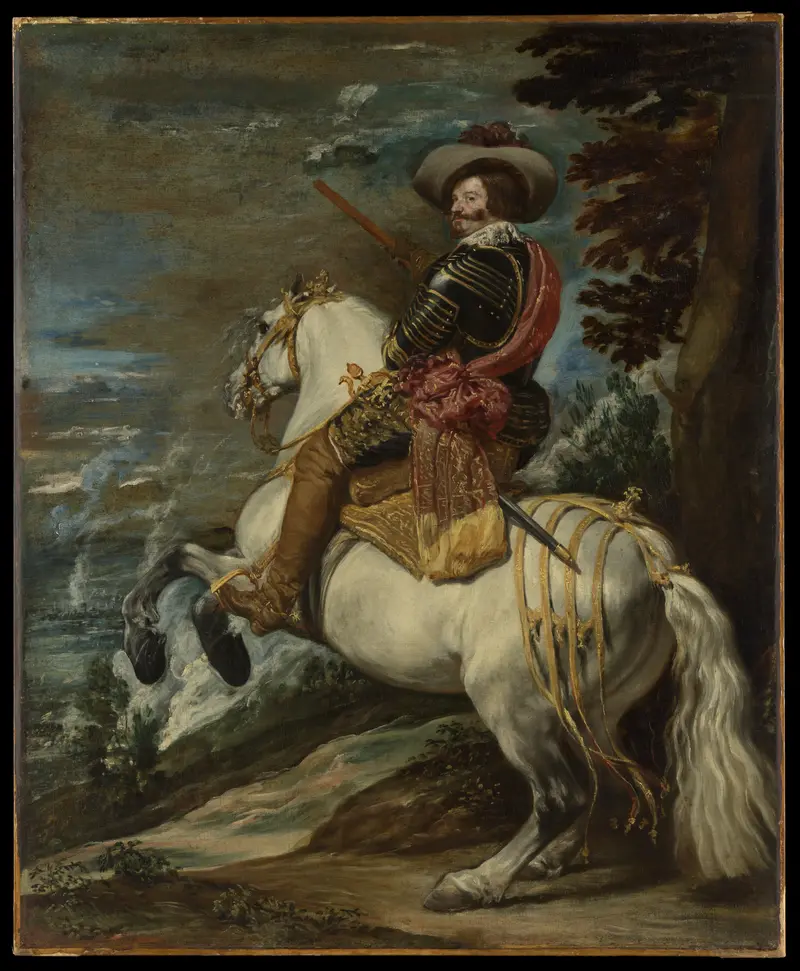
Don Gaspar de Guzmán (1587–1645), Count-Duke of Olivares
Diego Velázquez
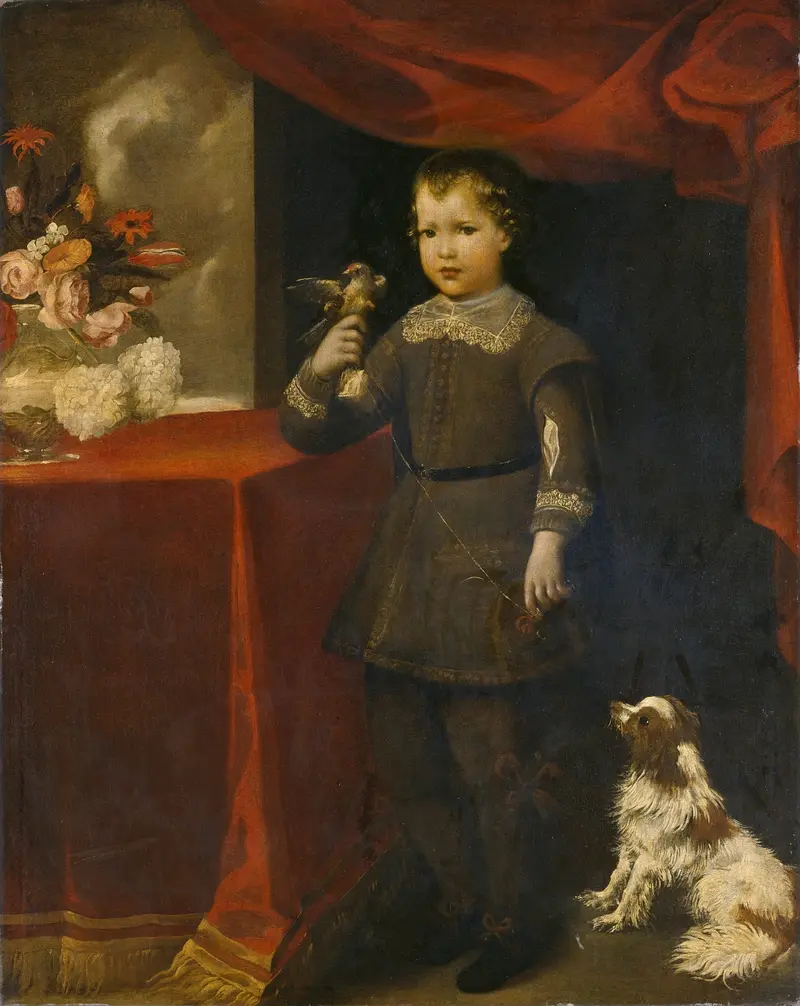
El príncipe Baltasar Carlos de Austria
Diego Velázquez
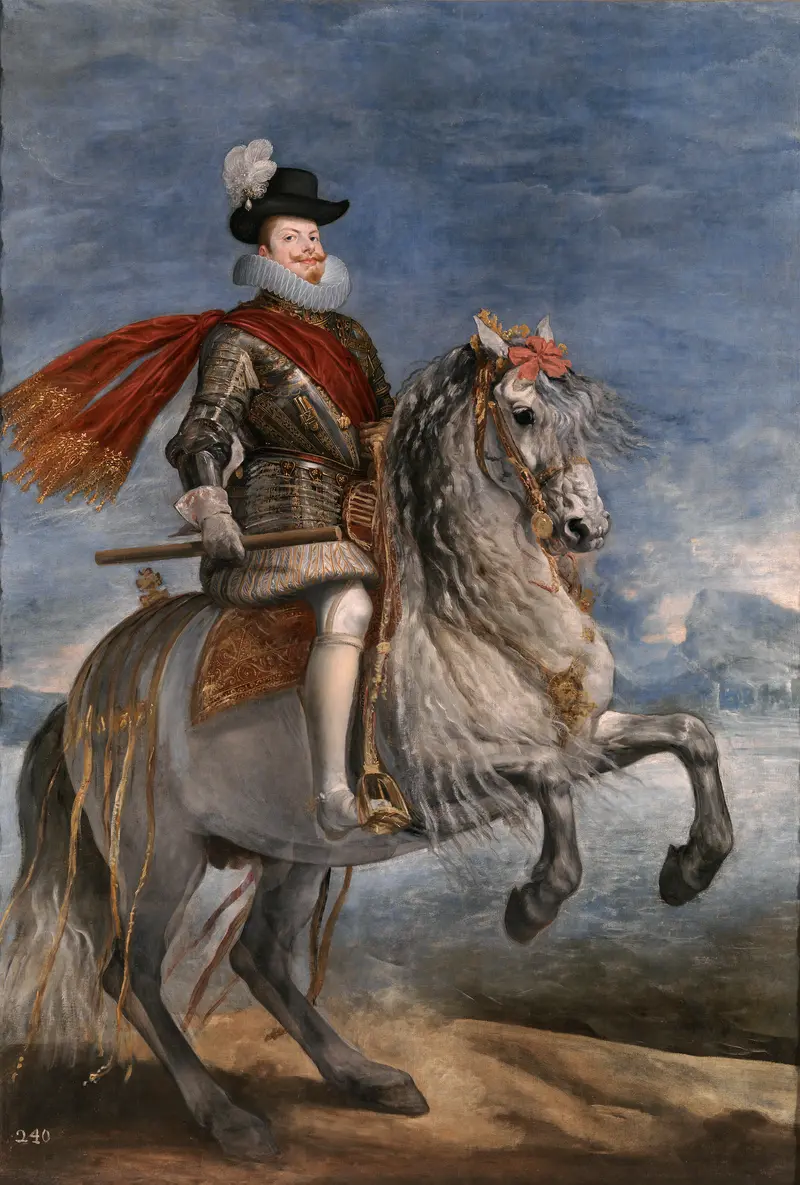
Equestrian Portrait of Philip III
Diego Velázquez
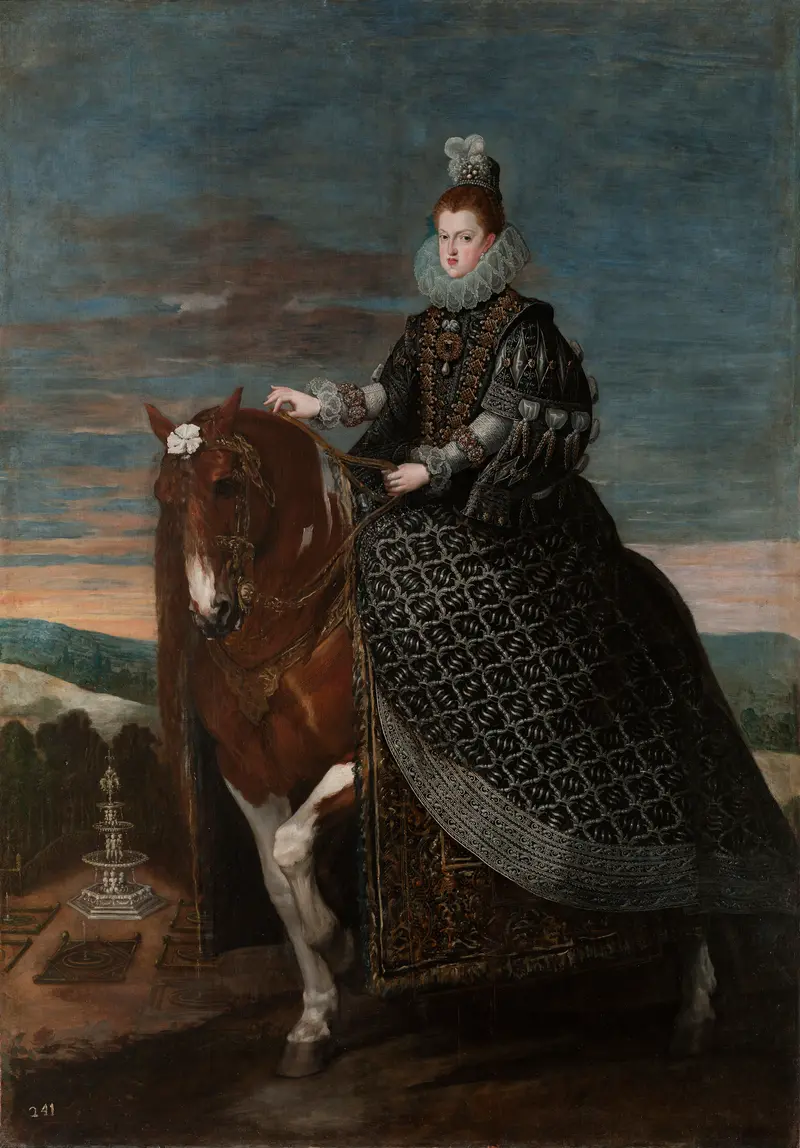
Equestrian Portrait of Margarita of Austria
Diego Velázquez
Las Hilanderas
Diego Velázquez





