
Christ in the House of Martha and Mary — History & Facts
A young woman stands in the foreground, her face flushed and serious as she grinds ingredients in a mortar, while an older woman at her shoulder gestures emphatically toward a small scene in the background. On the wooden table before them, Velázquez paints a still life of three silvery fish in a blue bowl, two white eggs in a black dish, a bulb of garlic broken into cloves, a red pepper, and a dark green-glazed jug, each object rendered with crisp detail and a cool, naturalistic light. The older woman wears a white headscarf and leans in close, her lined face intent as she points toward the background, while the younger woman, dressed in a brownish-ochre jacket and white headband, looks out past the viewer with a weary, contemplative gaze. A rectangular opening on the right reveals a second, smaller scene: inside a simply furnished room, a bearded man in a blue robe sits facing two women, one seated at his feet in a yellow mantle and the other standing behind her, echoing the biblical story of Christ with Martha and Mary.
The light in the kitchen falls from the left, casting deep shadows and highlighting the textures of flesh, cloth, and pottery, while Velázquez’s brushwork varies from the smooth modeling of faces to the sharper edges of the still life objects. Painted by Diego Velázquez in 1618, Christ in the House of Martha and Mary belongs to his early Seville period, when he explored the bodegón genre—kitchen or tavern scenes that combine everyday life with religious themes. The National Gallery notes that the composition relates the plight of the maid in the kitchen to Martha’s frustration in the biblical story, suggesting a meditation on the balance between active work and spiritual contemplation.
Sources: National Gallery, record NG1375 · Wikidata Q1087226 · Wikipedia: Christ in the House of Martha and Mary (Velázquez) · Image source (Wikimedia Commons)
More Artworks by Diego Velázquez

Las Meninas
Diego Velázquez
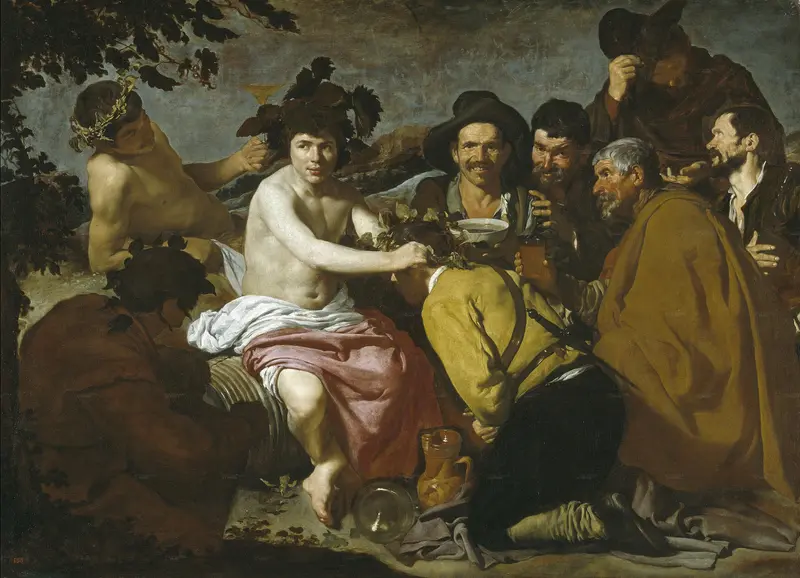
The Triumph of Bacchus
Diego Velázquez
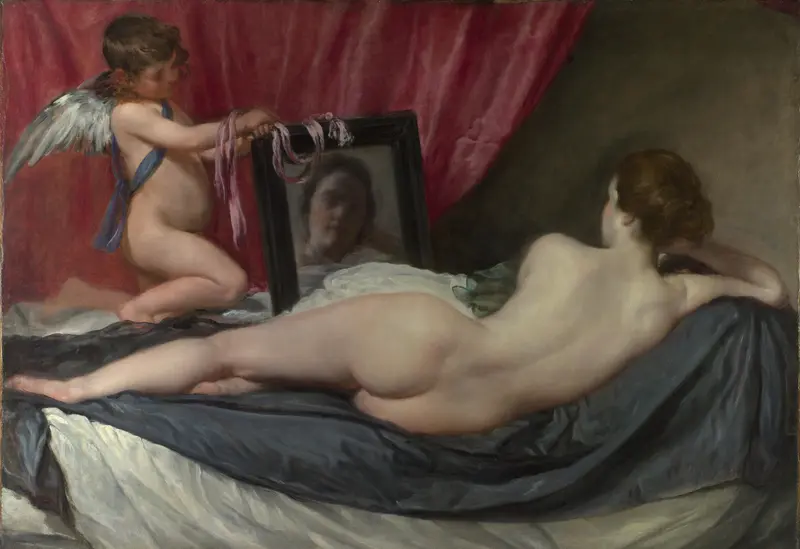
Rokeby Venus
Diego Velázquez
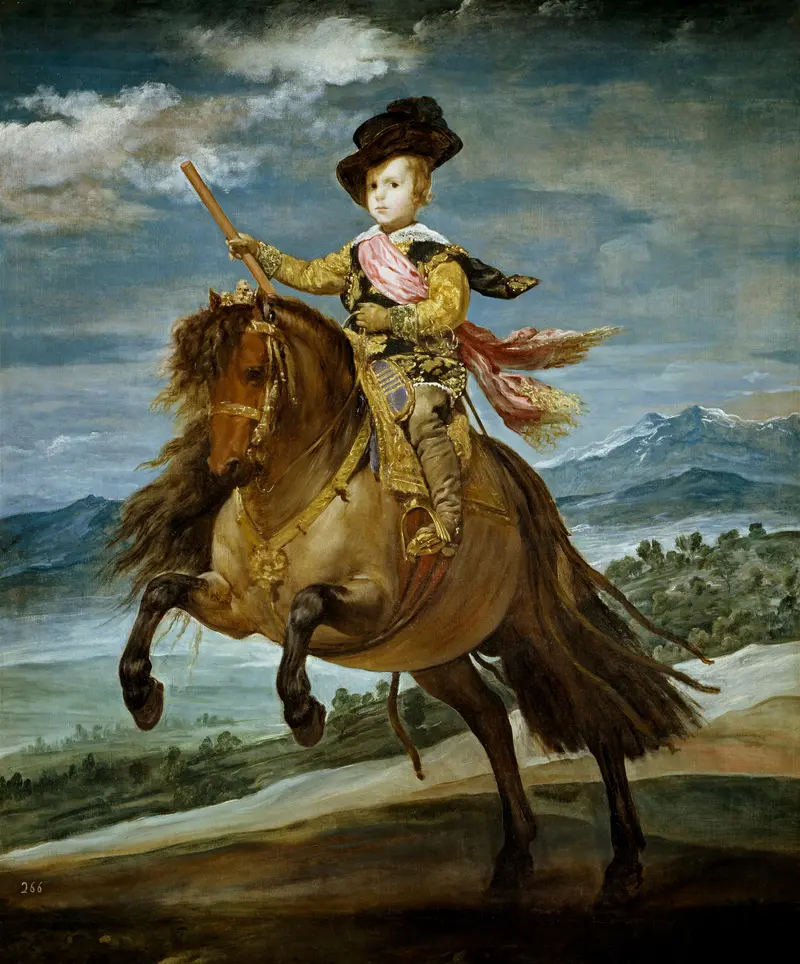
Equestrian Portrait of Prince Balthasar Charles
Diego Velázquez
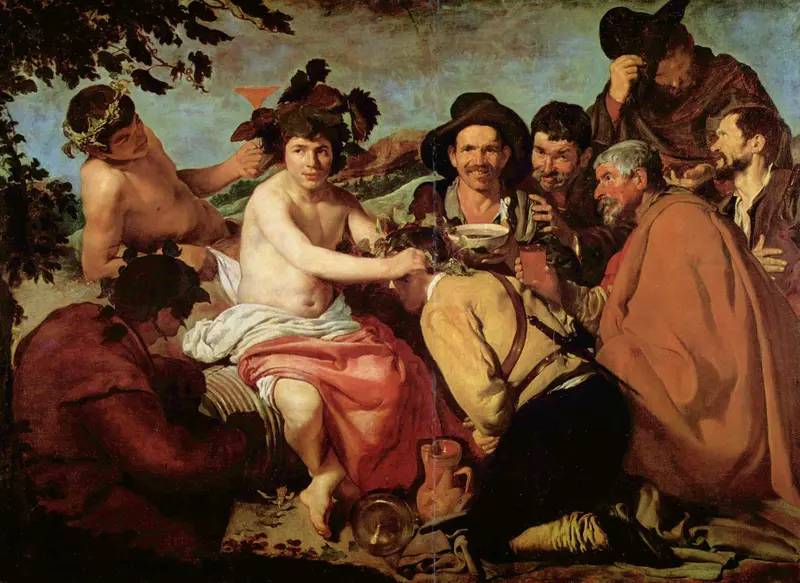
Bacchus
Diego Velázquez
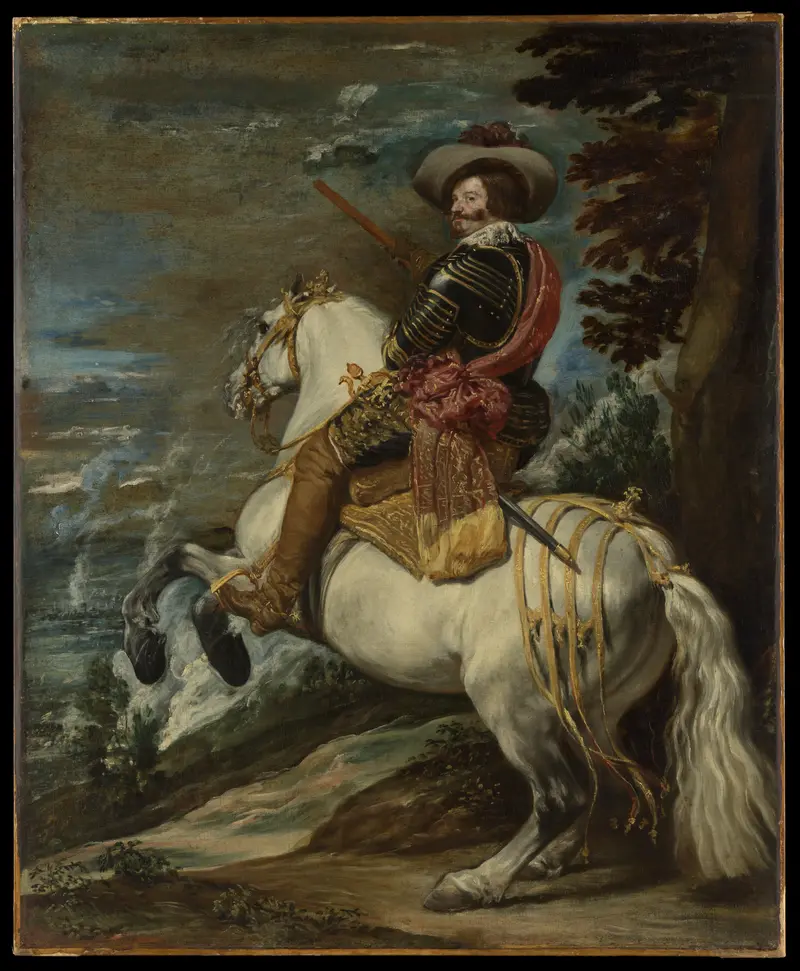
Don Gaspar de Guzmán (1587–1645), Count-Duke of Olivares
Diego Velázquez
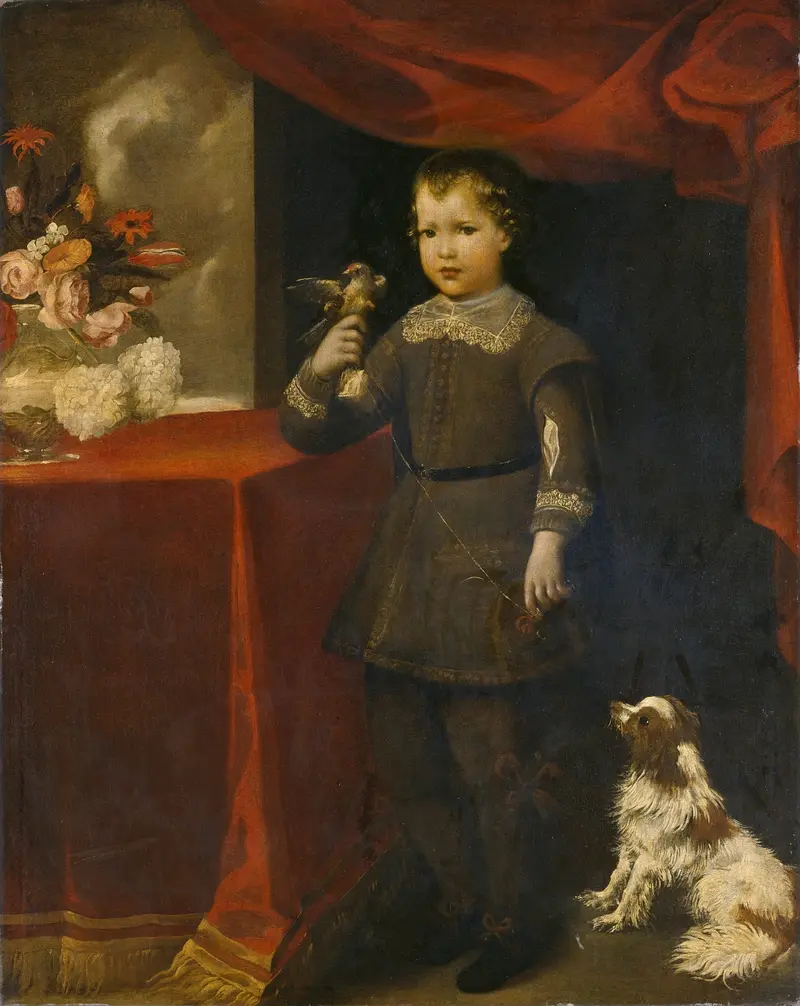
El príncipe Baltasar Carlos de Austria
Diego Velázquez
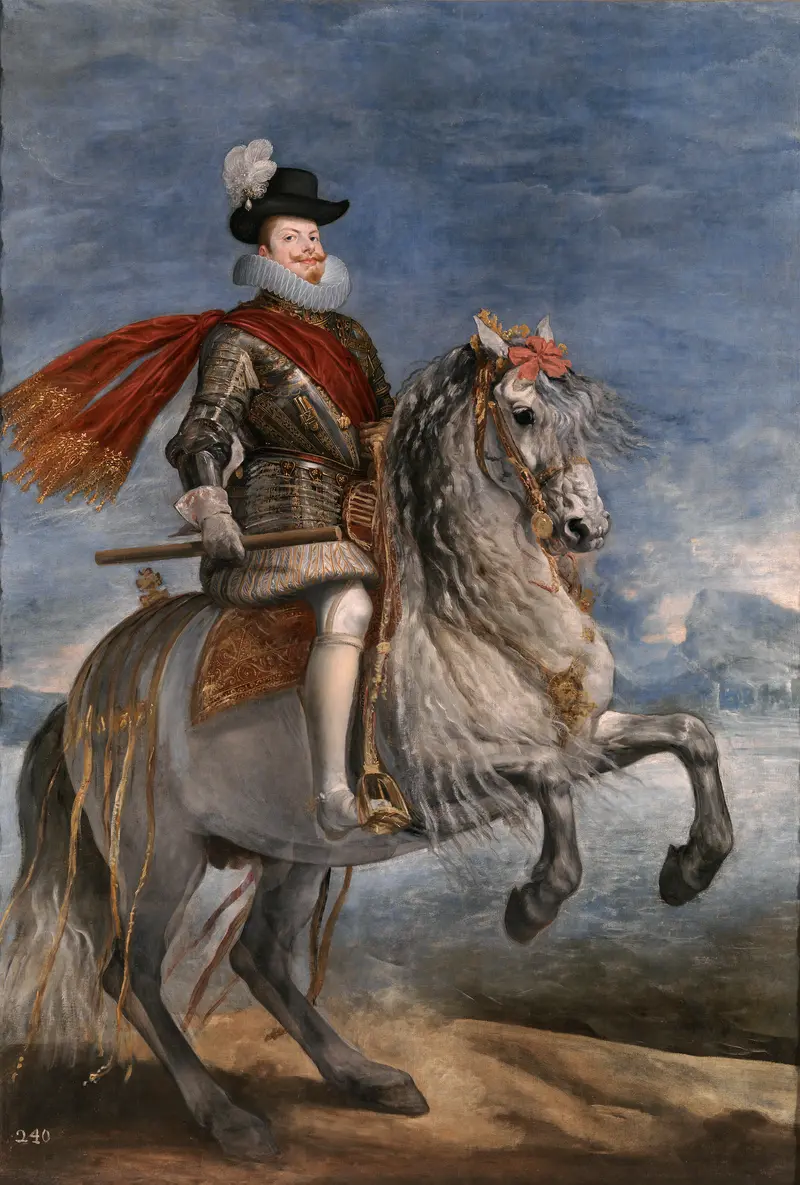
Equestrian Portrait of Philip III
Diego Velázquez
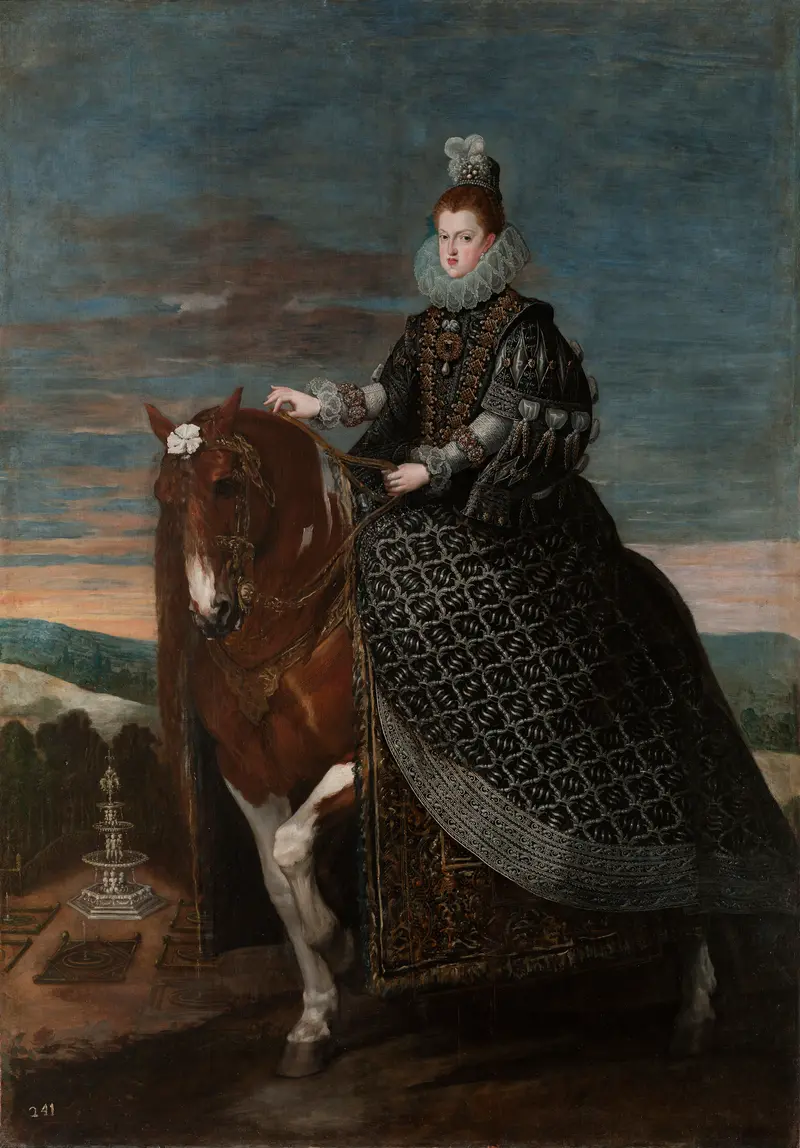
Equestrian Portrait of Margarita of Austria
Diego Velázquez
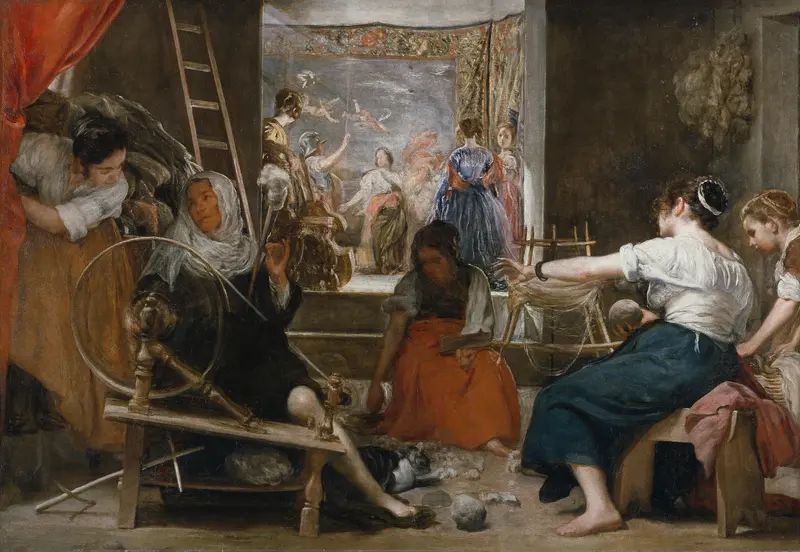
Las Hilanderas
Diego Velázquez





