
Christ in the House of Martha and Mary — History & Facts
No other known painting by Johannes Vermeer is as large or as early as Christ in the House of Martha and Mary, making it a unique window into the young artist’s ambitions. Created around 1650, this work stands apart in both scale and subject from the intimate, luminous interiors that would later define Vermeer’s career. Its attribution was once doubted, but technical analysis and stylistic comparisons have since confirmed Vermeer’s hand.
The painting’s early date places it at the very threshold of the Dutch artist’s journey, before he developed the signature quietude and subtlety of his later masterpieces. The scene Vermeer selects is drawn from the Gospel of Luke, where Christ visits the home of two sisters, Martha and Mary. At this moment, Martha offers bread to Christ, her hands extended in service, while Mary sits at his feet, absorbed in his words. Vermeer’s composition draws the viewer’s eye to the triangle formed by the three figures, bathed in a warm, even light that softens the drama.
The bread, the pitcher, and the humble tablecloth ground the scene in domestic reality, while the gentle gestures—Mary’s attentive gaze, Martha’s act of giving—speak to the age-old tension between action and contemplation. Unlike Velázquez’s version of the same subject, which places the sisters in a bustling kitchen, Vermeer’s treatment is quieter, more focused on the spiritual exchange. The painting’s early history remains shrouded in uncertainty; no records survive of its original commission or patron. For many years, Christ in the House of Martha and Mary was attributed to other Dutch painters, its true authorship only recognized in the twentieth century.
Today, it hangs in the National Gallery of Scotland, a testament to Vermeer’s early engagement with biblical narrative and large-scale composition. Its survival and rediscovery offer a rare glimpse into the formative years of an artist who would become one of the most celebrated figures of the Dutch Golden Age.
More Artworks by Johannes Vermeer

View of Delft
Johannes Vermeer

Girl with a Pearl Earring
Johannes Vermeer
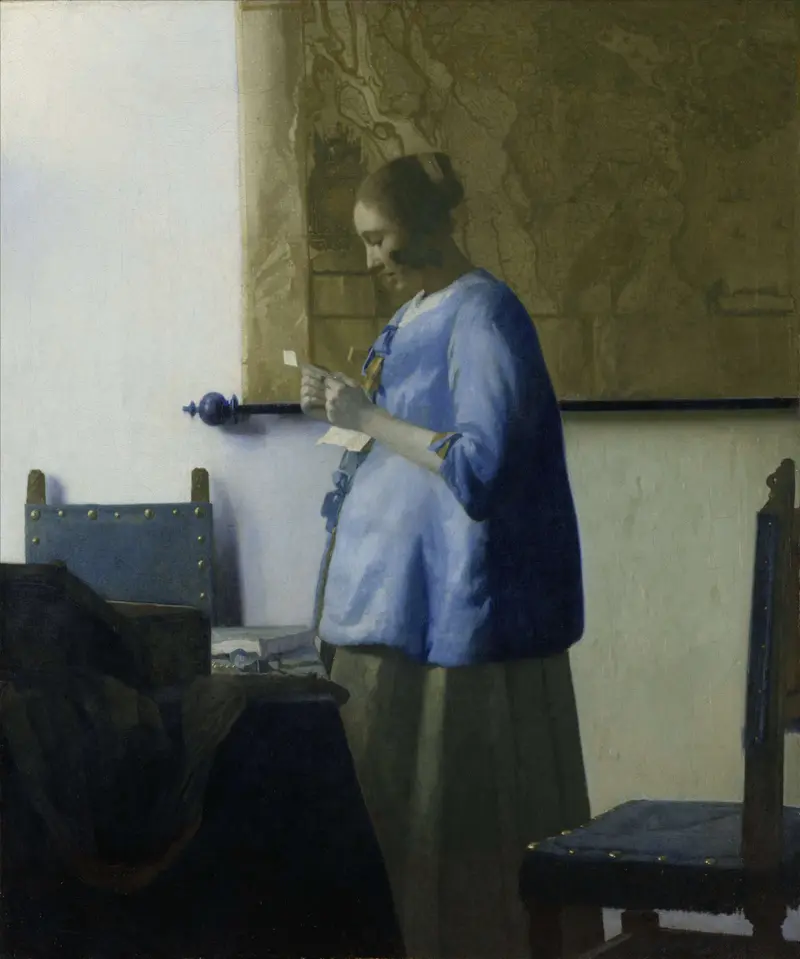
Woman in Blue Reading a Letter
Johannes Vermeer
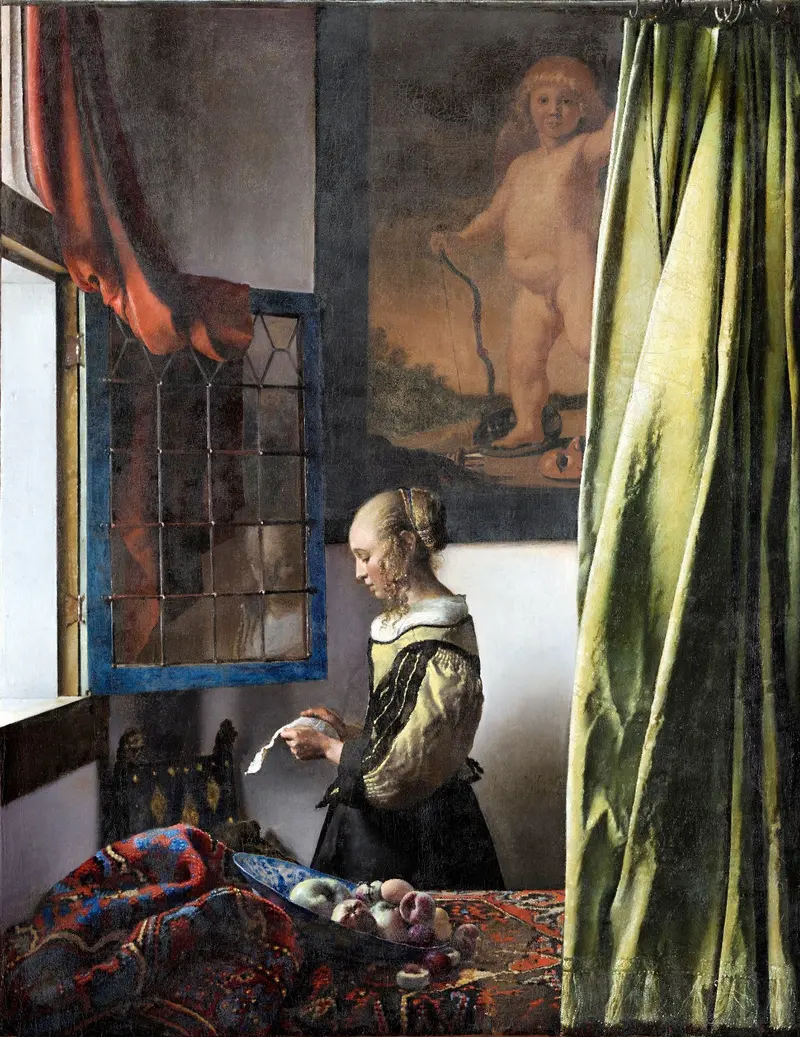
Girl Reading a Letter at an Open Window
Johannes Vermeer
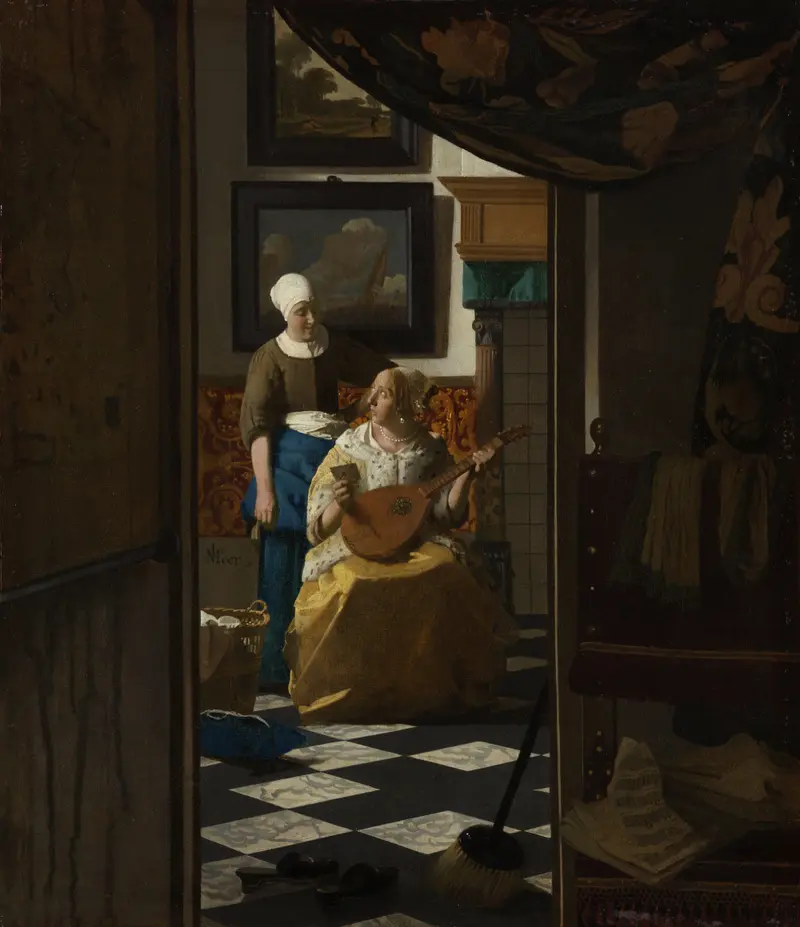
The Love Letter
Johannes Vermeer

The Music Lesson
Johannes Vermeer

A Girl Asleep
Johannes Vermeer
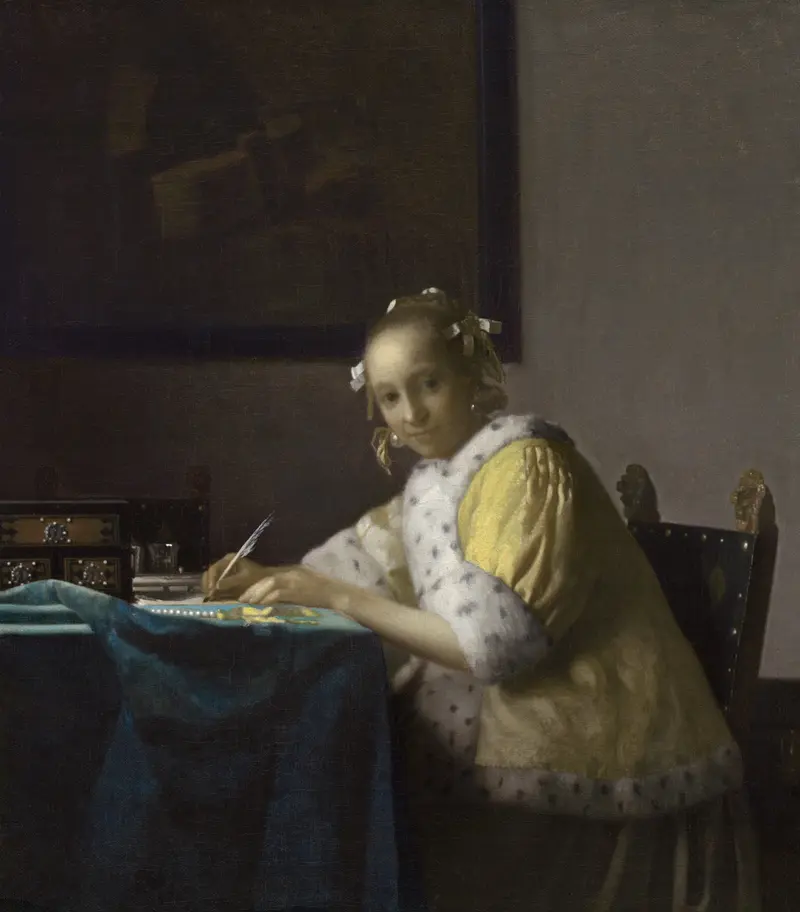
A Lady Writing a Letter
Johannes Vermeer
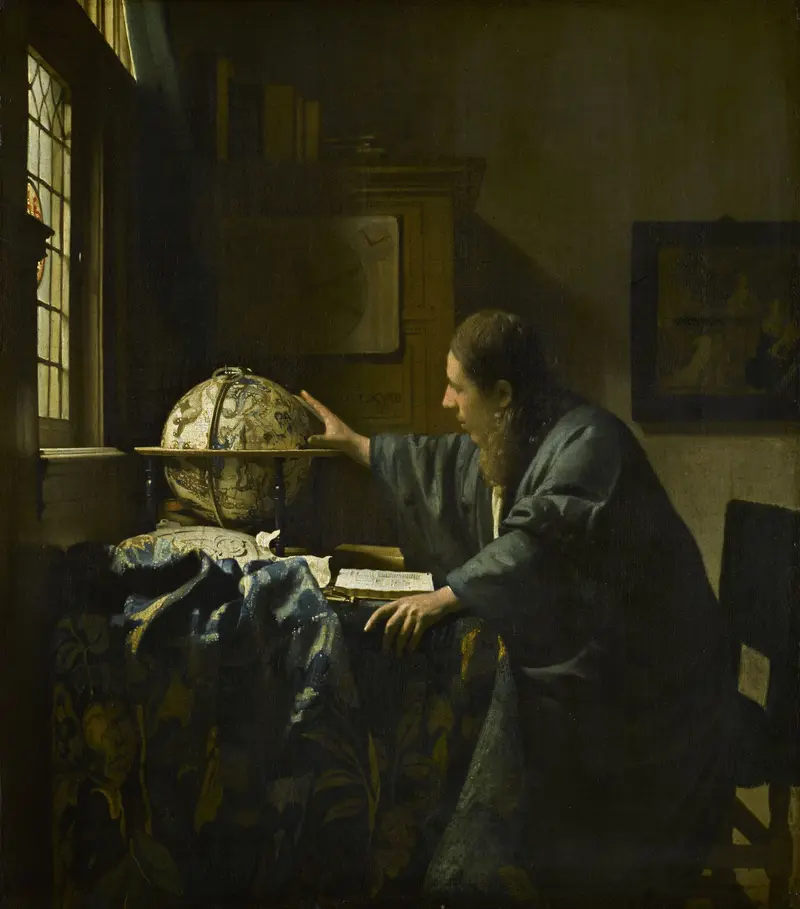
The Astronomer
Johannes Vermeer
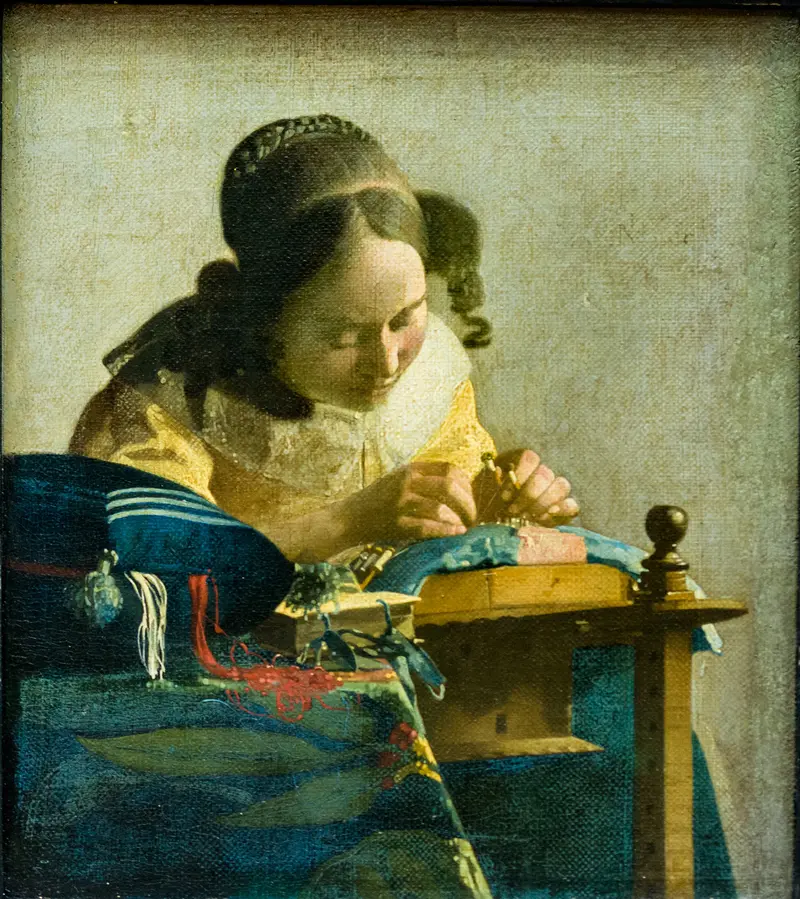
The Lacemaker
Johannes Vermeer





