
Traveler Passing Two Large Trees — History & Facts
A traveler emerges at the edge of the scene, dwarfed by two towering trees that seem to mark a threshold between worlds—one of cultivated order, the other of wild possibility. The eye is drawn first to these trees, their branches rendered in restless, intricate lines, as if stirred by a breeze we cannot feel. From this vantage, the landscape opens up in layers: a humble cottage nestled among foliage, a cluster of figures gathered on the path, a boatman working quietly on the water, and distant sails gliding toward the horizon.
The artist, Antonie Waterloo, orchestrates the composition so that every element—tree, traveler, cottage, water—pulls the viewer deeper into the unfolding story, hinting at a rhythm of daily life shaped by travel, labor, and the slow drift of clouds. Works like Traveler Passing Two Large Trees belong to a tradition of Dutch landscape art that flourished in the seventeenth century, when artists captured the world not as a backdrop for grand myth, but as a living stage for ordinary people. These prints and drawings were prized by collectors who sought to bring the outside world into their homes, celebrating the beauty of the countryside and the quiet drama of passing moments. The National Gallery of Art, which holds this work as part of its open access collection, preserves a window into that era’s fascination with nature and travel.
History has kept few traces of this specific print’s journey, but its enduring appeal lies in the way it invites us to wander—first with the eye, then with the imagination—through its winding paths and wind-stirred trees.
More Artworks by Antonie Waterloo
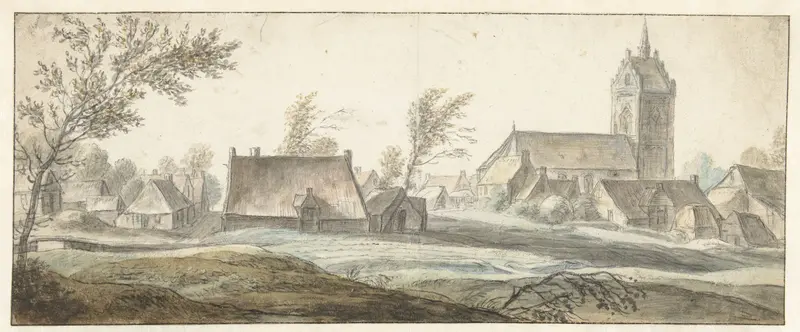
Gezicht op het dorp Soest
Antonie Waterloo
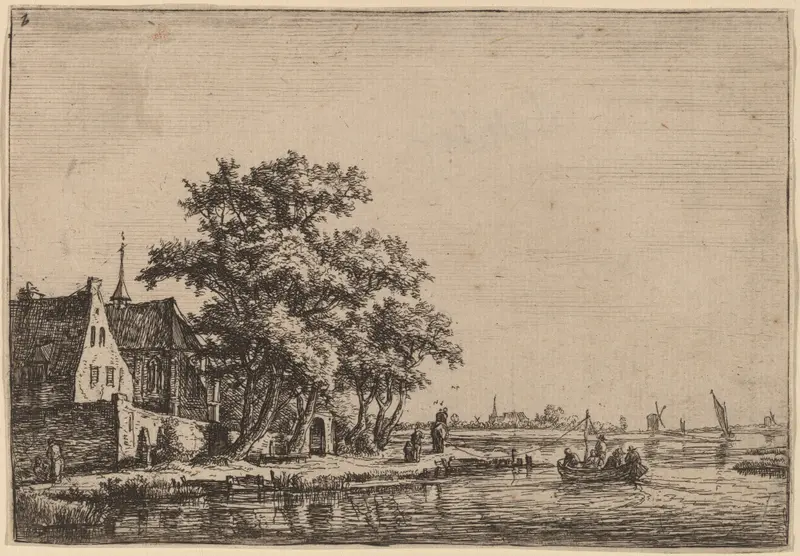
Churchyard at the Waterside
Antonie Waterloo
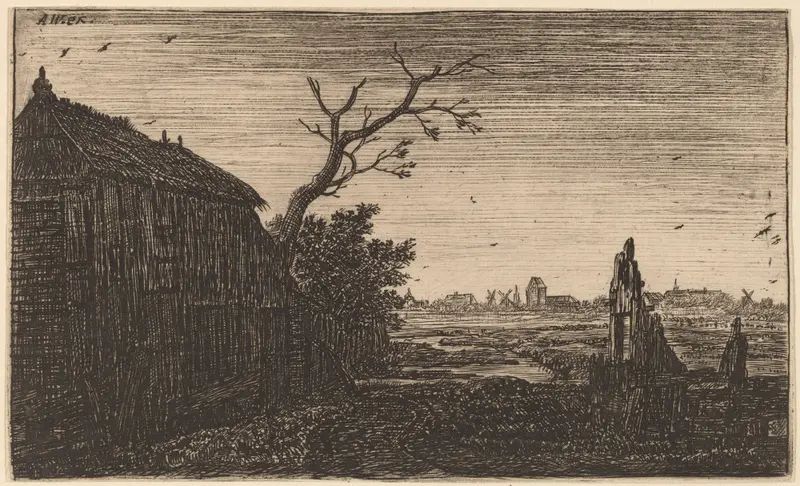
The Sluice
Antonie Waterloo
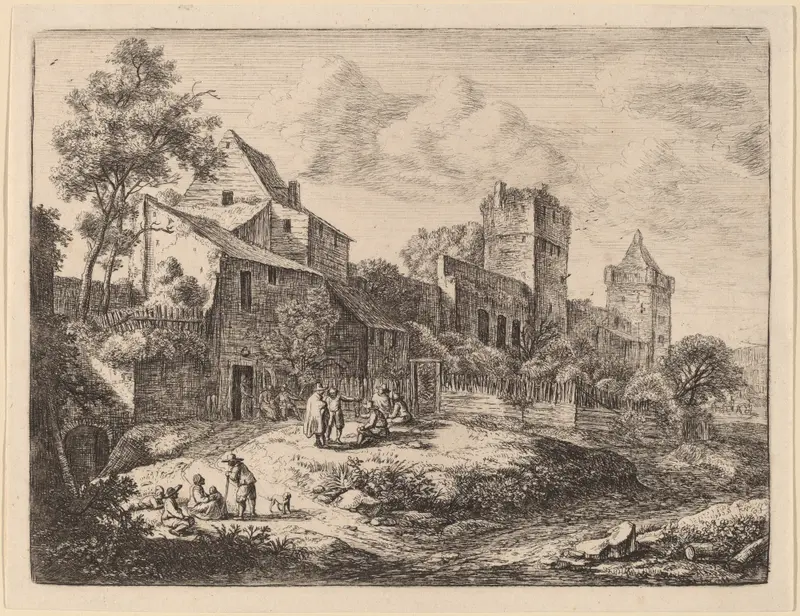
Square in Front of an Inn
Antonie Waterloo
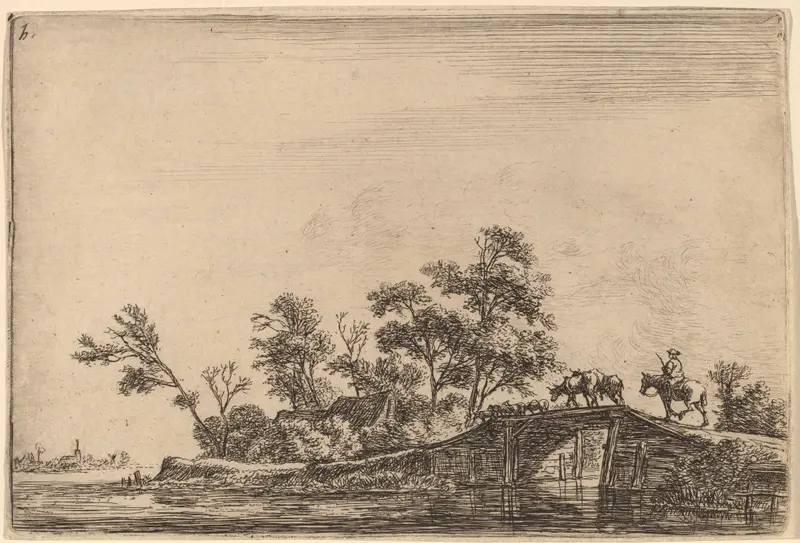
Rider and Flock on a Bridge
Antonie Waterloo
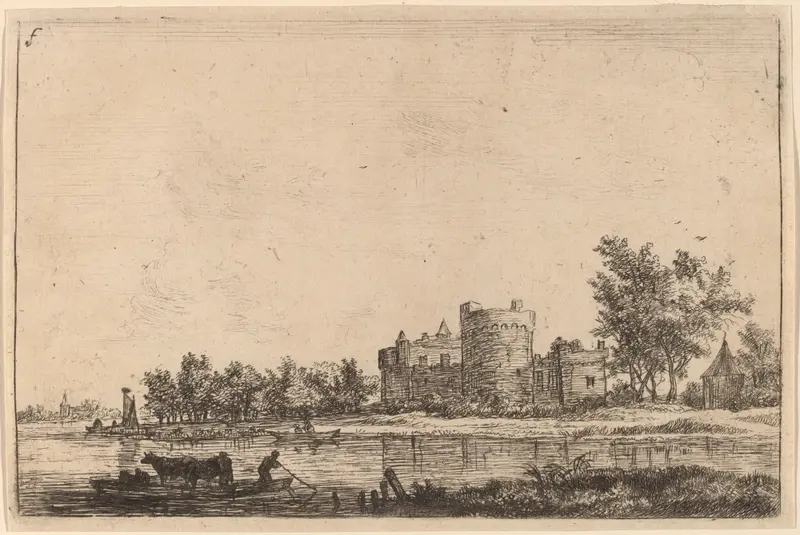
Two Cows on a Ferry
Antonie Waterloo
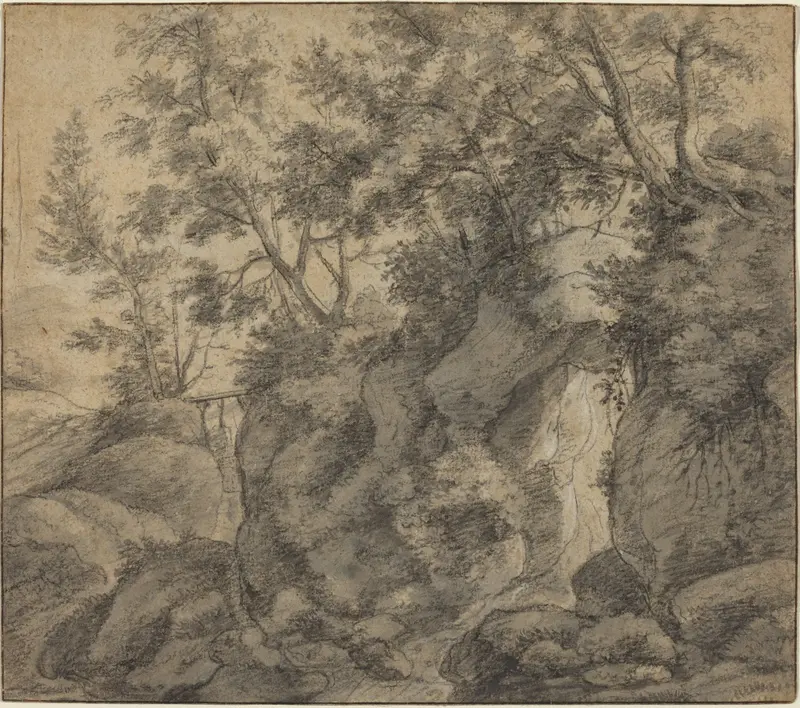
Landscape with a Wooded Ravine
Antonie Waterloo
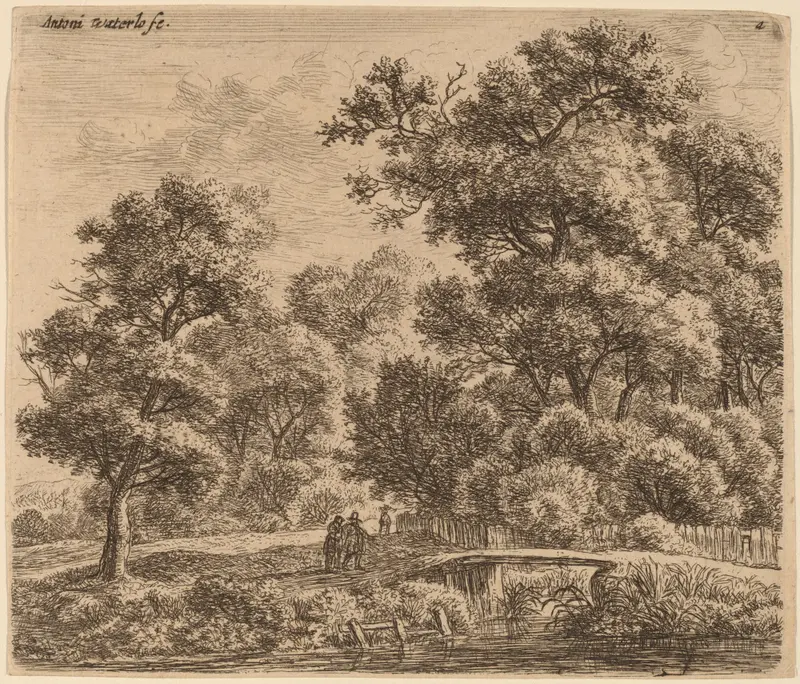
Wooded Landscape with a Bridge
Antonie Waterloo
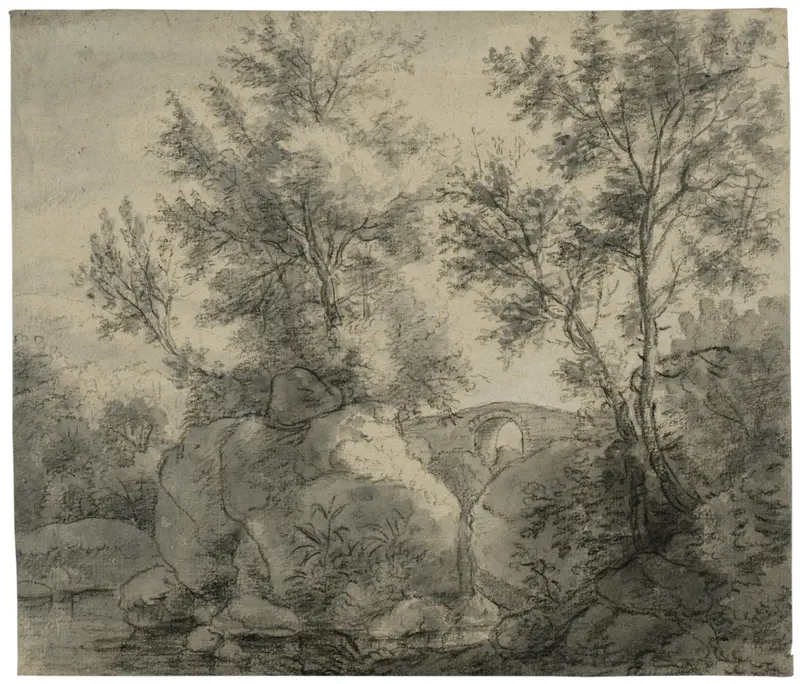
Rocky Landscape with a Stone Bridge
Antonie Waterloo
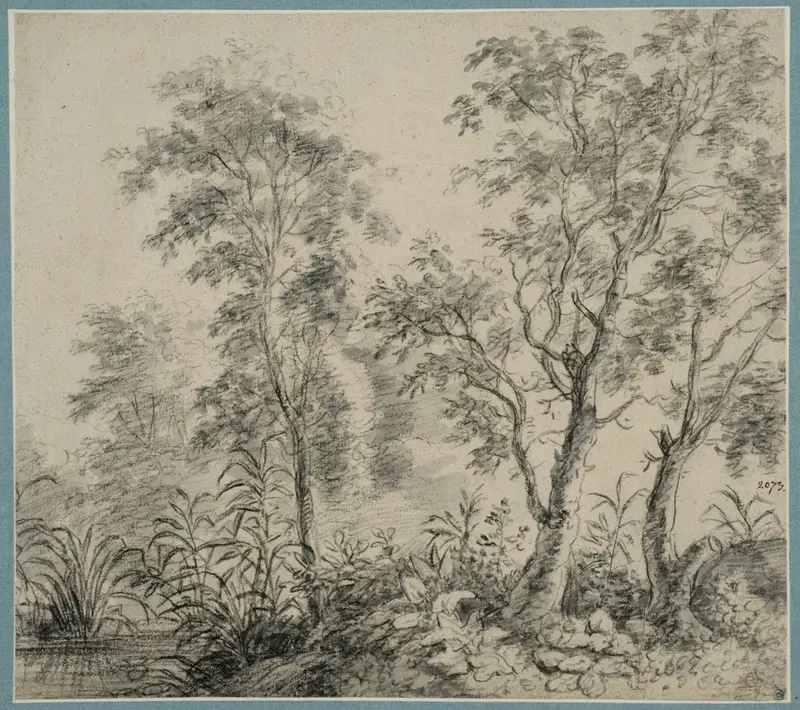
River Bank with a Row of Trees
Antonie Waterloo
More Landscape Art

The Starry Night
Vincent van Gogh

View of Delft
Johannes Vermeer

Water Lilies
Claude Monet

The Grand Canal, Venice, looking north-west from the Ca' Corner to the Ca' Contarini degli Scrigni, with the campanile of Santa Maria della Carità
Canaletto

Windsor Castle
Canaletto

The Grand Canal looking North-East from the Palazzo Dolfin-Manin to the Rialto Bridge
Canaletto