
Cincinnatus recevant les ambassadeurs chargés de lui porter les insignes de la dictature — History & Facts
Few moments in Roman legend have captured the imagination like the summoning of Cincinnatus from his plow. In 458 BCE, Lucius Quinctius Cincinnatus, a retired consul living in rural simplicity, was called upon to save Rome from invasion. The Senate’s ambassadors found him working his fields, and offered him the dictatorship—absolute power, but only for the duration of the crisis.
This tale of reluctant leadership and civic virtue became a touchstone for later generations, especially in revolutionary France, where the idea of the citizen-soldier resonated with republican ideals. In Cincinnatus recevant les ambassadeurs chargés de lui porter les insignes de la dictature, Alexandre Cabanel chooses the moment of interruption: Cincinnatus, hands still dirty from labor, is confronted by the delegation bearing the symbols of authority—fasces, laurel wreath, and the curule chair. The composition draws the eye to the contrast between the humble farmer and the richly dressed envoys, emphasizing the gravity of the offer and Cincinnatus’s initial reluctance. Light falls on the central figure, isolating him from both his rustic surroundings and the formal procession, underscoring the moral weight of the decision.
Unlike Jacques-Louis David’s neoclassical treatments of Roman virtue, Cabanel’s approach is warmer and more personal, focusing on the human drama rather than stoic grandeur. Painted in 1844, while Cabanel was still a young artist, this work belongs to the tradition of history painting that dominated French academic art. The exact medium is not documented, though oil on canvas was standard for such compositions. While there is little record of its early provenance or exhibition history, the painting reflects the period’s fascination with antique themes as vehicles for contemporary political reflection.
Cabanel would later become one of the leading figures of the Academic movement, but here, he demonstrates both narrative skill and a sensitivity to character that foreshadow his later successes. Today, the painting remains a testament to how nineteenth-century artists reimagined the ancient world to speak to their own age.
More Artworks by Alexandre Cabanel
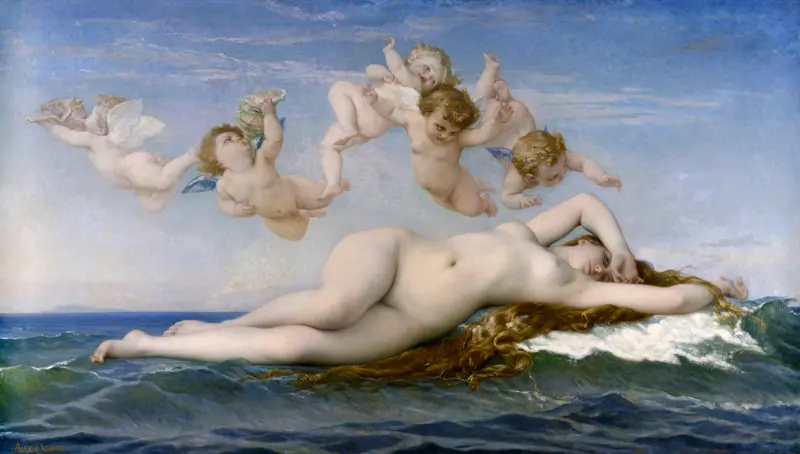
The Birth of Venus
Alexandre Cabanel
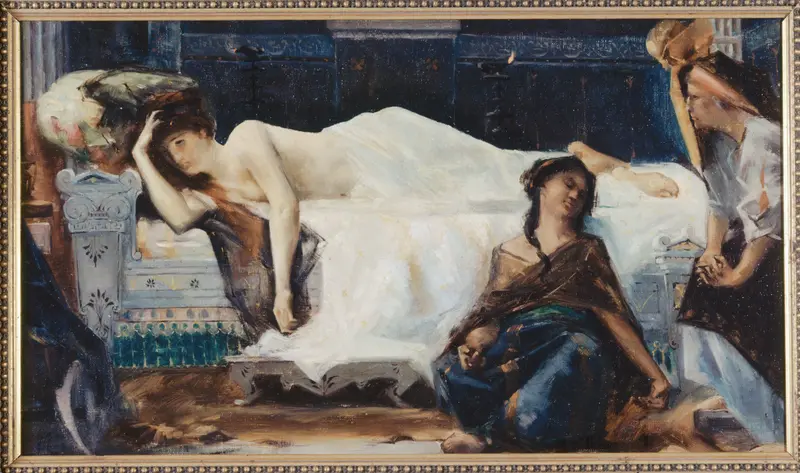
Phèdre
Alexandre Cabanel
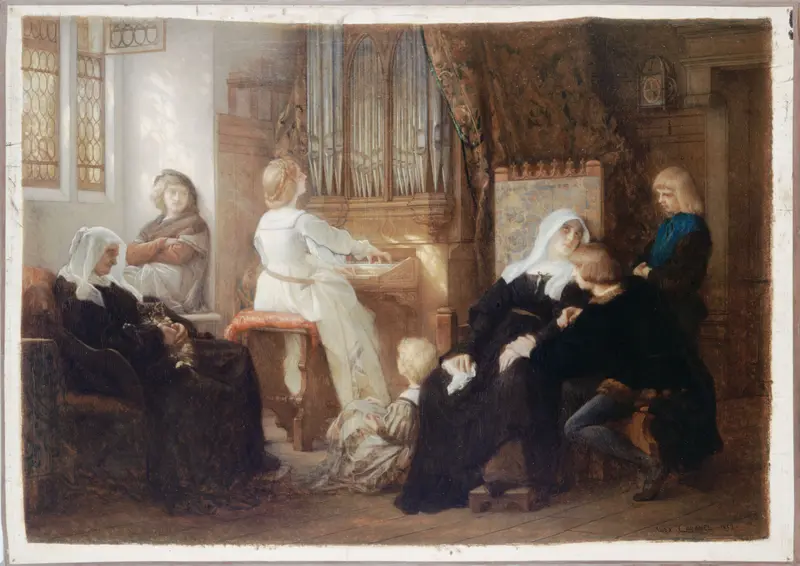
La veuve du maître de chapelle
Alexandre Cabanel
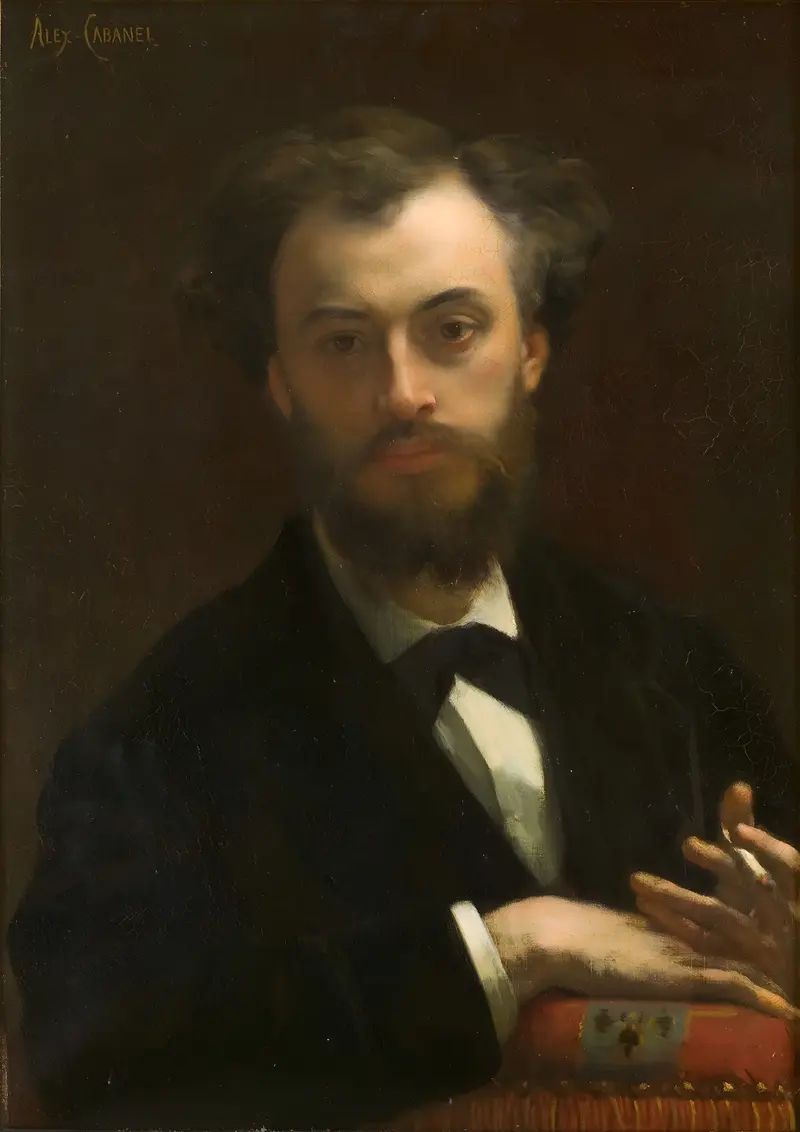
Portrait de M. Pierre Cabanel
Alexandre Cabanel
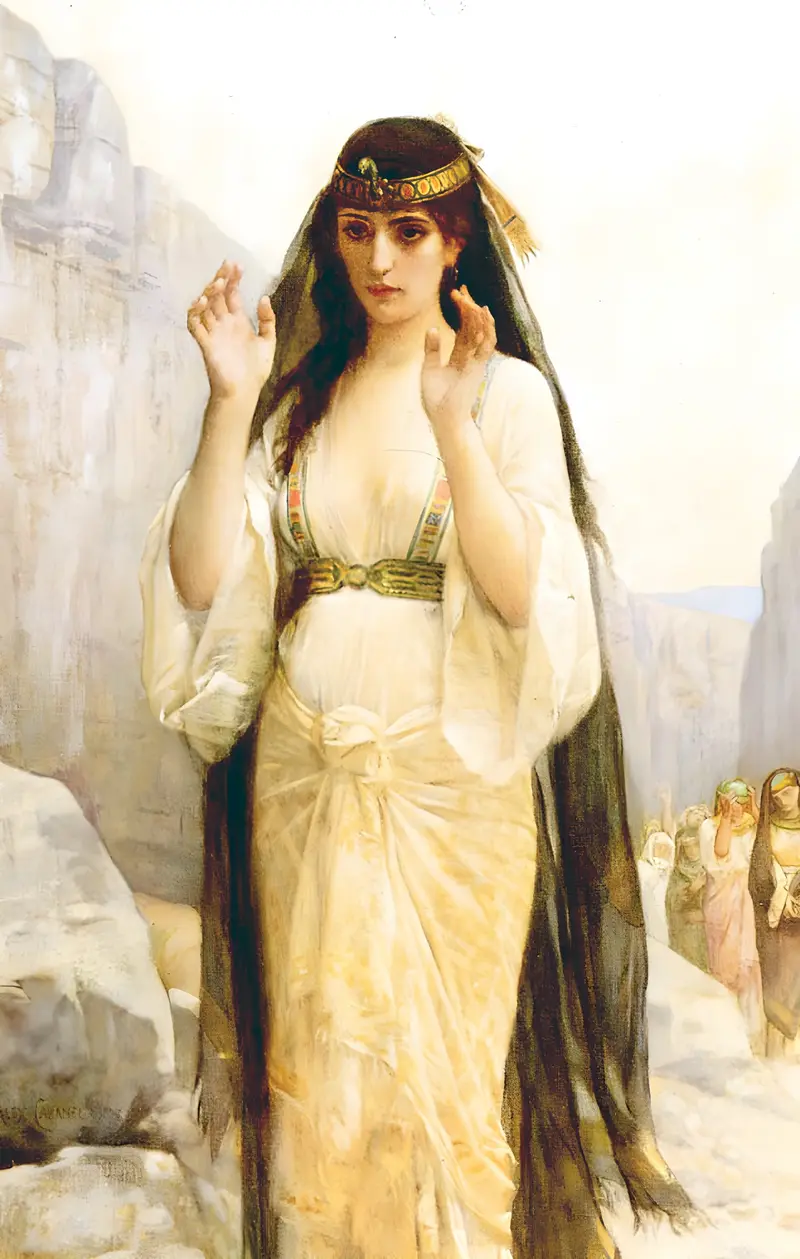
The Daughter of Jephthah
Alexandre Cabanel
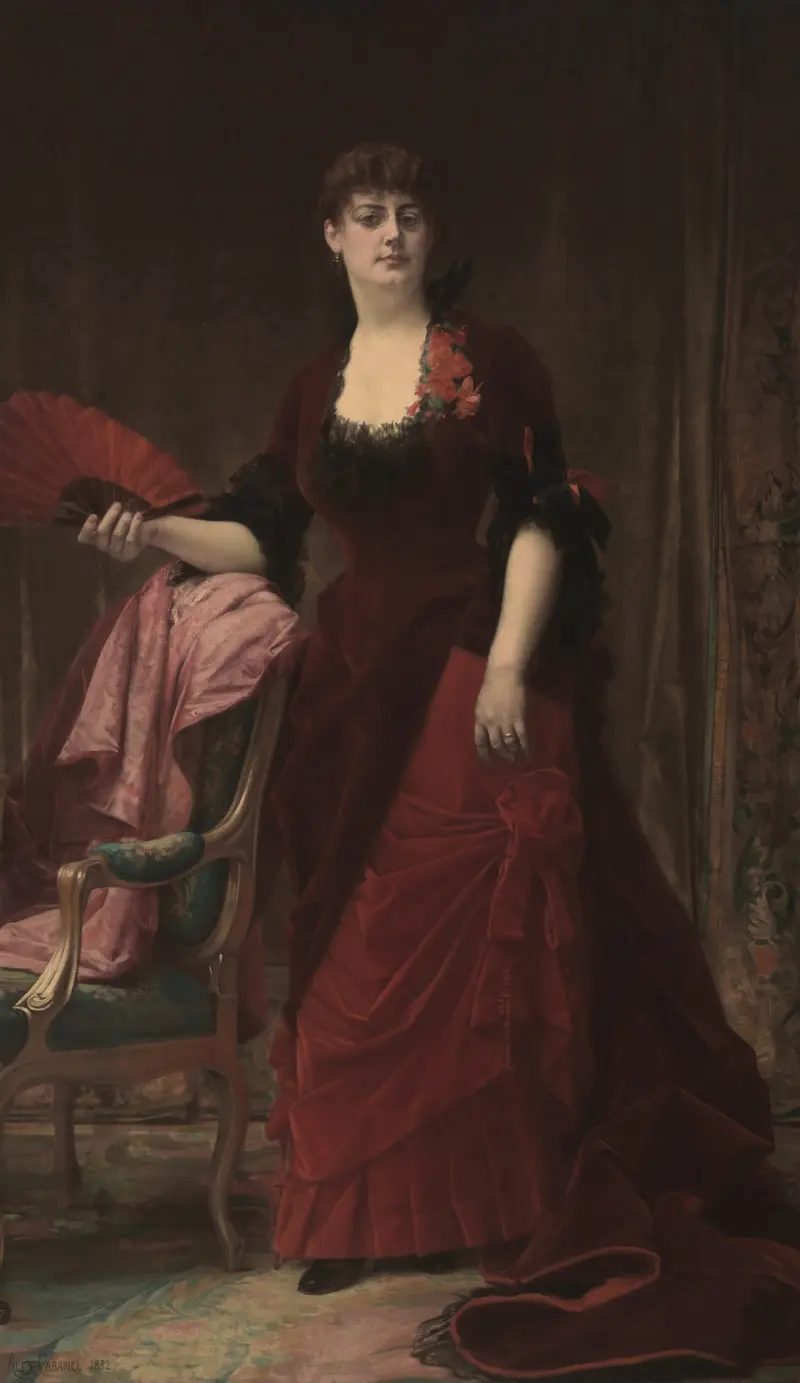
Portrait of Arabella Worsham (later Arabella Huntington)
Alexandre Cabanel
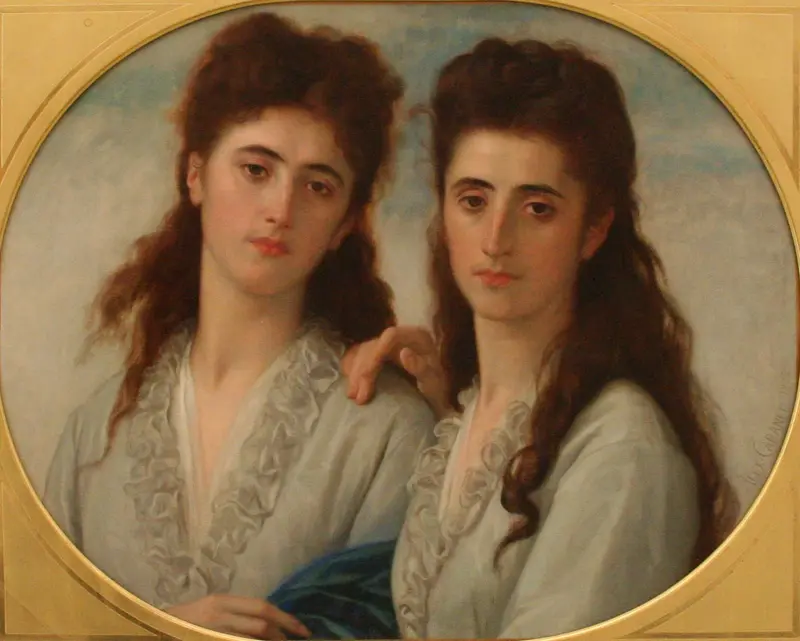
Portrait de mesdemoiselles Sophie et Berthe Cabanel
Alexandre Cabanel
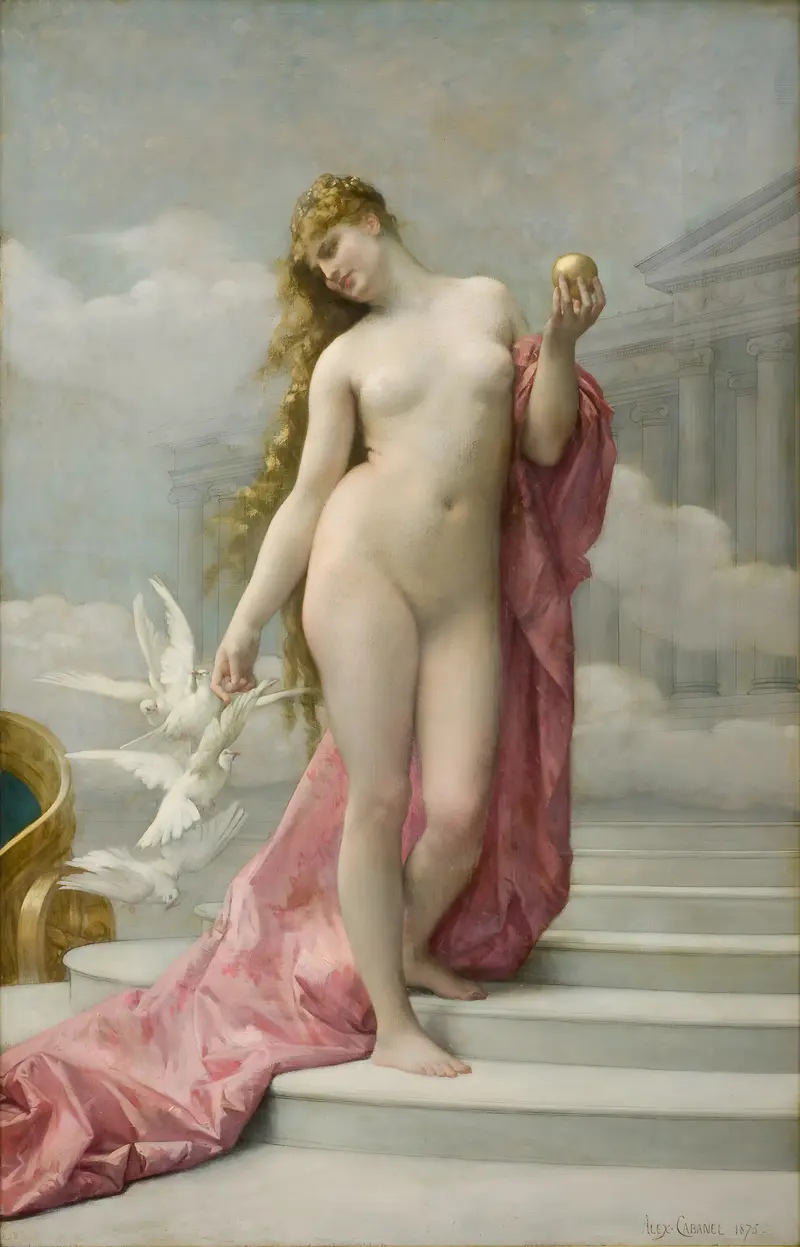
Vénus victorieuse
Alexandre Cabanel
Judith
Alexandre Cabanel
Catharine Lorillard Wolfe (1828–1887)
Alexandre Cabanel





