
City Island, New York — History & Facts
A fence zigzags across the foreground, its pale planks tilting and warping as if shaped by the wind, drawing the eye to the tangled branches of leafless trees that preside over the scene. The boat in the lower corner, half-shrouded in shadow and debris, hints at a life shaped by water, even as it rests on dry land. Through the delicate blue haze of the image, distant houses sit quietly across the inlet, their crisp forms softened by the photographic process.
The light is even and cool, lending the entire view a sense of quiet pause, as if the world has settled for a moment between tides. The composition leads the gaze from the intimate disorder of the foreground to the orderly calm of the far shore, inviting the viewer to linger in the space between. Around 1900, American artists and photographers like Arthur Wesley Dow were experimenting with new ways to see and record the everyday. Cyanotypes, with their distinctive blue palette, offered both an accessible process and a poetic mood, well suited to scenes of quiet domesticity and changing landscapes.
This work, now in the collection of the Cleveland Museum of Art, belongs to an era when artists sought beauty in the overlooked corners of modern life—fences, boats, and backyards rather than grand vistas or heroic subjects. History has kept few traces of the specific stories behind such images, but the careful framing and gentle tonal range speak to a world in transition, where the ordinary was newly worthy of attention. The longer you look, the more the scene’s subtle rhythms reveal themselves.
More Artworks by Arthur Wesley Dow
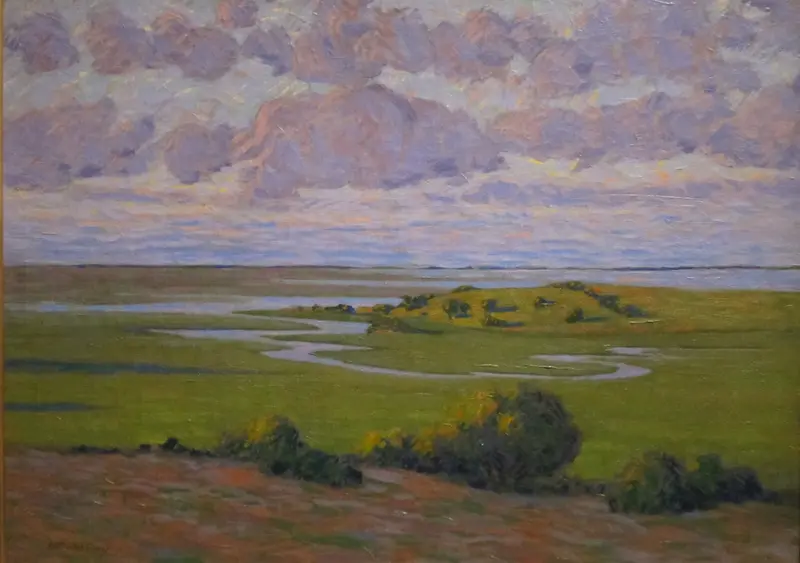
Lavender and Green
Arthur Wesley Dow
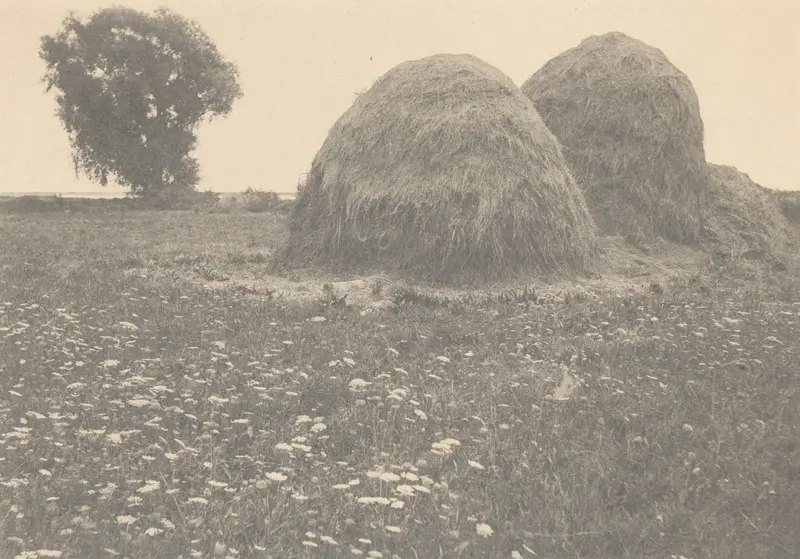
Haystacks, Ipswich
Arthur Wesley Dow
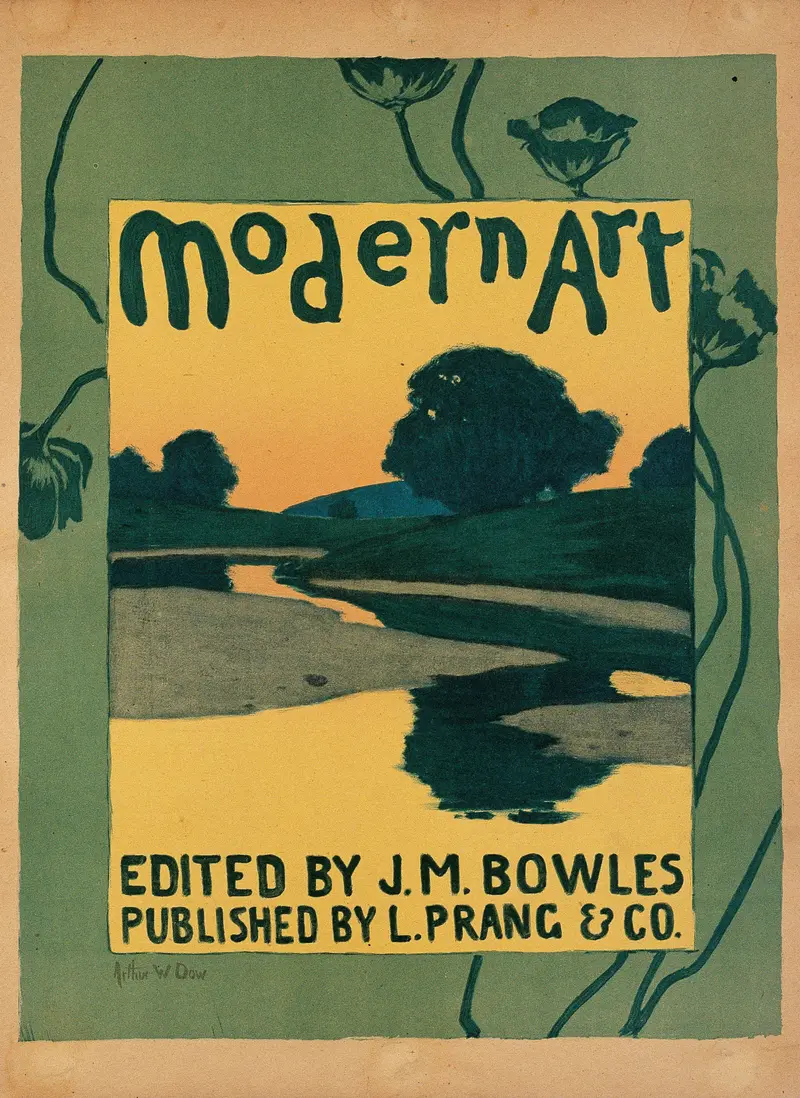
Modern Art
Arthur Wesley Dow
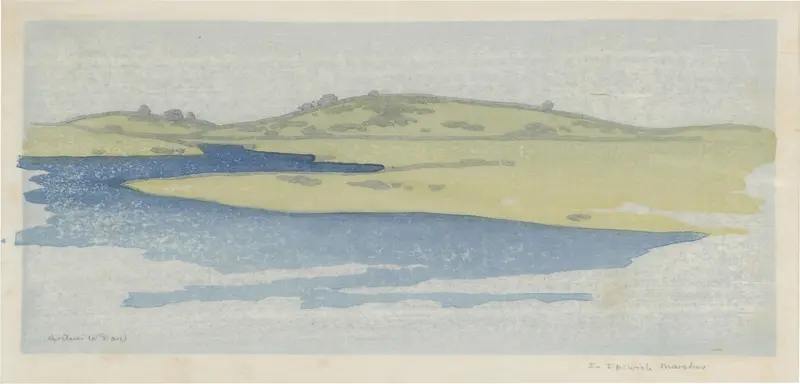
In Ipswich Marshes (Sagamore Hill, Ipswich)
Arthur Wesley Dow
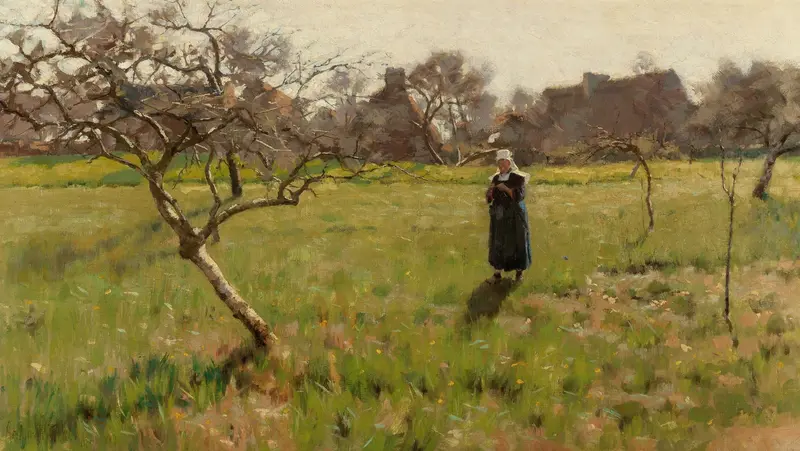
Brittany Field with Figure
Arthur Wesley Dow
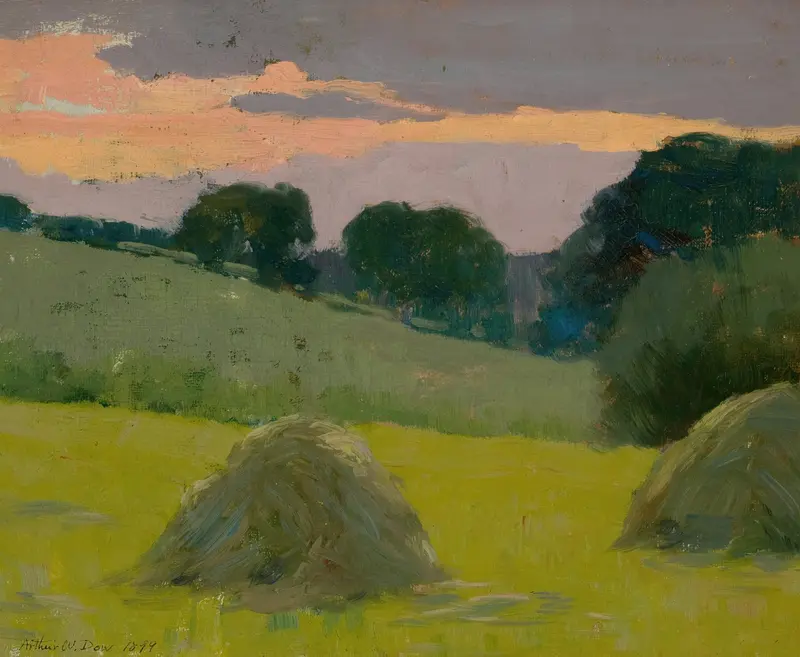
Haystacks
Arthur Wesley Dow
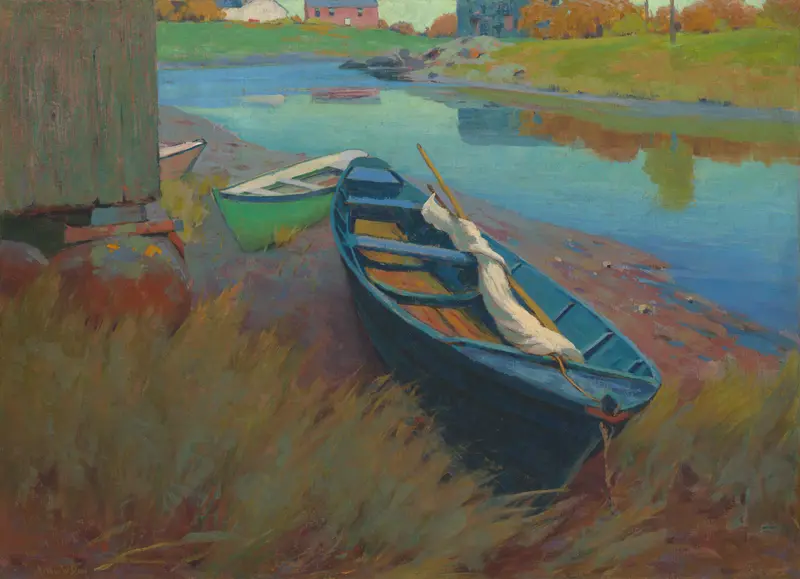
Boats at Rest
Arthur Wesley Dow
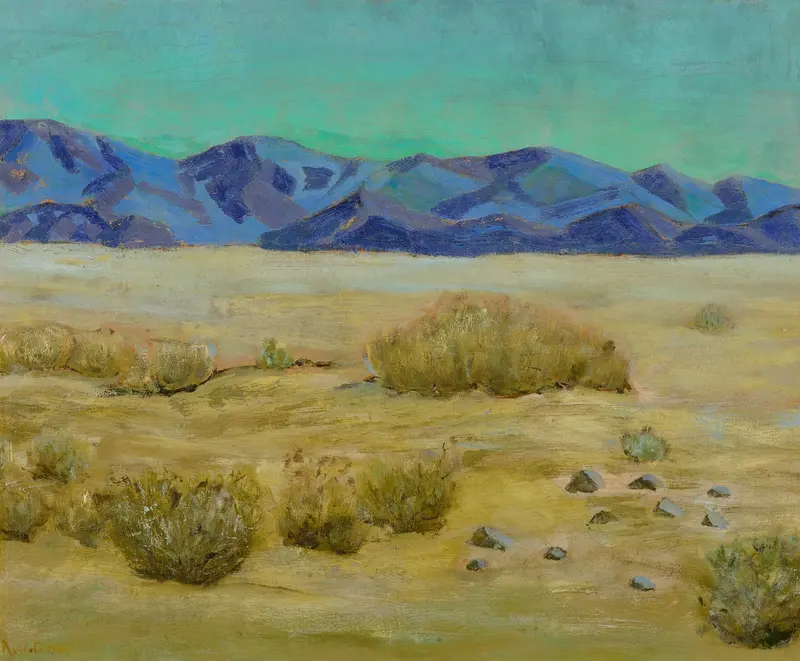
Desert Scene with Mountains
Arthur Wesley Dow
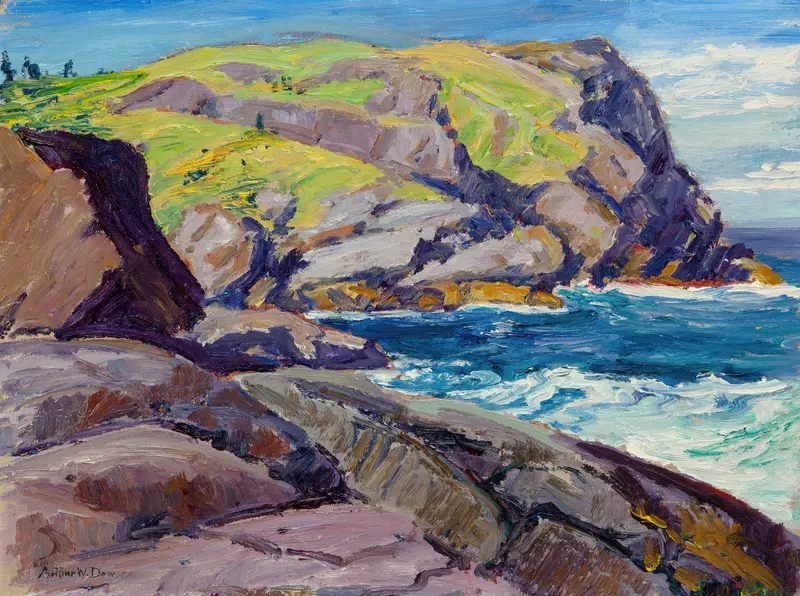
A Maine Headland
Arthur Wesley Dow
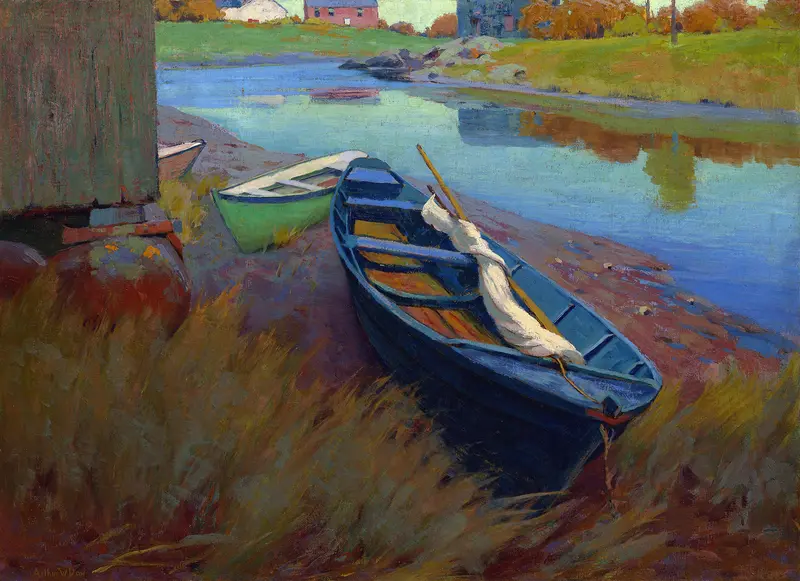
Boats at Rest
Arthur Wesley Dow
More Landscape Art

The Starry Night
Vincent van Gogh

View of Delft
Johannes Vermeer

Water Lilies
Claude Monet

The Grand Canal, Venice, looking north-west from the Ca' Corner to the Ca' Contarini degli Scrigni, with the campanile of Santa Maria della Carità
Canaletto

Windsor Castle
Canaletto

The Grand Canal looking North-East from the Palazzo Dolfin-Manin to the Rialto Bridge
Canaletto