
Modern Art — History & Facts
The first thing that grips the viewer in Modern Art by Arthur Wesley Dow is the way the title itself seems to float above a tranquil landscape, as if the idea of modernity is being gently laid over the natural world. The stylized, almost whimsical lettering draws the eye upward, but the real story unfolds in the quiet drama of the sunset reflected in the winding river below. The palette is restrained—muted greens and golds—yet the contrast between the flat silhouettes of trees and the luminous sky creates a sense of calm anticipation.
The border of poppy-like flowers, rendered in a flat decorative style, hints at the influence of Japanese prints, which Dow famously championed. Every element here—lettering, landscape, and ornament—works together to invite the viewer into a new way of seeing, where design and nature are in conversation. Created in 1895, this work belongs to a moment when American artists and designers were searching for fresh visual languages, often turning to the aesthetics of Art Nouveau and Japanese art for inspiration. Arthur Wesley Dow was a leading advocate for these new approaches, teaching that composition and harmony mattered more than literal representation.
The presence of the publisher’s and editor’s names grounds the image in the world of print and mass communication, a world that was rapidly expanding at the end of the nineteenth century. Little is recorded about the specific journey of this particular work, now accessible at maximum zoom through the Google Cultural Institute, but its style and ambition speak to a period when art was moving out of the academy and into everyday life. Stand before it and let your eye wander: every curve and color is an invitation to see the ordinary as something newly designed.
More Artworks by Arthur Wesley Dow

City Island, New York
Arthur Wesley Dow
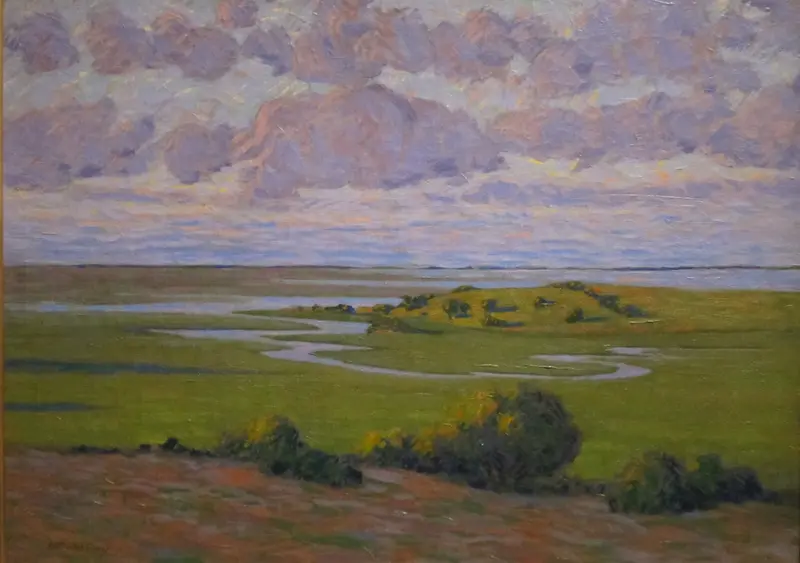
Lavender and Green
Arthur Wesley Dow
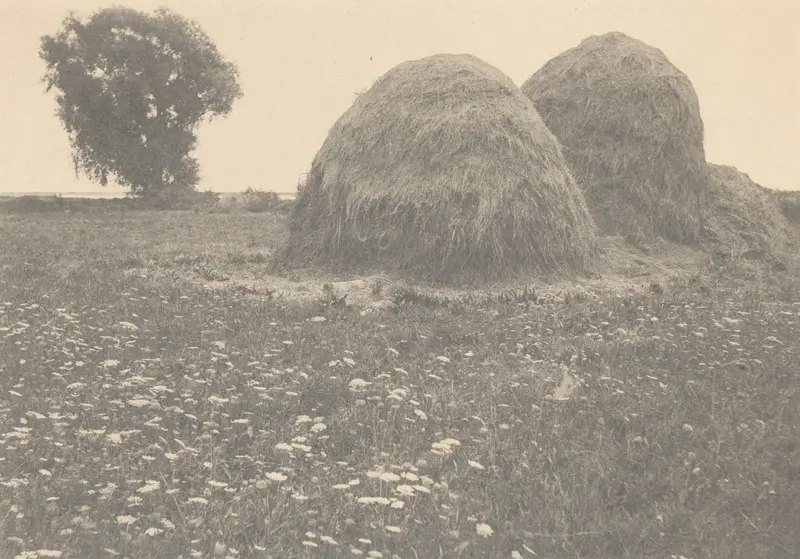
Haystacks, Ipswich
Arthur Wesley Dow
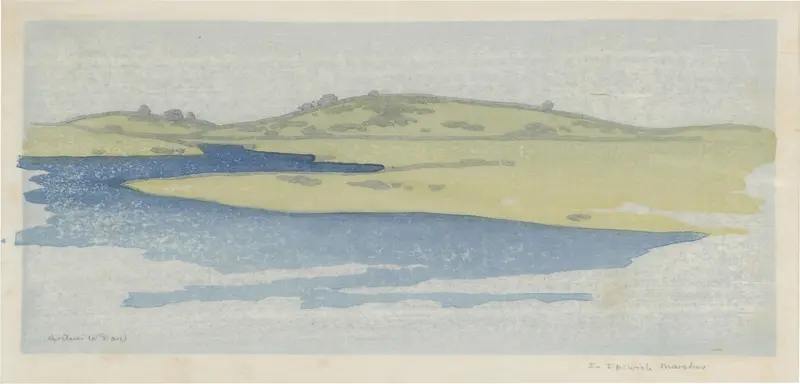
In Ipswich Marshes (Sagamore Hill, Ipswich)
Arthur Wesley Dow
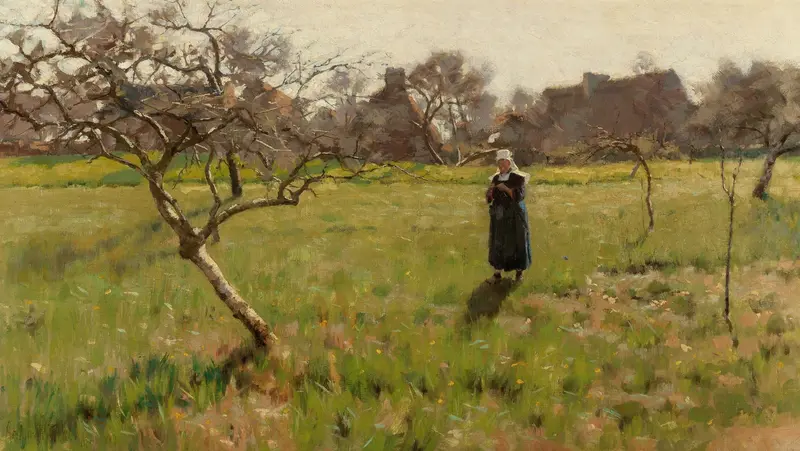
Brittany Field with Figure
Arthur Wesley Dow
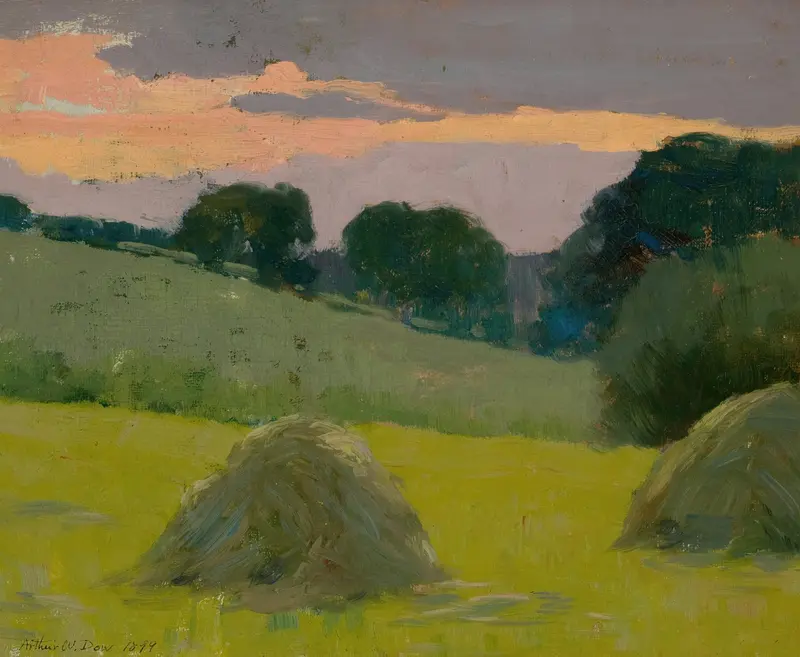
Haystacks
Arthur Wesley Dow
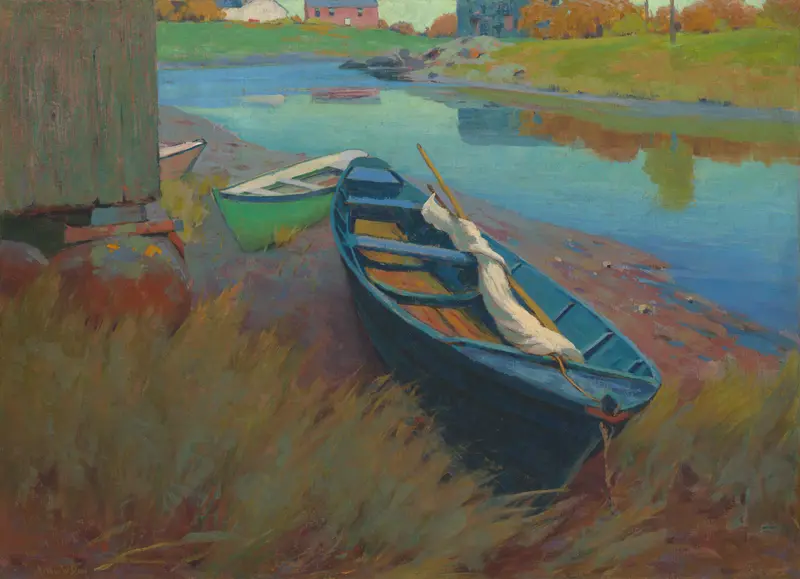
Boats at Rest
Arthur Wesley Dow
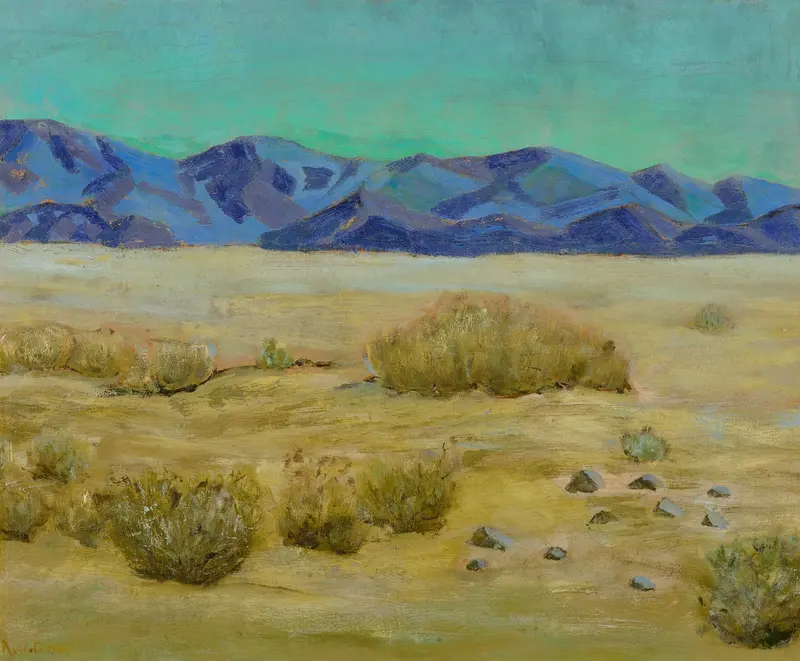
Desert Scene with Mountains
Arthur Wesley Dow
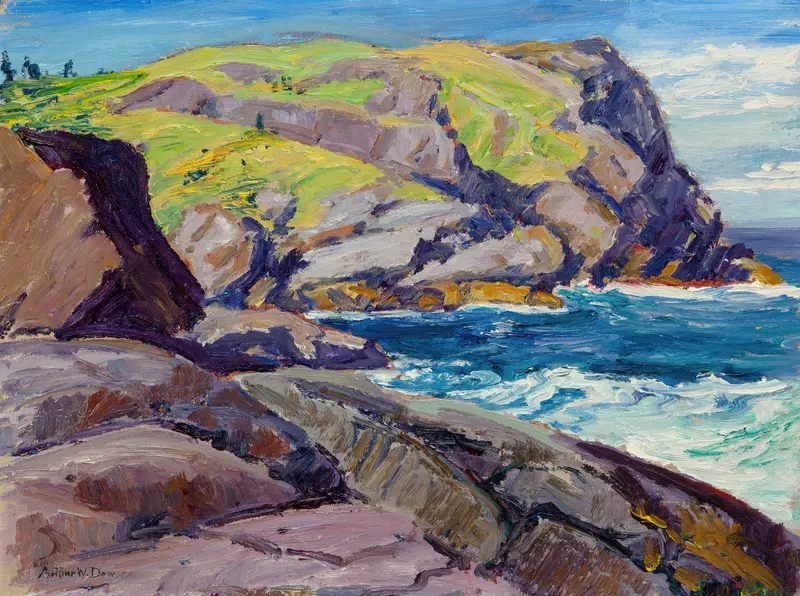
A Maine Headland
Arthur Wesley Dow
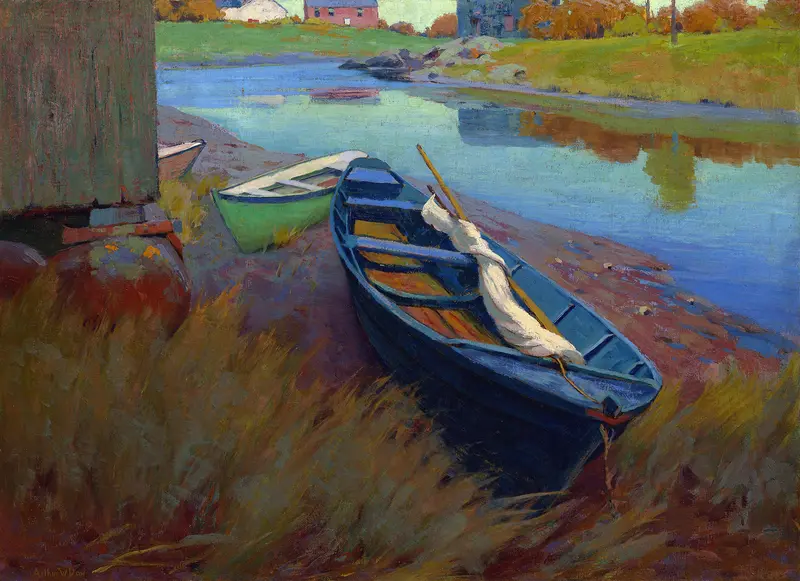
Boats at Rest
Arthur Wesley Dow
More Landscape Art

The Starry Night
Vincent van Gogh

View of Delft
Johannes Vermeer

Water Lilies
Claude Monet

The Grand Canal, Venice, looking north-west from the Ca' Corner to the Ca' Contarini degli Scrigni, with the campanile of Santa Maria della Carità
Canaletto

Windsor Castle
Canaletto

The Grand Canal looking North-East from the Palazzo Dolfin-Manin to the Rialto Bridge
Canaletto