
City Watchman — History & Facts
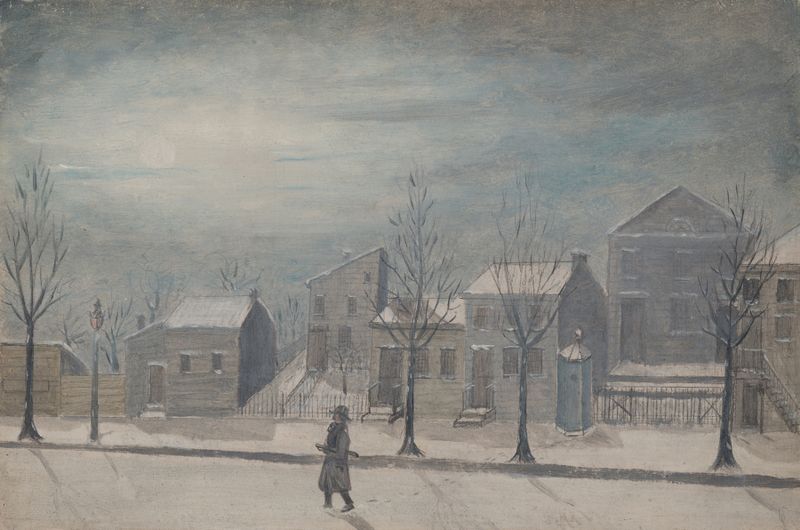
In the quiet corners of the city, beneath the watchful eyes of the night, lies an unspoken truth wrapped in shadows and tension. Focus on the central figure of the watchman, standing resolutely against the backdrop of a dimly lit alley. Look closely at the deep, contrasting tones—rich browns and shadowy blacks—that create a sense of foreboding. Note how the light spills from an unseen source, illuminating only part of his face, leaving the rest cloaked in darkness, hinting at the secrets he guards.
The watchman’s posture is alert yet weary, conveying the burdens of vigilance and the constant threat lurking in the unseen depths around him. Beneath the surface of his stoic demeanor lies a palpable anxiety—a tension between duty and dread. The stillness of the night amplifies the violence that could erupt at any moment, a reminder of the fragility of peace. Small details, like the slight grip of his hand on the lantern, speak volumes of readiness and apprehension.
There's a duality present; he embodies both the protector and the potential harbinger of chaos, revealing the complex nature of authority. In the 1870s, when this piece was created, the artist was exploring themes of urban life and the burgeoning changes in society. William P. Chappel was based in the United States, where the spirit of progress clashed with the stark realities of the time—rising crime rates and social upheaval.
This painting reflects not only the artist's personal observations but also the broader context of a society gripped by the consequences of rapid industrialization and societal change.
More Artworks by William P. Chappel
Browse all →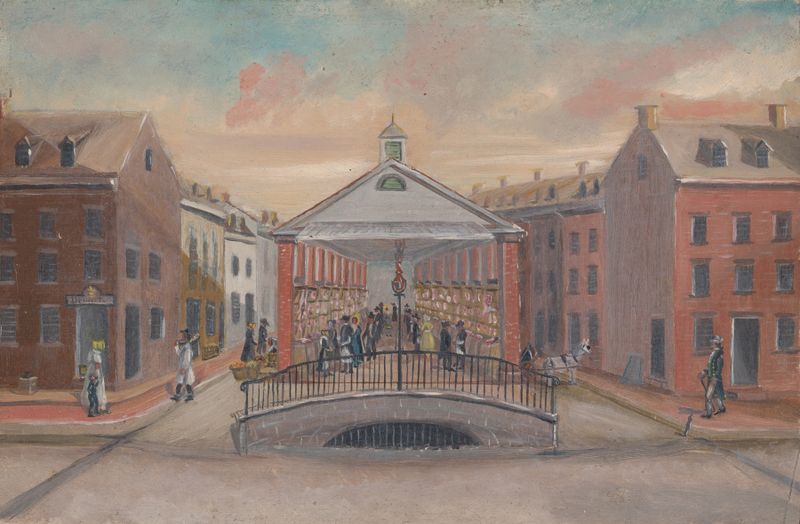
Fly Market
William P. Chappel
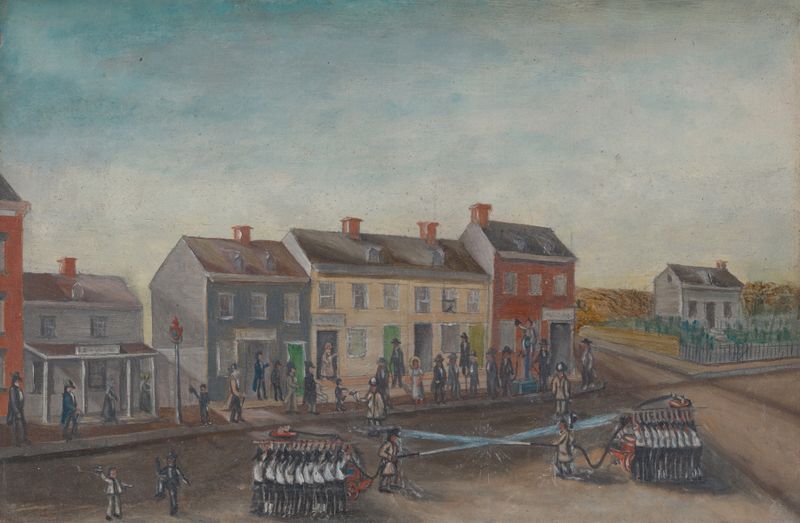
Firemen’s Washing Day
William P. Chappel
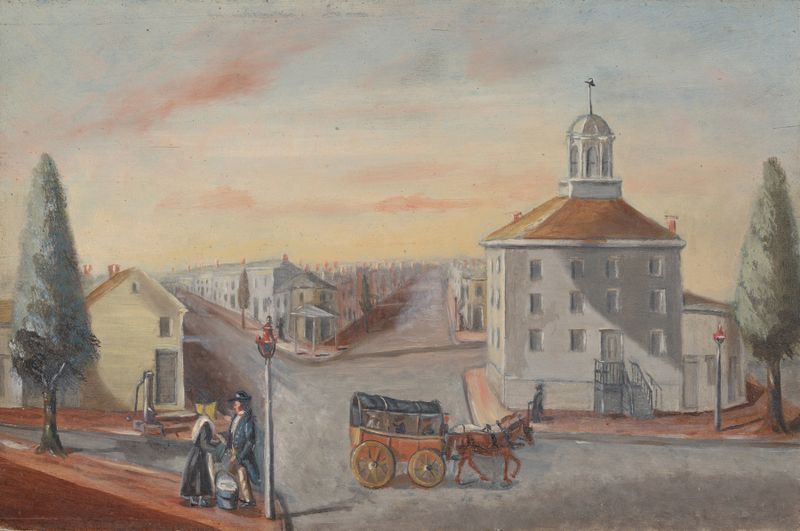
Hot Corn Seller
William P. Chappel
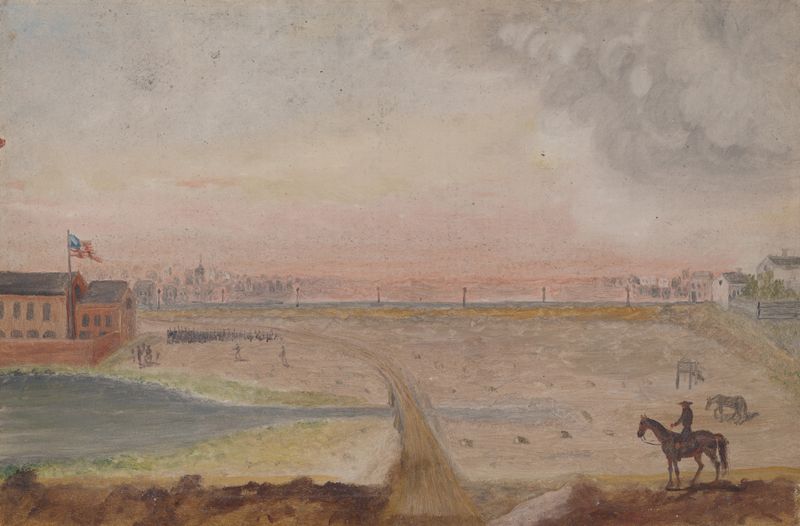
Militia Drilling
William P. Chappel
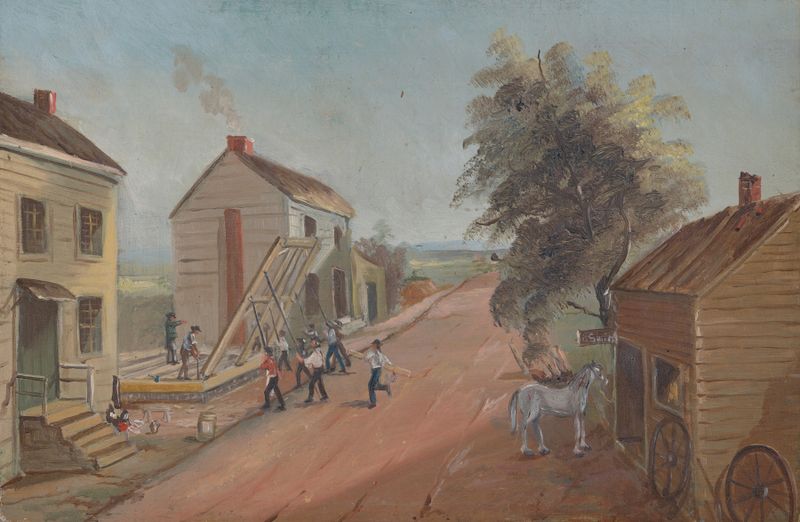
House Raising
William P. Chappel
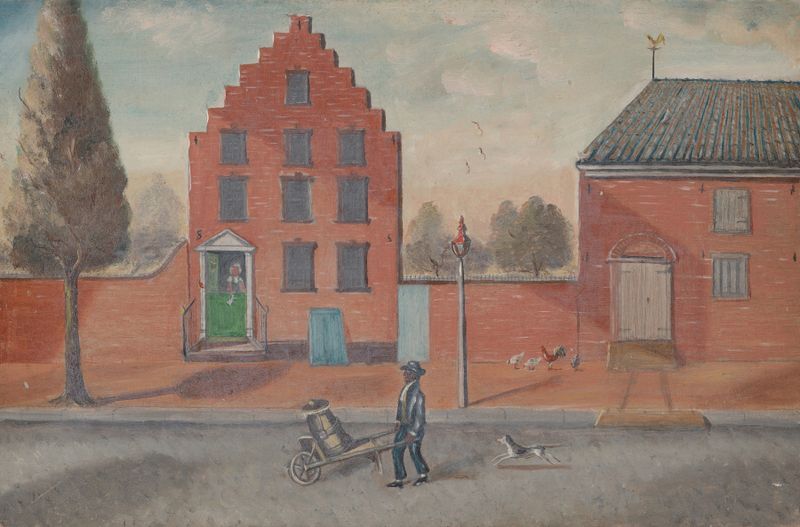
Buttermilk Pedlar
William P. Chappel
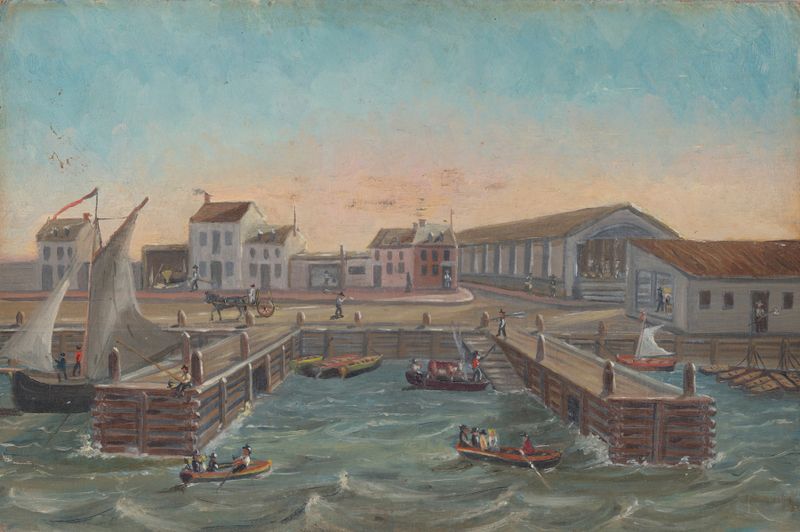
Old Ferry Stairs
William P. Chappel
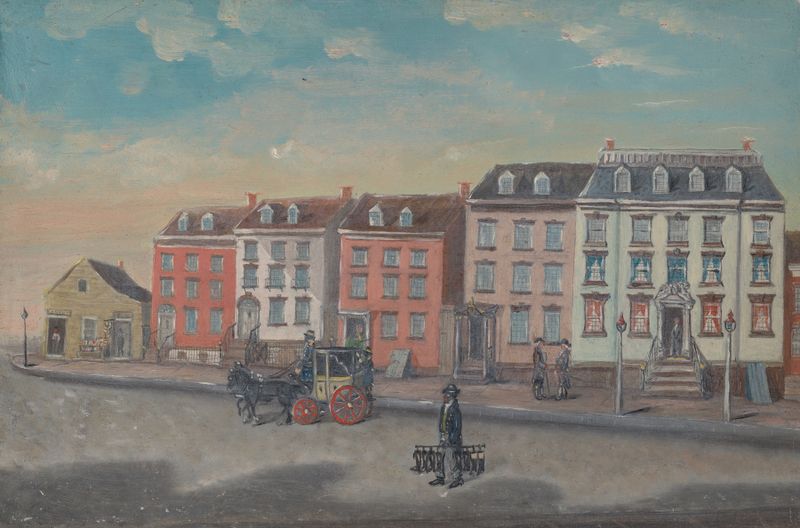
The Boot Black
William P. Chappel
City Watchman
William P. Chappel
Bull’s Head Tavern
William P. Chappel





