
Cloudy sky over a hilly landscape — History & Facts
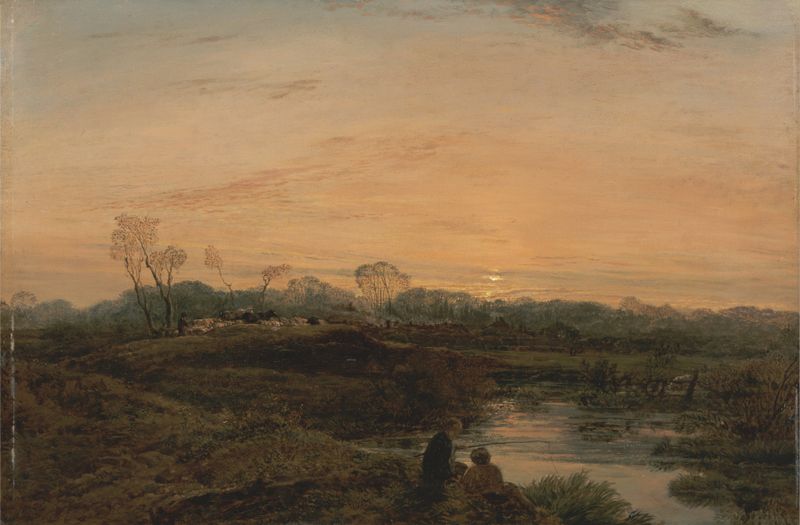
When did color learn to lie? In the interplay of blues and greys, dreams dance across the canvas, inviting you into a world both serene and unsettling. Look to the horizon, where a hilly landscape unfolds beneath an expansive, cloudy sky. Notice the delicate brushwork that reveals each hill's gentle curve and the way the light struggles to penetrate the thick cloud cover, casting the scene into a blend of muted tones. The soft, earthy greens contrast sharply with the turbulent sky, creating a tension that feels both inviting and foreboding, as if the landscape holds secrets just beyond your reach. The clouds loom, heavy with potential rain, symbolizing both change and stagnation.
Each shade tells a story: the lighter patches hint at hope, while the darker swathes evoke a sense of despair. The juxtaposition of the tranquil hills against the ominous sky suggests a yearning for peace amid turmoil, reflecting a deeper emotional landscape that resonates with the viewer’s own dreams and fears. In the early 19th century, while painting Cloudy Sky Over a Hilly Landscape, Linnell was deeply engaged with the burgeoning Romantic movement, which sought to express emotional depth and connection to nature. Created during a time of industrial change in England, the work captures both the beauty and instability of the natural world, positioning the artist among his contemporaries who grappled with the tensions between progress and pastoral idealism.
More Artworks by John Linnell
Browse all →
A View Near Hampstead
John Linnell
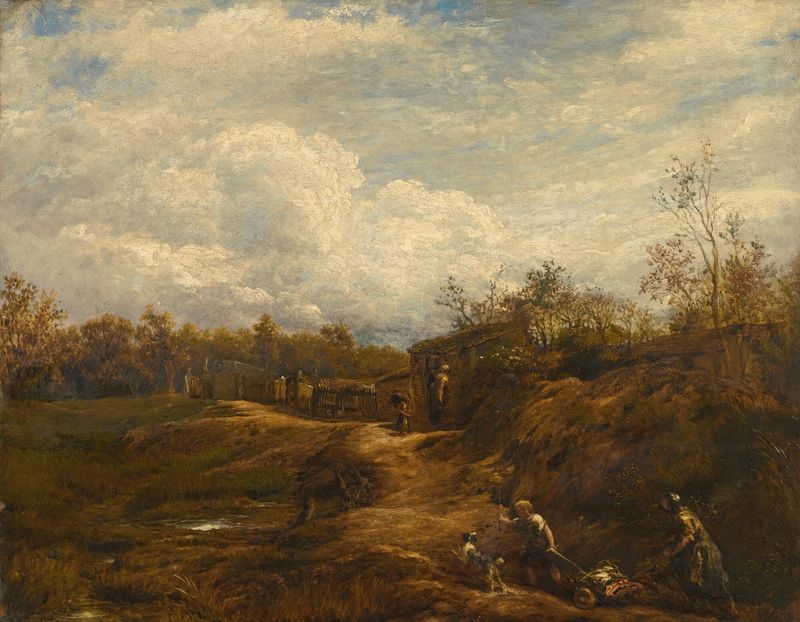
An English Landscape
John Linnell

Travelers Resting by a Fallen Tree
John Linnell
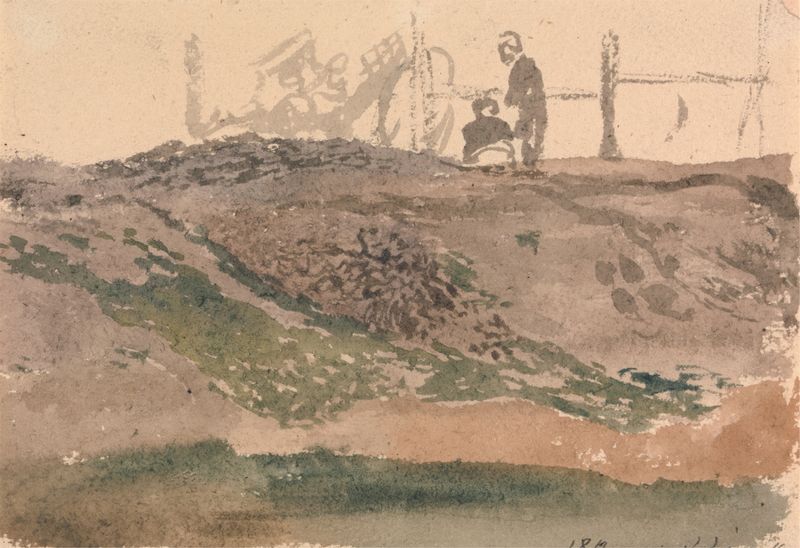
Figures on a Bank, Kensington Gravel Pits
John Linnell
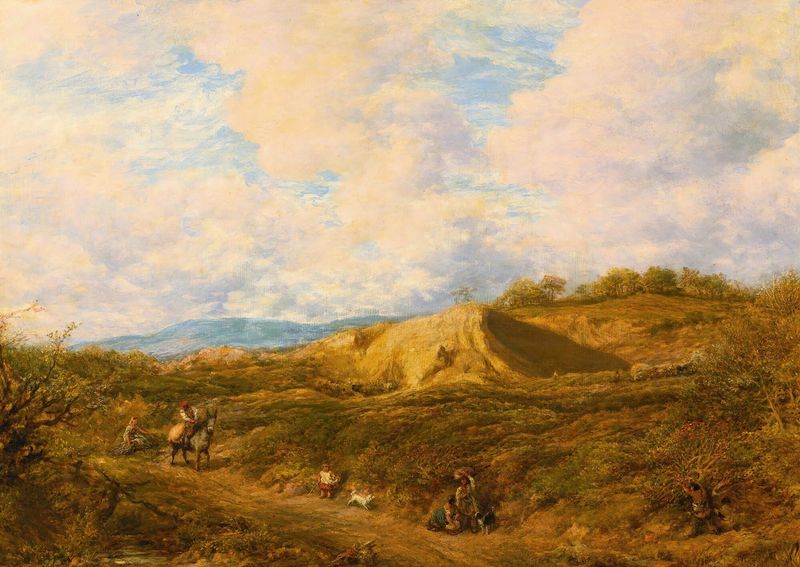
Redhill Common, Surrey
John Linnell

Netley Abbey
John Linnell

The Sand Pits, Hampstead Heath
John Linnell
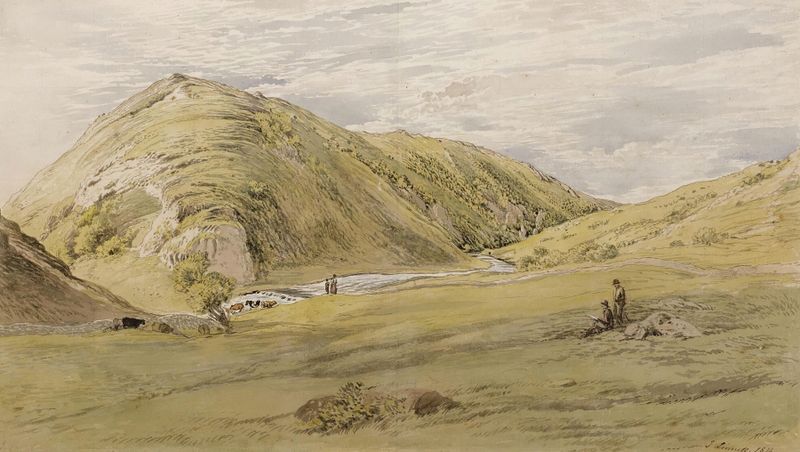
Entrance To Dovedale From Ashbourne, Derbyshire
John Linnell
Evening, Bayswater
John Linnell

In Dovedale
John Linnell





