
Coastal Landscape at Hvitsten — History & Facts
What first seizes the eye in Coastal Landscape at Hvitsten is the wild, almost musical rhythm of color—greens, violets, ochres—sweeping across the land as if the earth itself were caught in a gust from the sea. The brushwork is urgent, restless, and the landscape seems to tilt and surge toward the water, drawing the viewer into its movement. Patches of bright green and purple do not simply describe grass and rock; they pulse with a kind of living energy, as if the painter were less interested in recording a place than in transmitting its sensation.
The horizon is low, giving the sky a broad stage, but it is the land that commands attention, tumbling in waves toward the luminous band of sea and sky. Painted in 1922, this work belongs to a period when Edvard Munch had turned with renewed force to the Norwegian coast, a subject that had haunted and inspired him for decades. Landscapes like this, painted in the years after World War I, were often commissioned by local collectors or created for the artist’s own pleasure, reflecting the shifting tastes of a Europe eager for color and emotional directness. By the early twentieth century, the landscape genre had become a field for experimentation, with artists like Munch and his contemporaries in Germany and France pushing the boundaries of what a landscape could express.
While history has kept few traces of this specific painting’s journey, its bold palette and sweeping forms are a testament to a time when artists sought not just to show the world, but to make us feel its pulse—an invitation to linger in the storm of color and movement.
More Artworks by Edvard Munch

The Scream
Edvard Munch

The Scream (1910 version)
Edvard Munch

Despair
Edvard Munch

The Day After
Edvard Munch
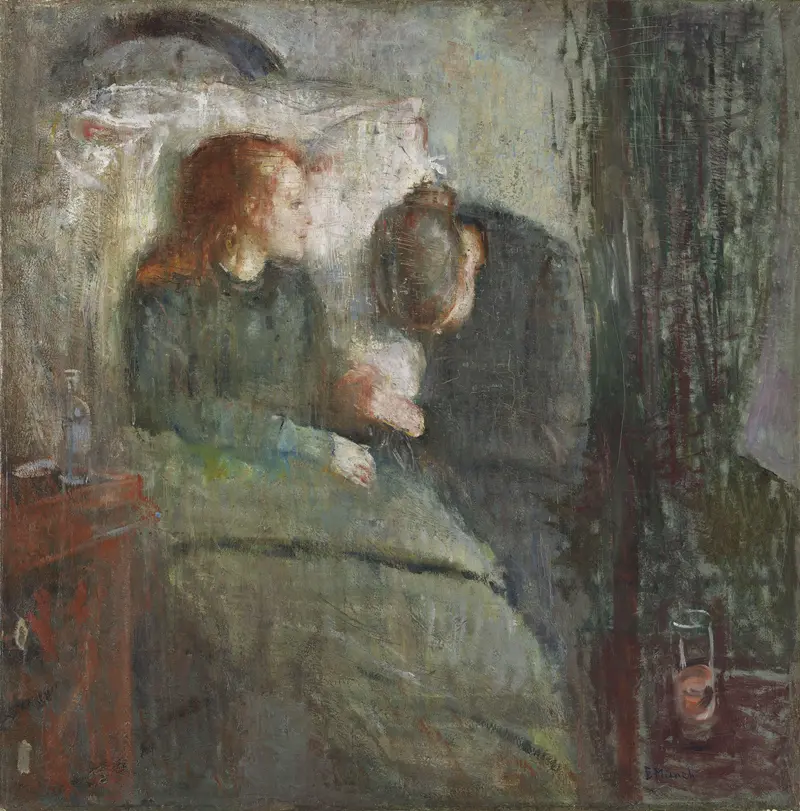
The Sick Child
Edvard Munch
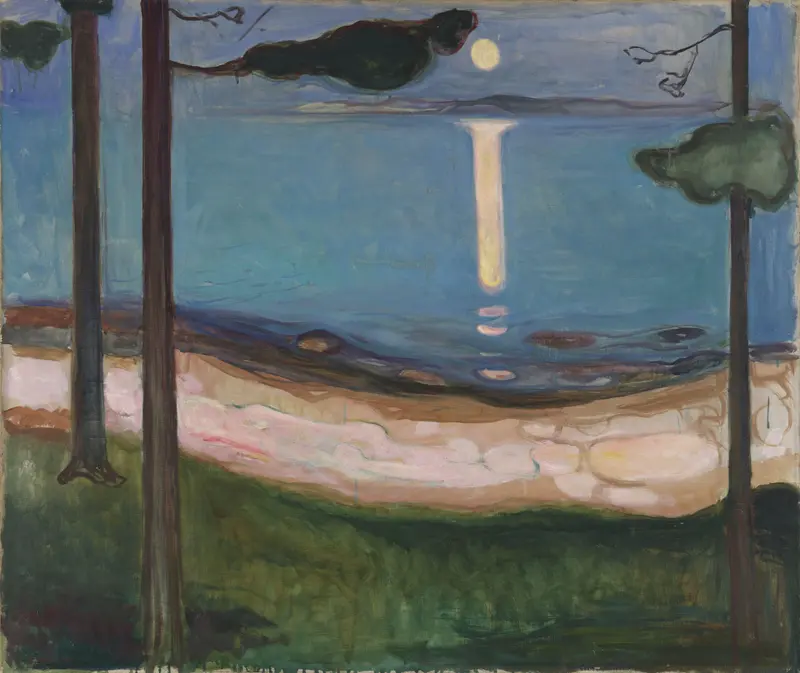
Moonlight
Edvard Munch
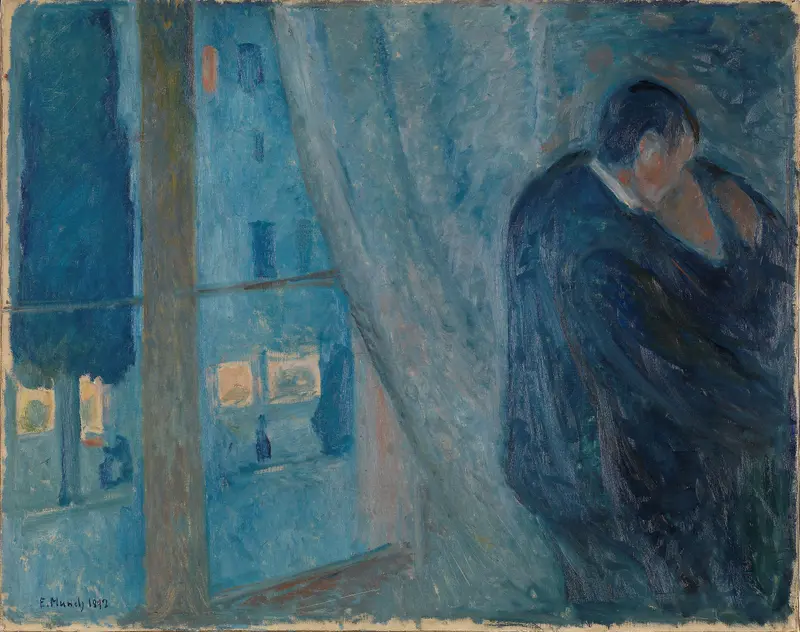
The Kiss
Edvard Munch
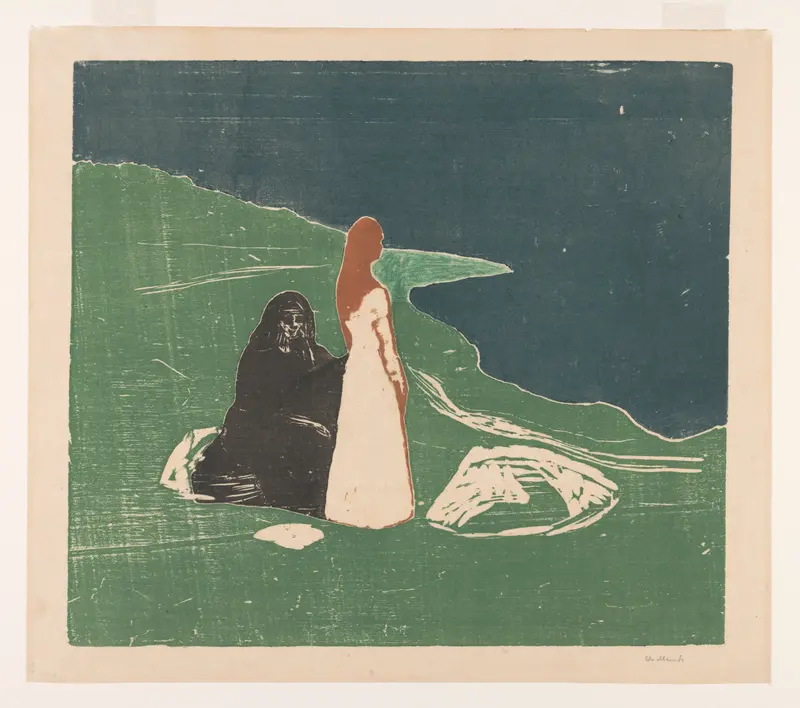
Two Women on the Shore
Edvard Munch
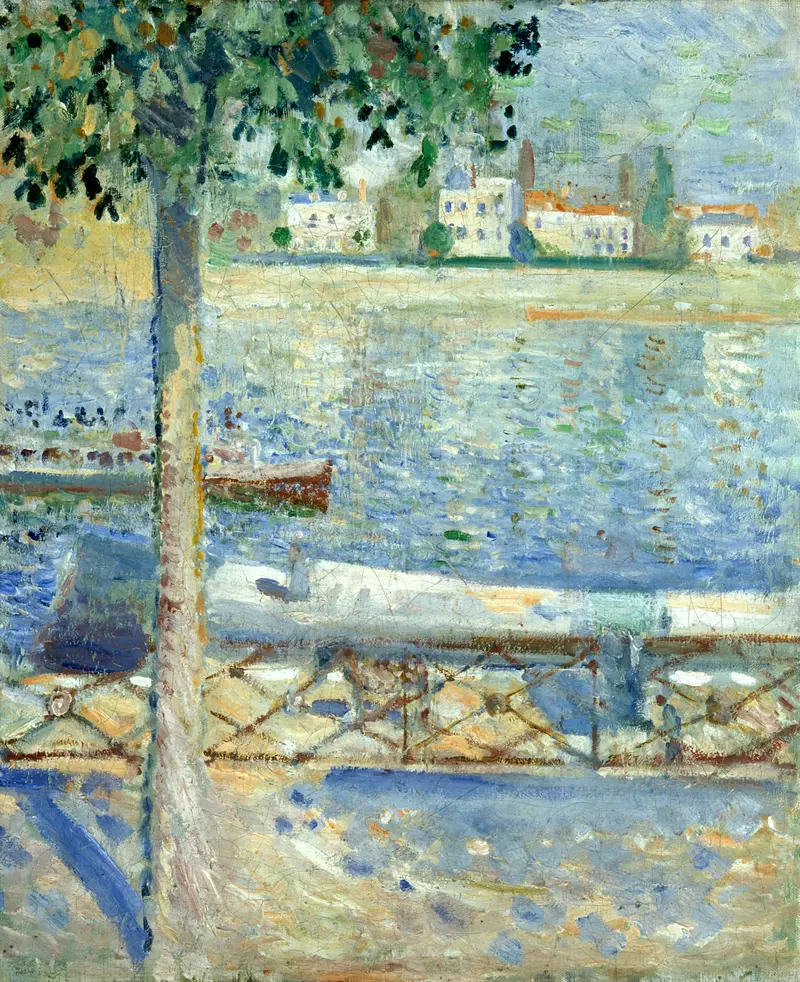
The Seine At Saint-Cloud
Edvard Munch
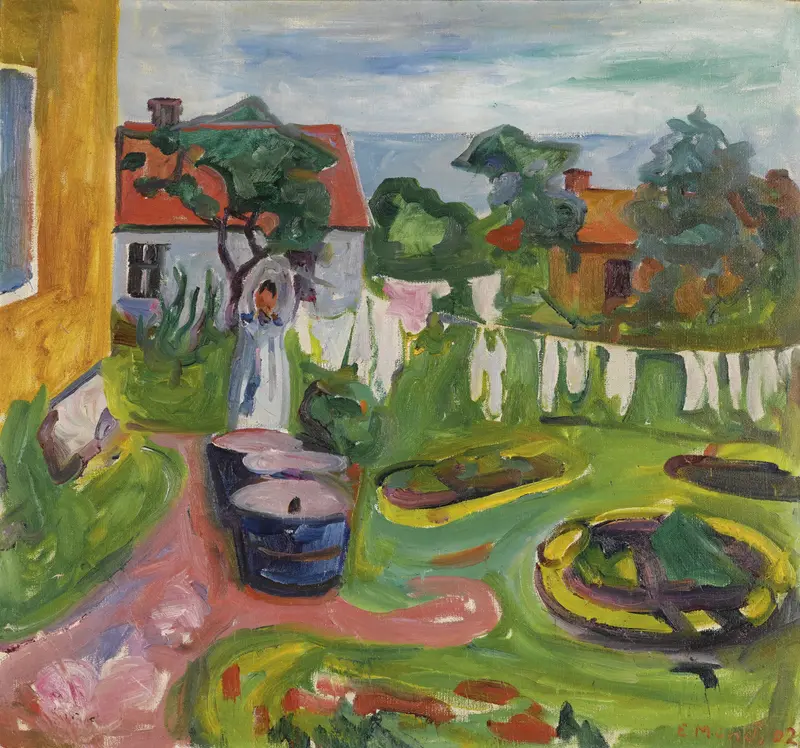
Klestørk I Åsgårdstrand (Clothes On A Line In Åsgårdstrand)
Edvard Munch
More Landscape Art

The Starry Night
Vincent van Gogh

View of Delft
Johannes Vermeer

Water Lilies
Claude Monet

The Grand Canal, Venice, looking north-west from the Ca' Corner to the Ca' Contarini degli Scrigni, with the campanile of Santa Maria della Carità
Canaletto

Windsor Castle
Canaletto

The Grand Canal looking North-East from the Palazzo Dolfin-Manin to the Rialto Bridge
Canaletto