
Composition à la main et aux chapeaux — History & Facts
A face emerges in profile, monumental and mask-like, framed by a grid of objects that seem both familiar and strange. The eye is drawn first to the hypnotic spiral of black and white, a motif that suggests movement within the painting’s otherwise rigid geometry. Around it, a parade of everyday items—bowler hat, spoons, plates, bottles—are marshaled into a kind of visual inventory, each rendered with the same mechanical clarity.
The palette is crisp and limited: red, black, white, ochre, and olive, each color staking out its territory, each shape locked into place. Yet within this order, there is a playful sense of puzzle and performance, as if the objects are actors on a stage, their relationships shifting with each glance. Painted in 1927, this work stands at the crossroads of Fernand Léger’s fascination with the modern city and his search for a new pictorial language. The interlocking forms and bold outlines recall the world of machines and mass production, a central concern for artists of the interwar period.
Léger, associated with the Cubist and later the Purist movements, often sought to reconcile the chaos of urban life with a sense of structure and harmony. Here, in the collection of the Centre Pompidou, the painting becomes a kind of manifesto for that ambition—history has kept few traces of its early journey, but its energy is undimmed. The viewer is left to navigate this maze of symbols, returning again and again to the enigma of the face at its heart.
More Artworks by Fernand Léger

The Tugboat Bridge
Fernand Léger
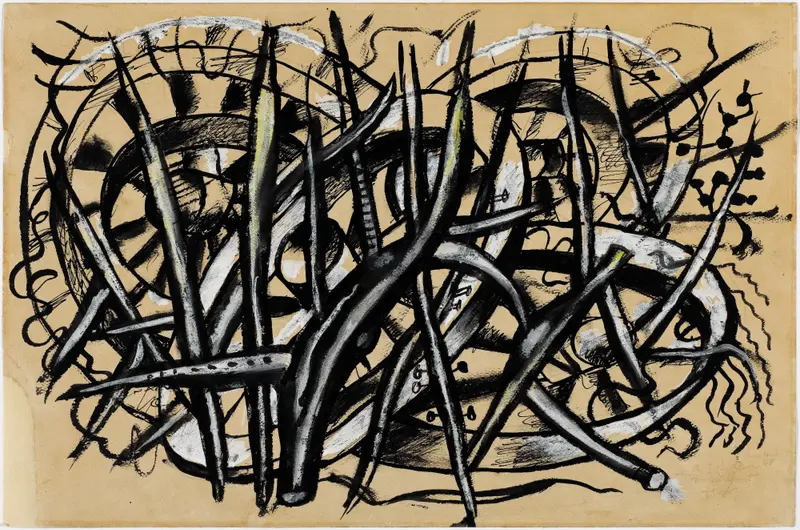
The Wheels
Fernand Léger

Le Cirque Médrano
Fernand Léger
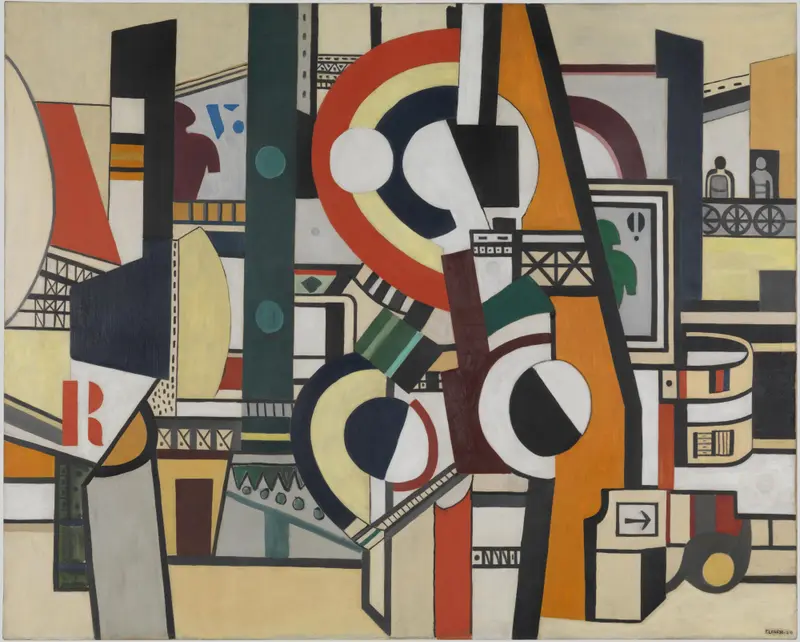
The Disks in the City
Fernand Léger
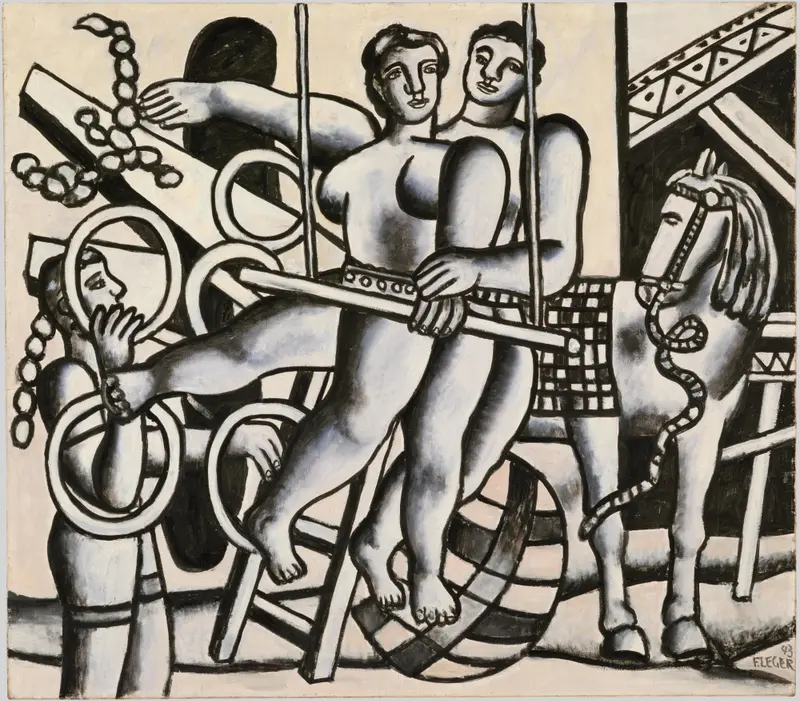
Le Jongleur et les acrobates
Fernand Léger
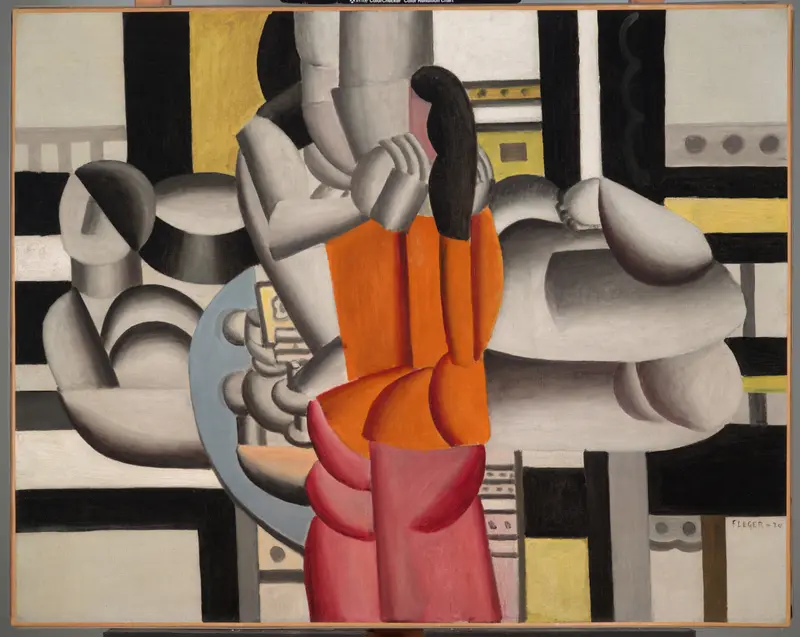
Three Women and Still Life (Déjeuner)
Fernand Léger
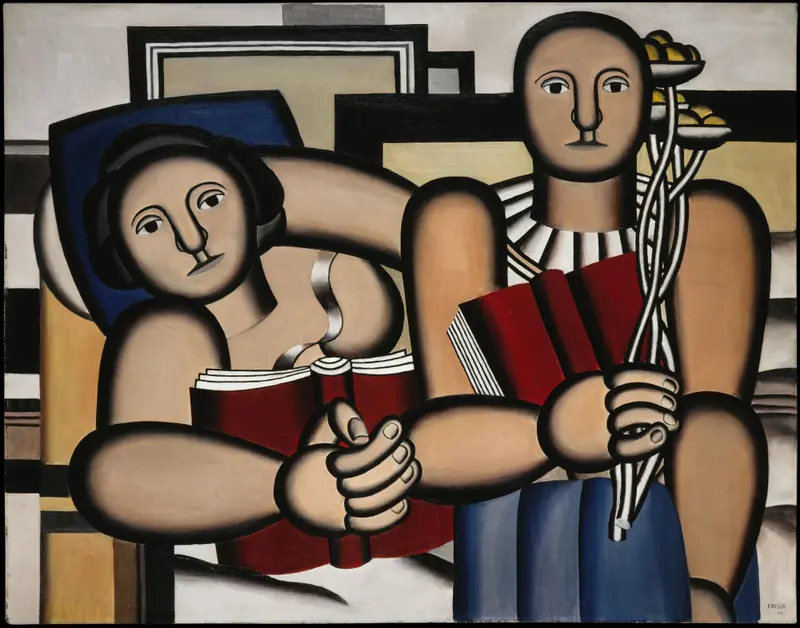
Reading
Fernand Léger
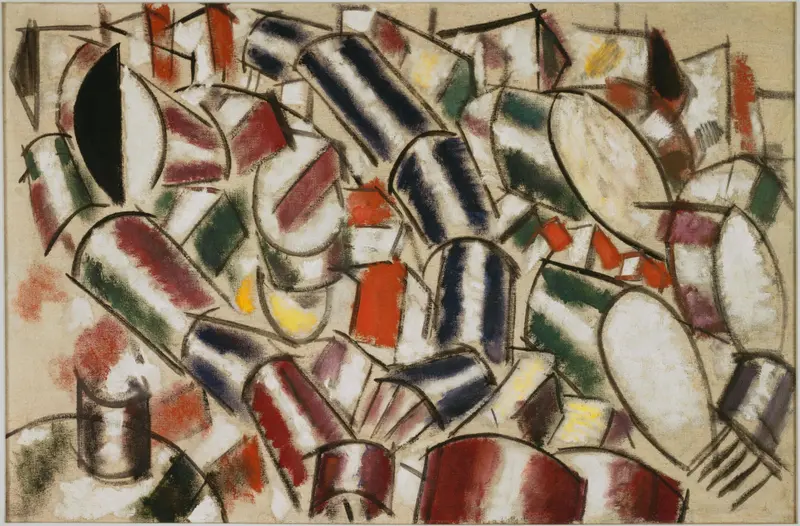
Femme couchée
Fernand Léger
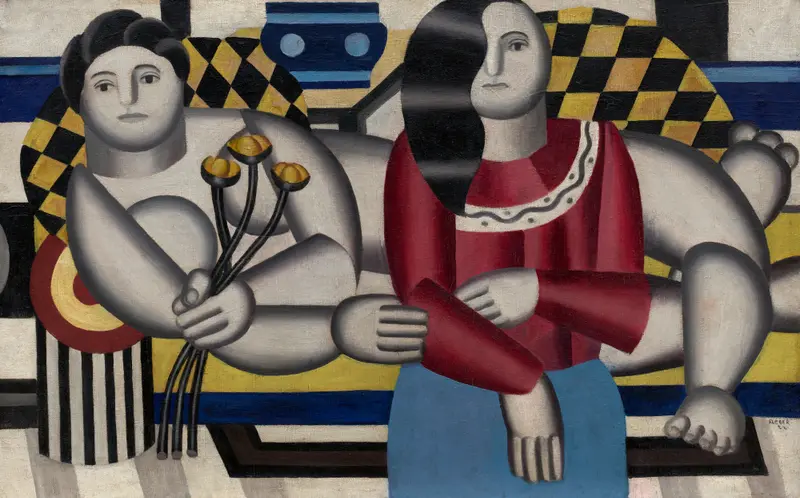
Woman holding flowers
Fernand Léger
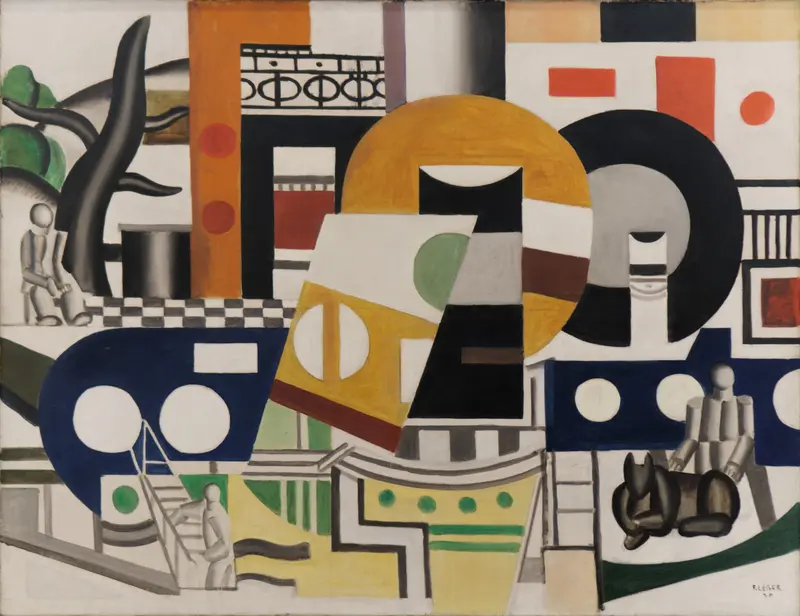
The Tug
Fernand Léger



