
Composition aux deux papillons — History & Facts
What first strikes the viewer in Composition aux deux papillons is the sense of motion—almost a choreography—woven from bold color blocks and looping black lines. The human face at the center gazes outward with a mask-like calm, but all around it, hands, birds, and butterflies seem to spiral in and out of each other’s space. The hands are oversized, their fingers splayed as if grasping at the air or at the red birds that wheel through the scene.
The butterflies, one orange and one white, flutter at the intersection of hand and wing, their delicate forms a counterpoint to the muscular sweep of the birds. Léger’s palette—primary reds, yellows, blues, and greens—keeps the eye moving, never letting it rest for long on any one detail. Painted in 1943, this work belongs to a world in upheaval, and yet it radiates a kind of engineered optimism characteristic of Fernand Léger. By this time, Léger had developed his signature style: forms outlined in black, flattened perspective, and a fascination with the machinery and rhythm of modern life.
In the 1940s, artists like Léger were reimagining the role of painting in a fractured Europe—seeking clarity, order, and even joy in abstraction and the everyday. The presence of butterflies alongside birds and hands suggests a fleeting beauty, a moment of transformation or escape, all rendered with the solidity of industrial design. History has kept few traces of this particular canvas’s journey, but its energy and color invite the viewer to linger, searching for the next movement in its restless dance.
More Artworks by Fernand Léger

The Tugboat Bridge
Fernand Léger
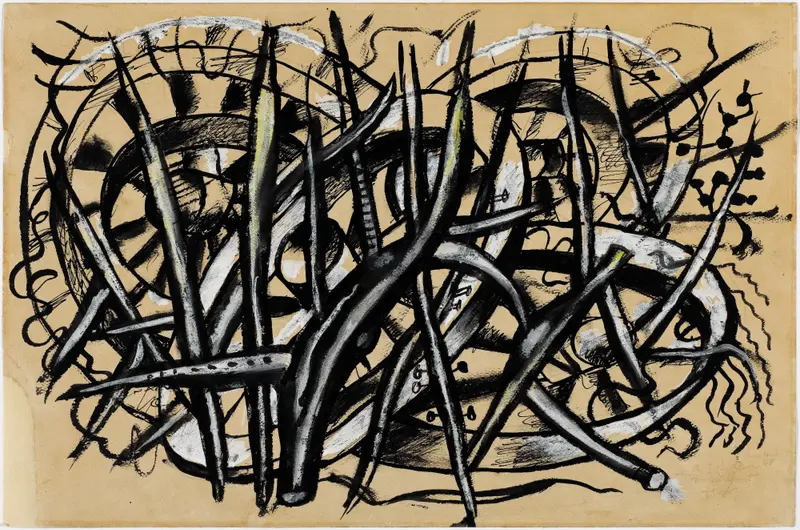
The Wheels
Fernand Léger

Le Cirque Médrano
Fernand Léger
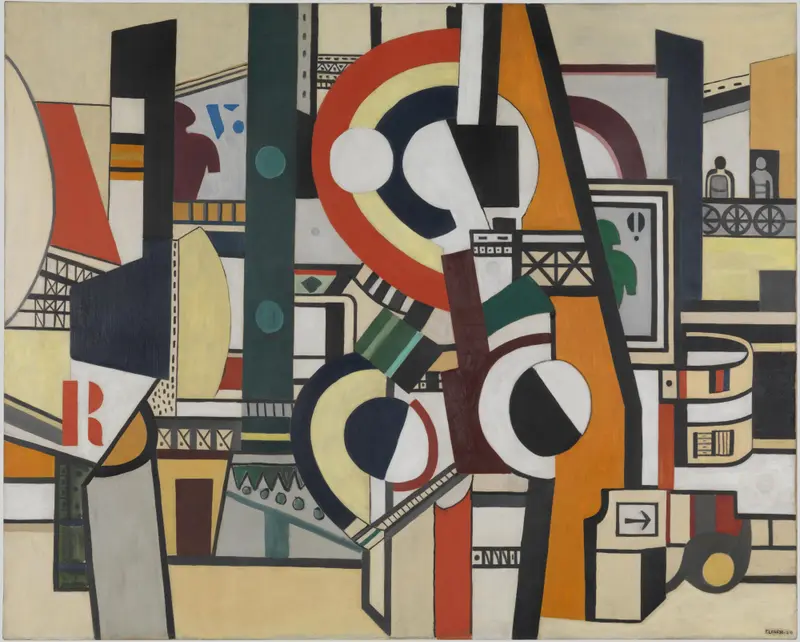
The Disks in the City
Fernand Léger
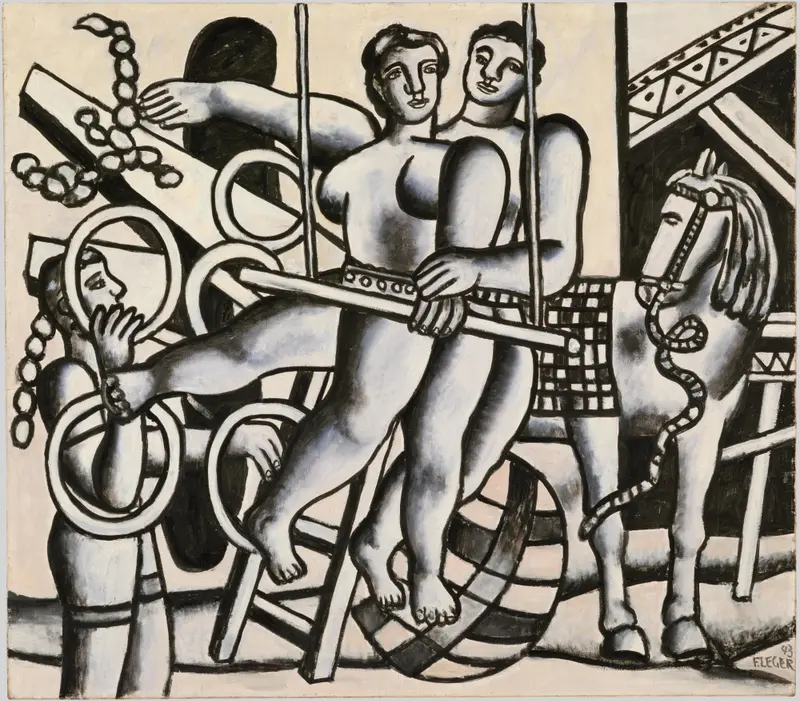
Le Jongleur et les acrobates
Fernand Léger
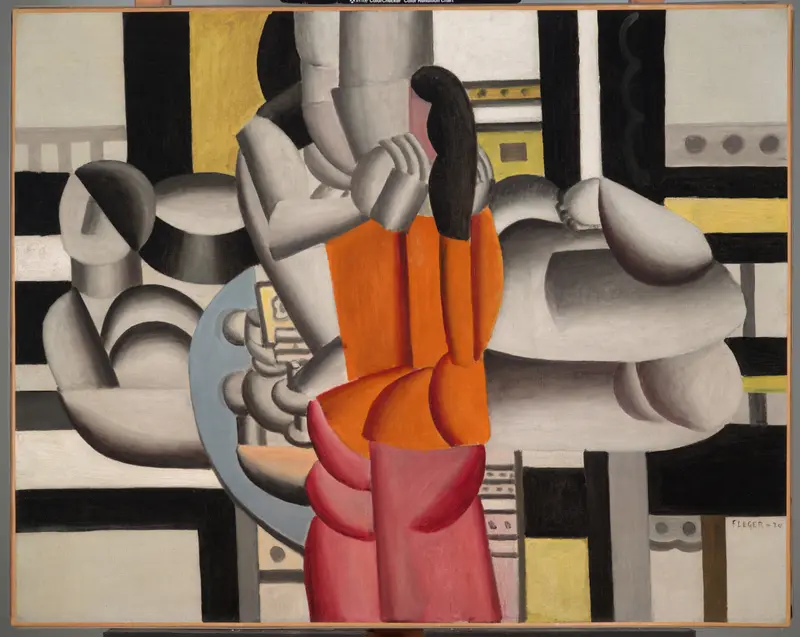
Three Women and Still Life (Déjeuner)
Fernand Léger
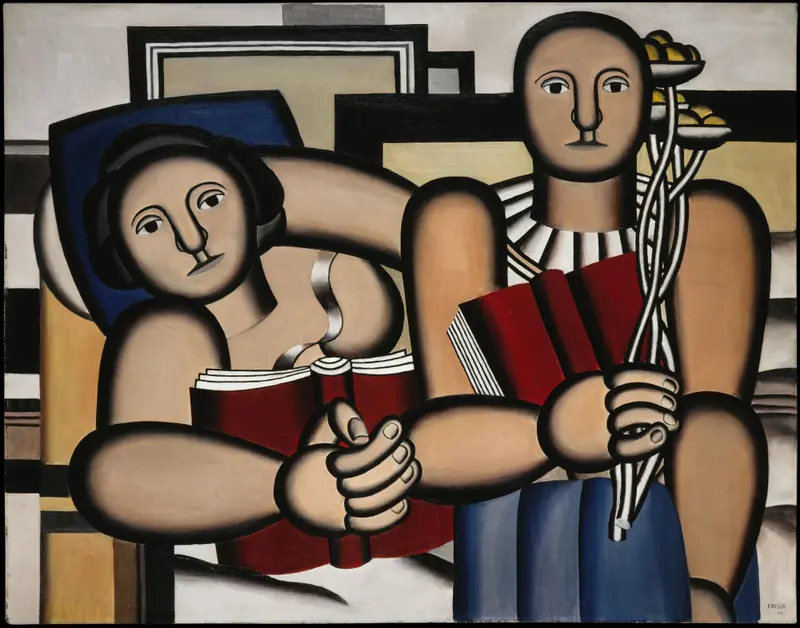
Reading
Fernand Léger
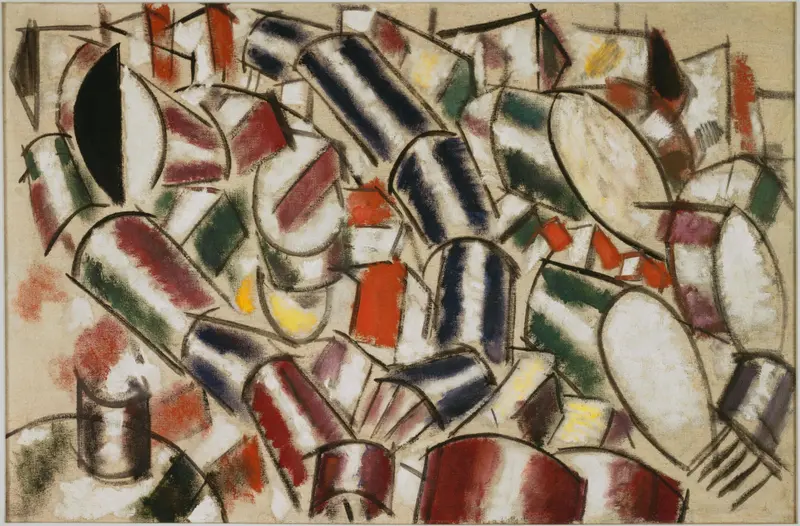
Femme couchée
Fernand Léger
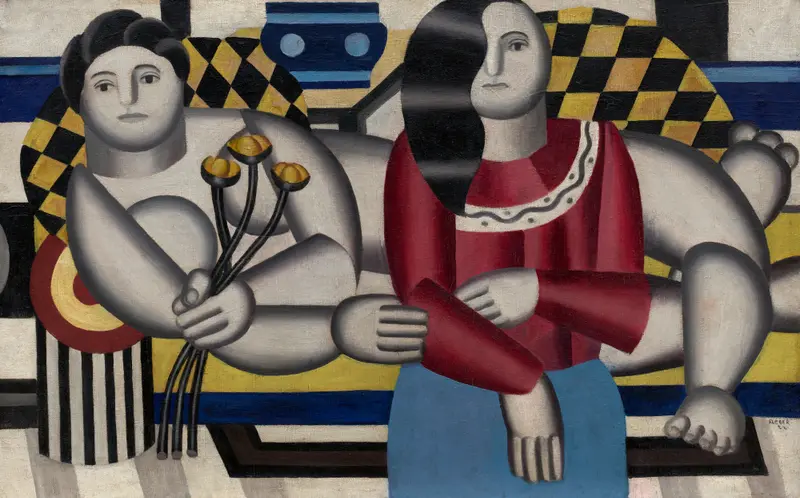
Woman holding flowers
Fernand Léger
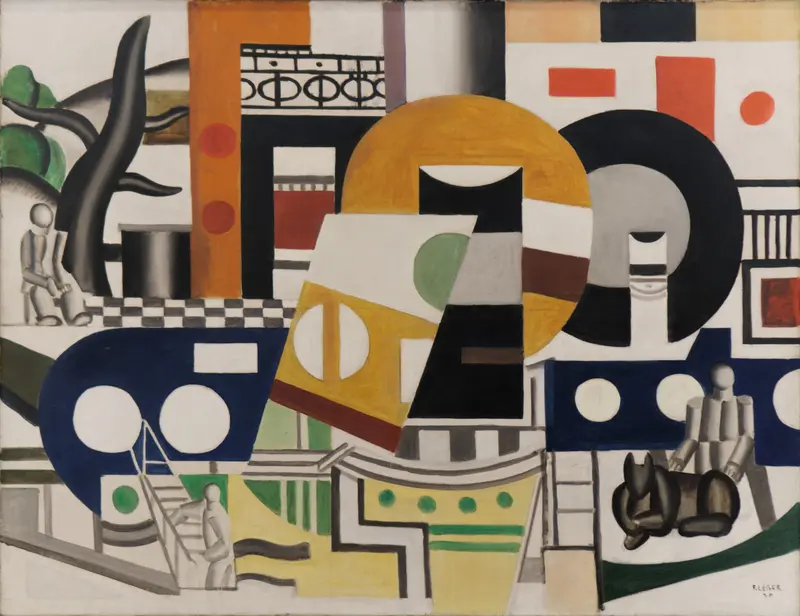
The Tug
Fernand Léger



