
Composition (The Black Woman) — History & Facts
A burst of black, yellow, and red shapes collides at the heart of Composition (The Black Woman), demanding the viewer’s attention before the mind can sort figures from forms. The central figure—part human, part machine—emerges from a tangle of geometric planes and bold, industrial colors. The glossy black curves and segmented limbs suggest both the body and the age of the machine, while the dotted lines and mechanical motifs evoke a sense of movement, as if the figure is caught mid-transformation.
Léger’s palette is sharp and deliberate: the acid yellow and crisp white carve out space, while the red triangles act as visual sirens, drawing the eye to the figure’s core. Nothing in this image is static; everything is in flux, inviting the viewer to decode its energy. Painted in 1929, this work belongs to a world enthralled by the promises and anxieties of modernity. Fernand Léger, a leading voice in the Cubist and later Purist movements, was fascinated by the rhythms of the machine age—by how bodies and objects could be broken down, reassembled, and made new.
The era’s fascination with speed, industry, and new identities pulses through the canvas, reflecting a time when artists sought new visual languages for a rapidly changing society. While little is recorded about the specific journey of this painting, its presence in a major collection today speaks to the enduring power of Léger’s vision. Let your gaze linger on the interplay of forms and colors, and imagine the world of 1929, where art and industry collided on every street.
More Artworks by Fernand Léger

The Tugboat Bridge
Fernand Léger
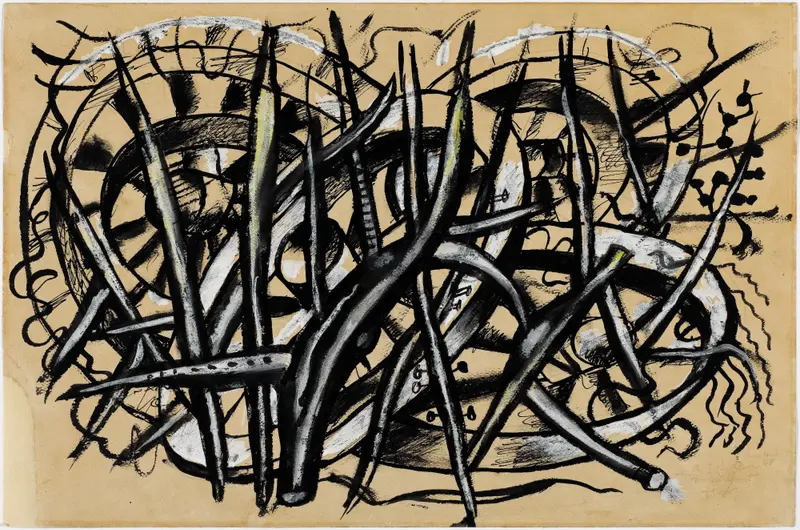
The Wheels
Fernand Léger

Le Cirque Médrano
Fernand Léger
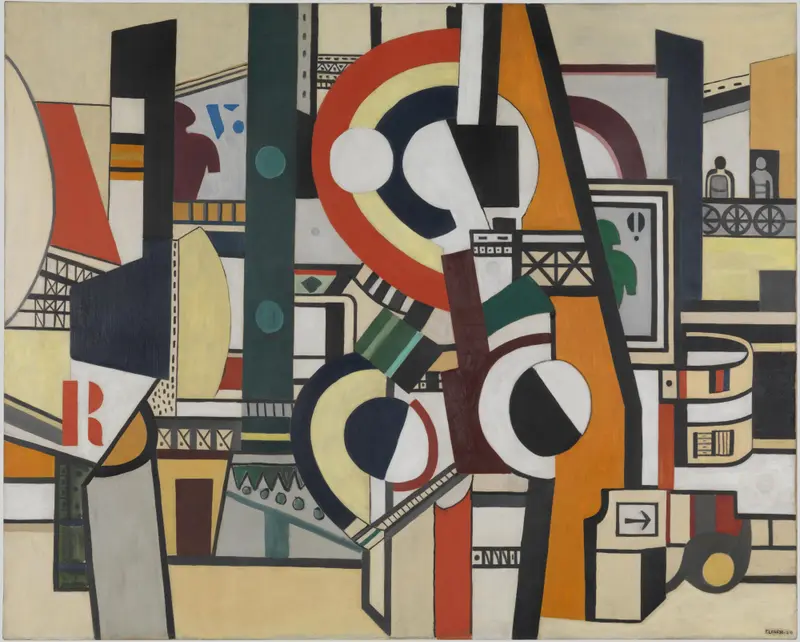
The Disks in the City
Fernand Léger
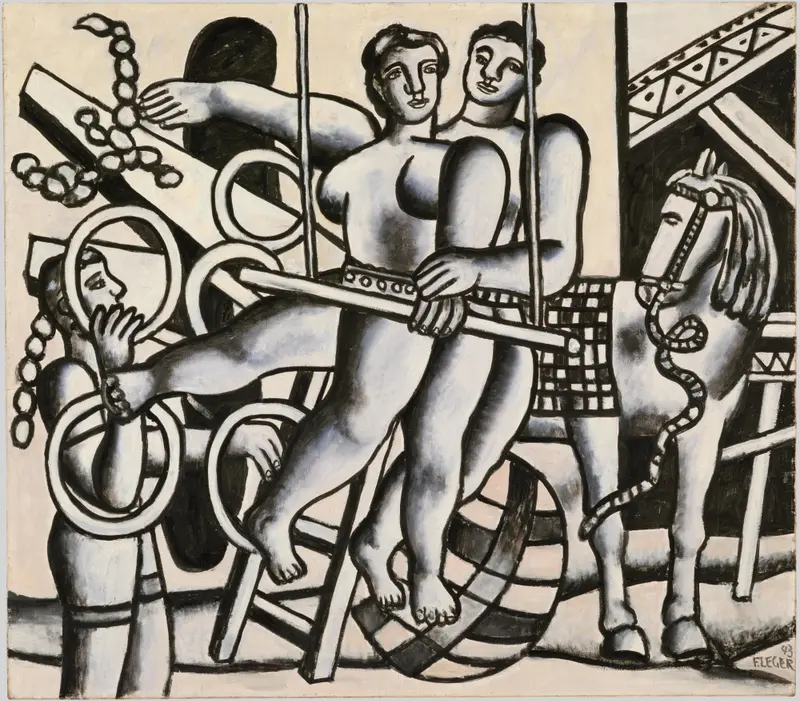
Le Jongleur et les acrobates
Fernand Léger
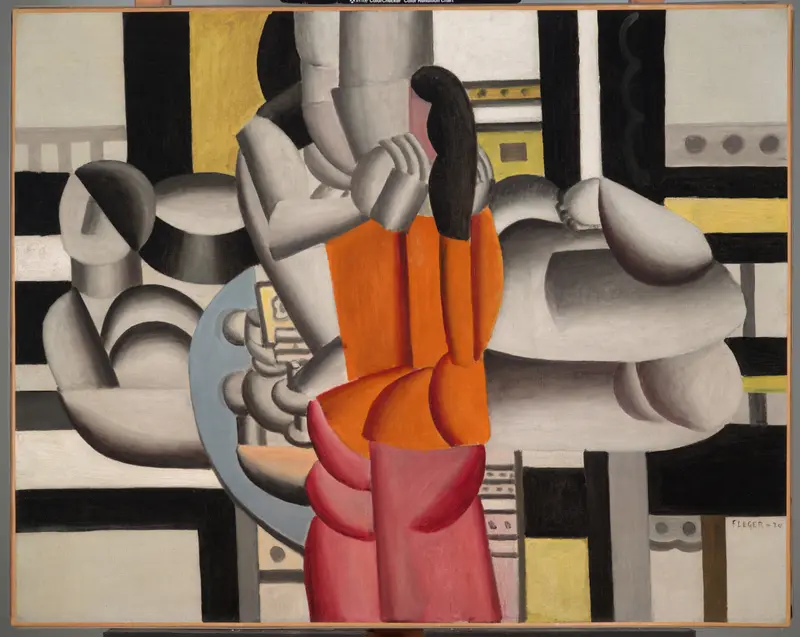
Three Women and Still Life (Déjeuner)
Fernand Léger
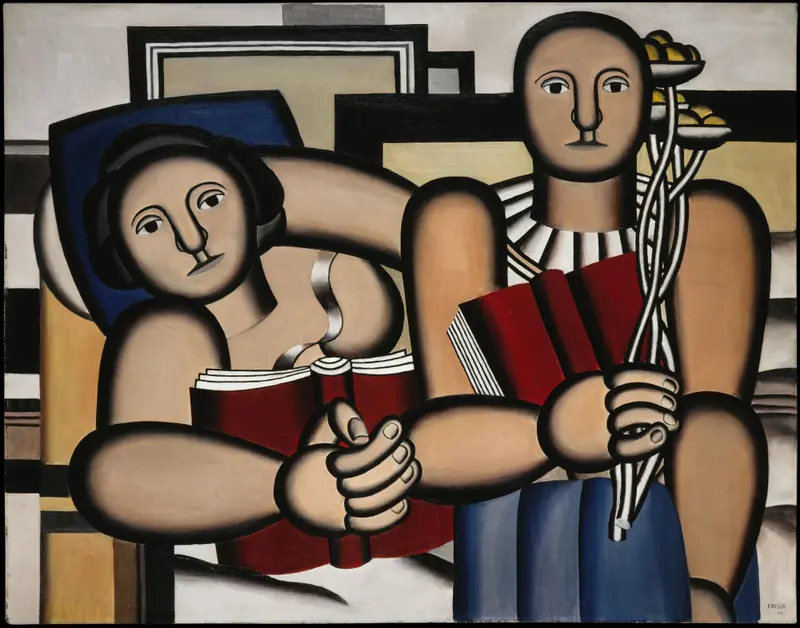
Reading
Fernand Léger
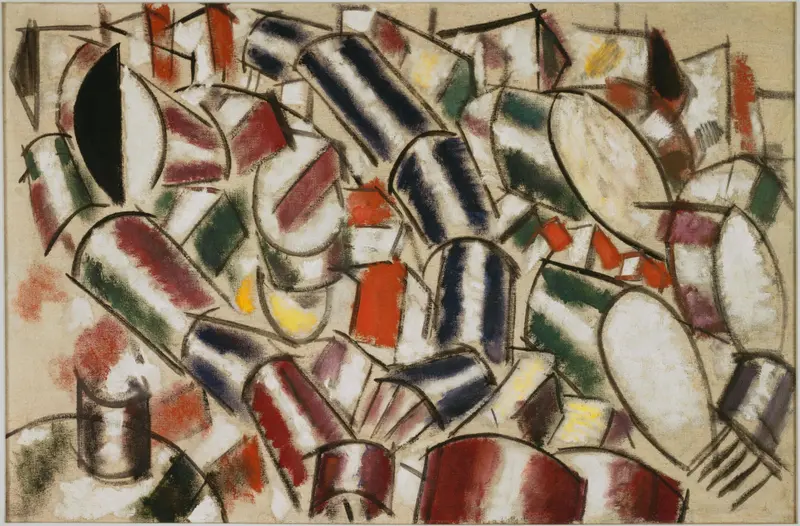
Femme couchée
Fernand Léger
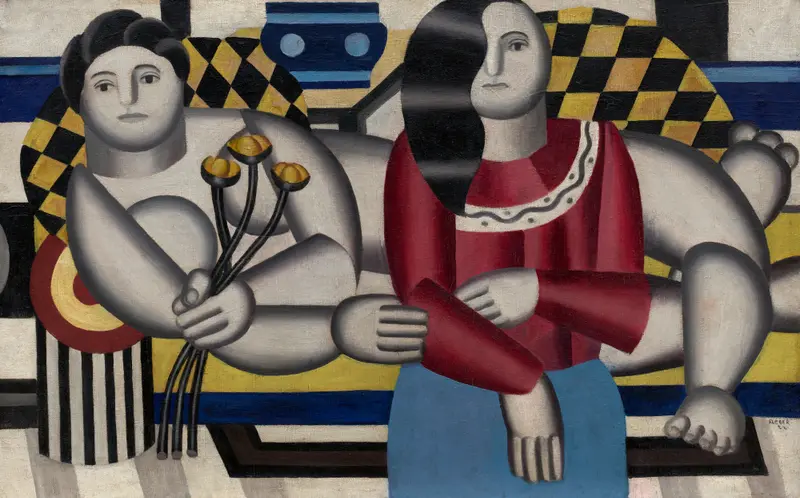
Woman holding flowers
Fernand Léger
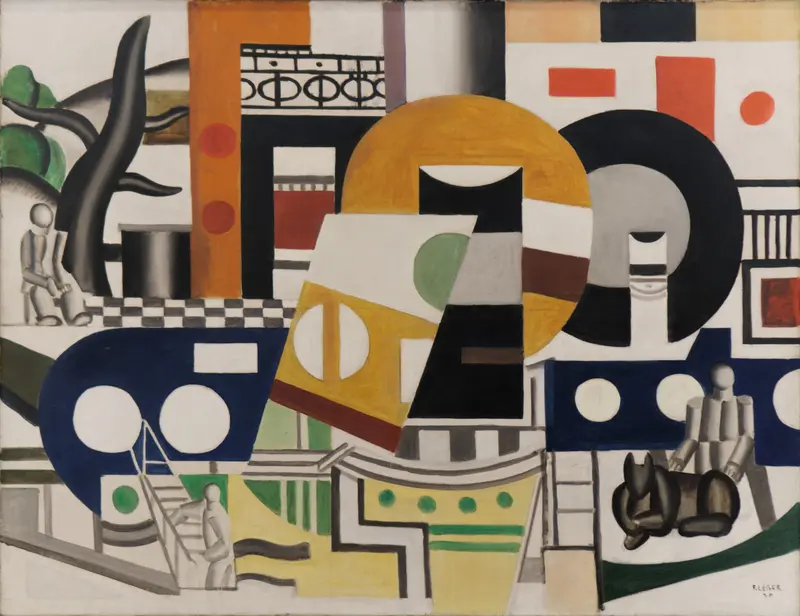
The Tug
Fernand Léger



