
Contarini Madonna — History & Facts
No one knows for certain who first commissioned Contarini Madonna, but its name links it to the powerful Contarini family of Venice, several of whom served as Doge. The painting’s origins are wrapped in mystery: while some believe it was created for private devotion, others suggest it adorned a family chapel. What is clear is its pivotal role in the early career of Giovanni Bellini, marking a turning point as he began to define the Venetian approach to religious painting in the late 15th century. Bellini captures the Madonna and Child at a moment of quiet intimacy, the infant Christ perched on Mary’s lap, his tiny hand raised in blessing.
The Madonna’s gaze is gentle yet distant, her blue mantle and red gown signaling purity and maternal love. Behind them, a delicate curtain parts to reveal a luminous landscape, a hallmark of Bellini’s style that invites viewers to contemplate the divine presence in the natural world. The Christ Child’s gesture, echoed in Bellini’s later works, draws a direct line to Byzantine icons, yet here it is softened by the warmth and humanity that distinguish the Venetian Renaissance from the more austere interpretations of earlier artists like Andrea Mantegna. The painting’s journey through history is as enigmatic as its commission.
It entered the collection of the Museo del Prado in the 19th century, after passing through various private hands in Venice and Spain. Over the centuries, scholars have debated its attribution, with some early critics mistakenly assigning it to Vittore Carpaccio before consensus settled on Giovanni Bellini. Today, Contarini Madonna stands as a testament to Bellini’s emerging genius, bridging the gap between medieval iconography and the new humanism of the Renaissance, and it remains a highlight of the Prado’s collection.
More Artworks by Giovanni Bellini
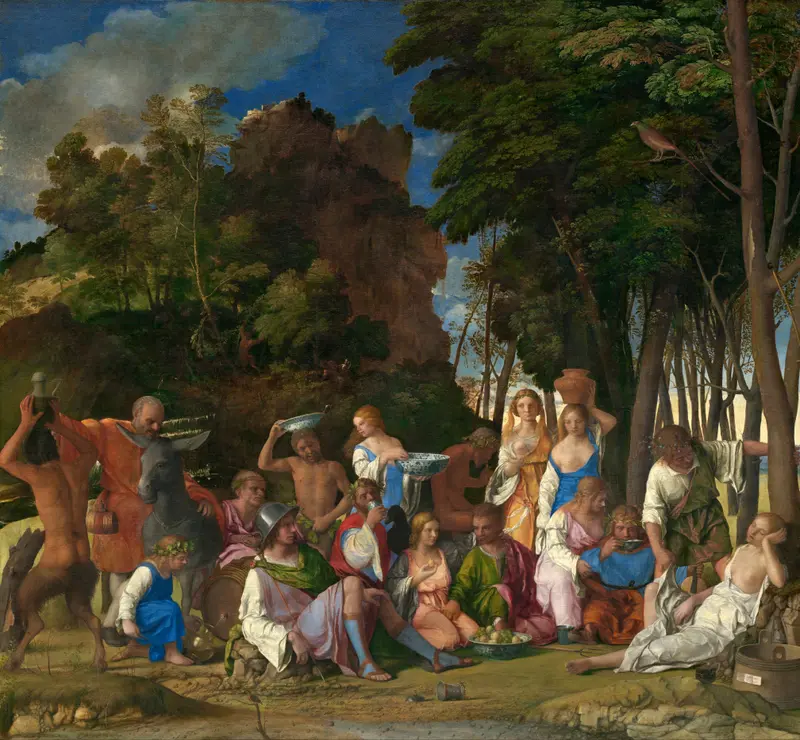
The Feast of the Gods
Giovanni Bellini

Madonna and Child enthroned with Saints and Angels
Giovanni Bellini
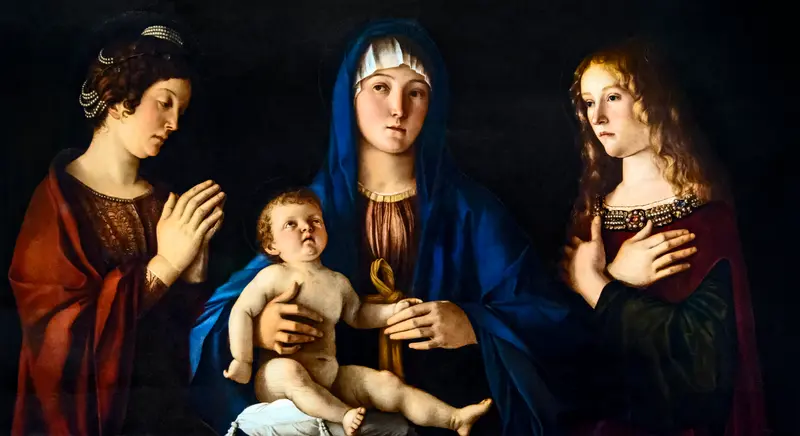
Madonna and Child between Saints Catherine and Mary Magdalene
Giovanni Bellini
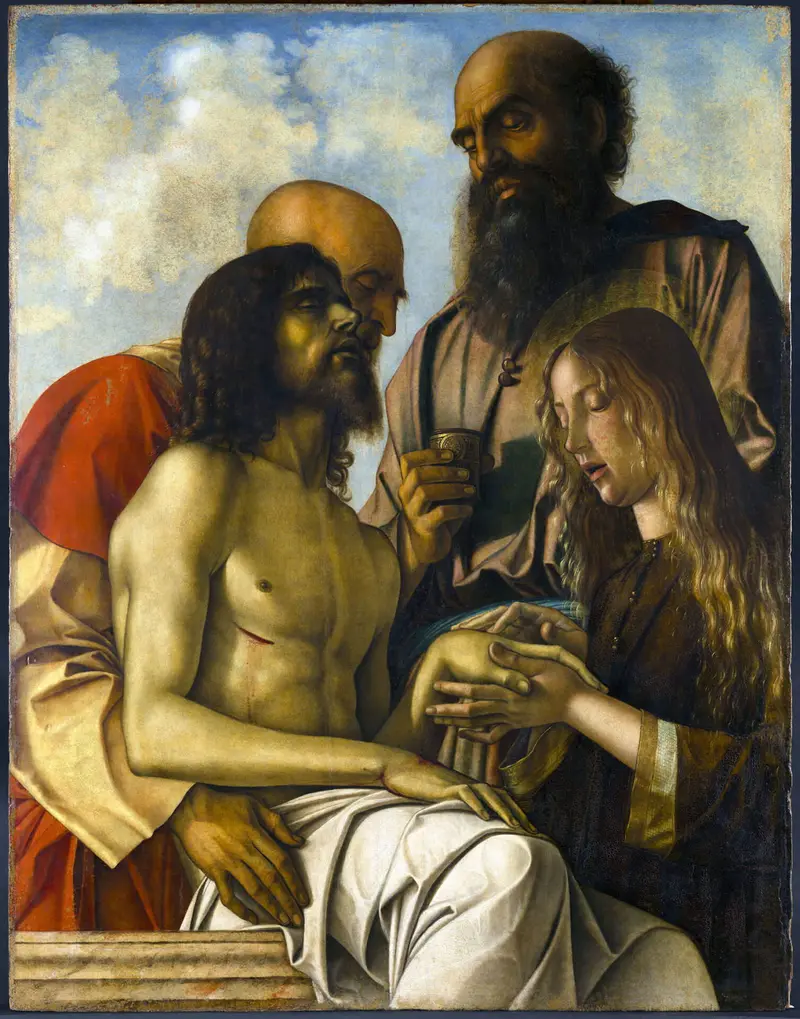
Lamentation over the Dead Christ
Giovanni Bellini
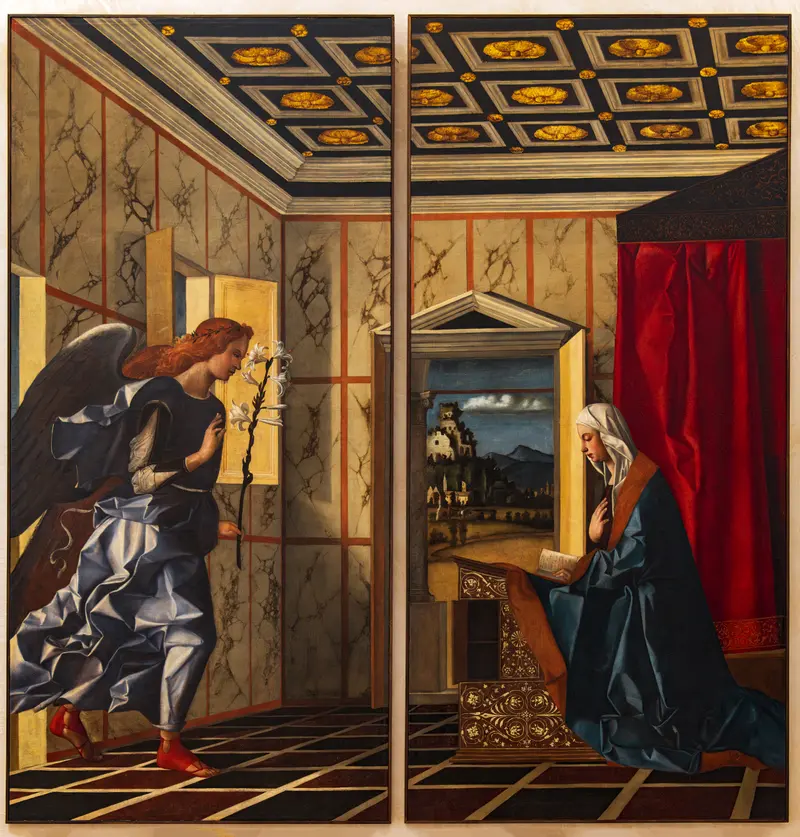
Annunciation
Giovanni Bellini
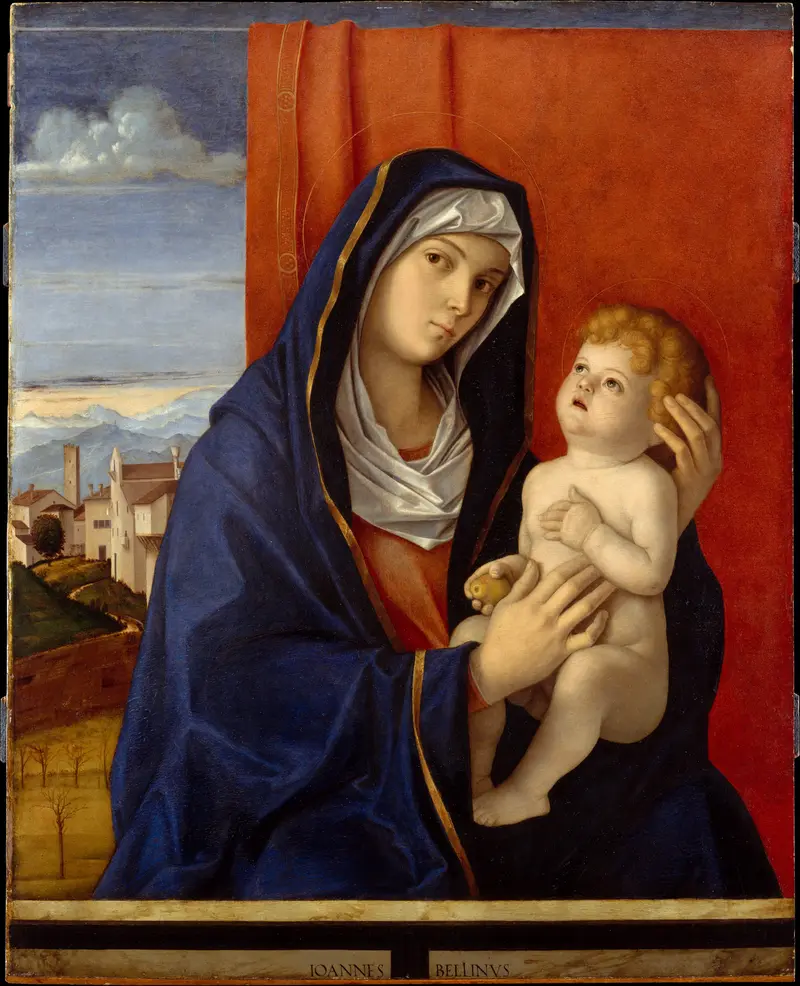
Madonna and Child
Giovanni Bellini
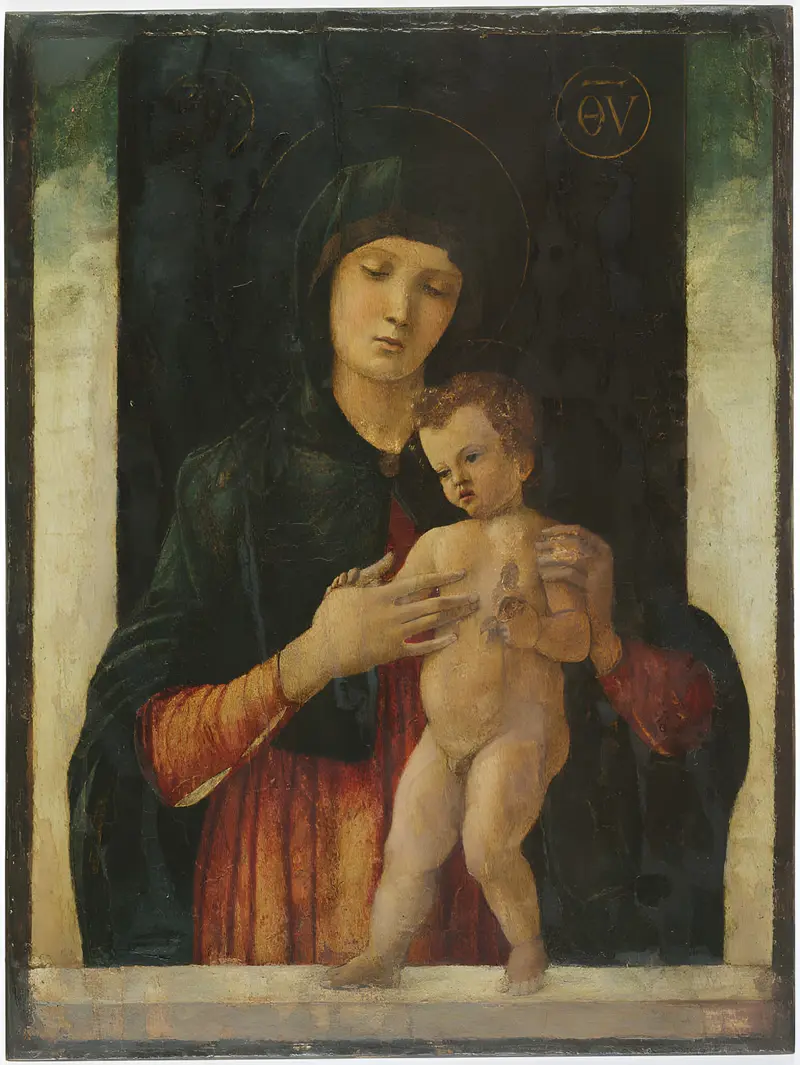
The Virgin and Child
Giovanni Bellini
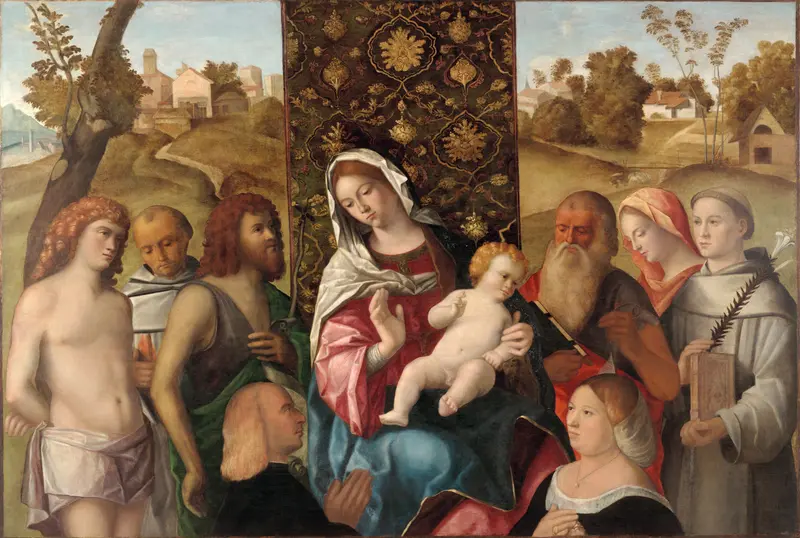
Virgin and Child with Saints Sebastian, Francis, John the Baptist, Jerome, an unidentified female saint, Saint Anthony of Padua and two donors
Giovanni Bellini
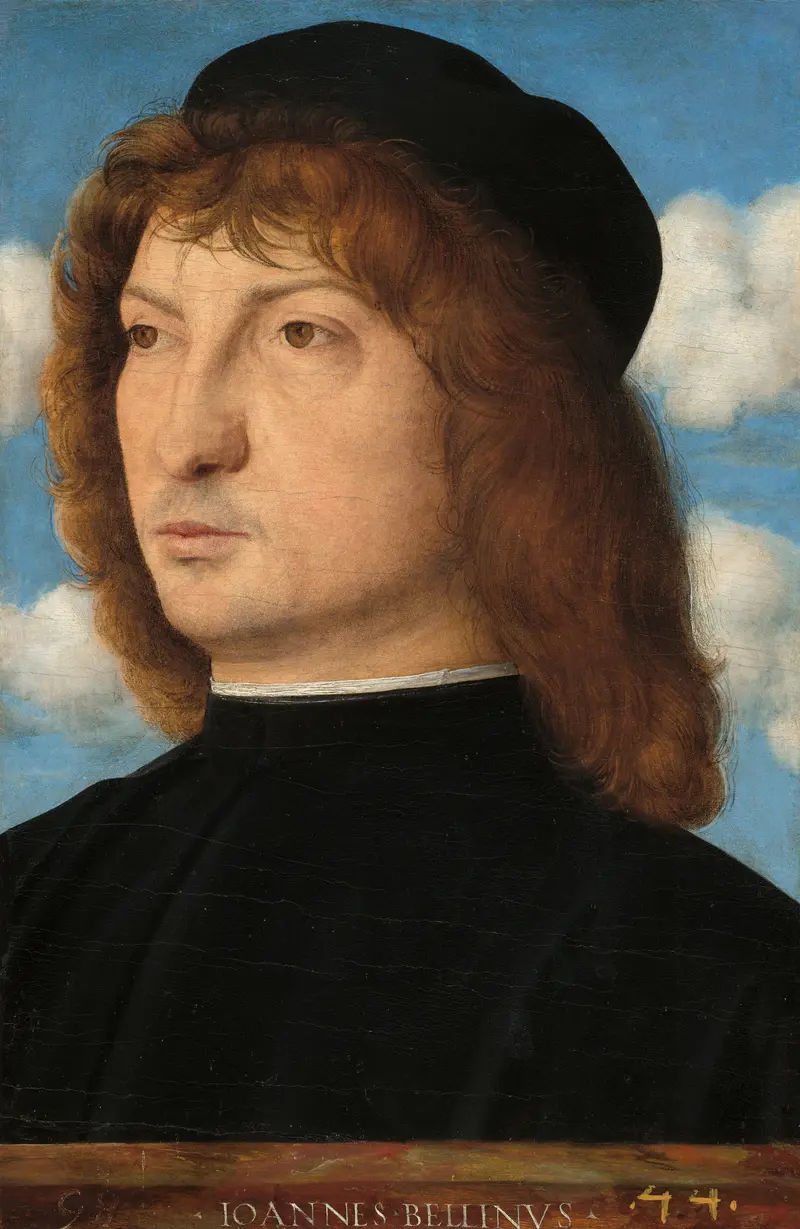
Portrait of a Venetian Gentleman
Giovanni Bellini
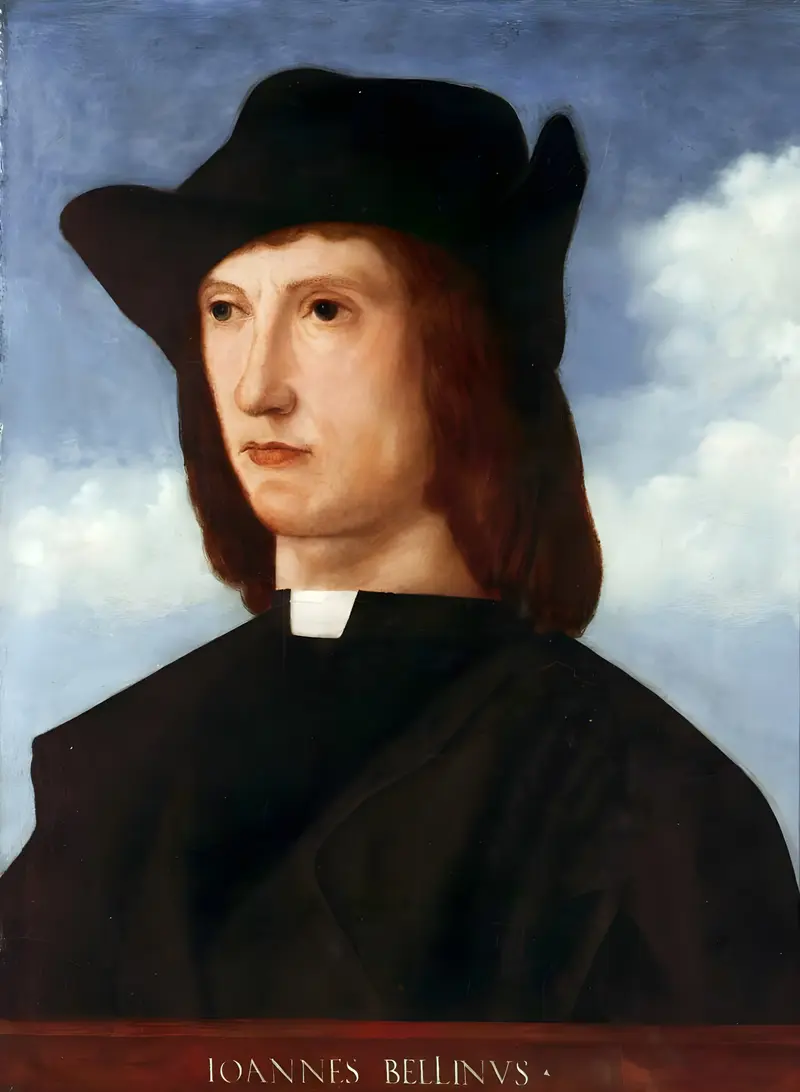
Portrait of a Young Man
Giovanni Bellini





