
Contentment Island — History & Facts
In a world often drowned in noise, the gentle vibrancy of a serene landscape beckons us to pause and reflect. Nostalgia seeps into our very bones as we gaze upon the quiet beauty captured on canvas, inviting us to explore the depths of our own memories. Look to the foreground where soft, rolling hills cradle a placid body of water. The serene blues and greens mingle harmoniously, drawing your eye to the delicate interplay of light as it dances across the surface.
Notice how the horizon is bathed in a warm glow, suggesting the comforting embrace of twilight, while distant trees stand tall and steadfast against the sky’s gentle gradient. The careful brushwork, from the feathery wisps of clouds to the detailed foliage, reveals an artist who understood the power of nature's tranquility. In this scene, the poignant contrast between the vibrant hues and the calmness of the water mirrors the complexities of human emotion—an inner peace juxtaposed with life's fleeting moments. The quietude of the landscape evokes a sense of longing, a connection to memories both cherished and distant.
Each stroke tells a story of time spent in solitude, of reflection that allows the viewer to access their own personal narrative amidst the tranquil beauty surrounding them. John Frederick Kensett painted this masterpiece during a period when the Hudson River School was flourishing, emphasizing the American landscape. Although the exact date remains unknown, Kensett was active in the mid-19th century, a time marked by a growing appreciation for nature’s beauty as well as the contemplative power that art could wield. His dedication to capturing the essence of the American experience would leave a lasting legacy, inviting generations to seek solace in the landscapes he immortalized.
More Artworks by John Frederick Kensett
Browse all →
White Mountains from Shelburne, NH
John Frederick Kensett

An October Day in the White Mountains
John Frederick Kensett
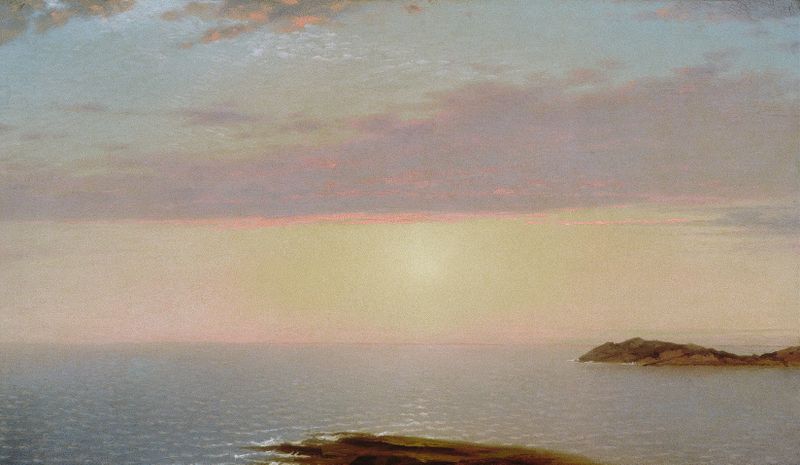
Sunset
John Frederick Kensett
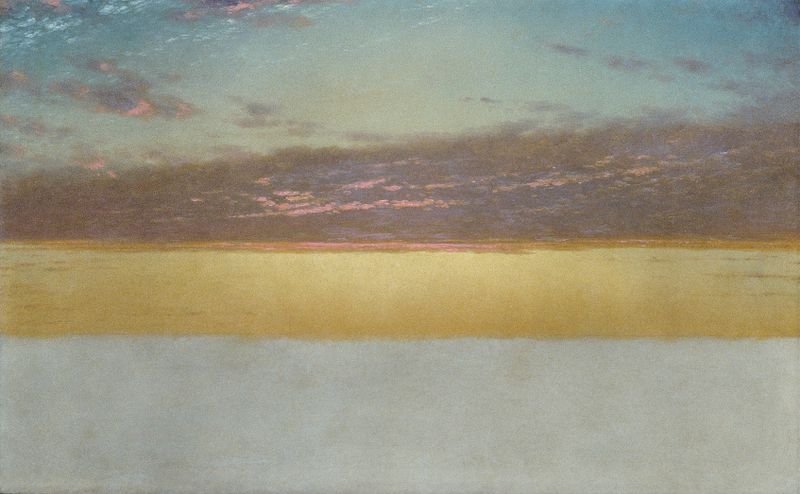
Sunset Sky
John Frederick Kensett
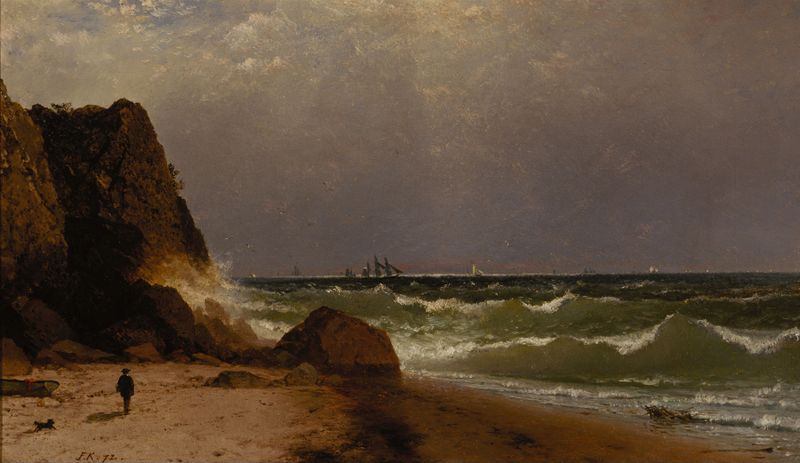
Near Newport, Rhode Island
John Frederick Kensett
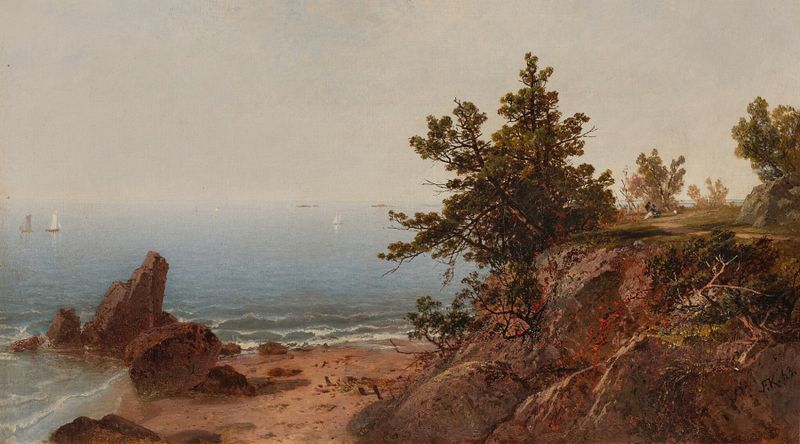
View from the Cliff (Noon on the Seashore)
John Frederick Kensett
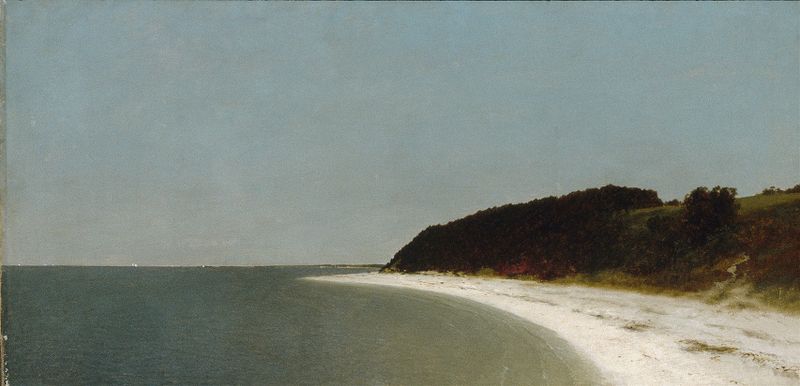
Eaton’s Neck, Long Island
John Frederick Kensett
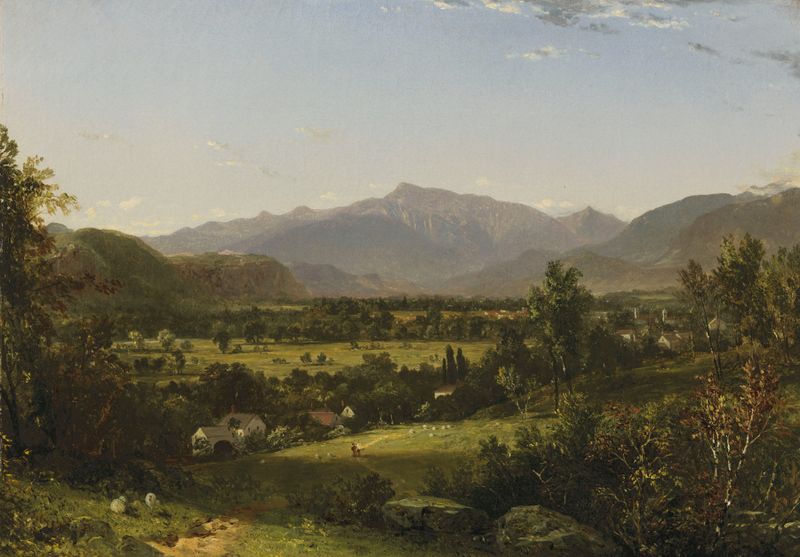
Mount Washington from North Conway
John Frederick Kensett
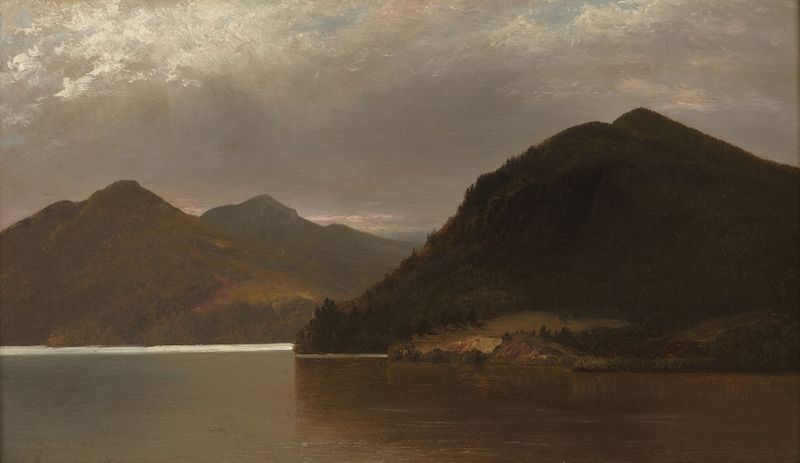
Lake George
John Frederick Kensett
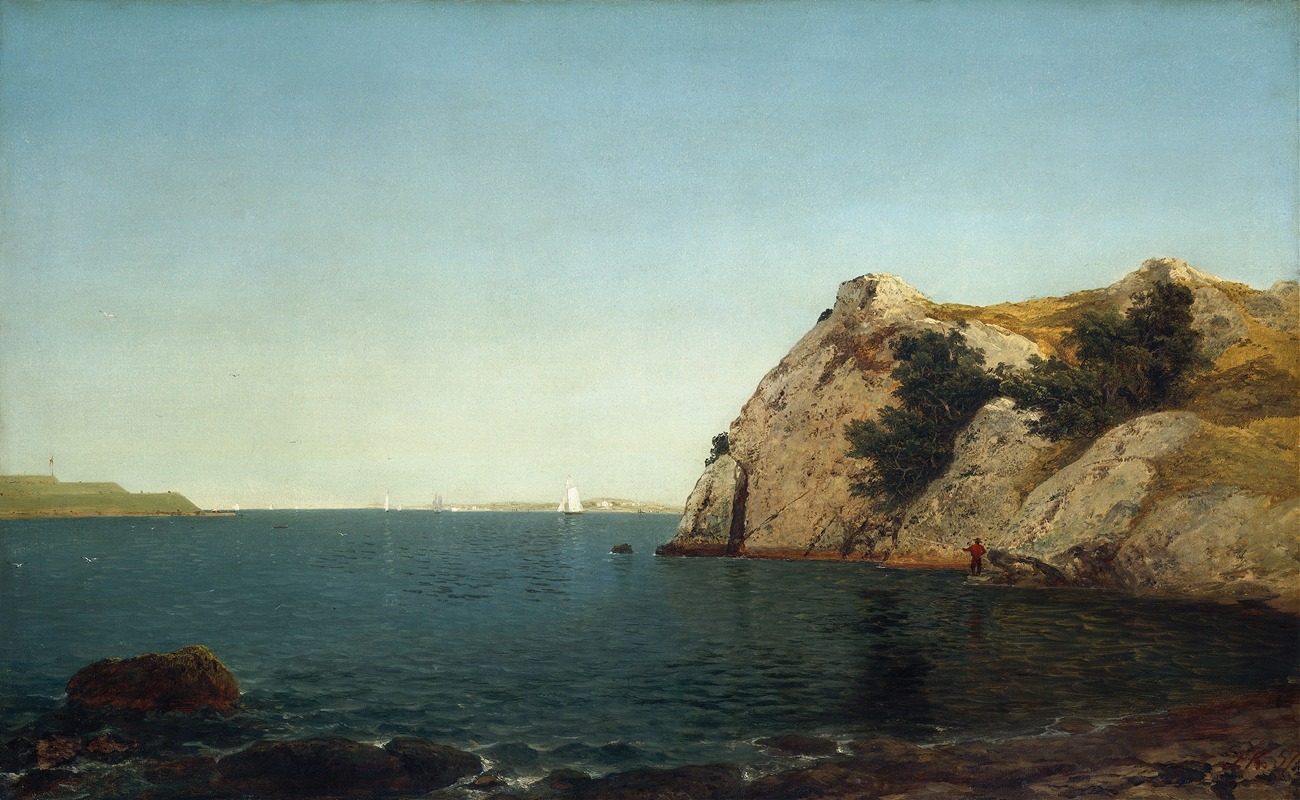
Near Newport
John Frederick Kensett





