
Conversion of St. Paul — History & Facts
In Conversion of St. Paul, Jacques Callot presents a powerful scene of transformation. The painting features a dramatic interplay of light and shadow, highlighting the central figure of St.
Paul. Rich, earthy tones dominate the composition, with the figures depicted in dynamic poses. The setting is a tumultuous landscape, suggesting the intensity of the moment. This artwork is an etching, a medium that allows for intricate details and textures.
Viewers can observe the fine lines that define the figures and the dramatic expressions on their faces. The use of chiaroscuro enhances the emotional impact of the scene, drawing attention to St. Paul's conversion.
The dimensions of the piece are approximately 30 x 40 cm, making it a relatively intimate work. Jacques Callot was a prominent French artist known for his etchings and prints. He created Conversion of St. Paul during the early 1620s, a time when Baroque art was flourishing.
An interesting fact about this work is that it captures a pivotal moment in Christian history, emphasizing the theme of redemption. Callot's unique style and technique have influenced many artists in the realm of printmaking.
More Artworks by Jacques Callot

De verloren zoon als zwijnenhoeder
Jacques Callot
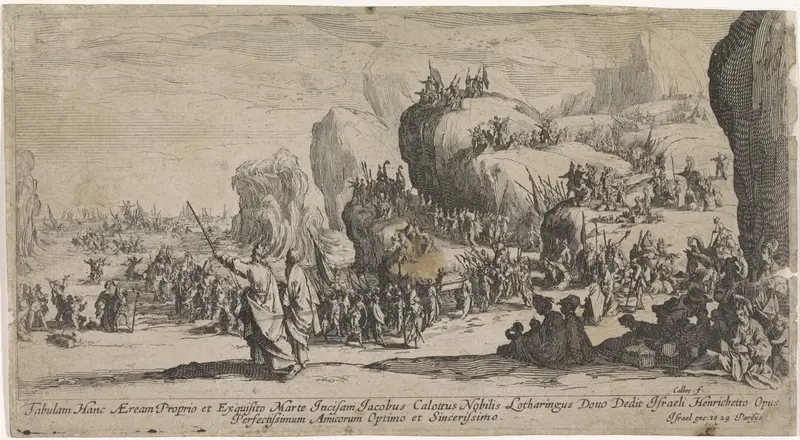
De doortocht door de Rode Zee
Jacques Callot

Kruisiging
Jacques Callot
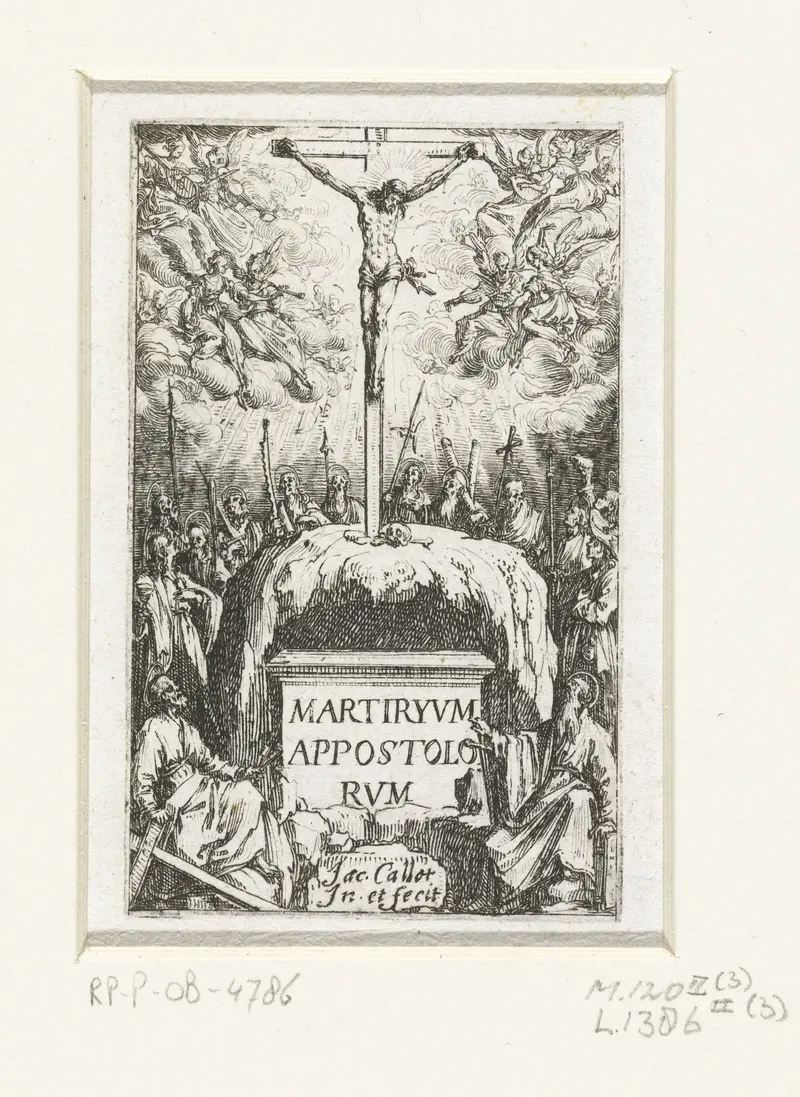
Titelprent voor de prentreeks 'De kleine apostelen' (Het martelaarschap van de apostelen)
Jacques Callot
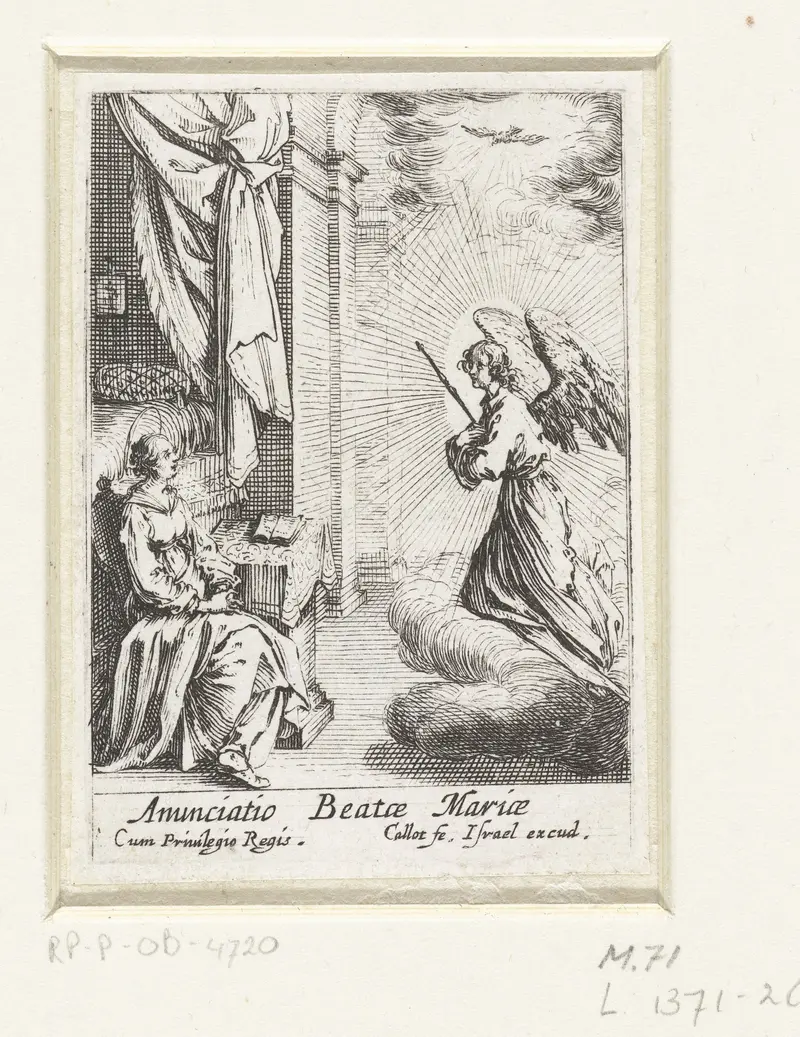
Annunciatie
Jacques Callot
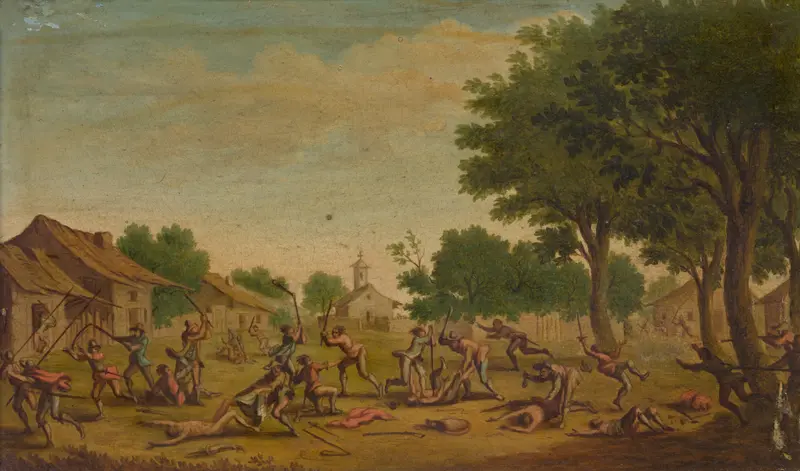
Village Fight
Jacques Callot
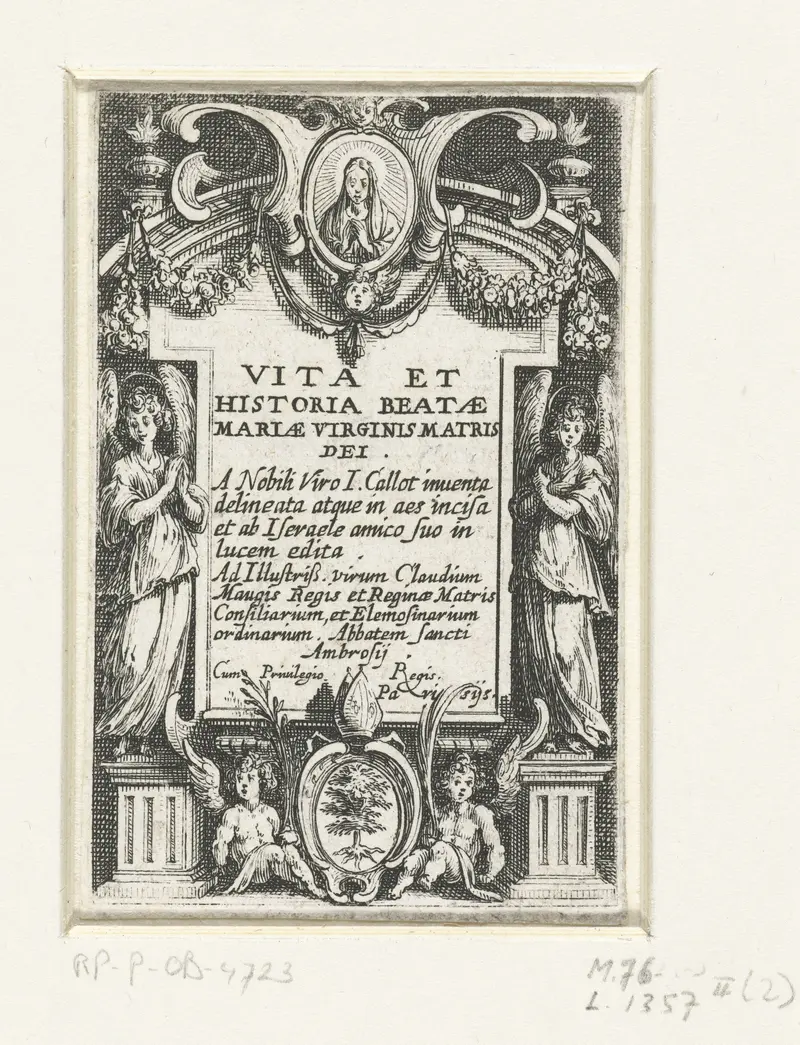
Titelprent voor prentreeks 'Het leven van Maria'
Jacques Callot
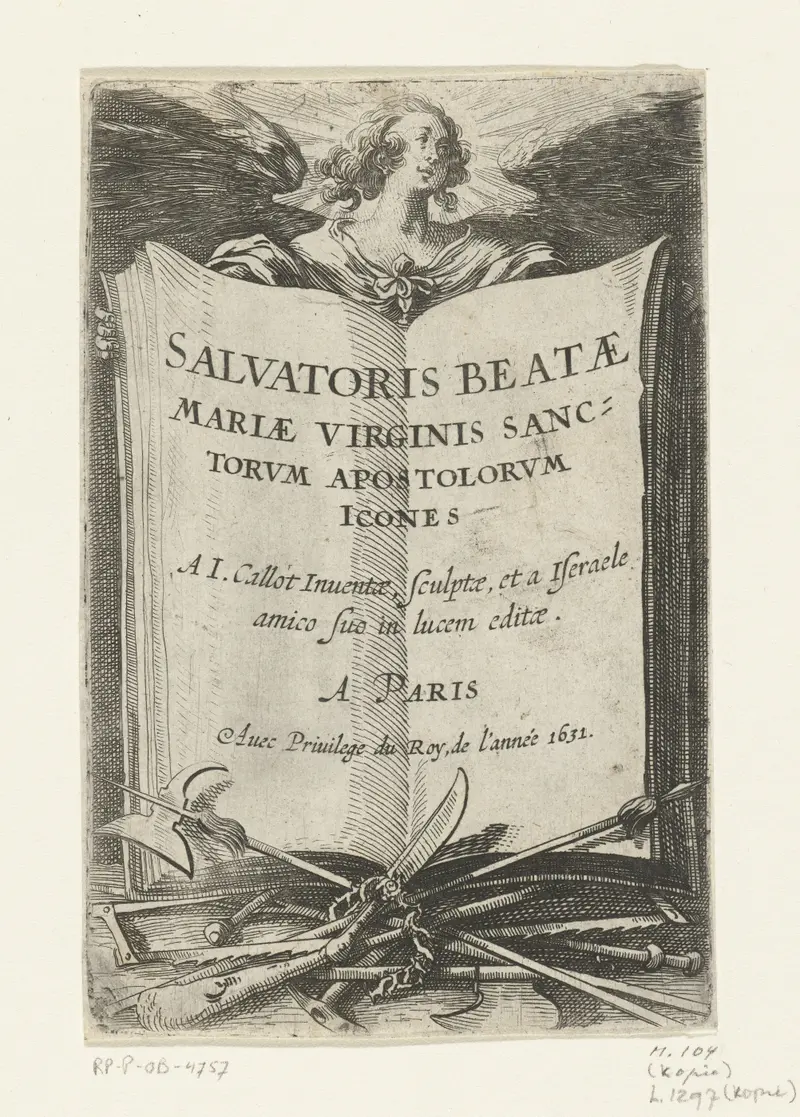
Titelprent voor de prentreeks 'De grote apostelen' (Christus, Maria en de apostelen)
Jacques Callot

Kruisoprichting
Jacques Callot
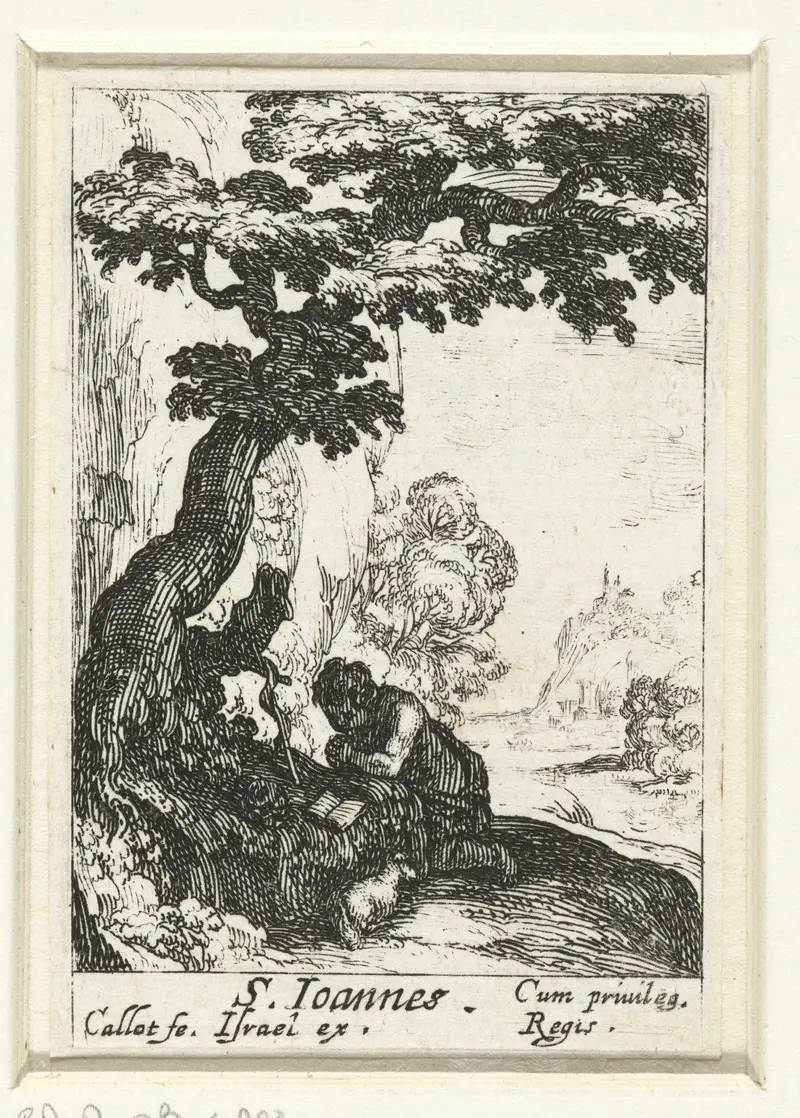
De boetvaardige Johannes de Doper
Jacques Callot





