
Coronation of Mary — History & Facts
What immediately draws the eye in Coronation of Mary is the gentle, almost hesitant gesture of the crowned figure, her hands rising in a delicate dance of surprise and humility. Light falls softly across her upturned face, catching the subtle blush in her cheeks and the quiet awe in her gaze. The figure beside her, muscular and serene, extends a hand to place a crown of stars, while a dove hovers between them, its wings spread in a moment of suspended grace.
The background, worn and golden, frames the drama with a sense of faded grandeur, as if the heavens themselves are peeling away to reveal this intimate exchange. Every detail—the tilt of a wrist, the glimmer of the crown—works to heighten the sense of a sacred moment unfolding in silence. Painted in 1520-1521, this work belongs to a world where such images were created not only as acts of devotion but as declarations of power and faith. The early sixteenth century in Italy saw churches and wealthy patrons commissioning grand altarpieces and frescoes to inspire awe and reinforce the mysteries of the faith.
Antonio da Correggio was among those artists who brought a new softness and psychological depth to religious subjects, favoring warmth and naturalism over rigid formality. This piece, preserved in the Yorck Project’s digital collection, stands as a quiet testament to that era’s blend of piety and artistic innovation. Let your eyes linger on the faces, and imagine the hush that would have greeted this vision centuries ago.
More Artworks by Antonio da Correggio

Virgin and Child with the Young Saint John the Baptist
Antonio da Correggio
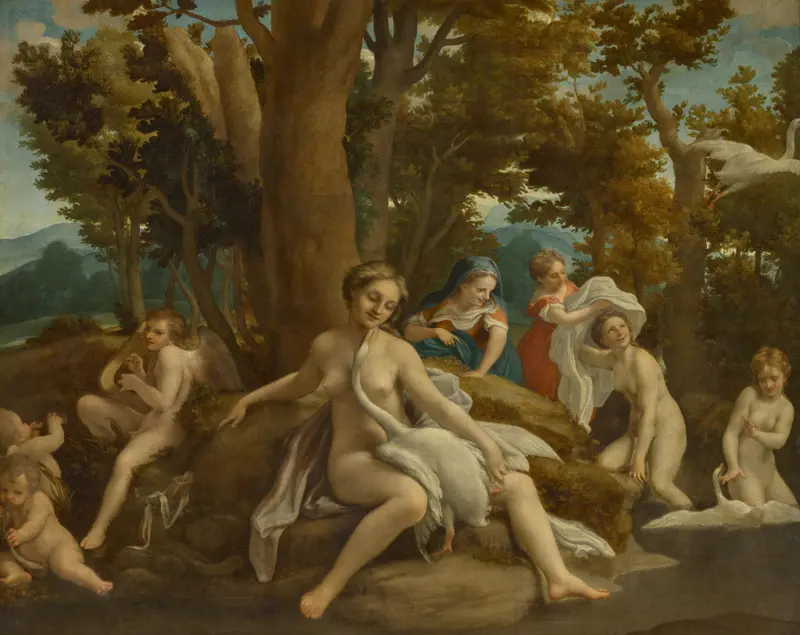
Leda and the Swan
Antonio da Correggio
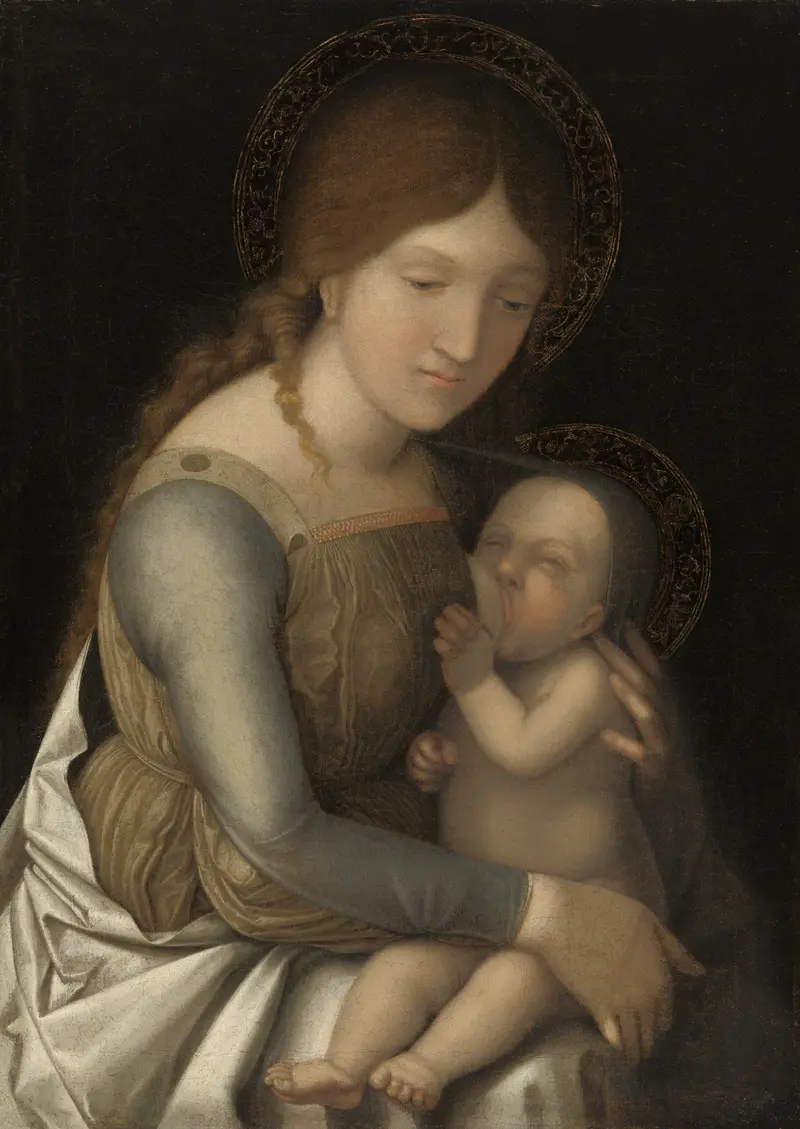
Madonna and Child
Antonio da Correggio
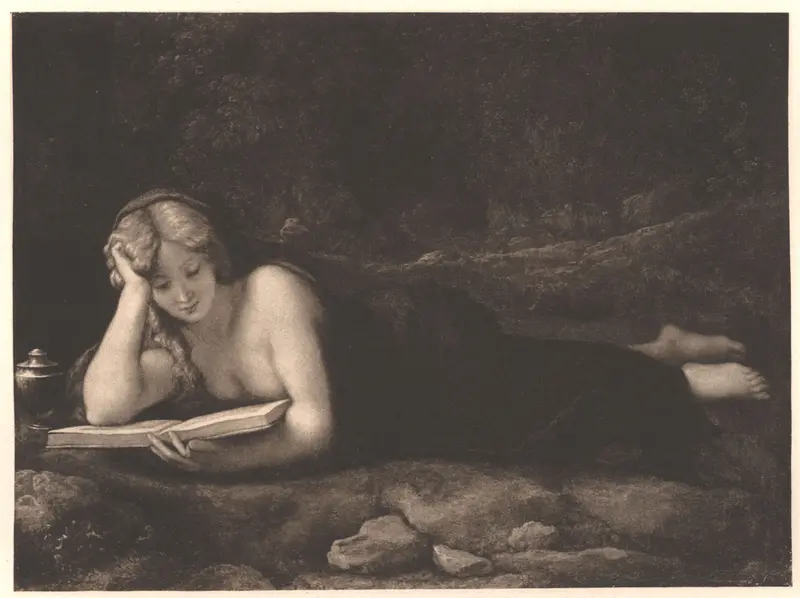
Penitent Magdalene
Antonio da Correggio
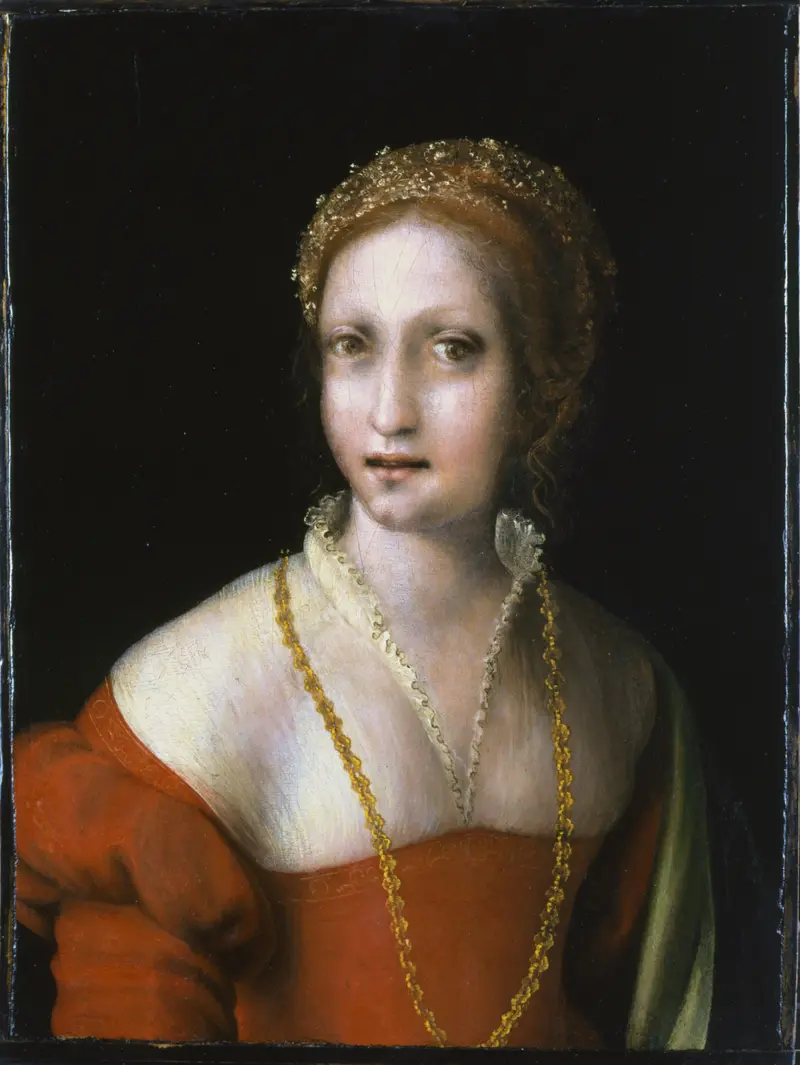
Portrait of a Young Girl
Antonio da Correggio
Christ in the Temple
Antonio da Correggio

Nativity
Antonio da Correggio
Saints Peter, Martha, Mary Magdalen, and Leonard
Antonio da Correggio
The Loves of Jupiter
Antonio da Correggio

Study for the "Madonna della Scodella" [recto]
Antonio da Correggio





