
Coronation of the virgin — History & Facts
The first thing that catches the eye in Coronation of the Virgin is the golden, glowing space that seems to open above the figures, drawing the viewer upward into the drama of the heavens. At the center, the Virgin Mary kneels on a cloud, her hands raised in a gesture of awe or acceptance, while Christ and God the Father together lower a crown onto her head. The dove of the Holy Spirit hovers just above, completing the vision of the Trinity.
The artist, Abraham Bloemaert, uses a rich palette of reds, golds, and deep blues to create a sense of grandeur and celestial light, while the cherubs at Mary’s feet anchor the scene in a tender, earthly innocence. The composition leads the eye in a gentle arc from the cherubs below, up through Mary’s uplifted face, and finally to the crown itself, suspended at the very heart of the painting. Painted in 1619, this work belongs to the world of early seventeenth-century Dutch art, a period when religious commissions were still common despite the shifting tides of the Reformation. Scenes like this—depicting the Virgin’s coronation in heaven—were meant to inspire devotion and awe, serving as visual affirmations of faith for churches or private chapels.
Abraham Bloemaert was known for his ability to blend the clarity and order of the Dutch tradition with the theatricality of the Baroque, and here, the drama of the moment is matched by the careful arrangement of figures and the glowing, almost tangible light. Now in the Museum Het Valkhof, the painting stands as a testament to a time when artists sought to make the mysteries of heaven visible, inviting viewers to linger in the golden space between earth and the divine.
More Artworks by Abraham Bloemaert

Adam and Eve
Abraham Bloemaert
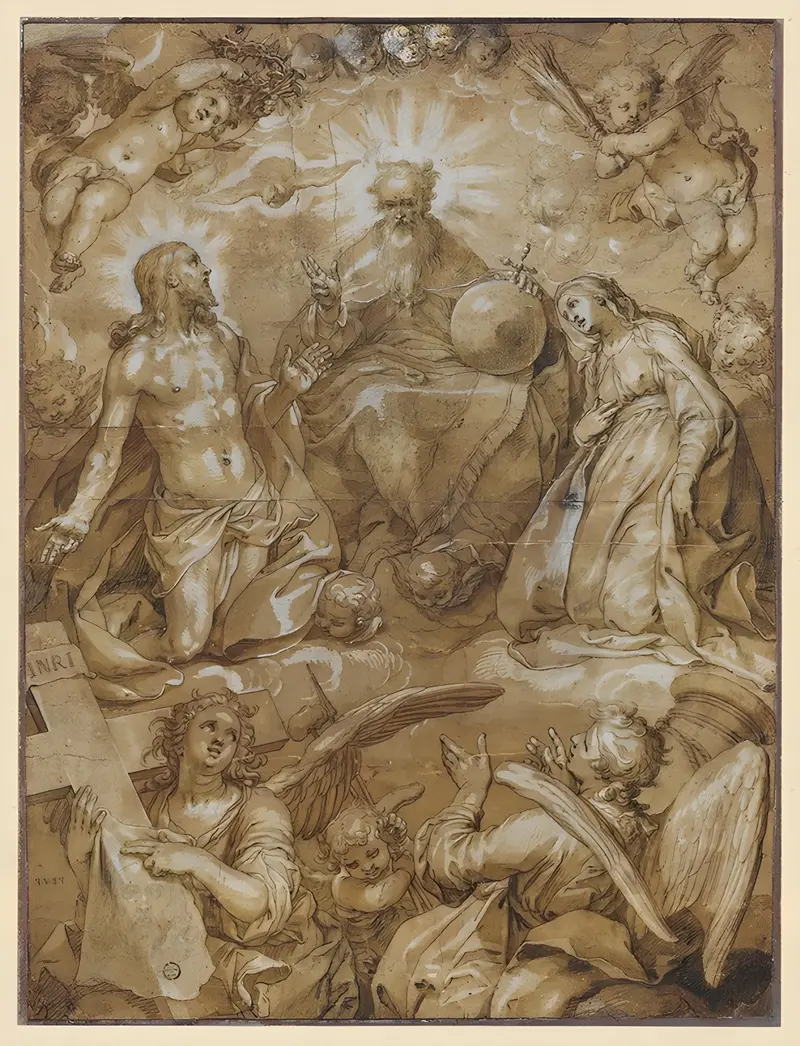
Intercession of Christ and Mary before God the Father
Abraham Bloemaert
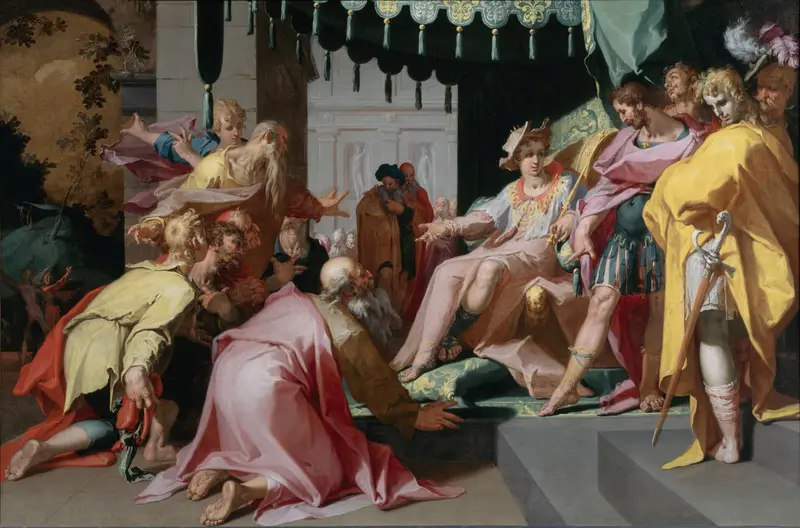
Joseph and his Brothers
Abraham Bloemaert
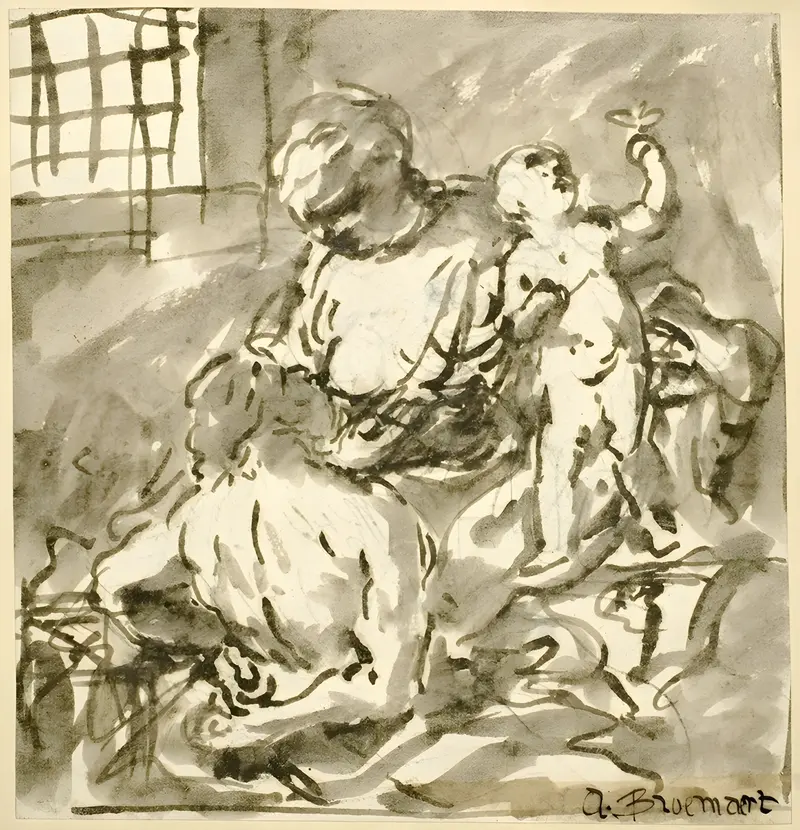
Caritas Romana
Abraham Bloemaert
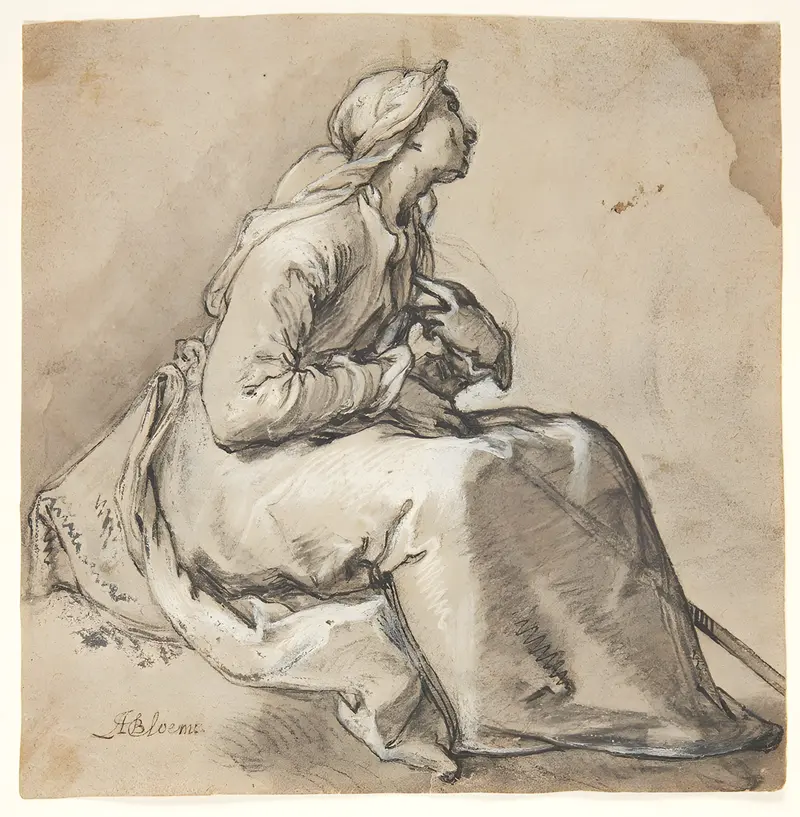
A seated woman facing right
Abraham Bloemaert
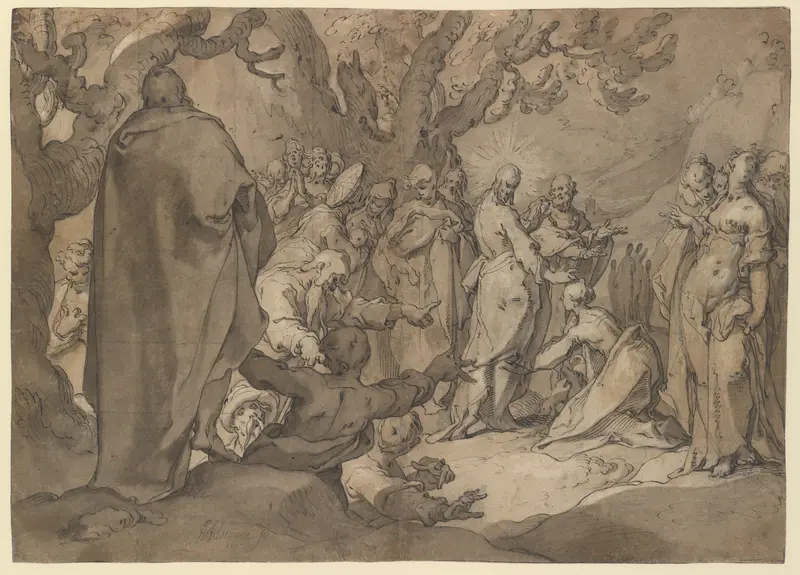
Christ and the Canaanite Women
Abraham Bloemaert
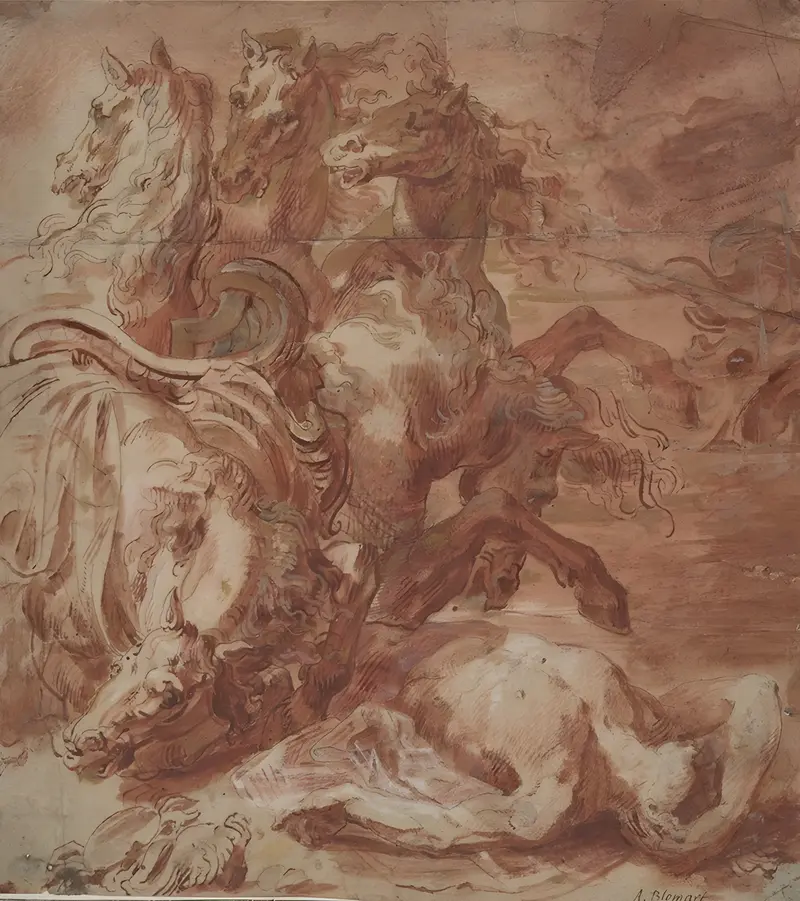
Hippolytus
Abraham Bloemaert
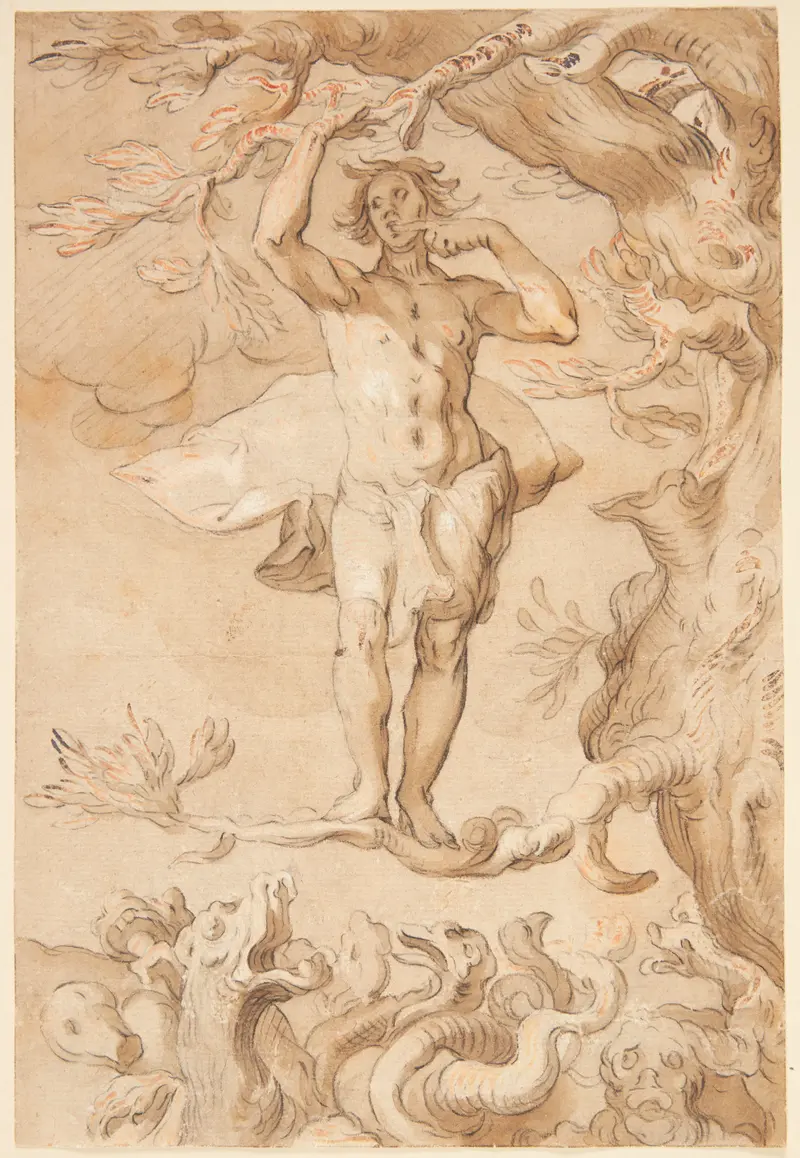
Den menneskelige glædes skrøbelighed En mand, der jages af en drage, klynger sig til en gren, mens han slikker honning af sin finger
Abraham Bloemaert

Moses Striking the Rock
Abraham Bloemaert
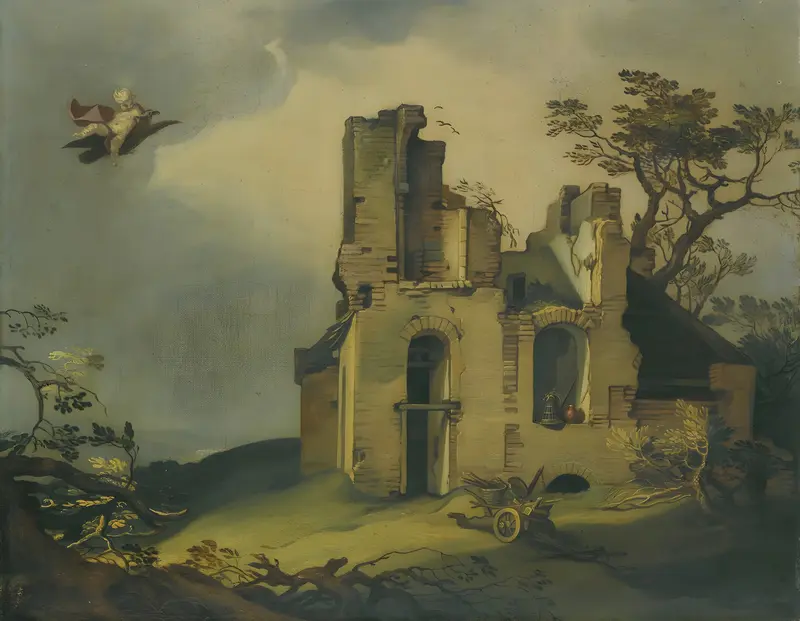
A Landscape With Ruins, With The Rape Of Ganymede
Abraham Bloemaert





