
Kleine Dada Soirée (Small Dada Evening) — History & Facts
Kleine Dada Soirée (Small Dada Evening) is a 1922 lithograph poster-program by Theo van Doesburg, printed in red and black ink on wove paper. The work was created to publicize and serve as a program for a Dada event, reflecting the artist’s engagement with the Dada movement during his time in the Netherlands and Germany. The poster is notable for its experimental typography and layout, typical of van Doesburg’s avant-garde approach in the early 1920s. The composition features a dense, overlapping arrangement of hand-drawn text in varying sizes and styles, interspersed with small graphic motifs such as a cat, a deer, and abstract forms.
The words and phrases, in both Dutch and German, refer to the event’s program, performers, and Dada slogans, arranged in a chaotic and playful manner. Bold diagonal red bars cross the sheet, creating a dynamic visual rhythm and further disrupting the conventional reading order, in keeping with Dada’s anti-establishment ethos. This poster is an example of the printed ephemera produced for Dada events in the early twentieth century, combining visual art, performance, and poetry. Such works were typically distributed at the events themselves and were rarely preserved, making surviving examples important documents of the movement’s activities.
The lithograph is dated 1922 and is associated with the period when Theo van Doesburg collaborated with other leading Dada figures, including Kurt Schwitters and Tristan Tzara.
More Artworks by Theo van Doesburg
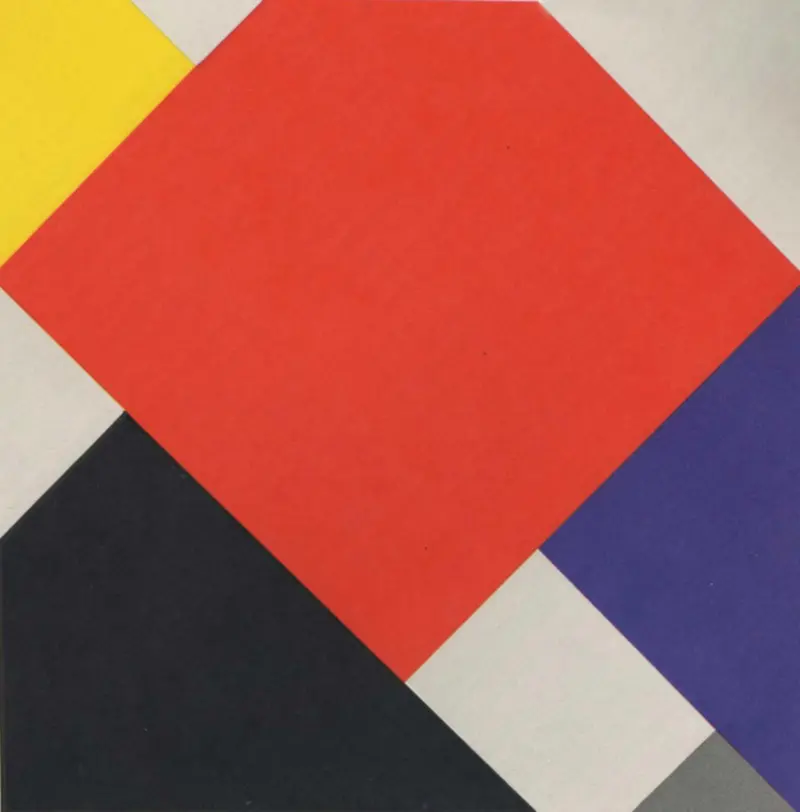
Counter-Composition V
Theo van Doesburg
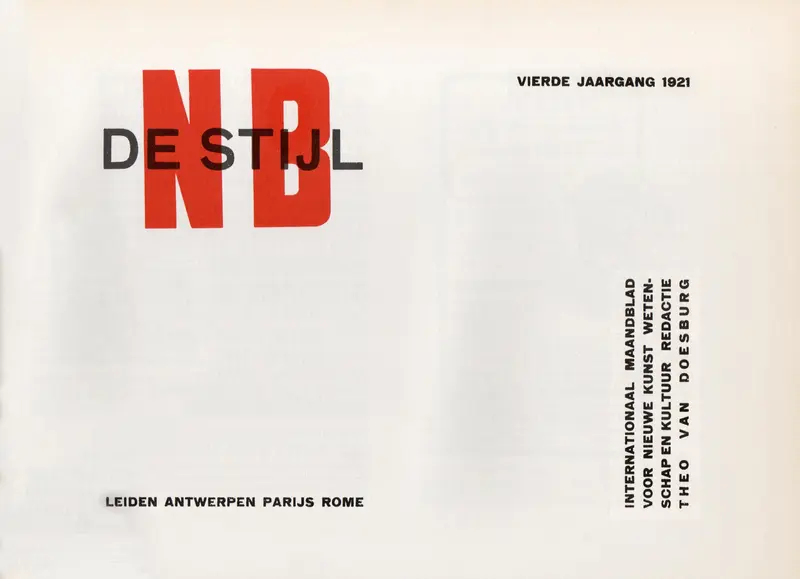
De Stijl, vol. 4, no. 2 (cover)
Theo van Doesburg
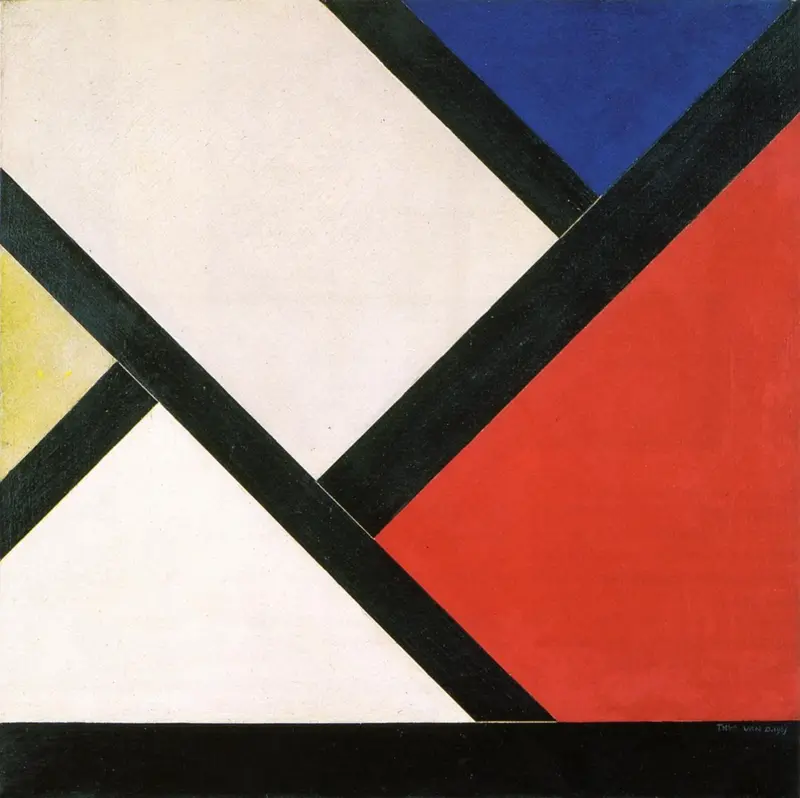
Counter-Composition XIV
Theo van Doesburg
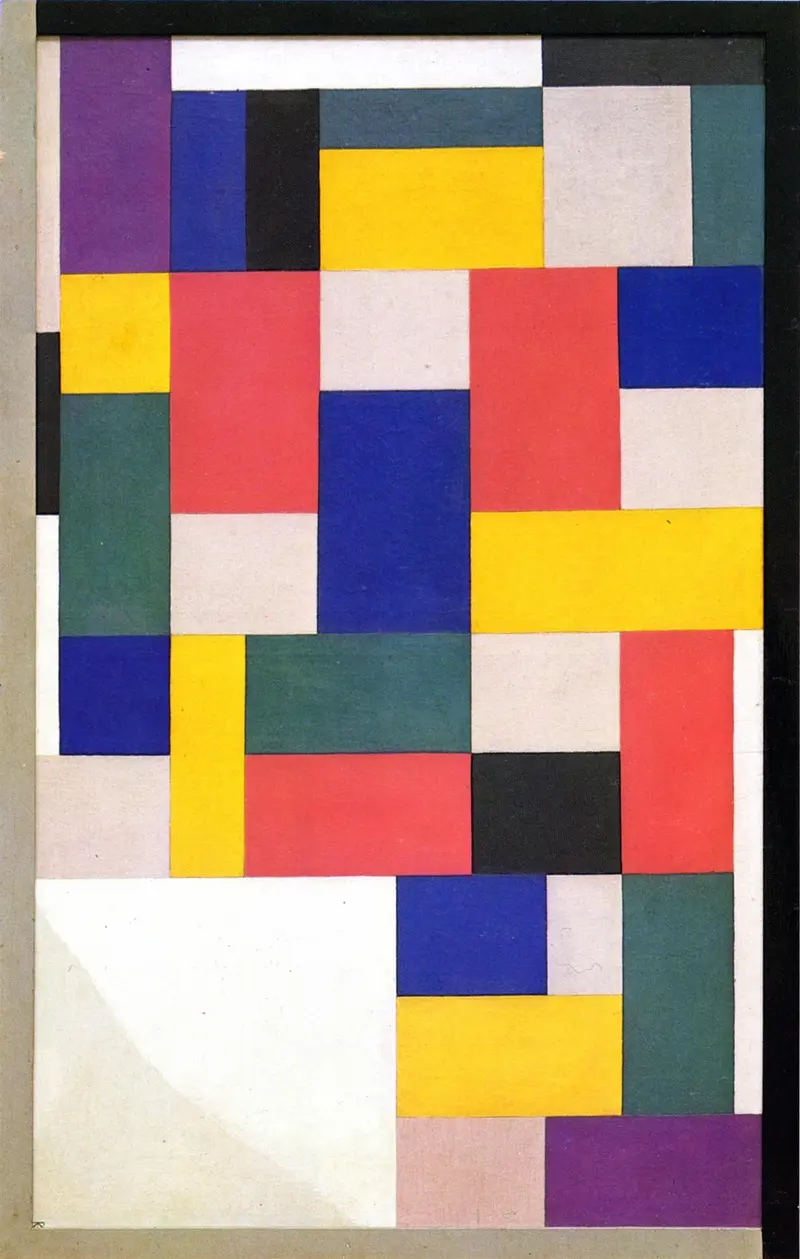
Pure Painting
Theo van Doesburg
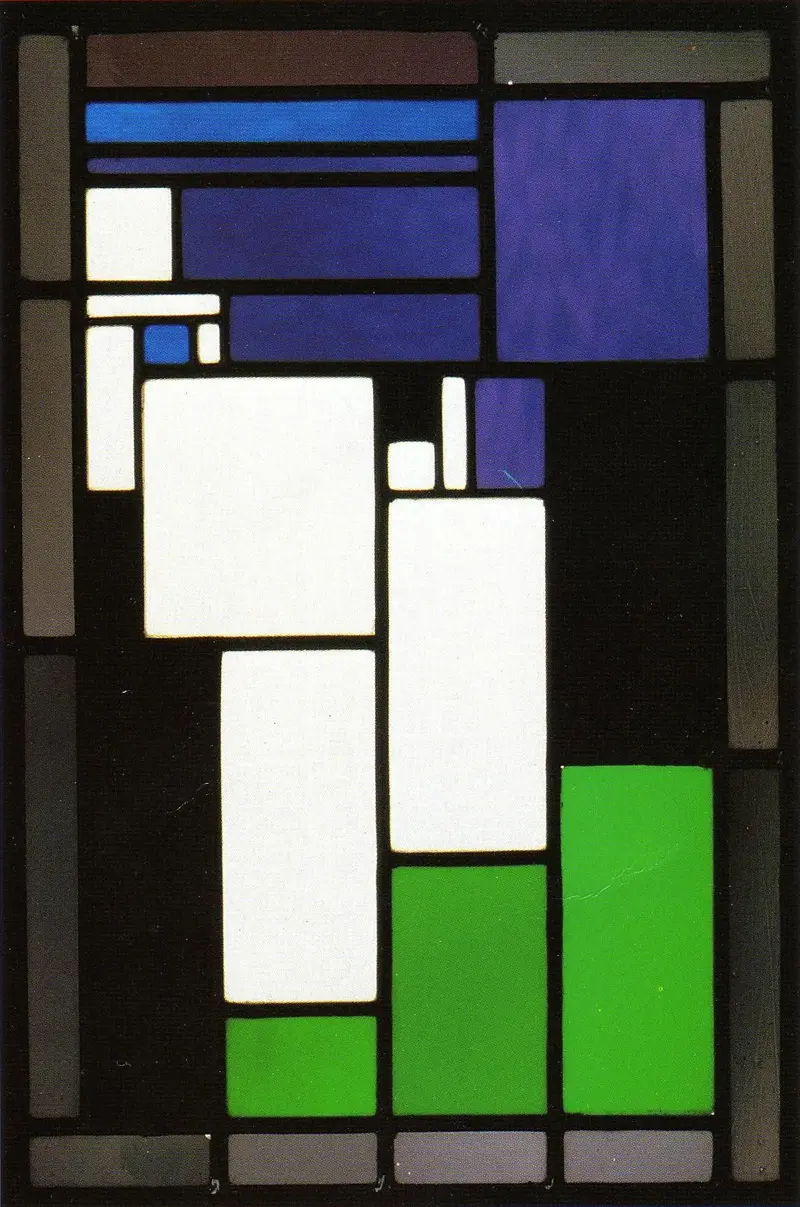
Stained-Glass Composition: Female Head
Theo van Doesburg
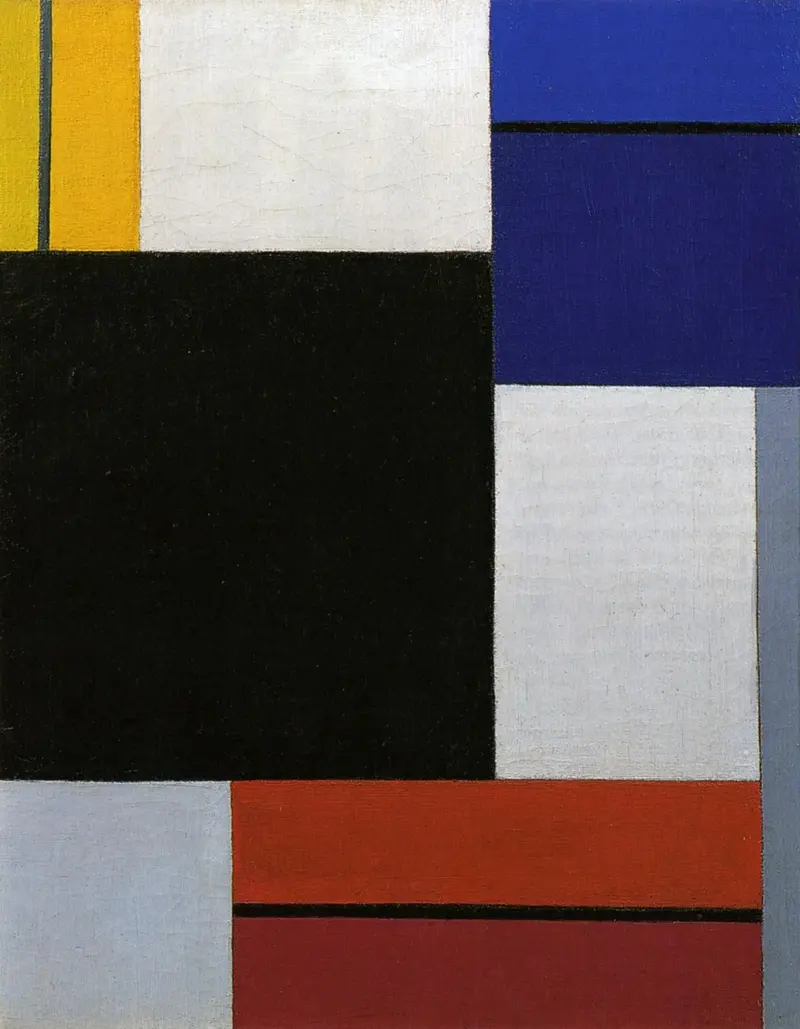
Composition XXI
Theo van Doesburg
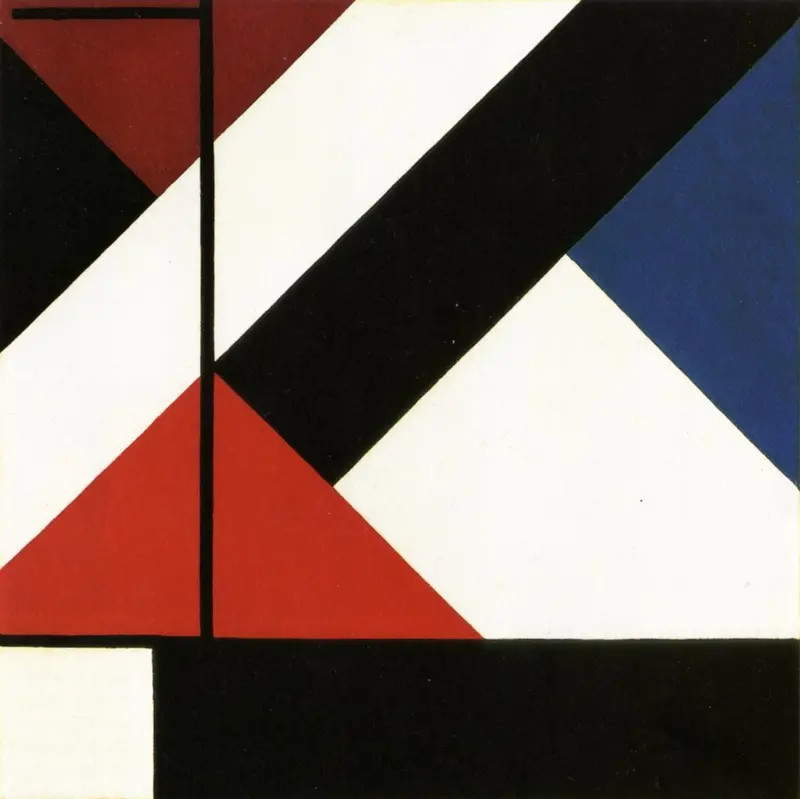
Simultaneous Counter-Composition
Theo van Doesburg
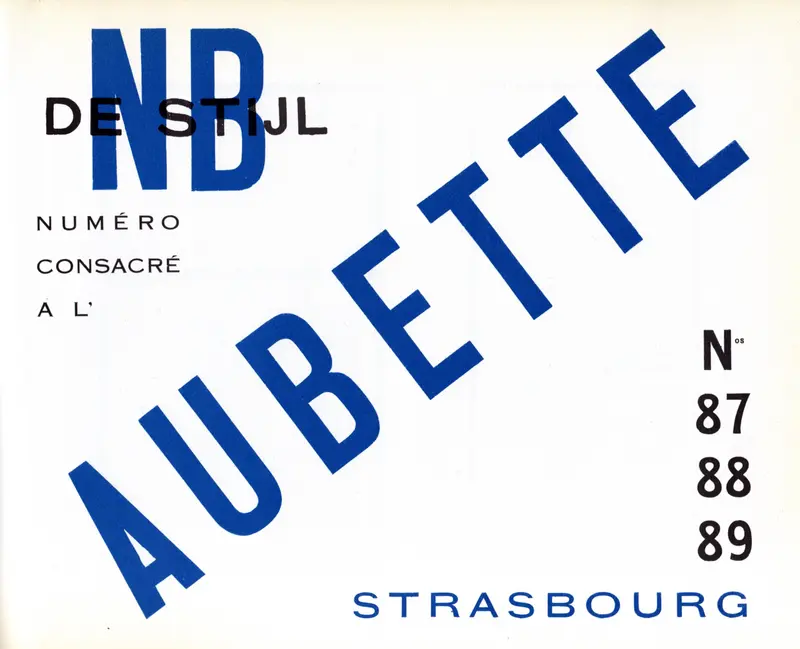
De Stijl, nos. 87–89: Aubette Issue (cover)
Theo van Doesburg
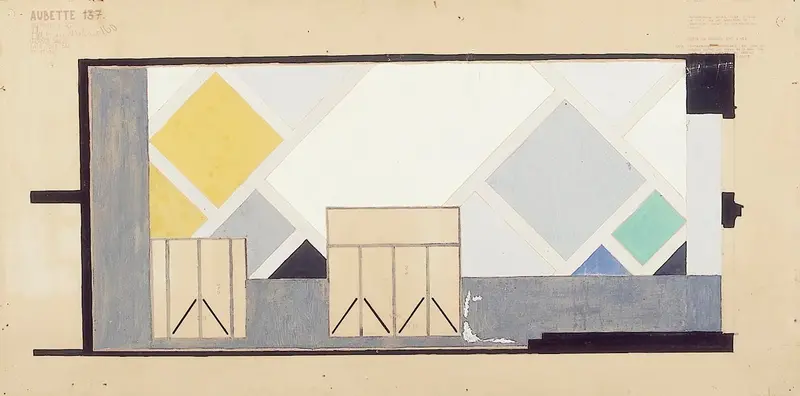
Aubette Ciné-Dancing: Final Color Design for a Wall
Theo van Doesburg
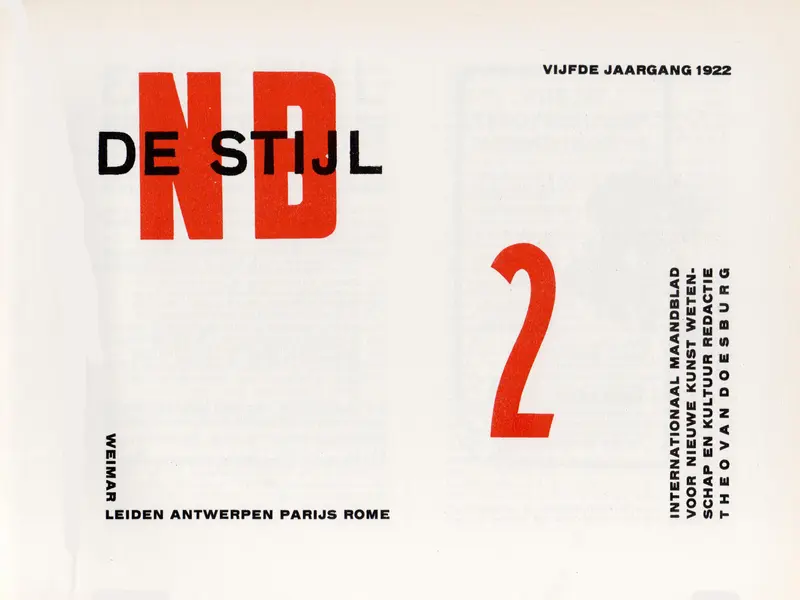
De Stijl, vol. 5, no. 2 (cover)
Theo van Doesburg





