
Country House by a River — History & Facts
Is this a mirror — or a memory? The quiet waters reflect not just the landscape but the passage of time, hinting at stories embedded within the decay of nature. Each brushstroke holds whispers of life, revealing a fragile beauty that both captivates and evokes nostalgia. Look to the left at the soft outline of the country house, nestled among the trees, where the earthy hues of olive and ochre blend seamlessly with the muted greens of the foliage. Notice how the light falls upon the water, shimmering like scattered thoughts, and examine the layered strokes that create depth in the river’s gentle flow.
Cézanne’s distinctive approach to form and color invites viewers to explore the interplay between the solid and the ephemeral. Yet, within this serene composition lies a tension: the juxtaposition of man-made structures against the relentless advance of nature. The house, both inviting and melancholic, stands as a symbol of human endeavor amid inevitable decay. The river’s languid movement juxtaposes the stillness of the architecture, suggesting that while human creations may fade, the essence of nature endures, reminding us of our transient existence. During the late 19th century, when this piece was likely painted, Cézanne was deeply immersed in the Impressionist movement, experimenting with color and form in ways that would challenge traditional perspectives.
Living in Aix-en-Provence, he sought to capture the essence of his surroundings while grappling with personal and artistic struggles. This period marked a transformative time in art, as he began to pave his own path, influencing generations to come with his innovative techniques and explorations of perception.
More Artworks by Paul Cezanne
Browse all →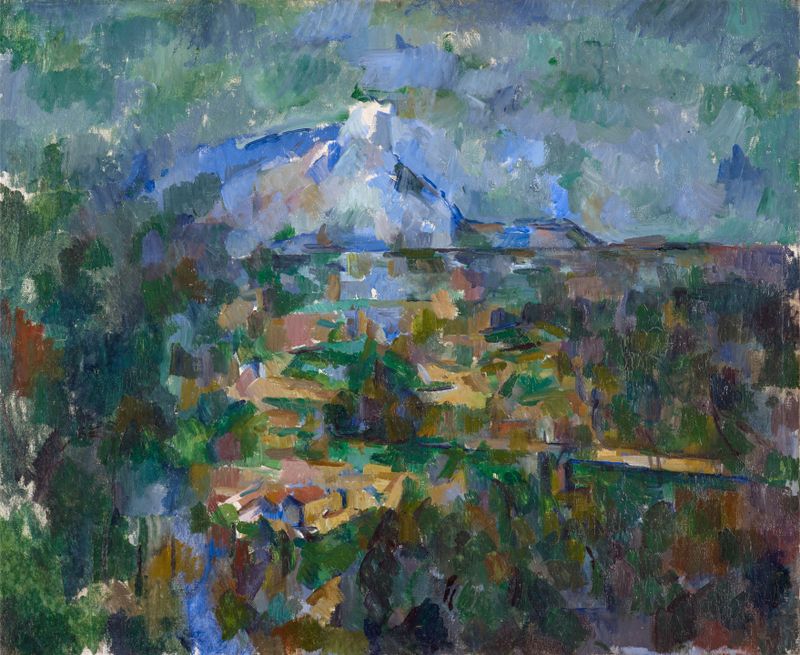
The Mont Sainte-Victoire Seen From Les Lauves
Paul Cezanne
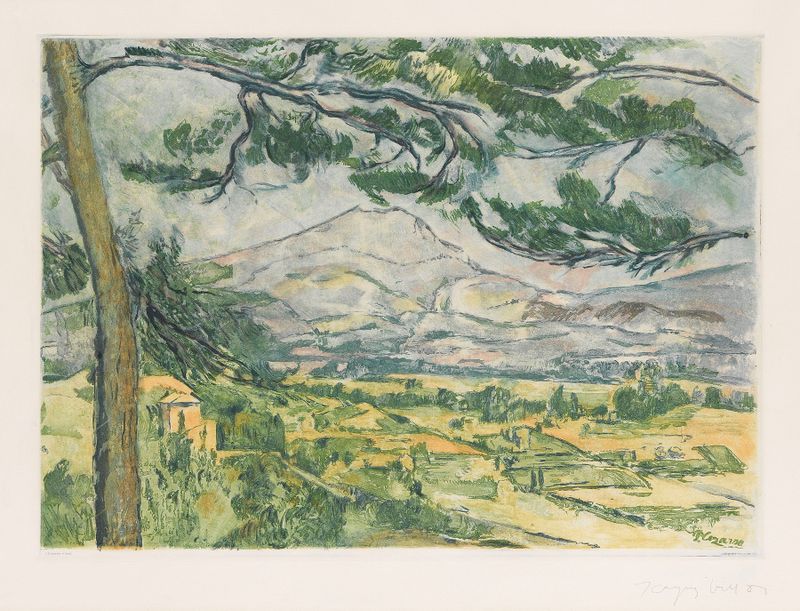
La Montagne Sainte-Victoire
Paul Cezanne
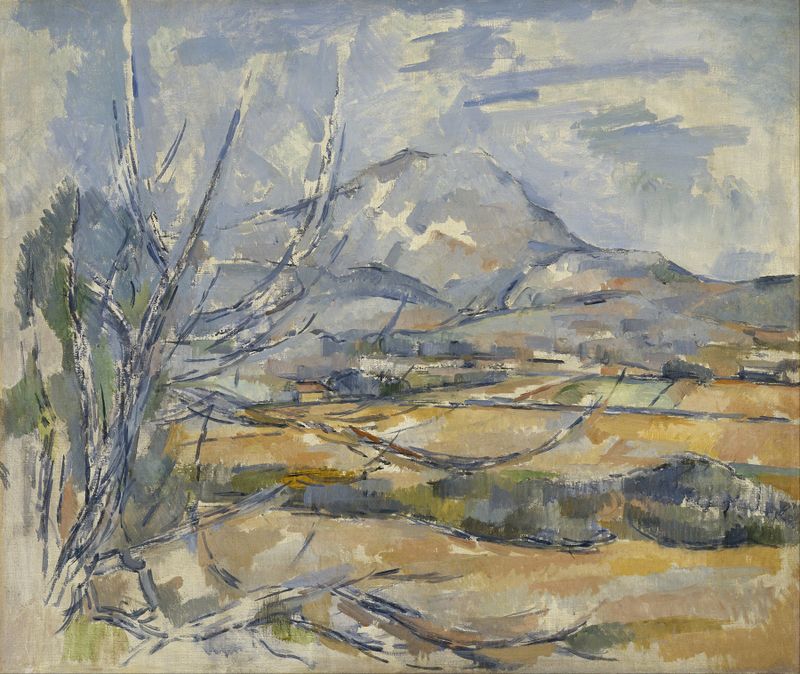
Montagne Sainte-Victoire
Paul Cezanne
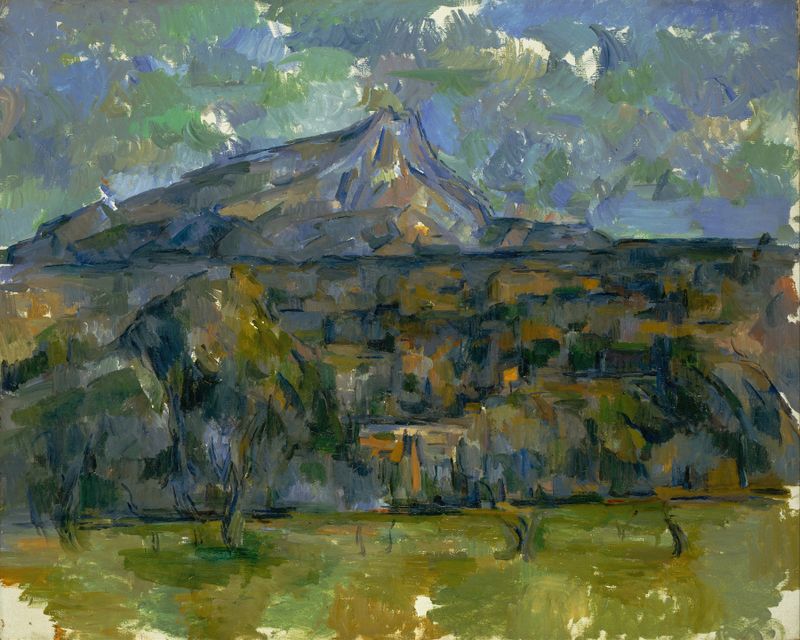
Mont Sainte-Victoire
Paul Cezanne
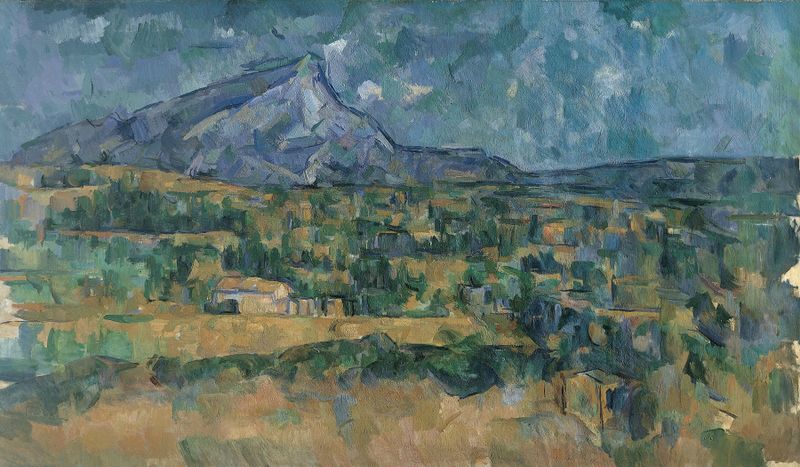
Mont Sainte-Victoire
Paul Cezanne
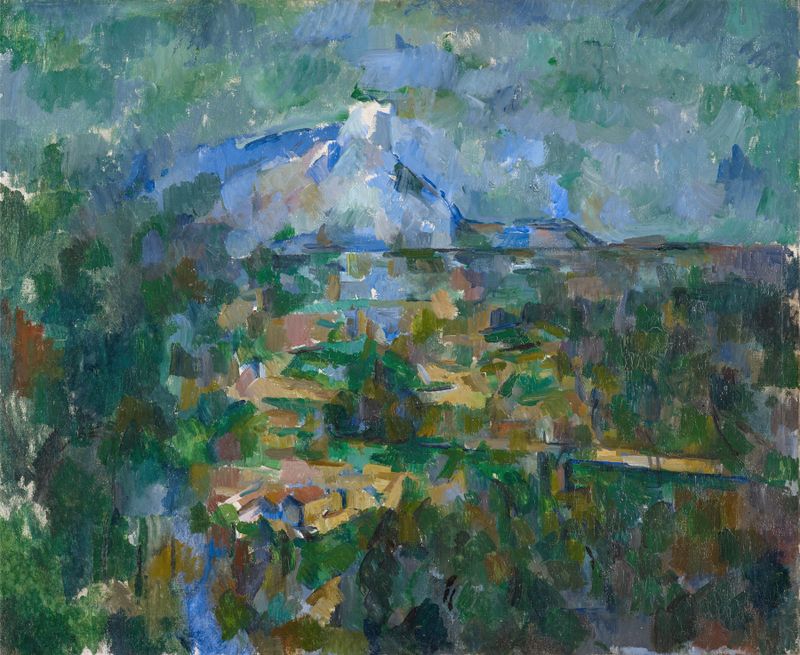
View of Mount Sainte-Victoire from Les Lauves
Paul Cezanne
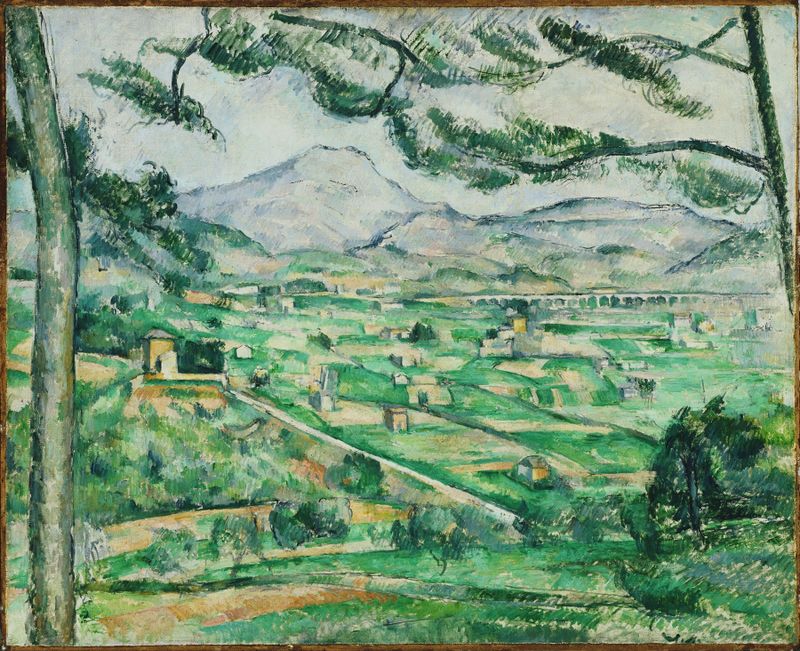
Mont Sainte-Victoire 2
Paul Cezanne

The Basket of Apples
Paul Cezanne

Mount Sainte-Victoire
Paul Cezanne
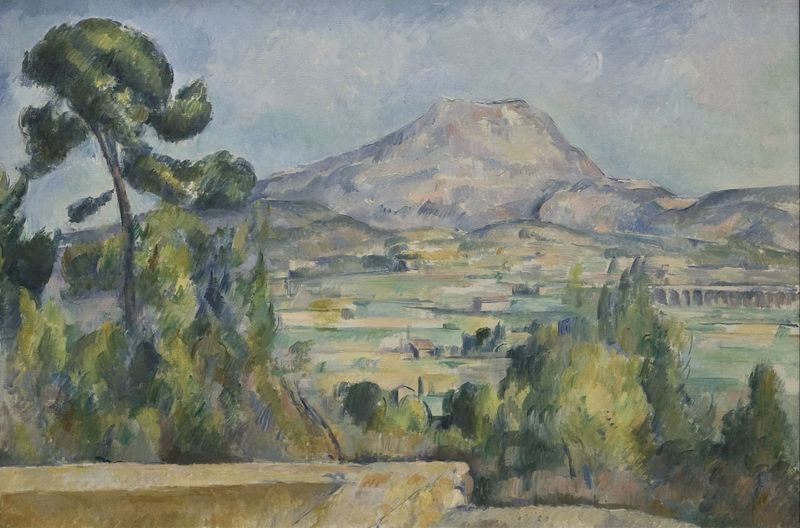
Montagne Saint-Victoire
Paul Cezanne





