
Country Neighbors — History & Facts
Did the painter know this moment would outlive them? In Country Neighbors, the simplicity of a rural gathering hints at deeper currents of grief and nostalgia, inviting viewers to ponder life's fleeting nature. Look to the left at the two figures engaged in quiet conversation, their postures relaxed yet imbued with an unspoken weight. Notice how the soft pastels and muted earth tones blend harmoniously, reflecting the tranquility of their surroundings. The brushwork is delicate, nearly whispering the textures of the grass beneath their feet and the gentle bends of the trees in the background.
This serene composition draws the eye deeper into a scene that feels both intimate and expansive. Yet, beneath this idyllic surface lies a poignant tension. The distance between the two figures suggests a disconnect that may stem from loss, perhaps echoing unexpressed sorrow over shared memories. The subtle interplay of light and shadow across their faces can be seen as a metaphor for the contrast between presence and absence, amplifying the emotional gravity of the moment.
The canvas becomes a vessel for both connection and separation, illustrating the complexity of human relationships amid the simplicity of rural life. Félix Hilaire Buhot painted Country Neighbors between 1879 and 1880, during a period marked by significant artistic transitions in France. The era was defined by the rise of Impressionism, but Buhot chose to blend traditional techniques with new ideas, reflecting his own struggles as an artist. At this time, he navigated personal challenges while exploring the themes of memory and loss, which resonate deeply within this serene yet evocative work.
More Artworks by Félix Hilaire Buhot
Browse all →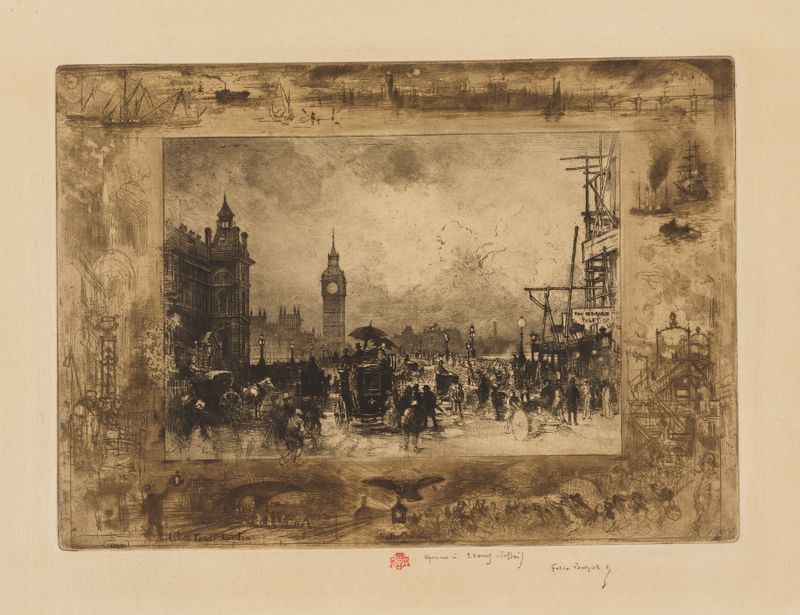
Westminster Bridge, or Westminster Clock Tower
Félix Hilaire Buhot
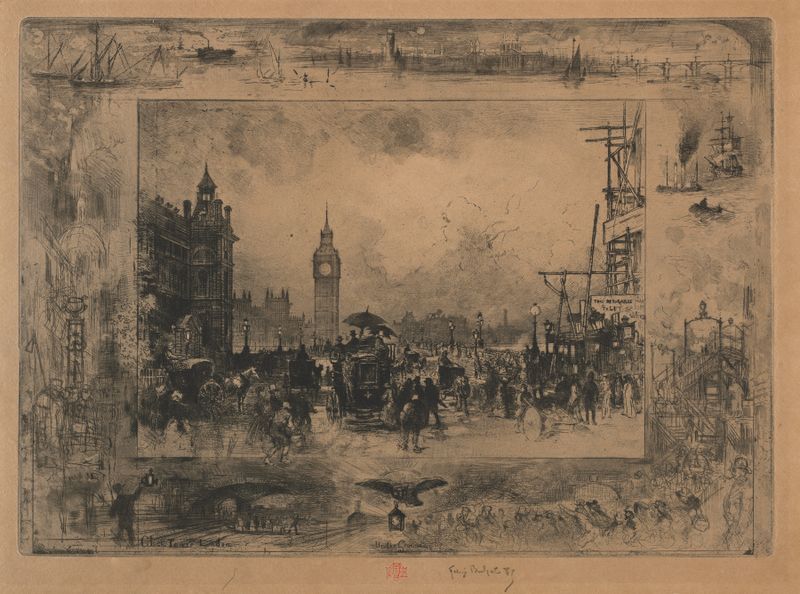
Westminster Bridge, or Westminster Tower
Félix Hilaire Buhot
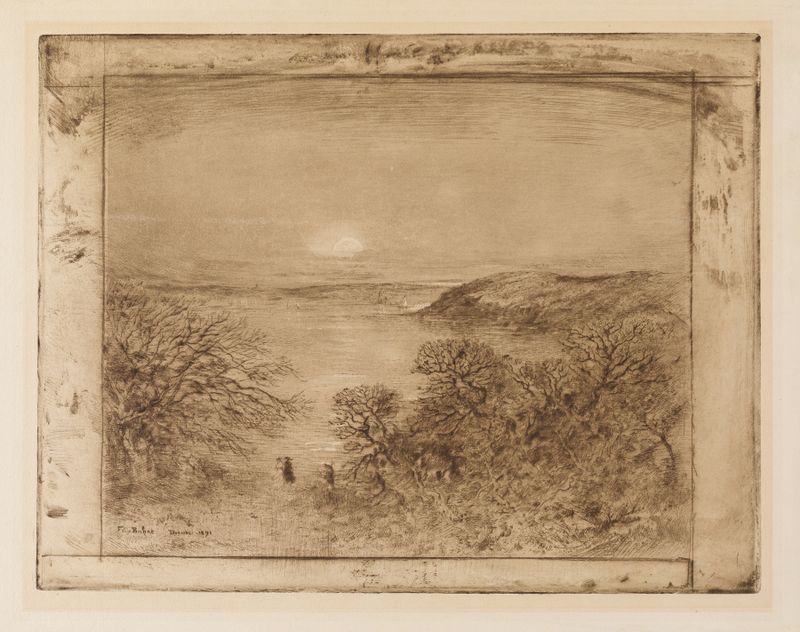
Moonrise at Dinard
Félix Hilaire Buhot
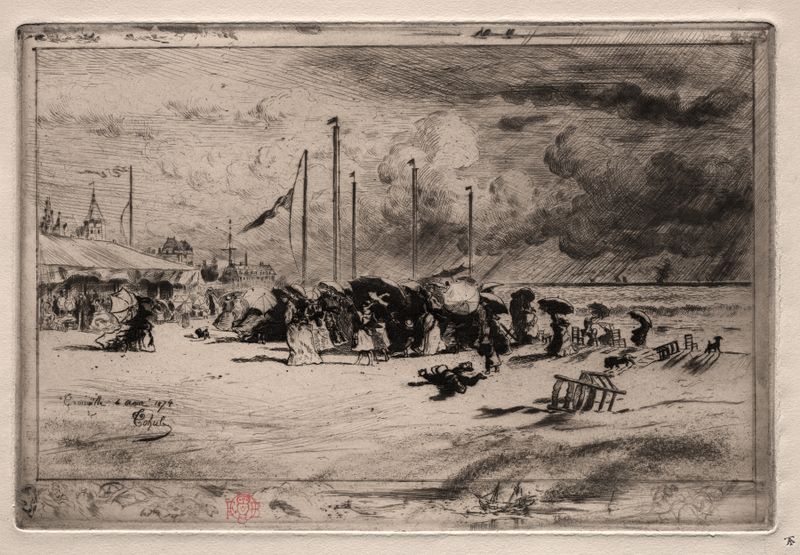
A Squall at Trouville
Félix Hilaire Buhot
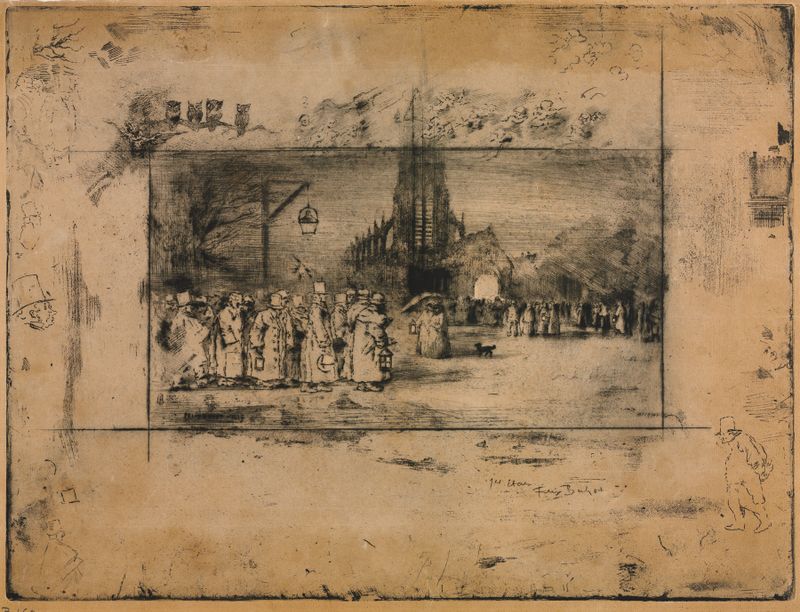
The Midnight Mass
Félix Hilaire Buhot
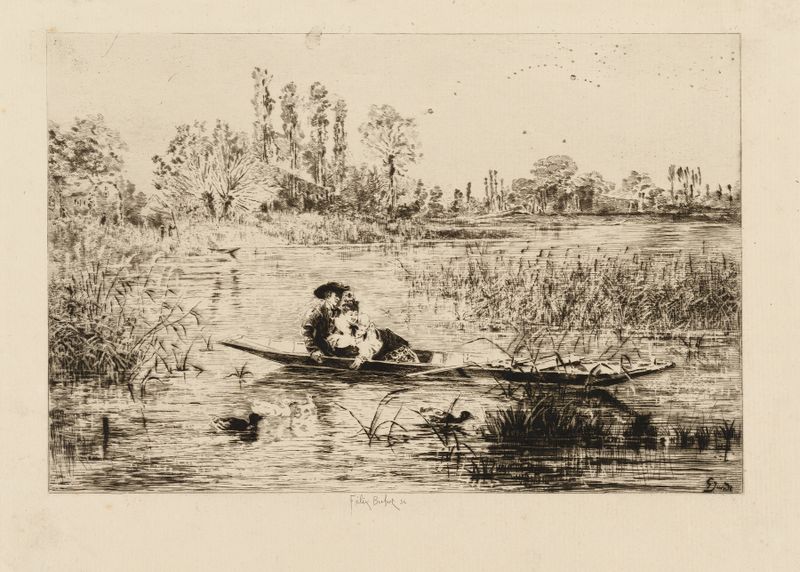
On the Thread of the Water
Félix Hilaire Buhot
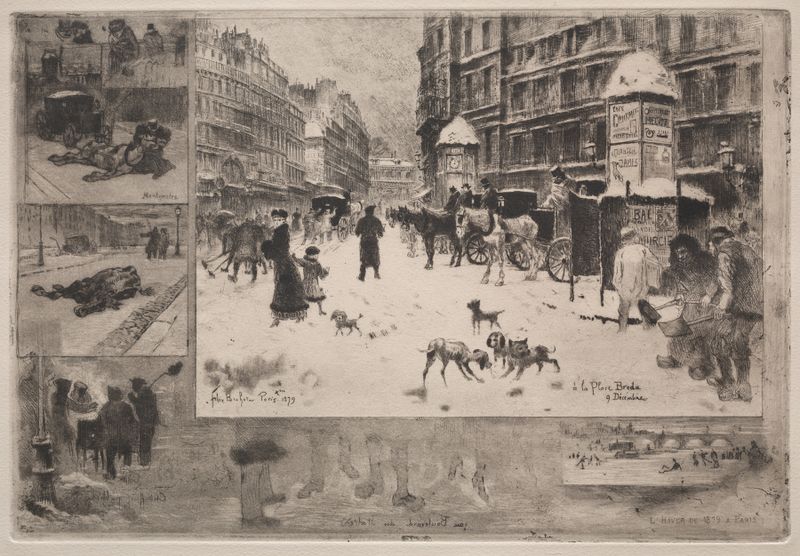
Winter in Paris
Félix Hilaire Buhot
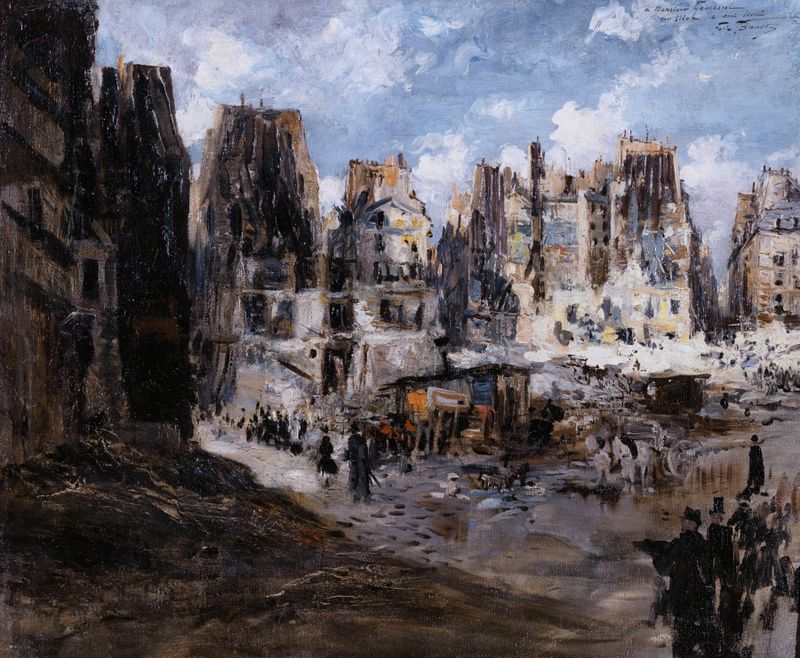
Le percement de l’avenue de l’Opéra.
Félix Hilaire Buhot
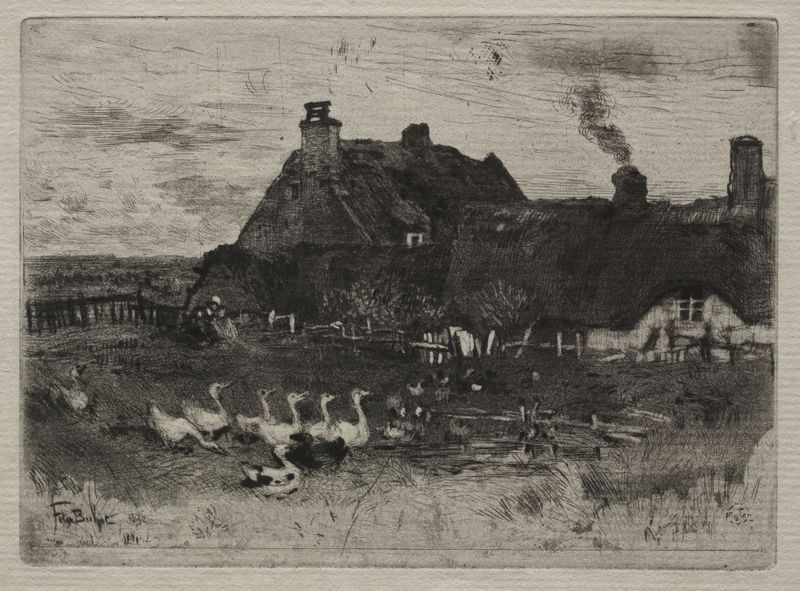
Thatched Cottages
Félix Hilaire Buhot
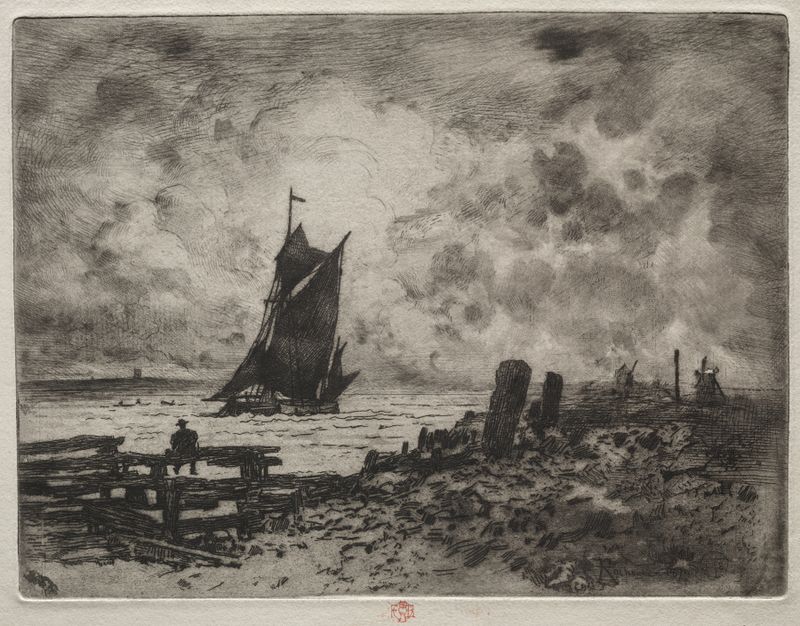
The Little Marine; Souvenir of Medway
Félix Hilaire Buhot





