Cure’s Garden, Arles — History & Facts
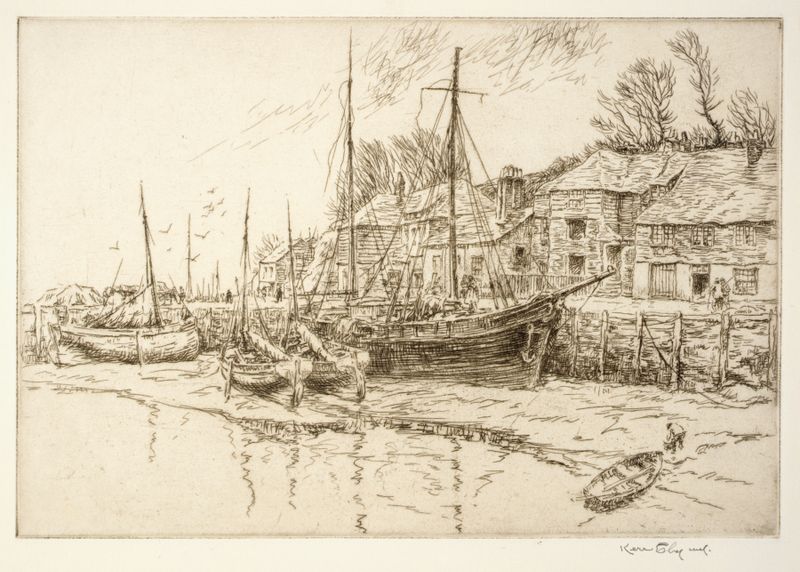
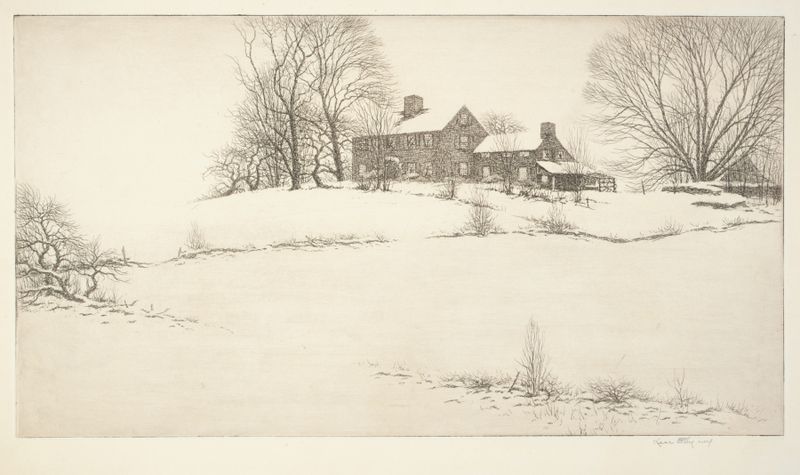
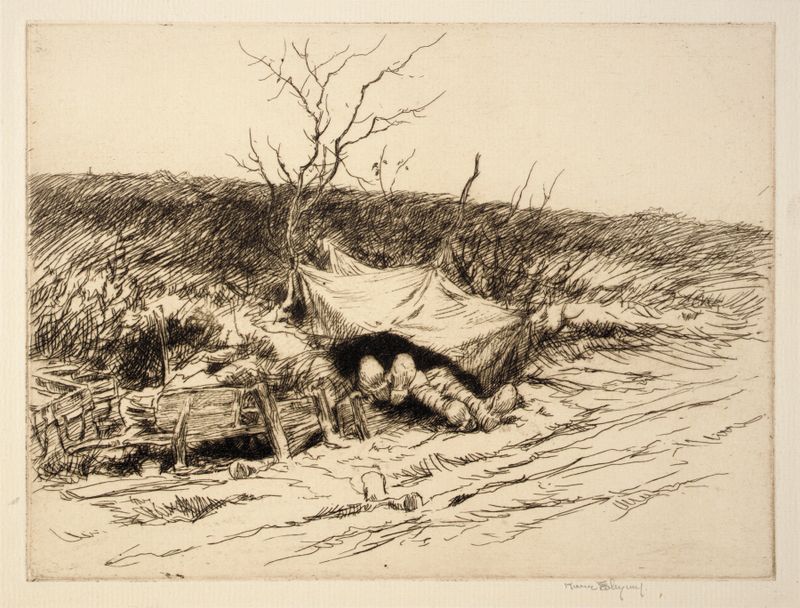
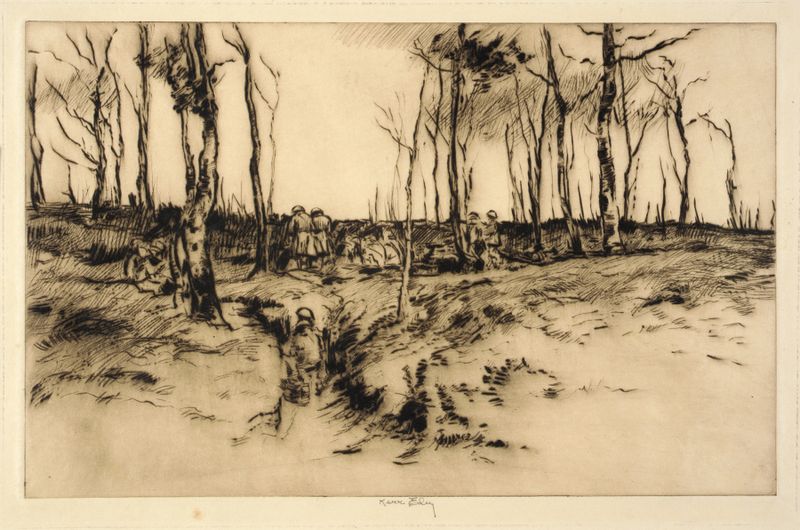
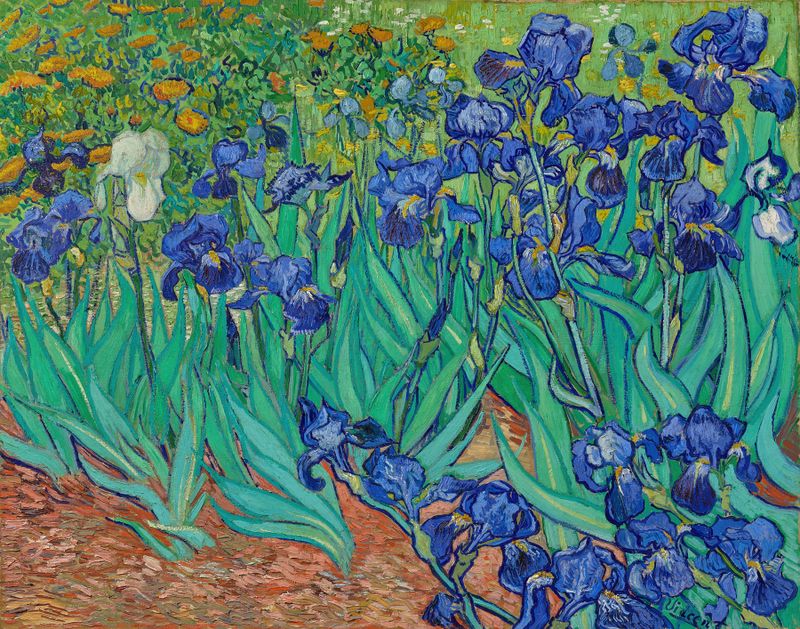
In a sun-drenched garden in Arles, the air hums with possibility. Dappled light filters through the leaves, casting delicate shadows on the earth below. A group of figures—caregivers and patients alike—treads softly among the blooms, a shared moment of solace amidst their struggles, each gesture steeped in the fragile, unyielding hope for recovery. Look to the left at the lush greens and vibrant splashes of color in the flowerbeds, where every petal seems to vibrate with life.
The artist employs a soft yet vivid palette, using blues and yellows to evoke warmth and tranquility. Notice the gentle sway of the figures, suggesting that they are in harmony not only with the garden but with one another, their postures relaxed yet engaged, a testament to the healing power of nature. Underneath this serene surface lies a poignant contrast between the vibrancy of life and the underlying struggles faced by those within the garden. The contrasting silhouettes of the caregivers and the patients highlight the delicate balance of hope and vulnerability.
Look closely at the expressions—there is gratitude in their eyes, yet a hint of longing remains, weaving a narrative of shared experiences and unspoken fears amidst the beauty. Kerr Eby created Cure’s Garden, Arles in 1923 while living in the aftermath of World War I, a period marked by a search for healing both physically and emotionally. At this time, the art world was shifting, embracing more personal narratives and the exploration of themes such as recovery and hope. Eby’s choice to depict this serene setting speaks volumes of his own journey and the collective desire for renewal and peace within a tumultuous world.