Dagligstuen på Frederiksberg Allé — History & Facts
In the quiet of a room, an unseen pulse thrums within the stillness—echoes of past lives linger in the air. Shadows blend with the soft glow of daylight, igniting a sense of both comfort and unease, as if the walls themselves harbor secrets too profound to utter. Look to the left at the faint outlines of a single, elegantly framed window, its light spilling onto the wooden floor, creating a gentle interplay of warmth and shadow. The muted palette of soft grays and whites evokes a sense of tranquility, with a few hints of green from a distant vase.
Notice how the simplicity of the furnishings—two chairs, an unadorned table—invites you to ponder the absence rather than the presence. Each element feels purposeful, as though every corner tells a story, whispering of solitude. There exists a tension between the mundane and the extraordinary—a stillness that borders on madness. The sparsity of the room hints at isolation, yet the light suggests a yearning for connection.
Each detail, from the gentle curve of the chair to the quiet placement of objects, evokes an emotional resonance, as if they are remnants of a once-vibrant life now faded into memory. This artwork defies the viewer to confront the thin line between comfort and loneliness, inviting introspection amid its serene exterior. In 1887, Hammershøi created this work in Copenhagen, during a period of intense personal exploration and introspection. The artist was surrounded by the burgeoning modernist movement, yet he chose to capture a world of stillness that reflects his inner contemplations and a society grappling with the complexities of industrialization.
This piece embodies a moment of tranquility amidst the chaos, a silent meditation on the nature of existence itself.
More Artworks by Vilhelm Hammershøi
Browse all →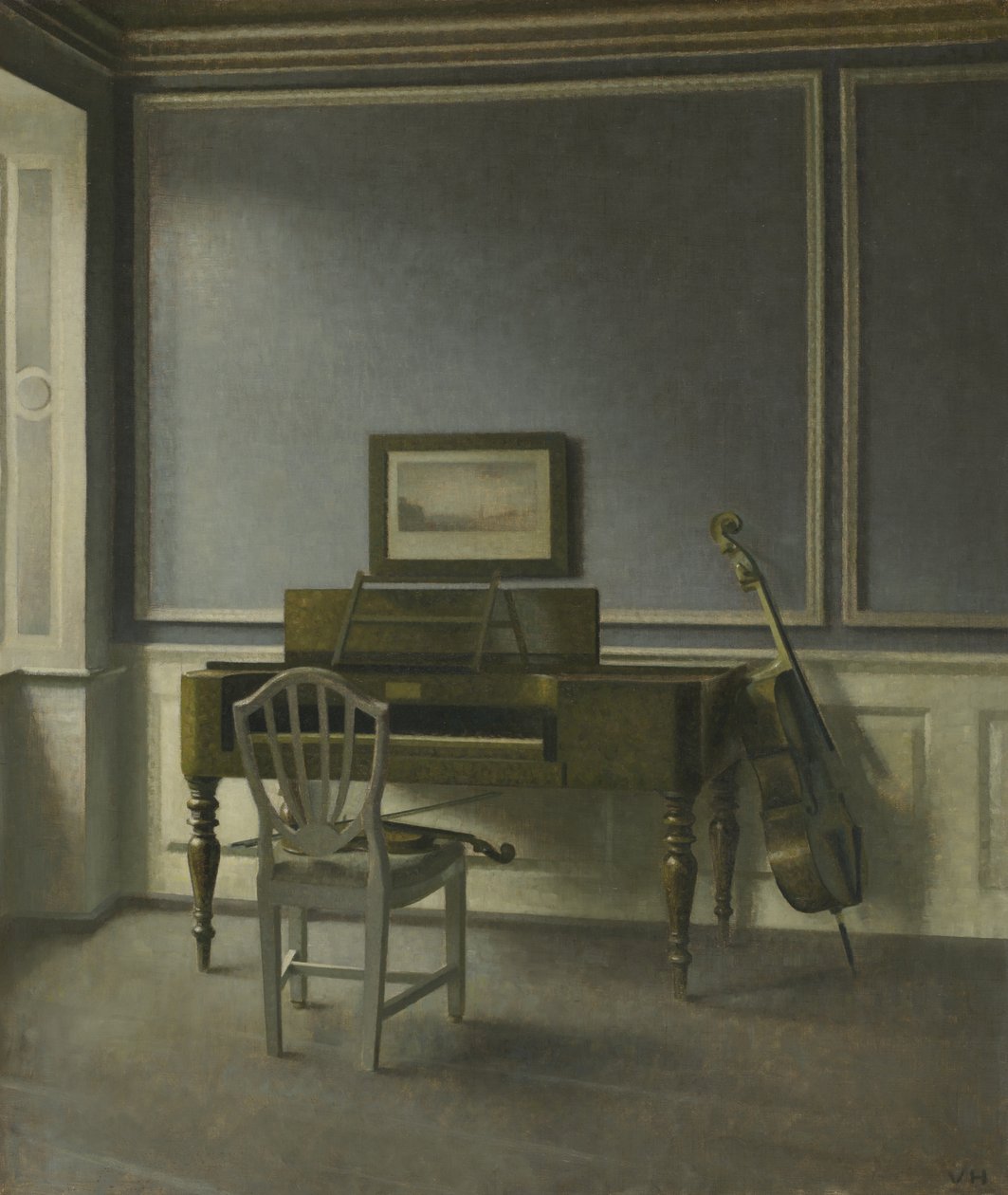
Interior. The Music Room, Strandgade 30
Vilhelm Hammershøi
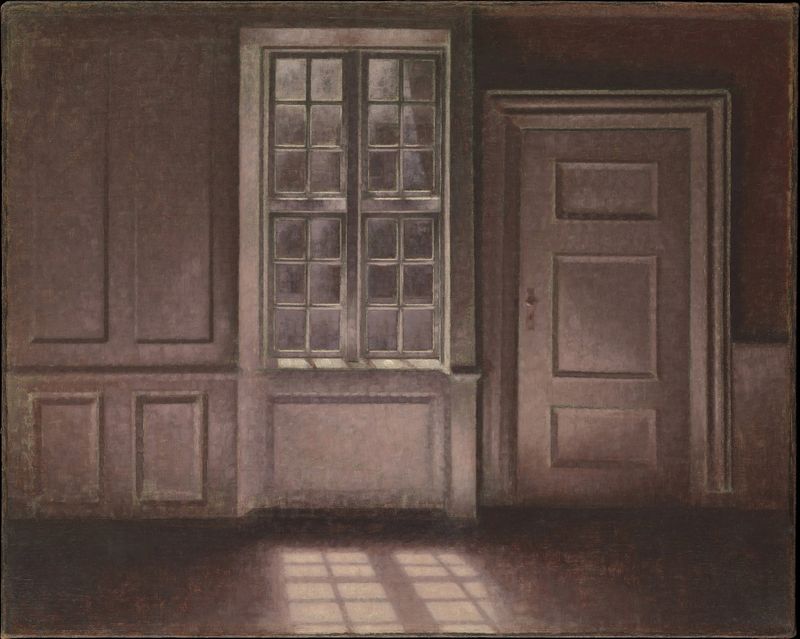
Moonlight, Strandgade 30
Vilhelm Hammershøi
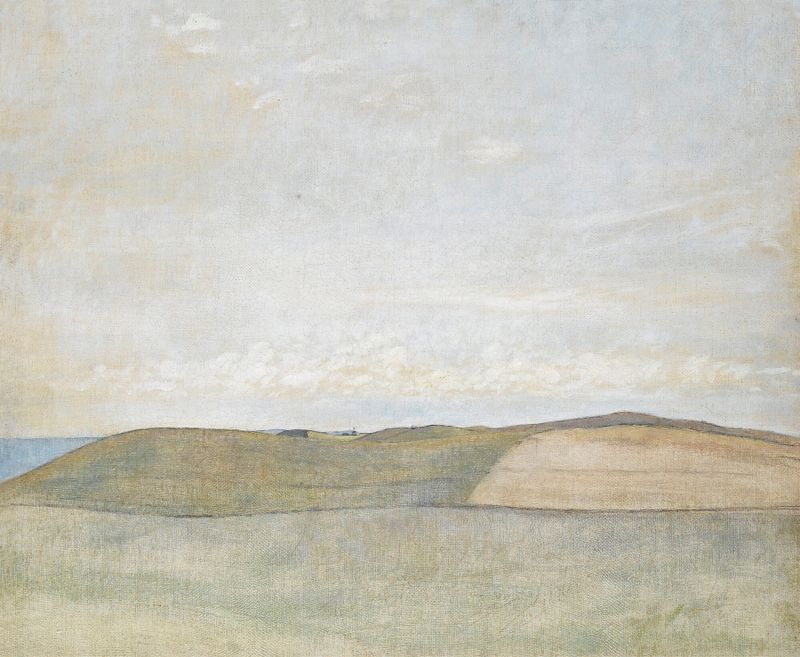
From Refsnæs
Vilhelm Hammershøi

Interior with the Artist’s Easel
Vilhelm Hammershøi

Amalienborg Square, Copenhagen
Vilhelm Hammershøi
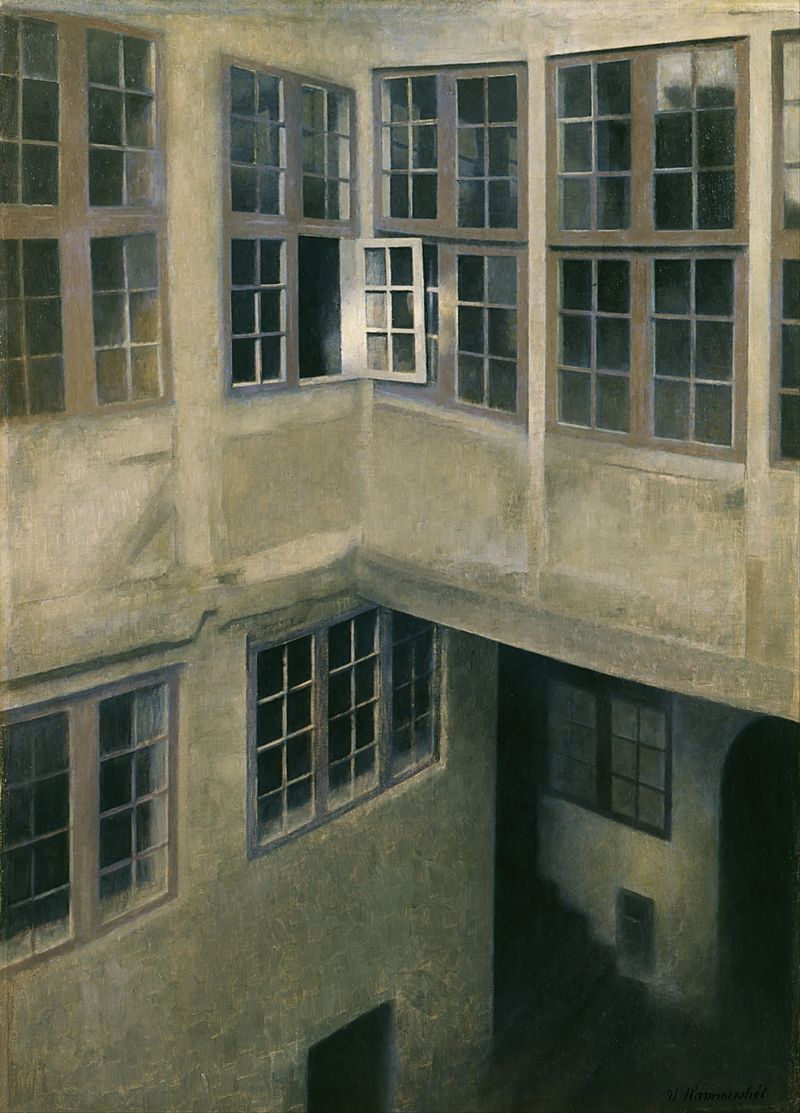
Interior of Courtyard, Strandgade 30
Vilhelm Hammershøi

Søndermarken Park in winter
Vilhelm Hammershøi
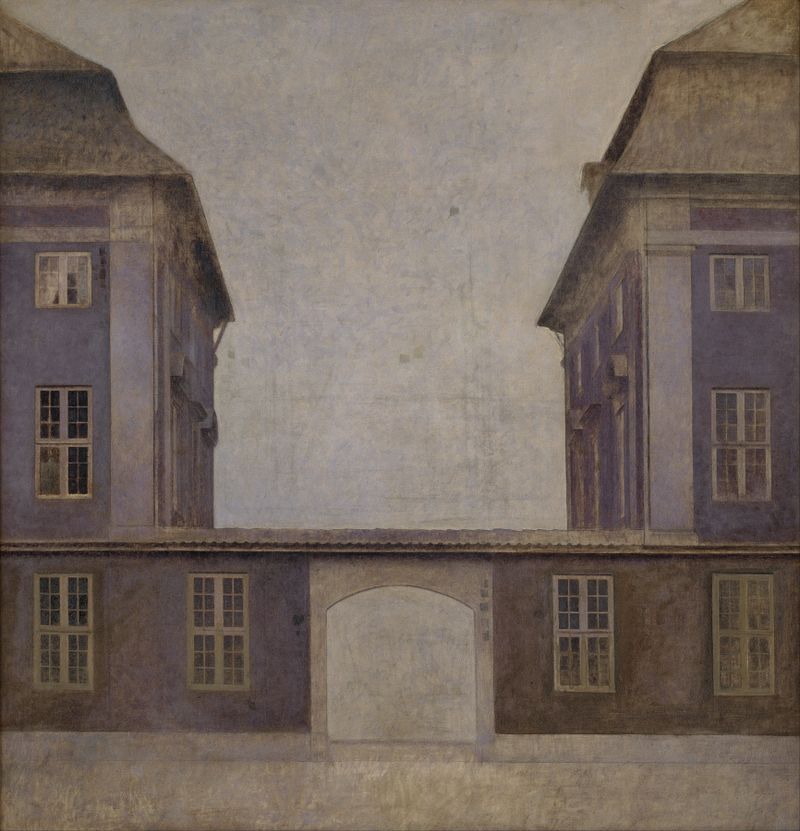
The Buildings of the Asiatic Company, seen from St. Annæ Street
Vilhelm Hammershøi

From Christianshavn’s Canal, Copenhagen
Vilhelm Hammershøi
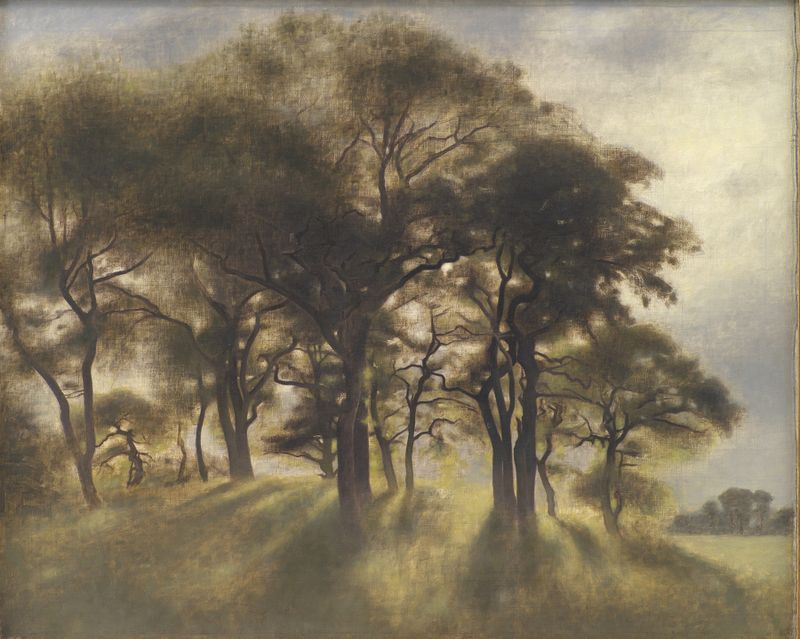
Near Fortunen, Jægersborg Deer Park, North of Copenhagen
Vilhelm Hammershøi