
David stuurt Uria weg — History & Facts
In a world that constantly measures time by the ticking of a clock, how do fleeting moments of decision shape our destinies? Observe the tension as you look to the left, where David’s imposing figure commands attention. The cool, muted tones of his robe contrast sharply with the stark white of Uriah’s garment, highlighting the moral clarity that eludes him. The play of light on David’s face reveals a man caught in his own machinations, while the shadow behind Uriah emphasizes the looming threat of betrayal.
The composition draws your gaze to David’s hand, poised and deliberate, revealing both authority and inner conflict. As you delve deeper, notice the small details: Uriah’s resolute posture juxtaposed with David's passive demeanor speaks volumes about power dynamics. The placement of the sword, half-hidden yet ominous, hints at the violence that lies just beneath the surface of this calculated dismissal. The background, subtly blurred, suggests a world moving on, indifferent to the personal drama unfolding in this intimate space.
Each element resonates with a haunting quality, inviting viewers to ponder the weight of choices made in quiet corners of history. Created in 1538, this work reflects Holbein's mastery during a time when he was firmly established in England, serving as court painter to Henry VIII. The socio-political landscape was charged with intrigue and moral ambiguity, mirroring the very essence portrayed in this powerful scene. Holbein’s attention to detail and psychological depth aligns with the broader artistic movements of the Renaissance, revealing the artist's acute awareness of the times in which he lived.
More Artworks by Hans Holbein (II)
Browse all →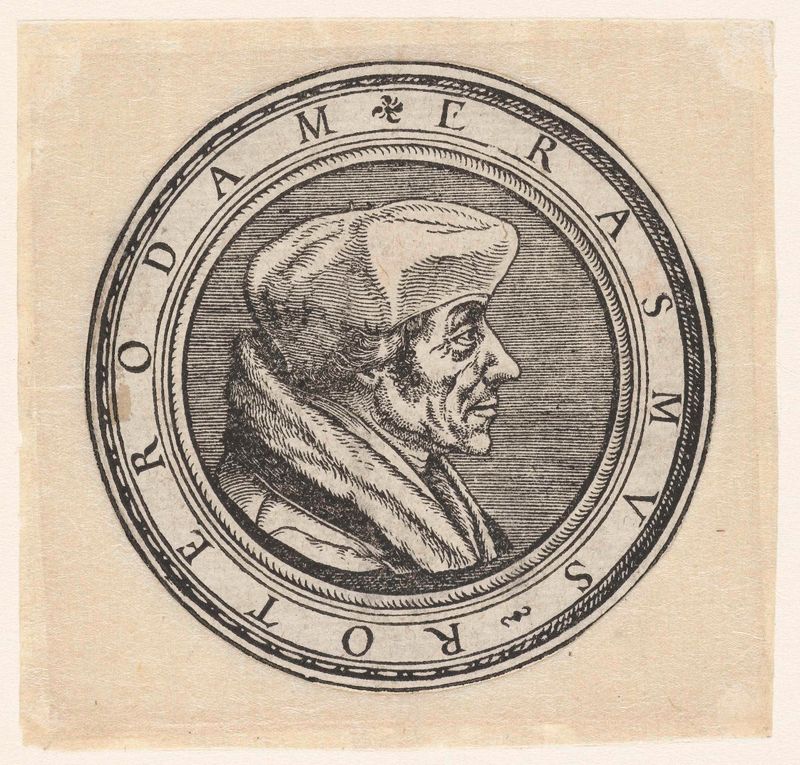
Portret van Erasmus
Hans Holbein (II)
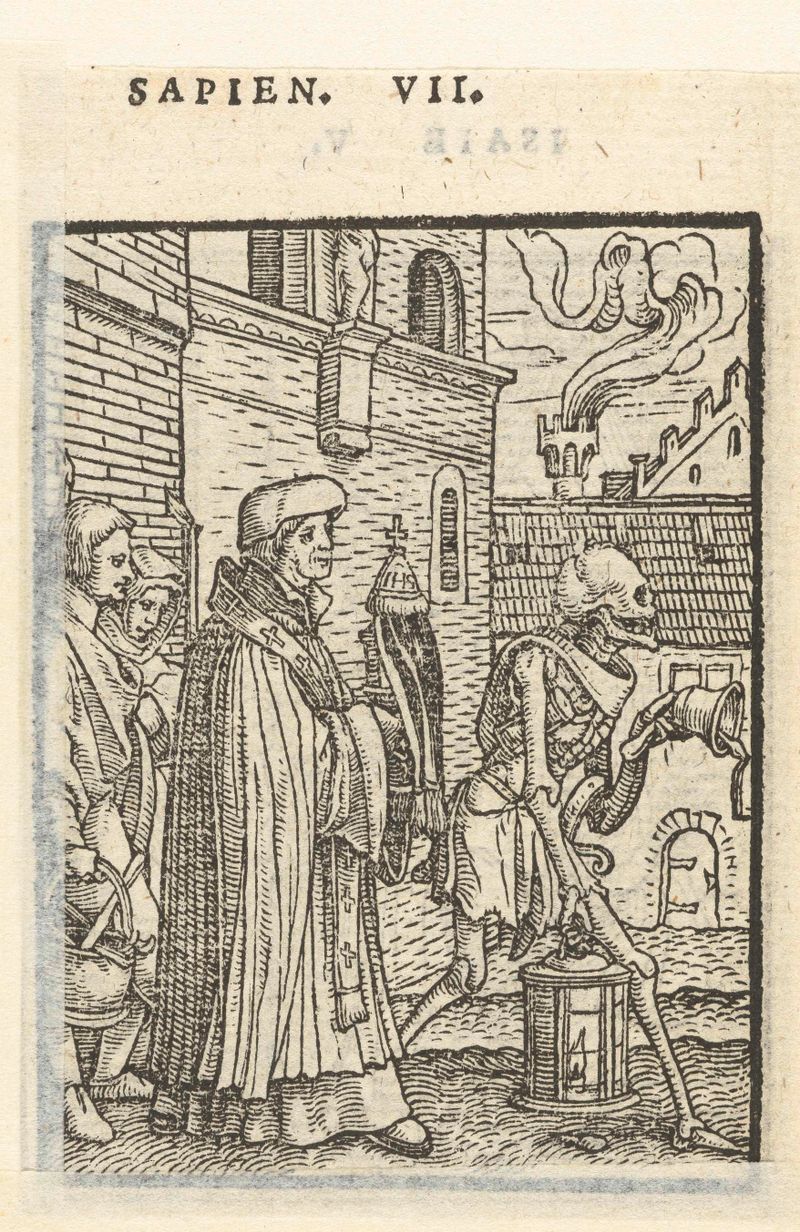
Priester en de Dood
Hans Holbein (II)
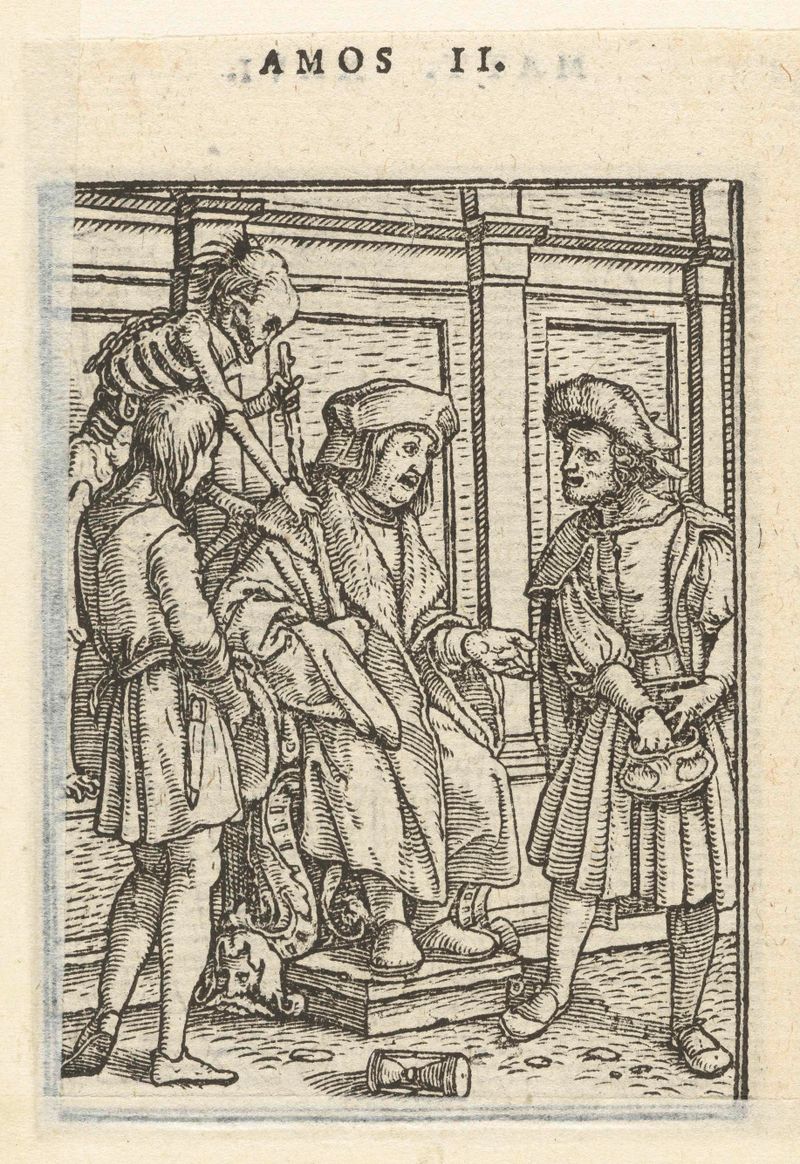
Rechter en de Dood
Hans Holbein (II)
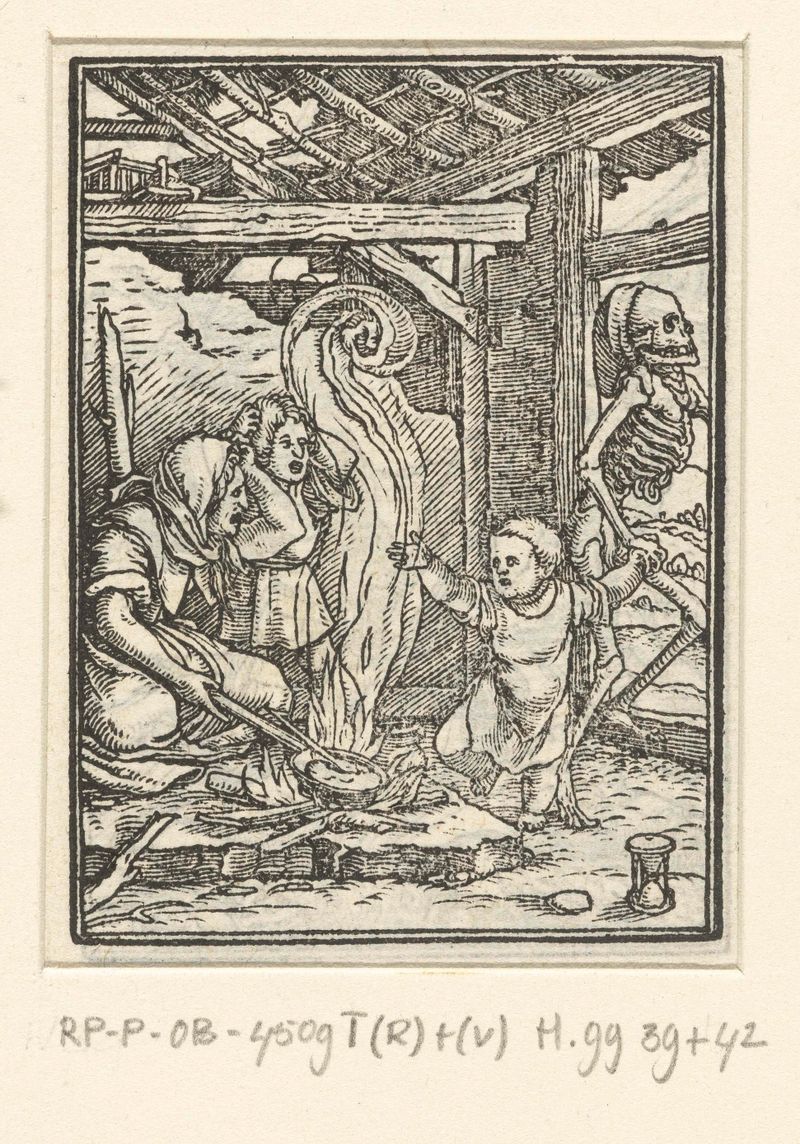
Kind en de Dood
Hans Holbein (II)
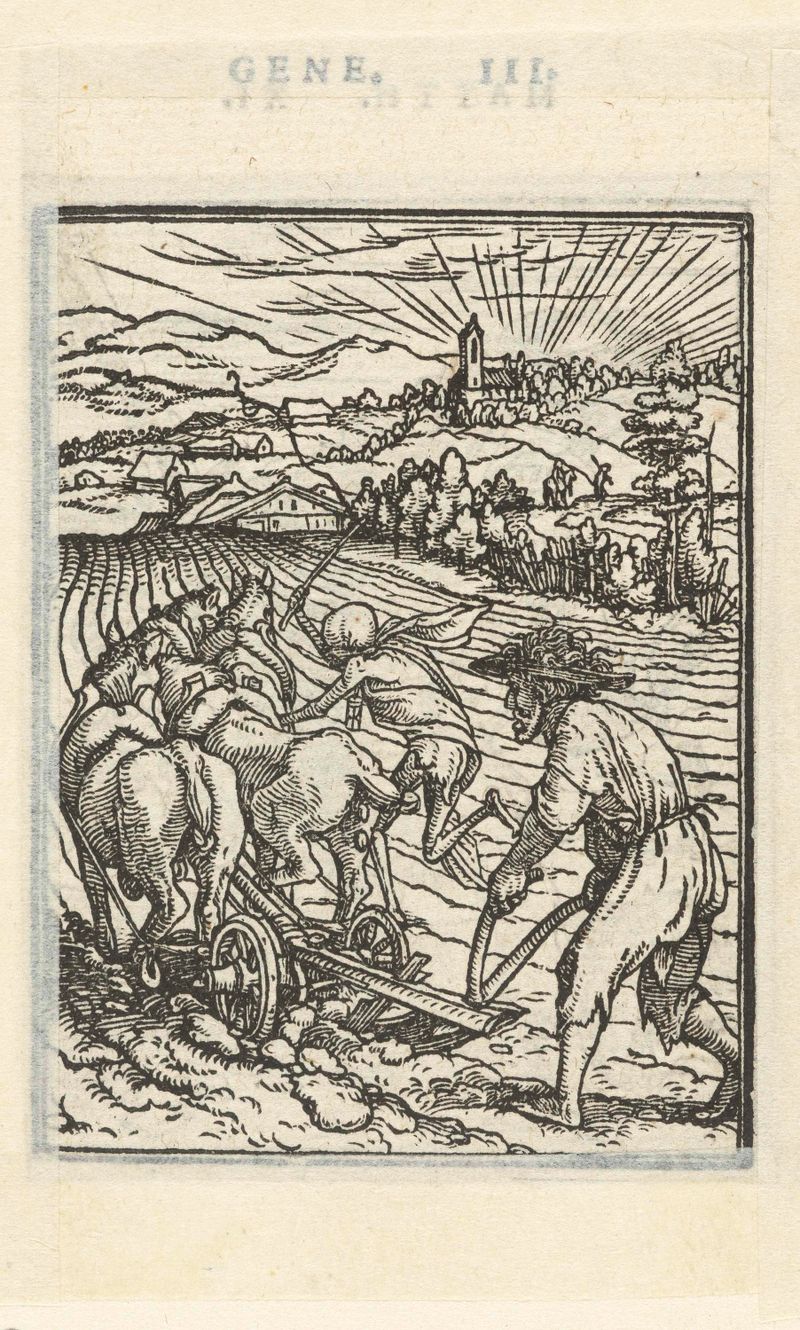
Boer en de Dood
Hans Holbein (II)
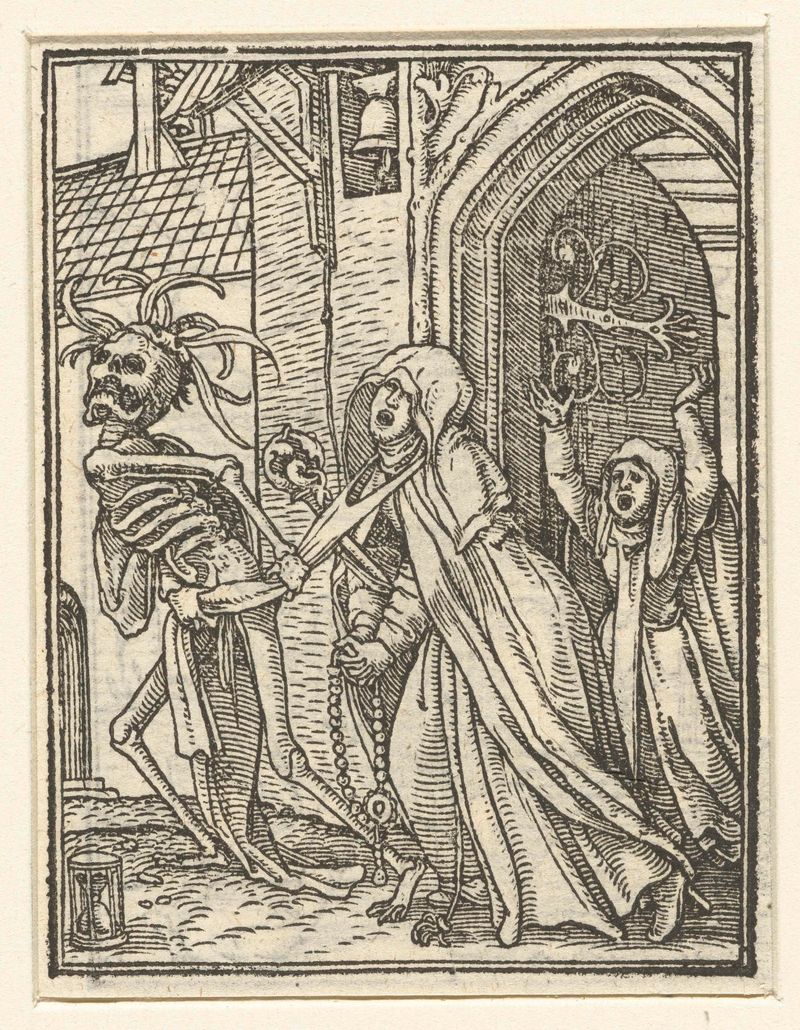
Abdis en de Dood
Hans Holbein (II)
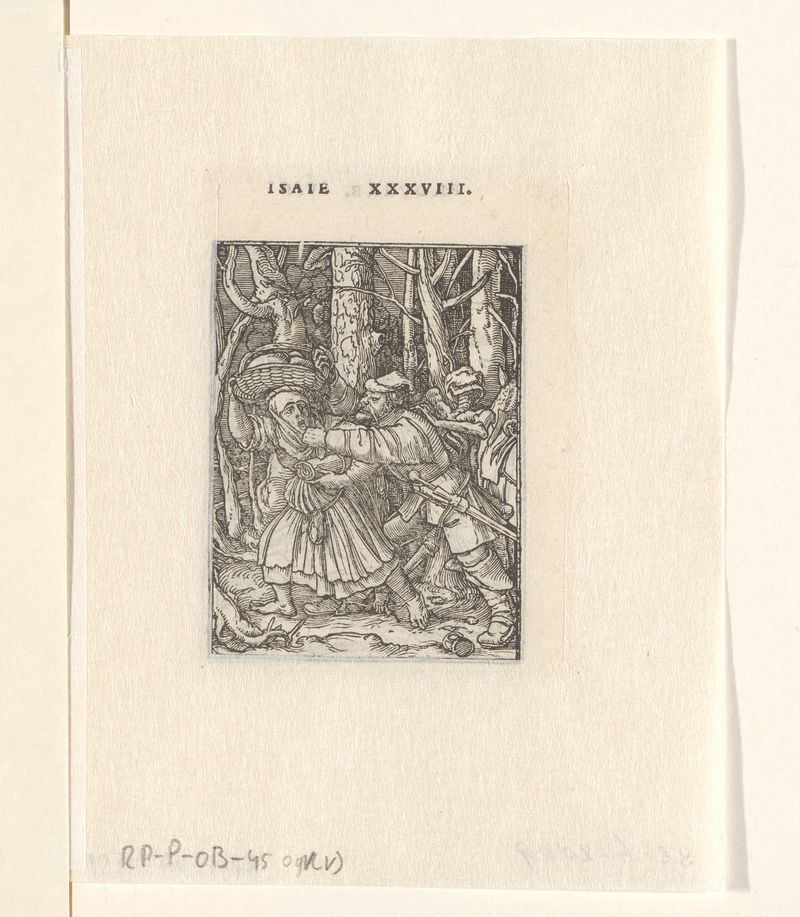
Dief en de Dood
Hans Holbein (II)
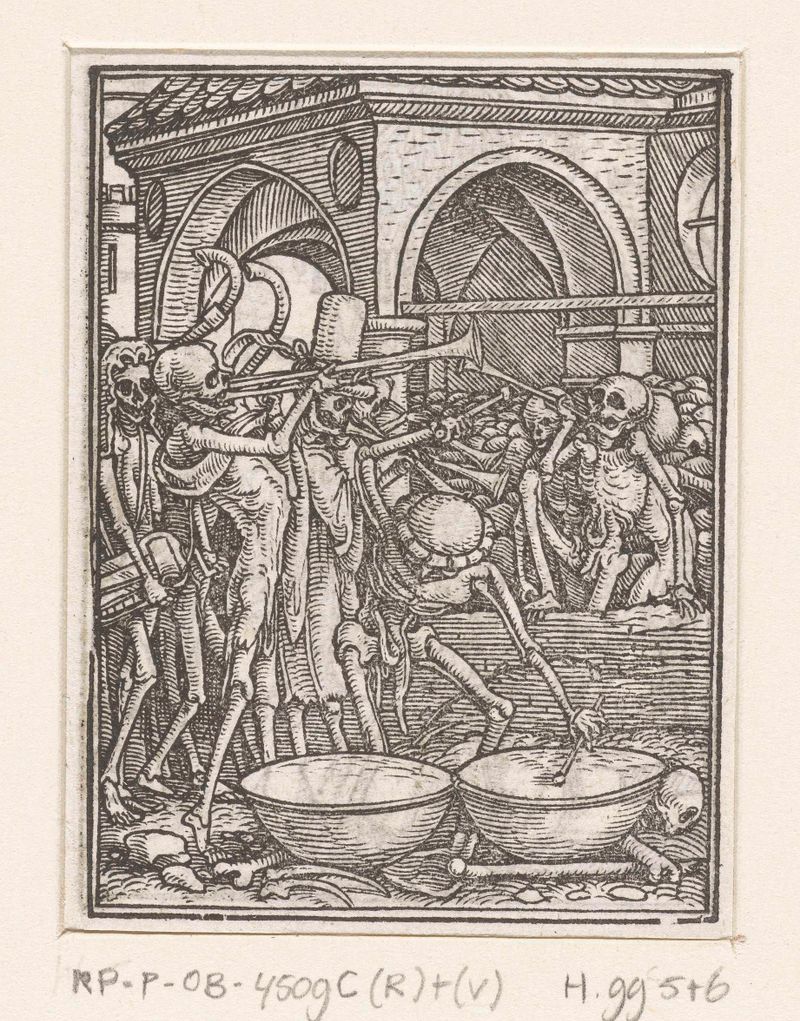
Skeletons Making Music from Dance of the Dead
Hans Holbein (II)
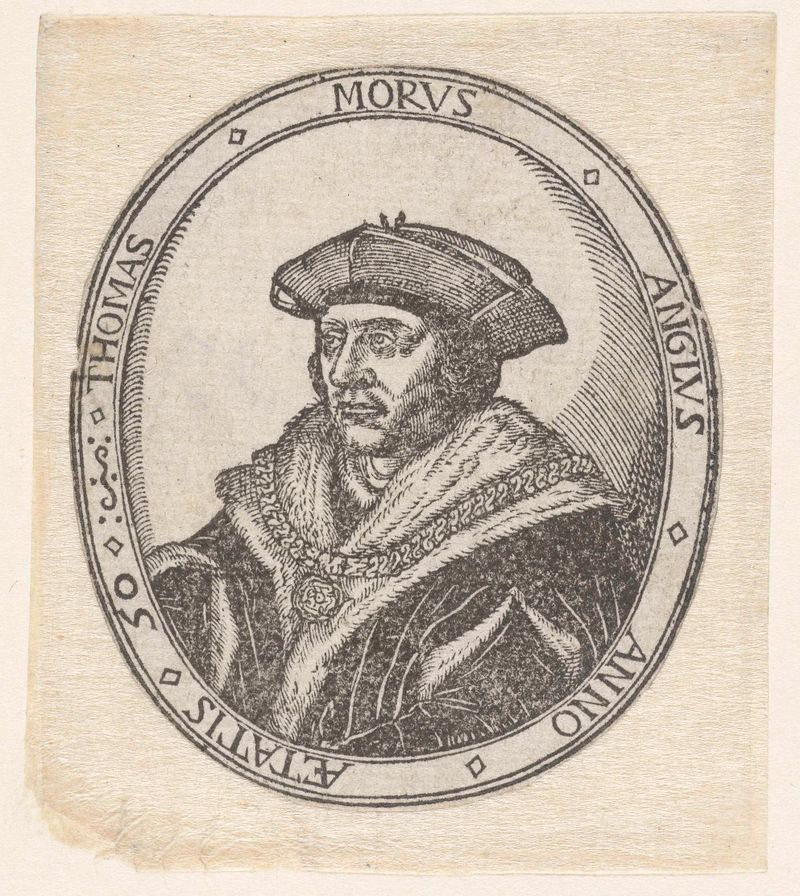
Portret van Thomas More
Hans Holbein (II)
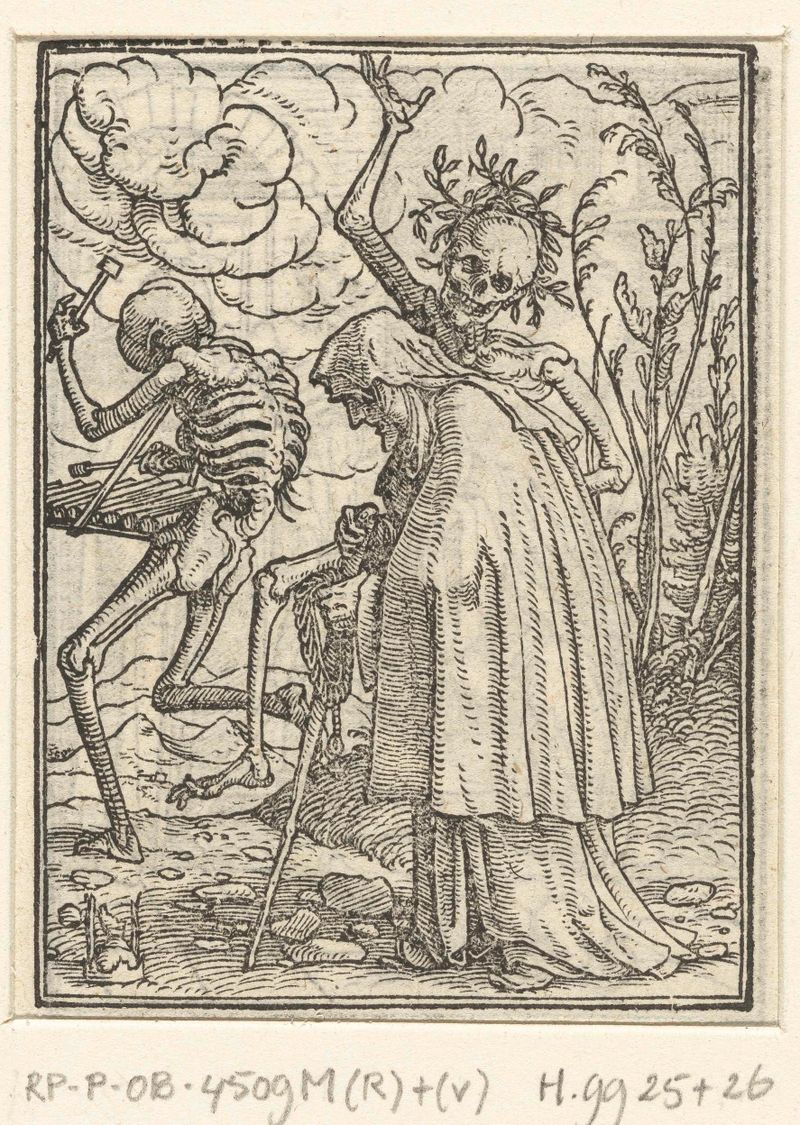
Oude vrouw en de Dood
Hans Holbein (II)
More Historical Art
Browse all →
The Night Watch Militia Company of District II under the Command of Captain Frans Banninck Cocq
Rembrandt van Rijn

Lincoln Memorial
Henry Bacon

The Third of May 1808
Francisco de Goya

Isaac and Rebecca, Known as ‘The Jewish Bride’
Rembrandt van Rijn

The Charge of the Mamelukes (1814)
Francisco de Goya

De vier ruiters van de apocalyps
Albrecht Dürer