
David verslaat Goliath — History & Facts
Did the painter know this moment would outlive them? In the bare tableau of David verslaat Goliath, a haunting emptiness envelops the youthful victor as he stands triumphantly over the colossal figure of Goliath, whose lifeless form sprawls across the ground. The contrast between the victorious and the vanquished echoes the timeless struggle between innocence and experience, evoking a profound contemplation of what it means to conquer. Focus on the intricate details of David’s expression as it captures a mix of triumph and uncertainty. Look to the rich, earthy tones that envelop the figures, serving to ground the narrative in a reality that feels both distant and immediate.
Notice how the light falls delicately on David’s youthful face, highlighting his resolve while casting shadows over the giant, emphasizing the disparity in their fates. The careful composition draws your eye from the small, proud figure of David to the enormity of Goliath, inviting you to consider not just the act of victory, but the weight it carries. Within this scene lies a tension that transcends mere combat; it’s a reflection on the hollow triumphs of life. David’s youthful exuberance contrasts sharply with Goliath’s defeated form, suggesting that victory often comes with an underlying emptiness.
The juxtaposition of innocence against the backdrop of violence invites us to ponder the cost of such moments — both for the victor and the defeated. In every brushstroke, Holbein hints at the emotional scars that linger long after the battle has ended. Painted in 1538 while residing in England, the artist was immersed in the political complexities of the Reformation and the changing tides of royal favor. Holbein, known for his deep exploration of human psychology, likely sought to capture not just the biblical narrative but a universal truth about the nature of power and its consequences.
At this time, the world of art was evolving, influenced by Renaissance ideals and a growing interest in realism, making this work a significant reflection of both personal and collective struggles.
More Artworks by Hans Holbein (II)
Browse all →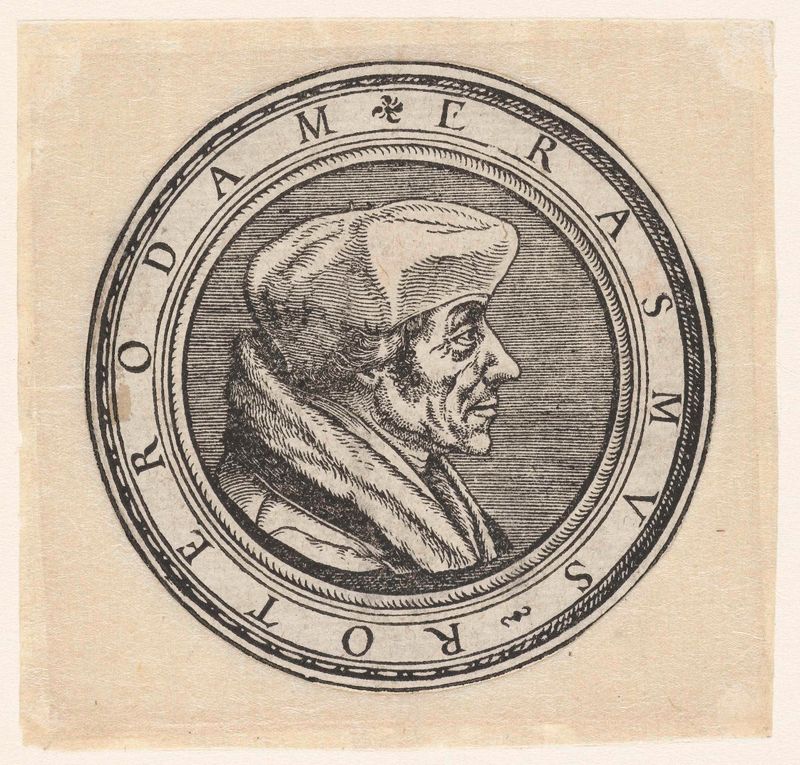
Portret van Erasmus
Hans Holbein (II)
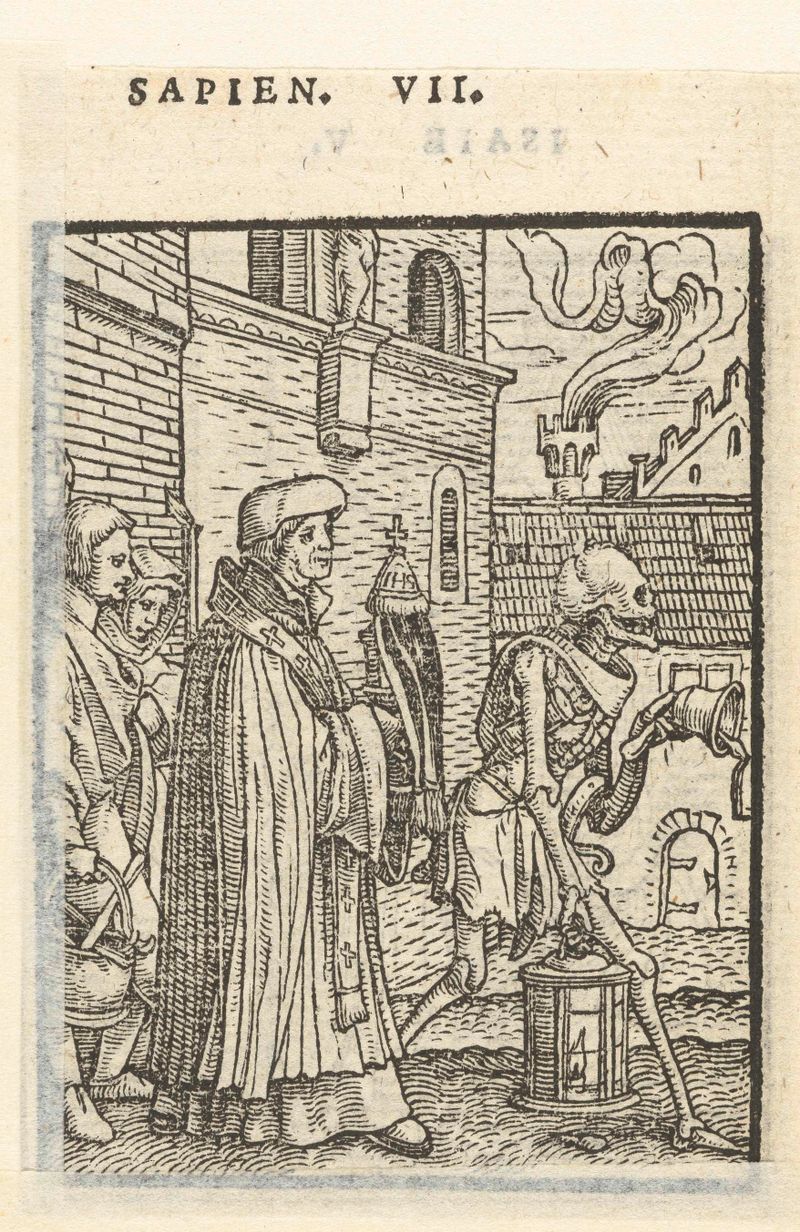
Priester en de Dood
Hans Holbein (II)
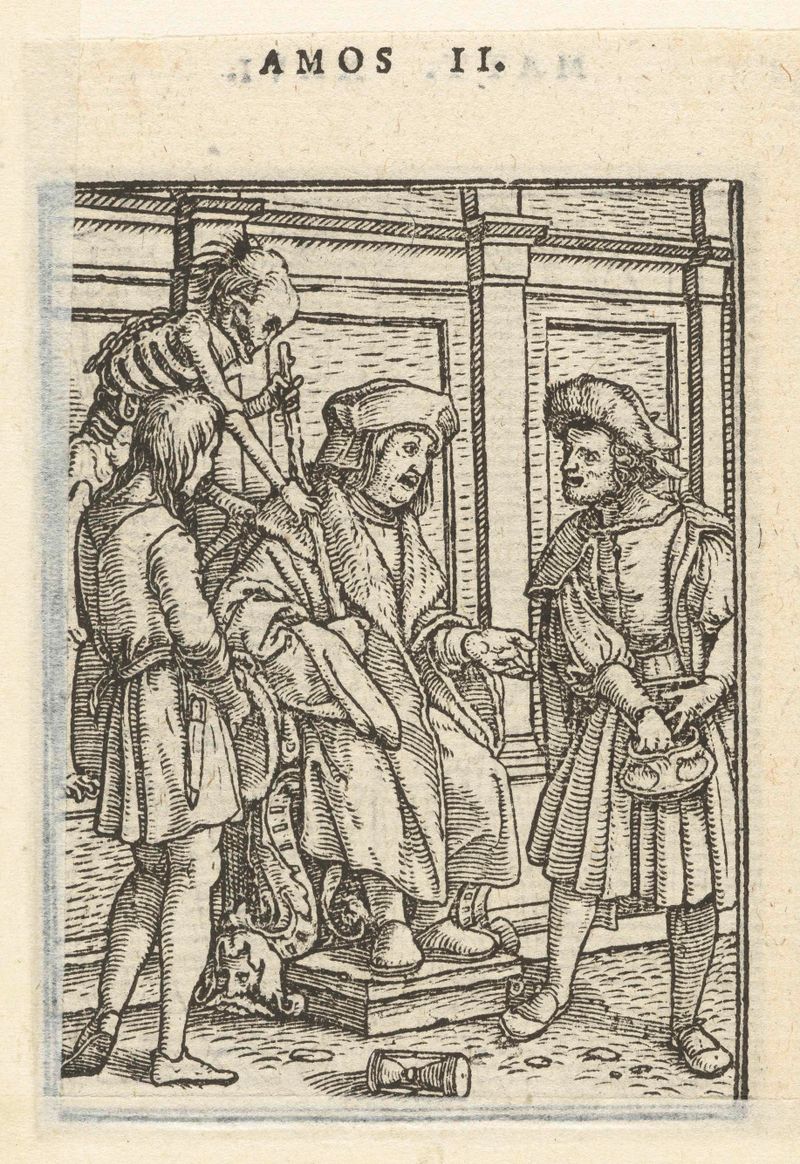
Rechter en de Dood
Hans Holbein (II)
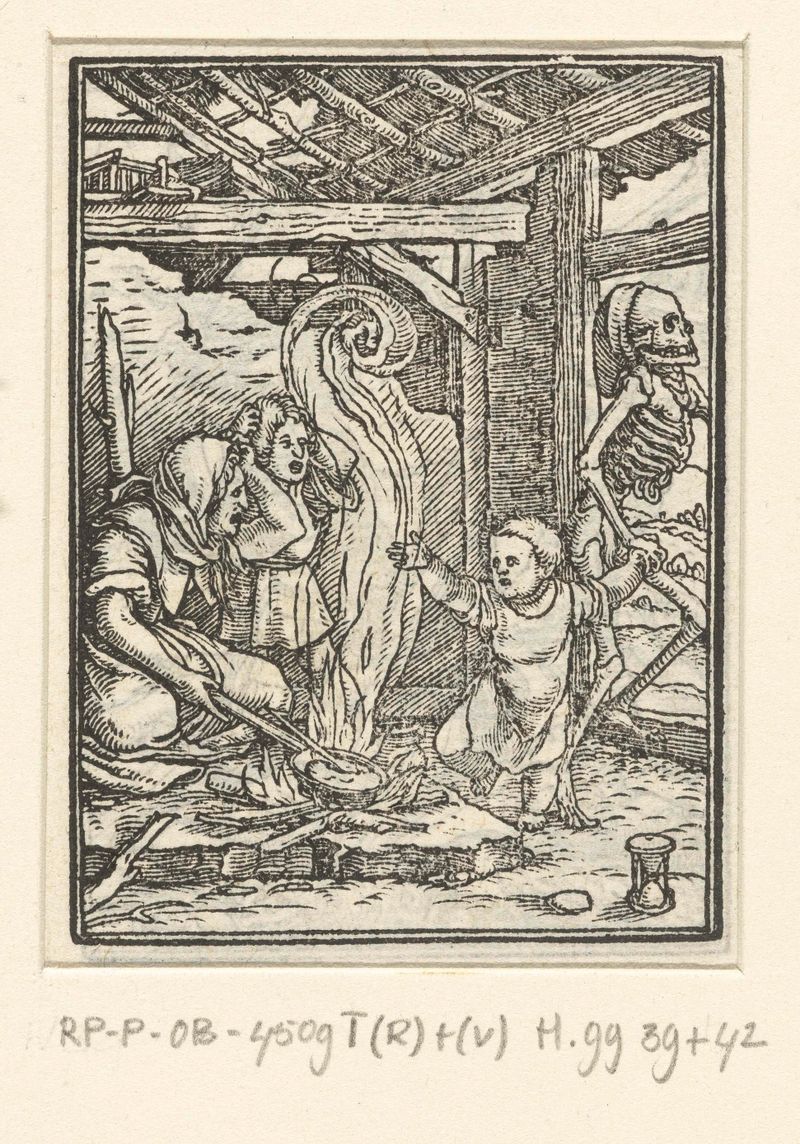
Kind en de Dood
Hans Holbein (II)
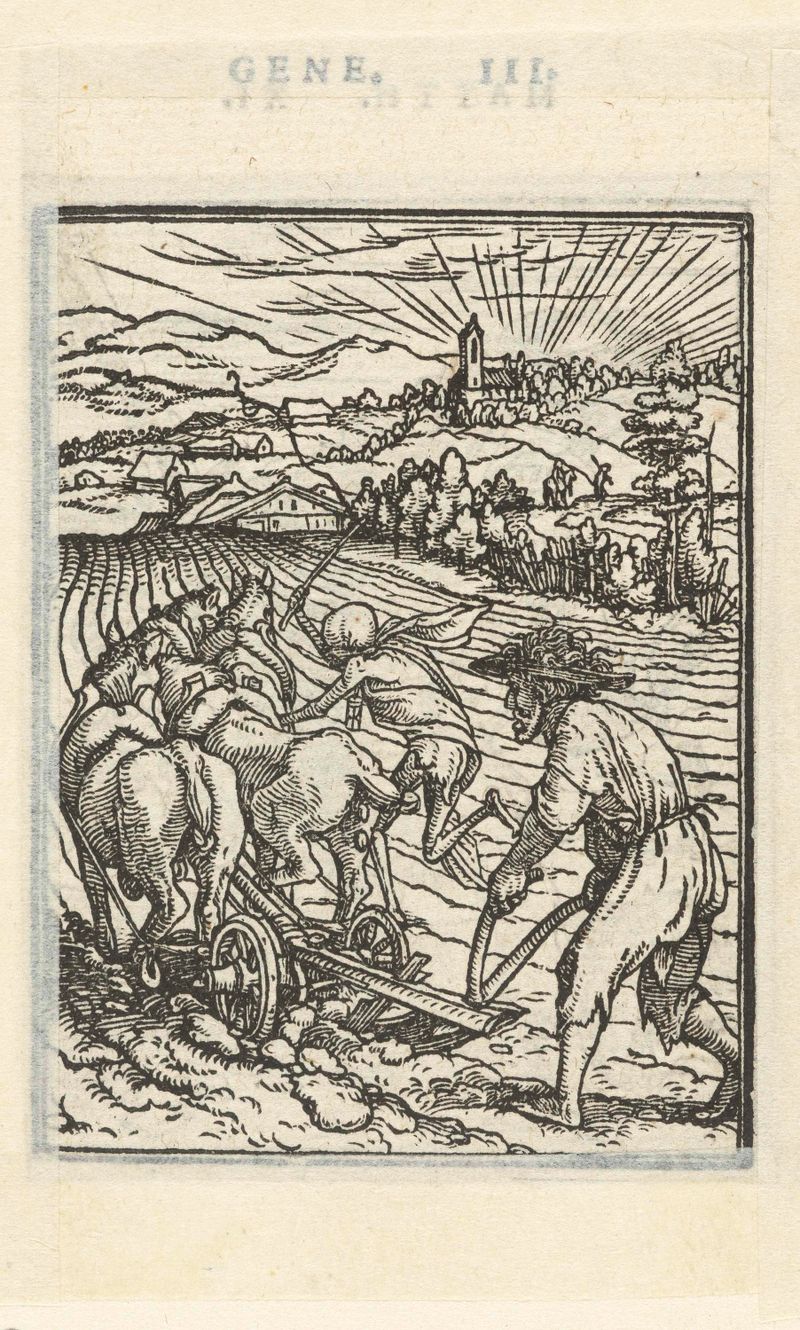
Boer en de Dood
Hans Holbein (II)
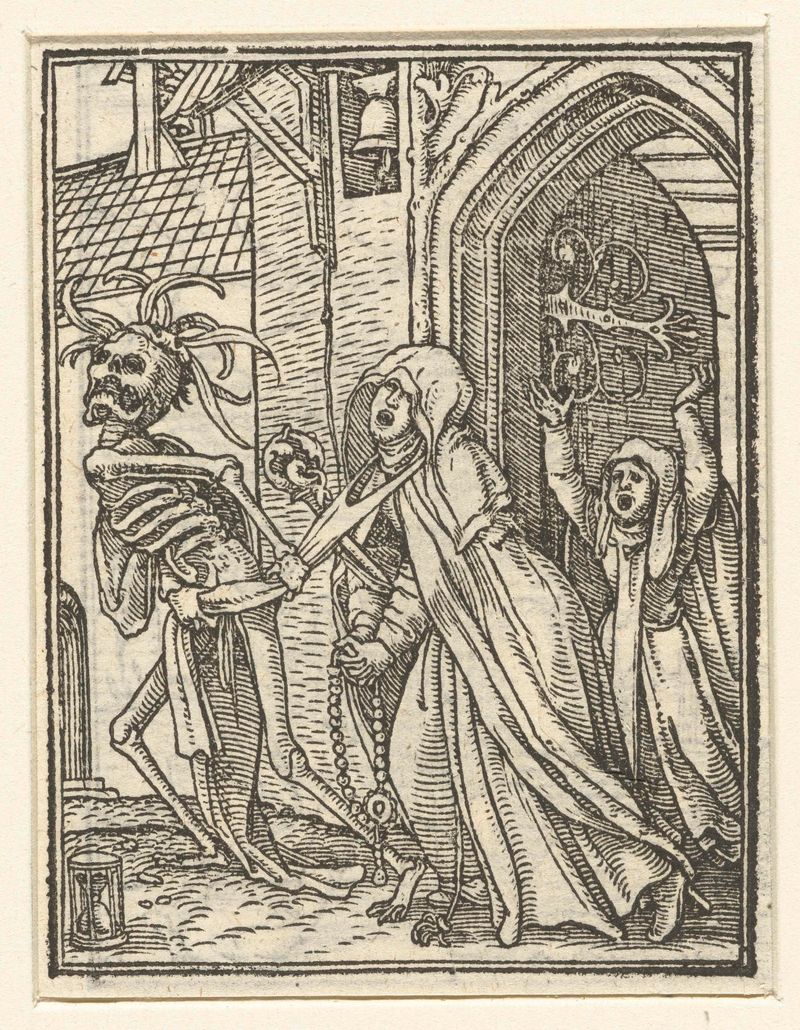
Abdis en de Dood
Hans Holbein (II)
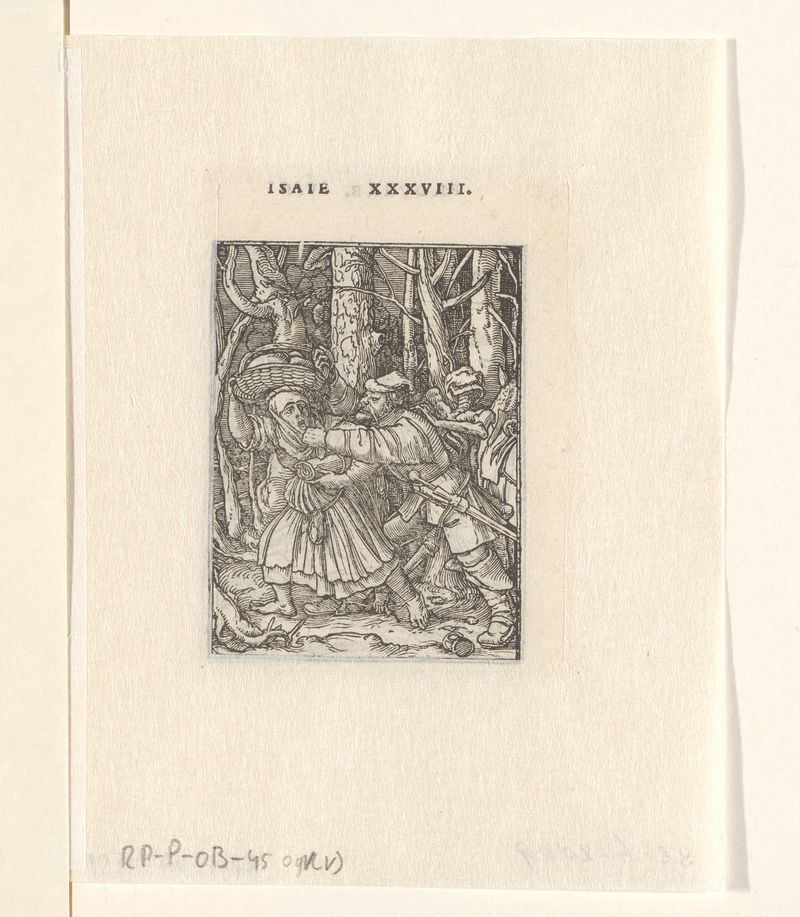
Dief en de Dood
Hans Holbein (II)
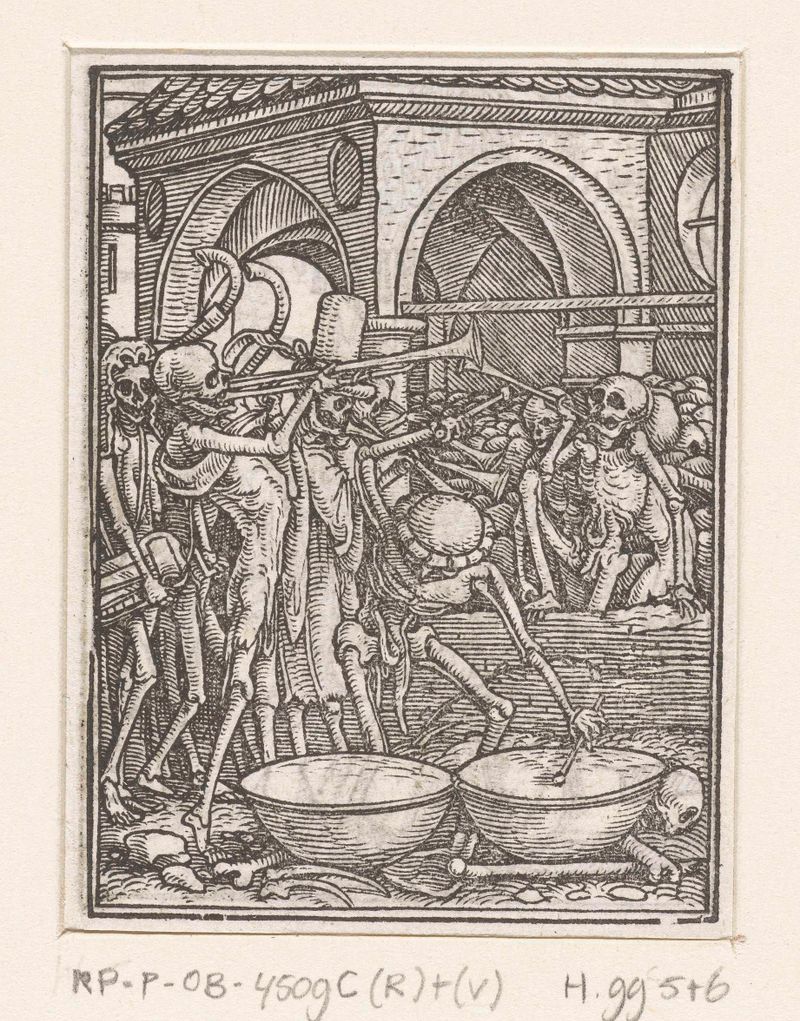
Skeletons Making Music from Dance of the Dead
Hans Holbein (II)
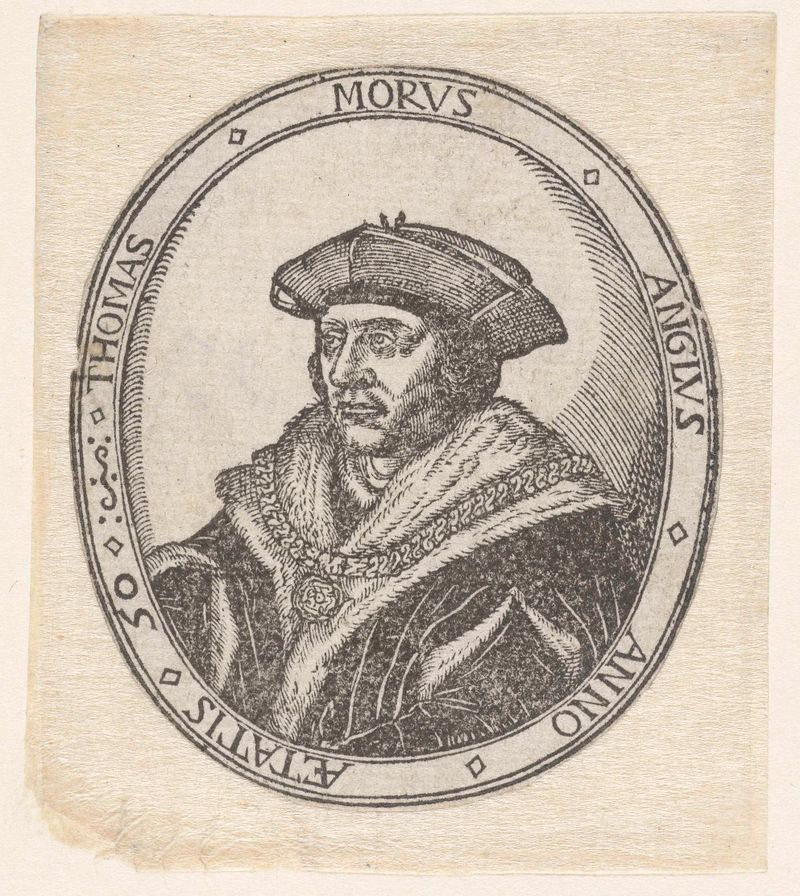
Portret van Thomas More
Hans Holbein (II)
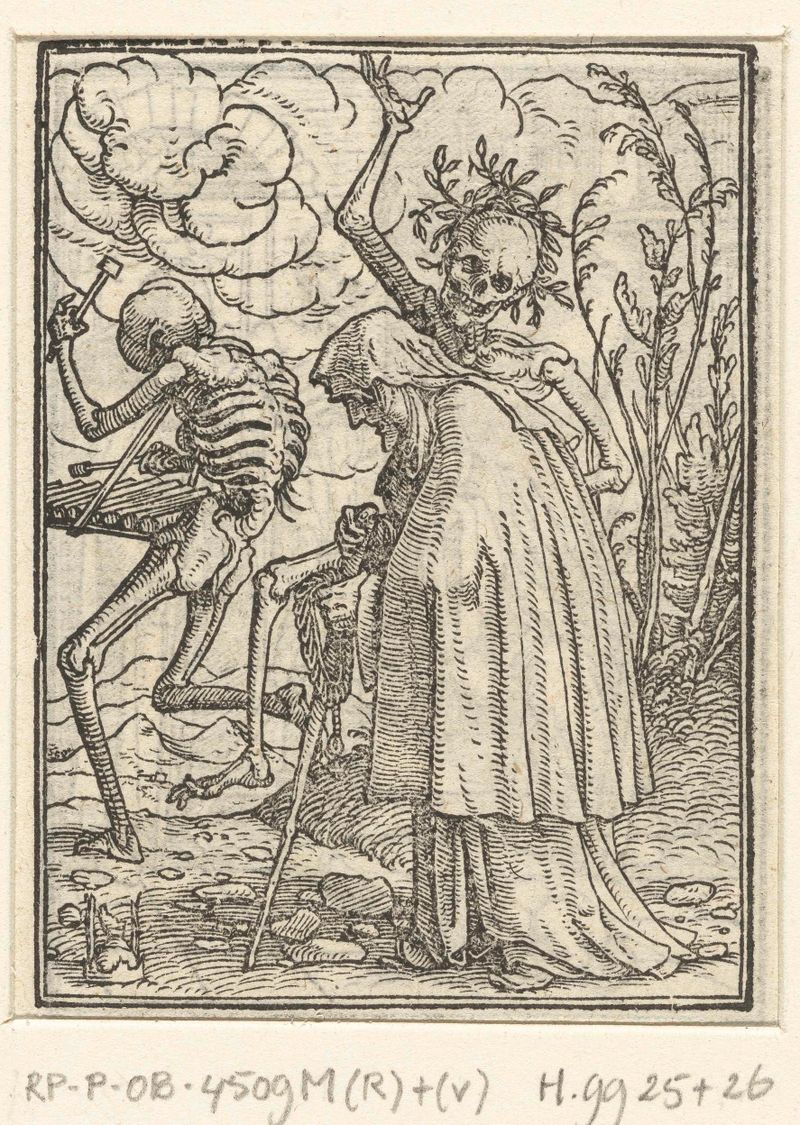
Oude vrouw en de Dood
Hans Holbein (II)
More Historical Art
Browse all →
The Night Watch Militia Company of District II under the Command of Captain Frans Banninck Cocq
Rembrandt van Rijn

Lincoln Memorial
Henry Bacon

The Third of May 1808
Francisco de Goya

Isaac and Rebecca, Known as ‘The Jewish Bride’
Rembrandt van Rijn

The Charge of the Mamelukes (1814)
Francisco de Goya

De vier ruiters van de apocalyps
Albrecht Dürer