
De Baan in Rotterdam — History & Facts
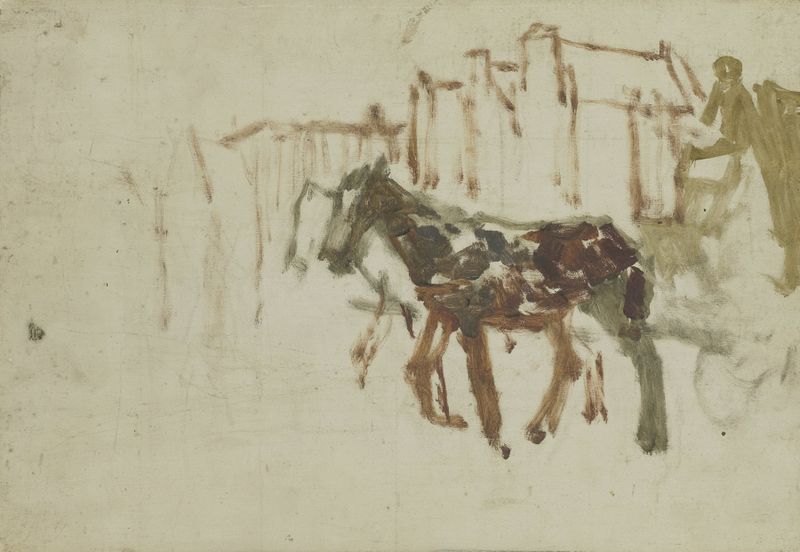
What secret hides in the quiet of the canvas? In the stillness of De Baan in Rotterdam, colors whisper stories, revealing a world both serene and complex, inviting the viewer to delve deeper into its layers. Look to the center, where the rich, muted tones of the streets converge. The ochre and deep blues draw your gaze along the cobblestones, leading to figures shrouded in shadow and light. Notice how Breitner's brushwork captures the dampness of the scene — each stroke reveals a texture that breathes life into the pavement and the soft drapery of the figures’ clothing.
The interplay of light filtering through clouds creates a melancholic atmosphere, accentuating the sense of quiet solitude. Yet beneath this tranquil exterior lies an undercurrent of tension. The solitary figures, though anonymous, carry a weight of contemplation, perhaps reflecting on their place within the bustling urban life. The subtle use of color heightens this contrast; muted hues are layered with vibrant strokes, juxtaposing the vibrancy of city life against the stillness of the moment.
Each element, from the distant architecture to the intricate street patterns, resonates with a narrative of introspection and unspoken stories. Breitner painted De Baan in Rotterdam during a period of personal and artistic exploration in the late 19th century. Living in the Netherlands, he was part of the movement that embraced the modernity of urban life, capturing the pulse of a city in transition. This painting reflects both his fascination with the evolving landscape and the emotional complexities that accompanied such changes, marking a pivotal moment within the realm of Dutch art.
More Artworks by George Hendrik Breitner
Browse all →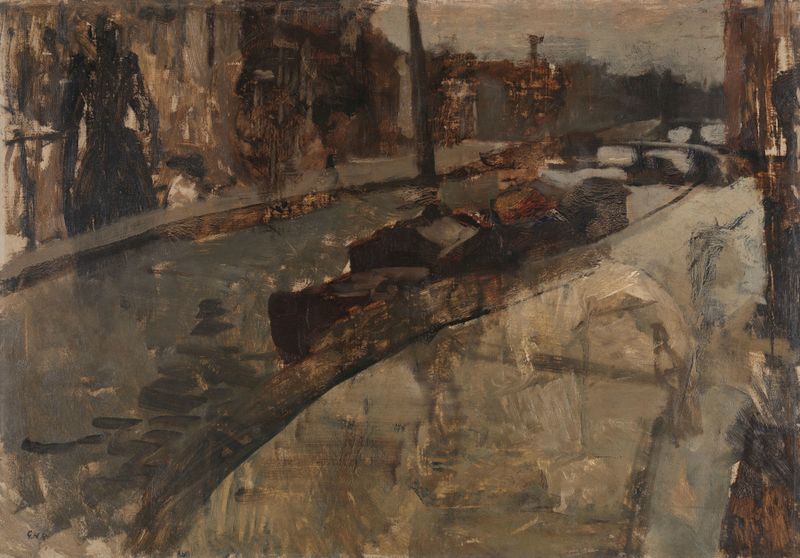
Prinsengracht near Lauriergracht, Amsterdam
George Hendrik Breitner
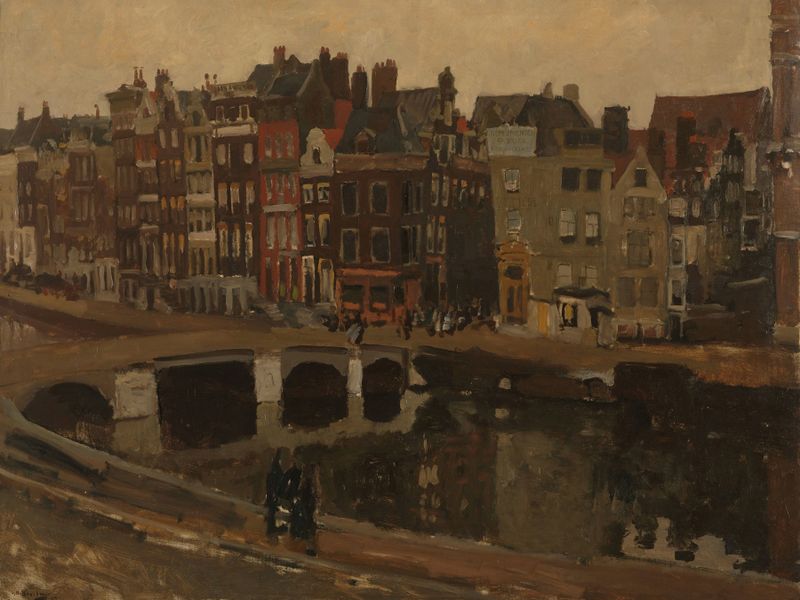
The Rokin, Amsterdam
George Hendrik Breitner

The Rokin, Amsterdam
George Hendrik Breitner
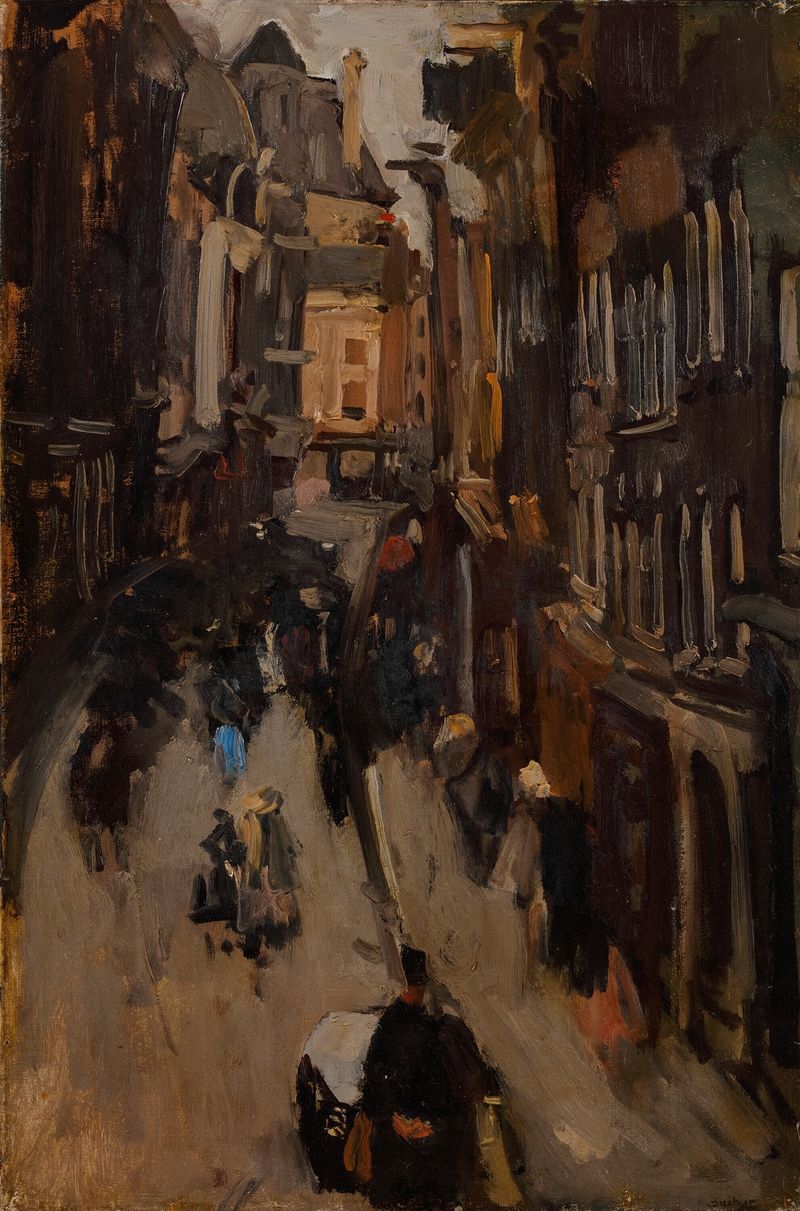
A busy day in the Kalverstraat, Amsterdam
George Hendrik Breitner

The Damrak, Amsterdam
George Hendrik Breitner
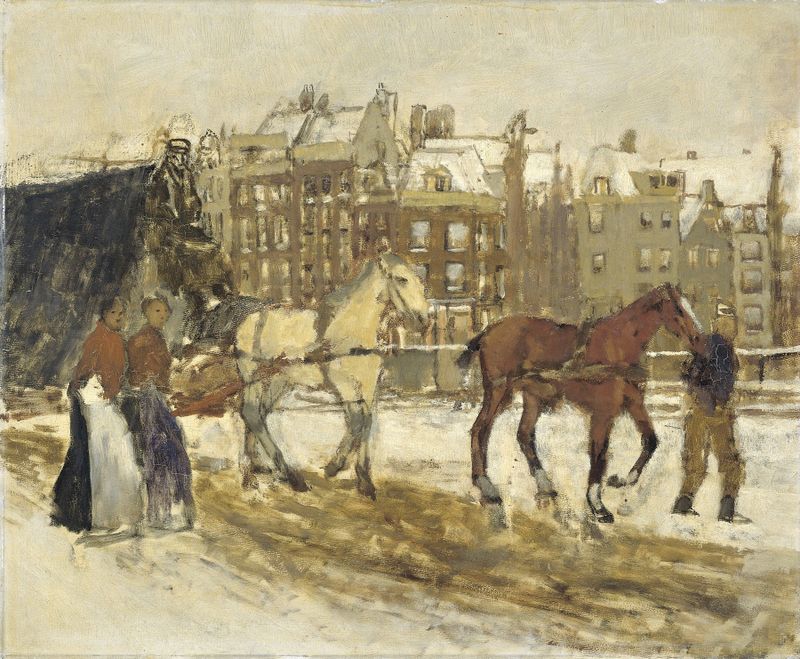
The Rokin, Amsterdam
George Hendrik Breitner

The Baanbrugsteeg looking from the Haarlemmerdijk towards the Vinkenstraat and the Brouwersgracht
George Hendrik Breitner

The Leidsegracht, Amsterdam
George Hendrik Breitner
The Rokin
George Hendrik Breitner

Gezicht op de Dam
George Hendrik Breitner





