
De brandgang — History & Facts
What secret hides in the quiet of the canvas? The stillness of De brandgang invites introspection, revealing the beauty found in solitude and the hidden complexities of existence. Look to the center of the composition where a narrow, shadowy passageway unfolds, framed by muted earth tones that harmonize the scene. The textured strokes evoke a sense of depth, pulling the viewer into a world that feels both inviting and isolating. Notice how the light gently caresses the edges of the walls, illuminating hidden corners while leaving much enshrouded in mystery.
The interplay of dark and light creates a poignant contrast that urges you to linger and explore. Delve deeper, and the emotional tension becomes apparent in the stillness. The empty passage suggests a lingering presence, maybe a ghost of memory or a longing for connection. Each stroke conveys a feeling of yearning, with the spiraling shadows hinting at stories untold.
The simplicity of the scene belies its complexity, revealing how beauty can coalesce with loneliness, inspiring both reflection and reverie. In 1944, Spilliaert painted De brandgang during a tumultuous time, as Europe grappled with the turmoil of World War II. Living in Belgium, he navigated the shadows of his personal life, dealing with the weight of solitude and existential contemplation. This piece encapsulates his unique vision and responses to the world around him, bridging the gap between anguish and serene beauty through his evocative use of line and color.
More Artworks by Léon Spilliaert
Browse all →
Beachview at night
Léon Spilliaert

Strand met maan
Léon Spilliaert

De zeedijk te Oostende van op het staketsel gezien
Léon Spilliaert
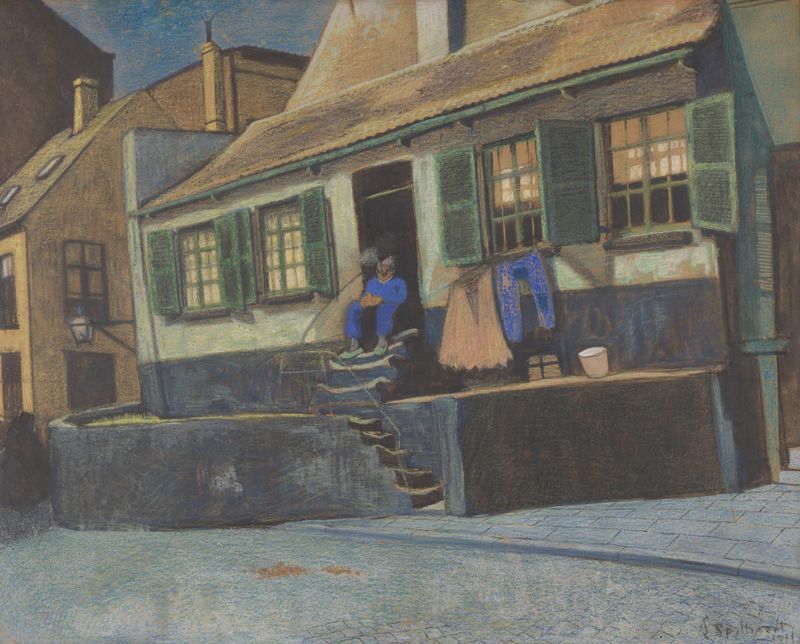
Het huis genaamd ‘De Preekstoel’ te Oostende
Léon Spilliaert

Vijgenboom in de winter, Grasse
Léon Spilliaert
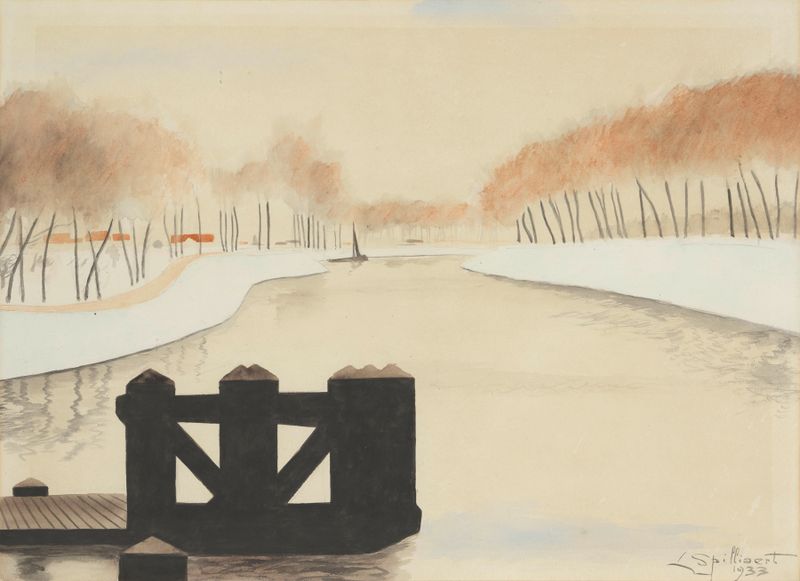
De Keignaertkreek in Zandvoorde
Léon Spilliaert
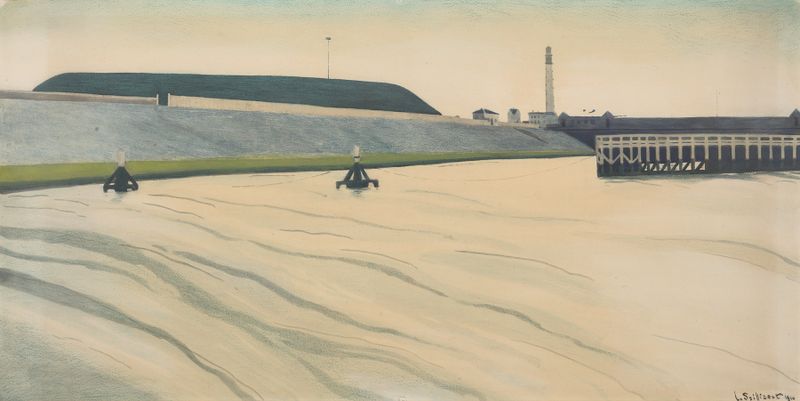
Haven te Oostende
Léon Spilliaert
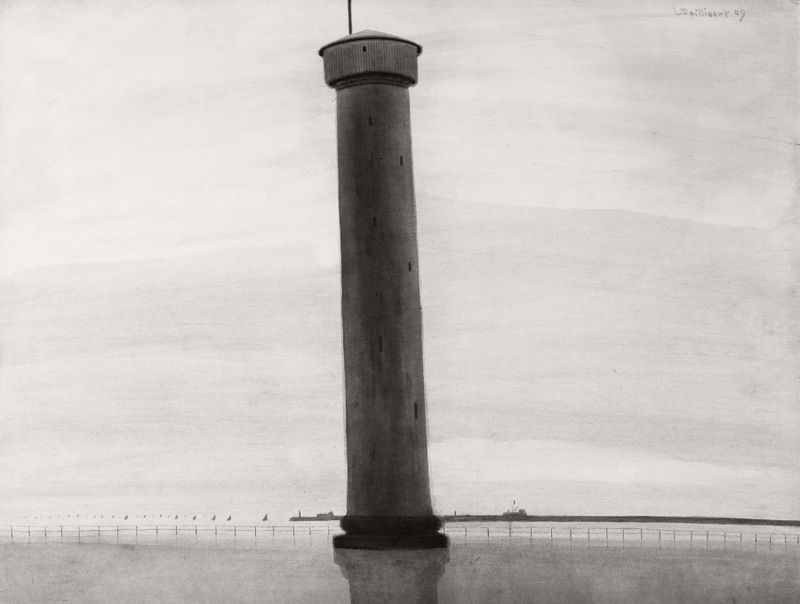
Le Phare aux signaux [De vuurtoren]
Léon Spilliaert
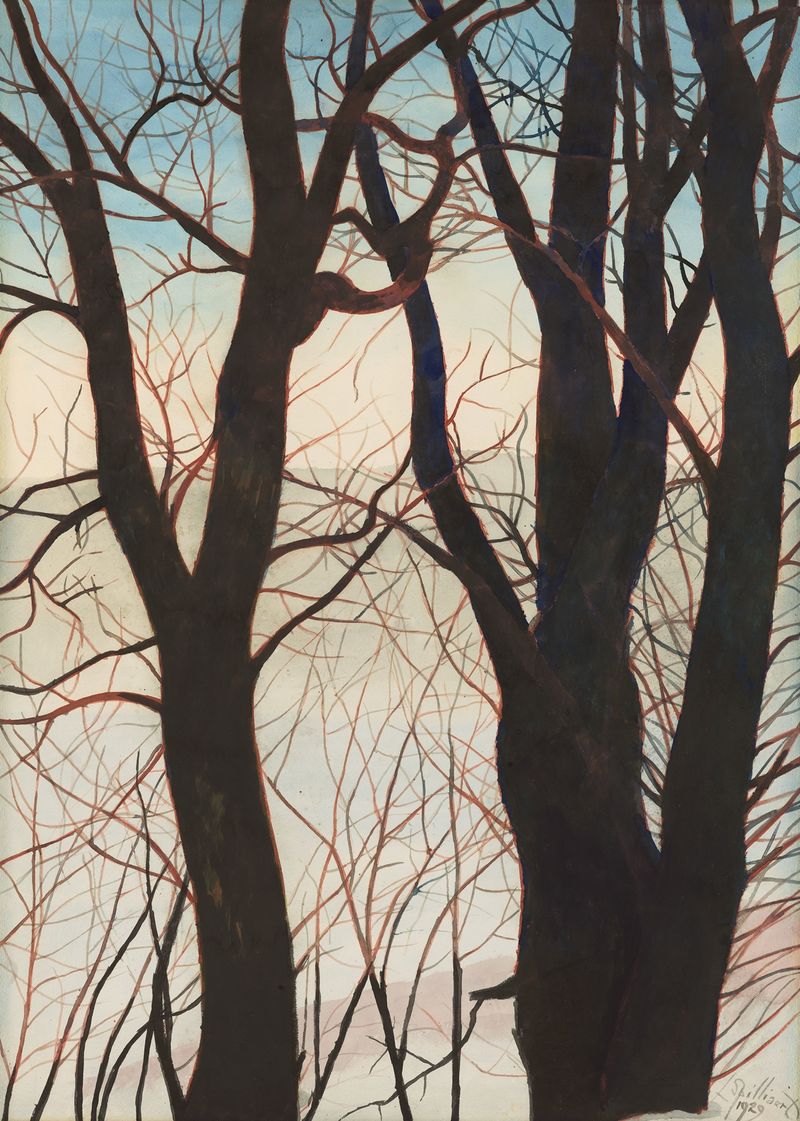
Bomen in de sneeuw
Léon Spilliaert
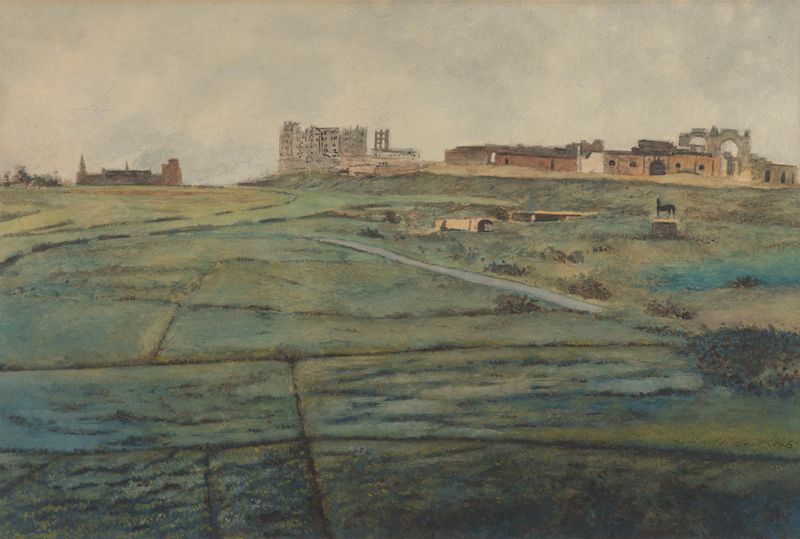
De Wellingtonrenbaan en het Royal Palace Hotel te Oostende kort na de Tweede Wereldoorlog
Léon Spilliaert





