
De val van Simon de Tovenaar — History & Facts
Did the painter know this moment would outlive them? In De val van Simon de Tovenaar, the fleeting nature of human ambition and despair unfolds with haunting clarity. Look to the left, where a figure, draped in tattered robes, clutches at the air in a desperate bid for redemption. The somber palette of deep browns and greys weighs heavily upon the scene, contrasting sharply with the sharp, flickering light that defines the figures’ anguished expressions. The composition spirals inward, drawing the eye to the central figure in a dramatic fall, captured mid-motion, as if time itself has surrendered to the chaos surrounding him. Beneath the surface, tensions simmer between illusion and reality.
The jester’s bright attire juxtaposes the darker elements of the scene, highlighting the inherent vulnerability of those who seek to manipulate fate. Each face surrounding the fallen figure bears witness to the fragility of power, a commentary on the human condition—how swiftly fortune can turn to folly. The void of ambition threatens to consume even the most skilled, leaving behind a profound silence that echoes through the ages. Jacques Callot created this piece between 1608 and 1611 in Nancy, France, during a period marked by political instability and the Thirty Years' War's shadow.
As he navigated the complexities of the Baroque style, he began to carve a niche that would influence generations of artists, capturing the darker aspects of humanity with a unique blend of empathy and critique.
More Artworks by Jacques Callot
Browse all →
Titelprent voor de prentreeks 'De kleine apostelen' (Het martelaarschap van de apostelen)
Jacques Callot
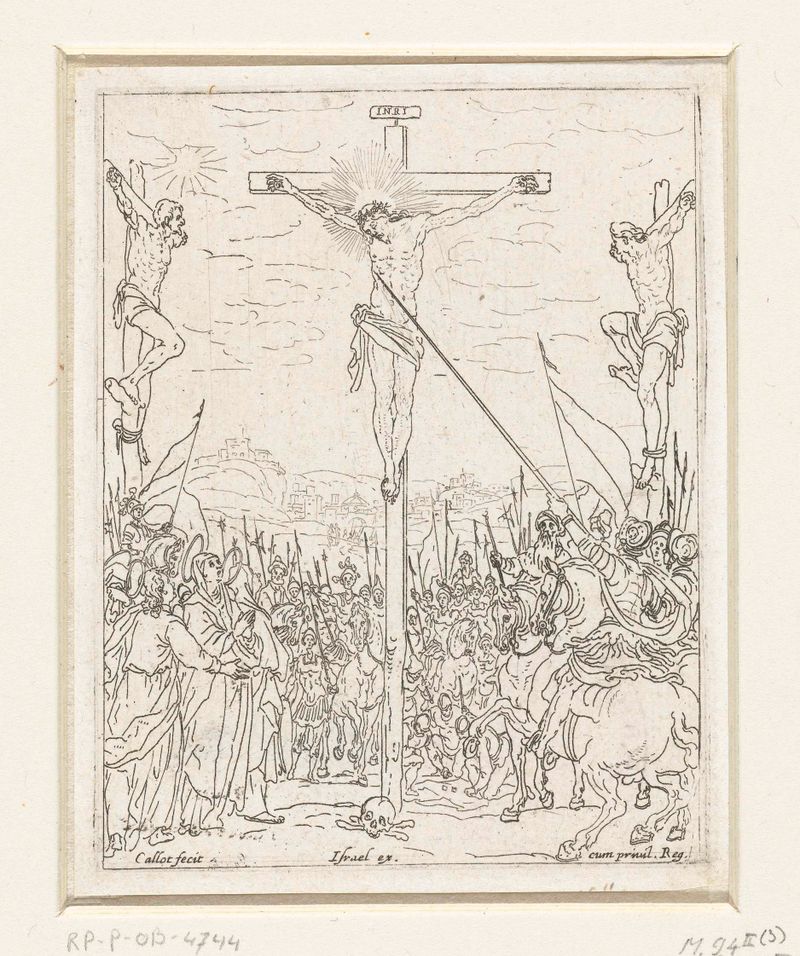
Kruisiging
Jacques Callot

De doortocht door de Rode Zee
Jacques Callot

De verloren zoon als zwijnenhoeder
Jacques Callot

Annunciatie
Jacques Callot
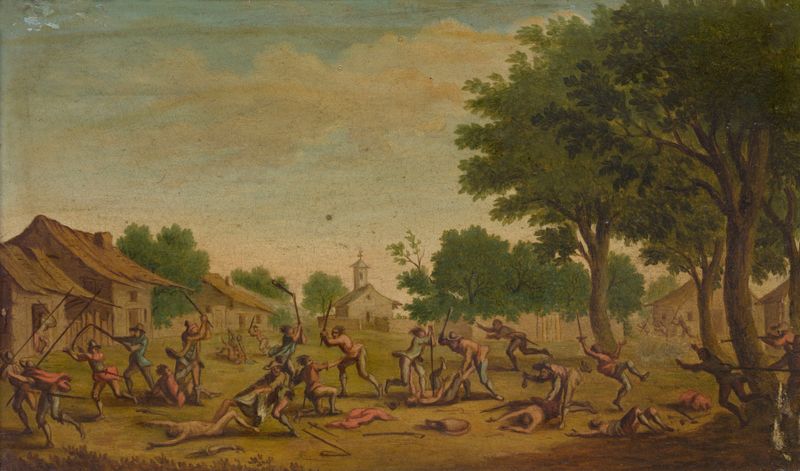
Village Fight
Jacques Callot

Titelprent voor prentreeks 'Het leven van Maria'
Jacques Callot
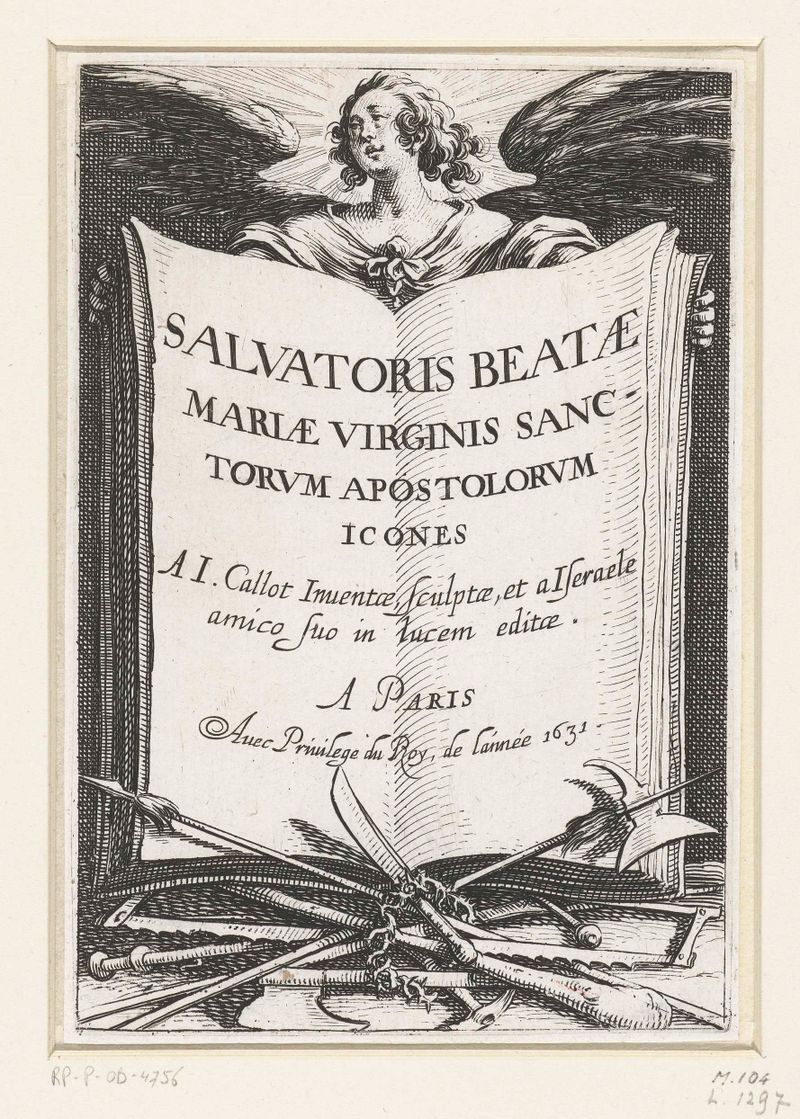
Titelprent voor de prentreeks 'De grote apostelen' (Christus, Maria en de apostelen)
Jacques Callot

Christus aan het volk getoond (Ecce homo)
Jacques Callot
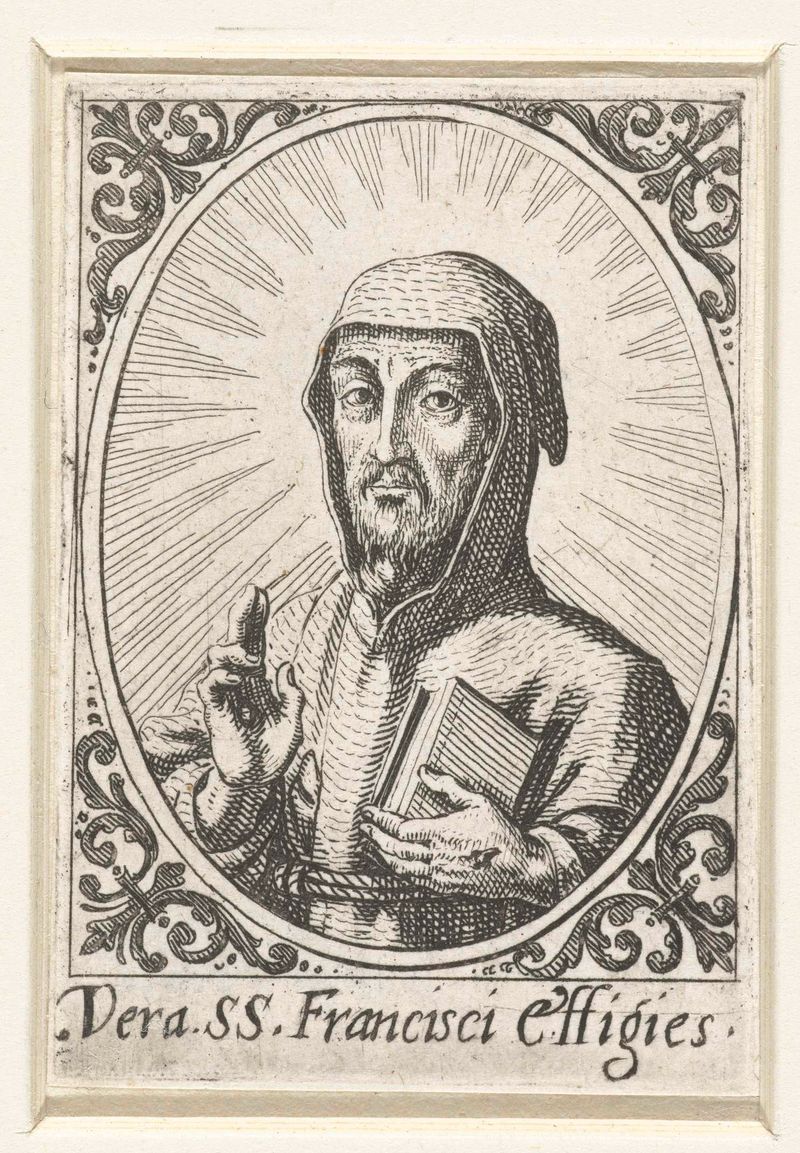
Portret van de Heilige Franciscus
Jacques Callot
More Historical Art
Browse all →
The Night Watch Militia Company of District II under the Command of Captain Frans Banninck Cocq
Rembrandt van Rijn

Lincoln Memorial
Henry Bacon

The Third of May 1808
Francisco de Goya

Isaac and Rebecca, Known as ‘The Jewish Bride’
Rembrandt van Rijn

The Charge of the Mamelukes (1814)
Francisco de Goya

De vier ruiters van de apocalyps
Albrecht Dürer