
De verloren zoon ontvangt zijn deel van de erfenis — History & Facts
This sentiment echoes through the intricate lines of a scene that captures a timeless moment of reckoning. Within the delicate strokes lies a profound exploration of inheritance, loss, and the weight of expectation. The interplay between joy and sorrow is palpable, inviting deeper reflection on the nature of human connections. Look to the center of the composition, where the figures are ensconced in an atmosphere shimmering with gilded accents.
The lost son stands at the heart of the painting, his expression a complex tapestry of anticipation and apprehension, as he reaches out for what is rightfully his. Notice how Callot’s masterful use of chiaroscuro illuminates the tension in the characters’ faces, contrasting the darkness of their past with the hope of a new beginning. The carefully arranged figures create a sense of balance, yet the unevenness of their gazes suggests unspoken histories that linger in the air. As you examine the details, consider how the son’s gesture symbolizes the grasping of both material wealth and the emotional baggage that accompanies it.
The opulence of the setting contrasts sharply with the somber undertones of regret that ripple through the figures’ interactions. Every line etched by Callot seems to whisper of unresolved conflict, embodying the duality of desire and despair as his characters navigate the treacherous waters of familial duty and longing. In 1635, Jacques Callot painted this poignant piece during a tumultuous period marked by personal and societal strife. Living in France, he was influenced by the swirling tensions of the Thirty Years' War and honing his unique style in the world of printmaking and drawing.
This work reflects a synthesis of his experiences, encapsulating not just the aesthetic values of his time but also the emotional complexities that were shaping human relationships amidst the turmoil.
More Artworks by Jacques Callot
Browse all →
Titelprent voor de prentreeks 'De kleine apostelen' (Het martelaarschap van de apostelen)
Jacques Callot
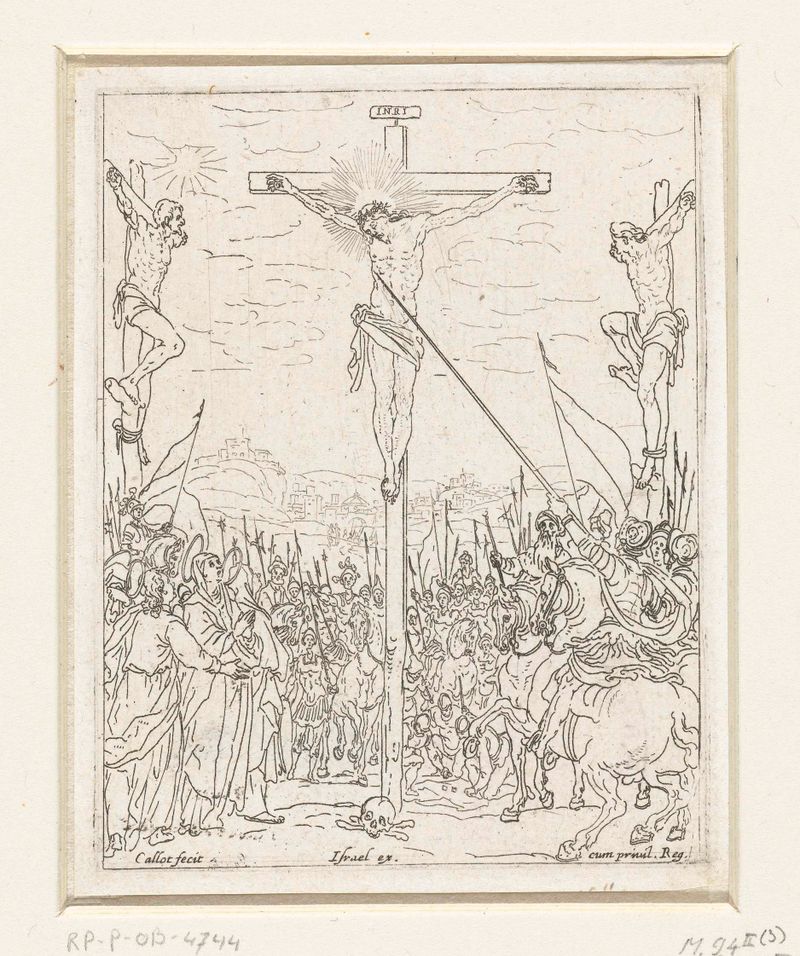
Kruisiging
Jacques Callot

De doortocht door de Rode Zee
Jacques Callot

De verloren zoon als zwijnenhoeder
Jacques Callot

Annunciatie
Jacques Callot
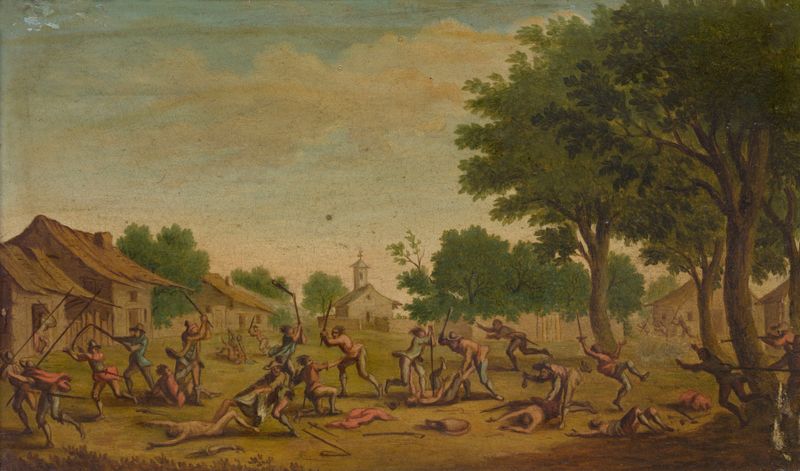
Village Fight
Jacques Callot

Titelprent voor prentreeks 'Het leven van Maria'
Jacques Callot
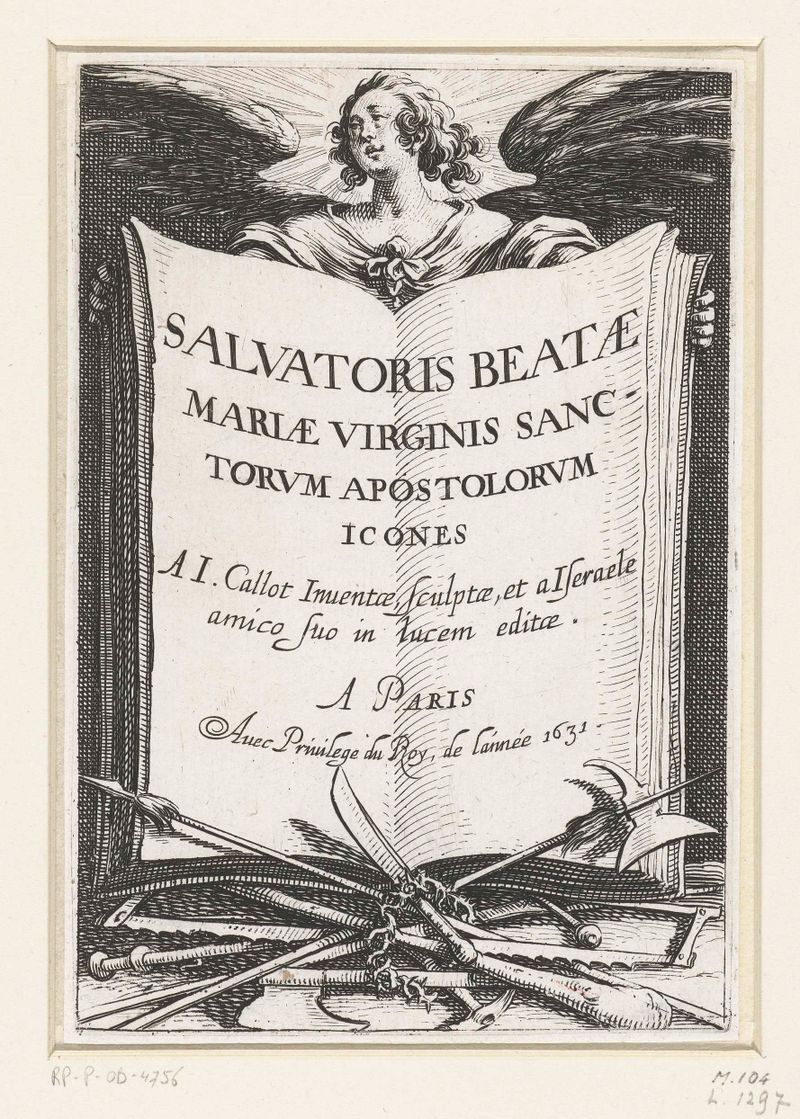
Titelprent voor de prentreeks 'De grote apostelen' (Christus, Maria en de apostelen)
Jacques Callot

Christus aan het volk getoond (Ecce homo)
Jacques Callot
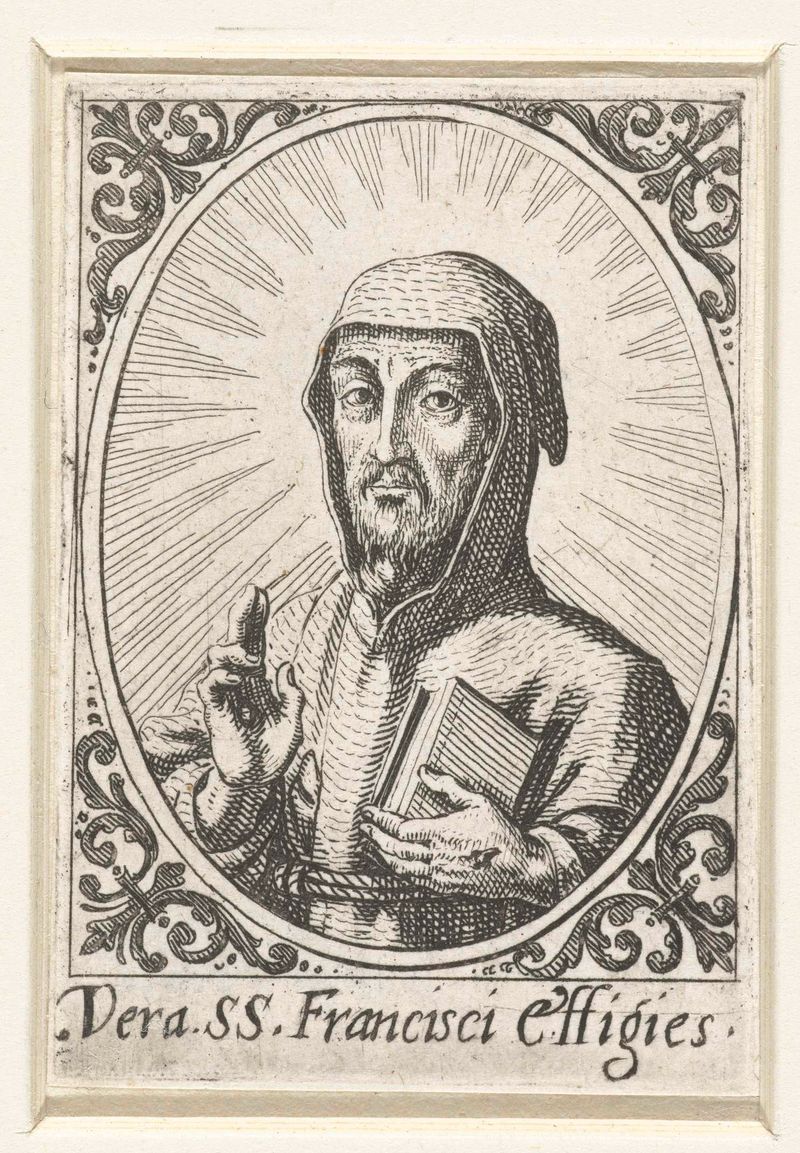
Portret van de Heilige Franciscus
Jacques Callot
More Historical Art
Browse all →
The Night Watch Militia Company of District II under the Command of Captain Frans Banninck Cocq
Rembrandt van Rijn

Lincoln Memorial
Henry Bacon

The Third of May 1808
Francisco de Goya

Isaac and Rebecca, Known as ‘The Jewish Bride’
Rembrandt van Rijn

The Charge of the Mamelukes (1814)
Francisco de Goya

De vier ruiters van de apocalyps
Albrecht Dürer